Rocky Georgio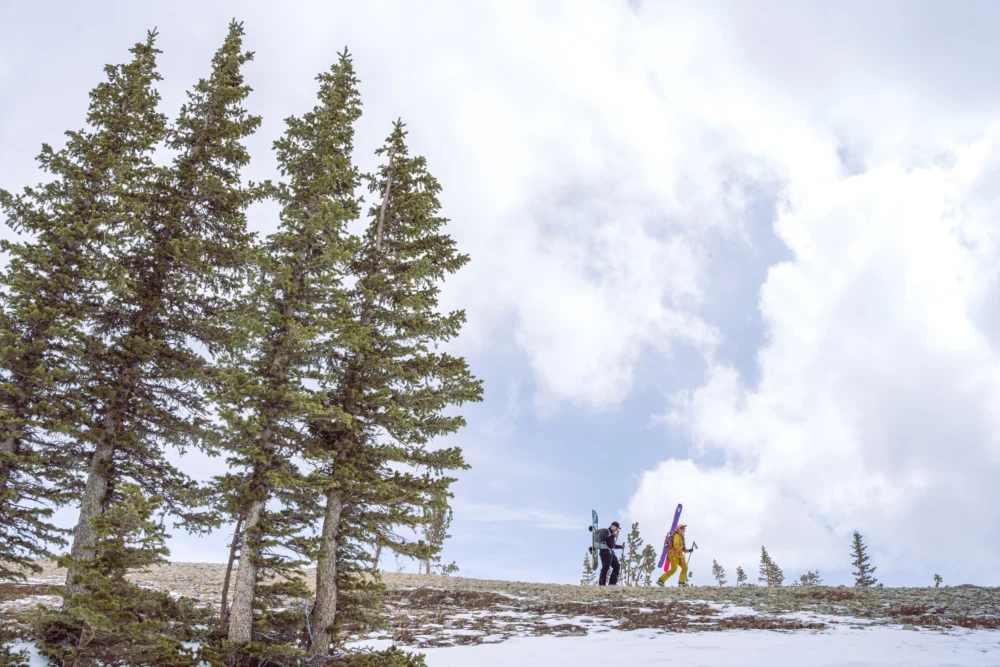
The rhythmic drumming on the roof last night was not the expected sound of snow in the Rockies at 7,000 feet in late November, but rather rain. A highly anticipated storm, initially forecast to deliver up to six feet of snow, dwindled to mere inches by the time it moved east, leaving behind a landscape devoid of the winter’s first substantial snowfall and pushing the region closer to the winter solstice with unnerving dryness. This recurrent pattern transforms the once joyous anticipation of winter into a gnawing dread, a stark contrast to the excitement that previously accompanied the arrival of the cold season, regardless of location in the Western United States.
For years, the author, like many avid skiers, meticulously tracked Pacific storms, eagerly awaiting the race among Colorado’s high alpine resorts to open first or observing the snowline descend across the Pacific Northwest. This season, however, that hopeful vigilance has been replaced by a disquieting anxiety, a physical manifestation of a changing climate. The disappointment of storms petering out or failing to materialize altogether now triggers a visceral response, a tightening in the stomach that speaks to a deeper concern than just the quality of ski turns. Skiing, once a pure source of exhilaration, has inadvertently become a sensitive barometer for the health of winter, and recent seasons have presented an increasingly warm and arid reality, raising profound questions about the future of this beloved sport and the ecosystems it depends on.

The intrinsic connection between a skier’s happiness and the unpredictable whims of weather systems underscores a unique perspective on environmental shifts. While it may seem like a singular obsession, this fixation on snowfall serves as a constant calibration of the weather’s pulse, prompting a deeper engagement with broader climatic patterns. Skiers often exhibit a blend of rituals, superstitions, and a fervent desire to influence nature, jokingly praying for snow and participating in pre-season traditions like ski-burning bonfires or washing cars in a hopeful attempt to summon winter’s embrace, a behavior that, despite its irrationality, mirrors a deep-seated plea for balance.
The desire for snowy winters is driven by a duality: the personal and the planetary. On one hand, there is the deeply personal longing to experience the sensation of weightlessness and speed that skiing provides, a connection to the natural world cultivated since childhood. On the other hand, the compulsive checking of SNOTEL sites and ski area base depths reveals a more profound awareness, an observation of evolving patterns that extend far beyond individual recreation. Skiing, often perceived as a superficial pursuit, serves as a tangible indicator of climate change, its impact made palpable through the presence or absence of snow. The activities and passions that bring us joy often expose our vulnerabilities, highlighting what we stand to lose and the humbling realization of our limited control over natural forces.
The impact of this warming trend is already evident across the Western United States, with local ski hills and major resorts pushing back opening dates, some for the first time in their history, as exemplified by Deer Valley. The scarcity of natural snowfall is compounded by insufficient cold temperatures for artificial snowmaking, creating a ripple effect that extends beyond the ski industry. Communities reliant on winter tourism face economic uncertainty, but the consequences are far more encompassing. Snowpack is the West’s most critical source of freshwater, and its diminishment has profound implications for agriculture, ecosystems, and human consumption.

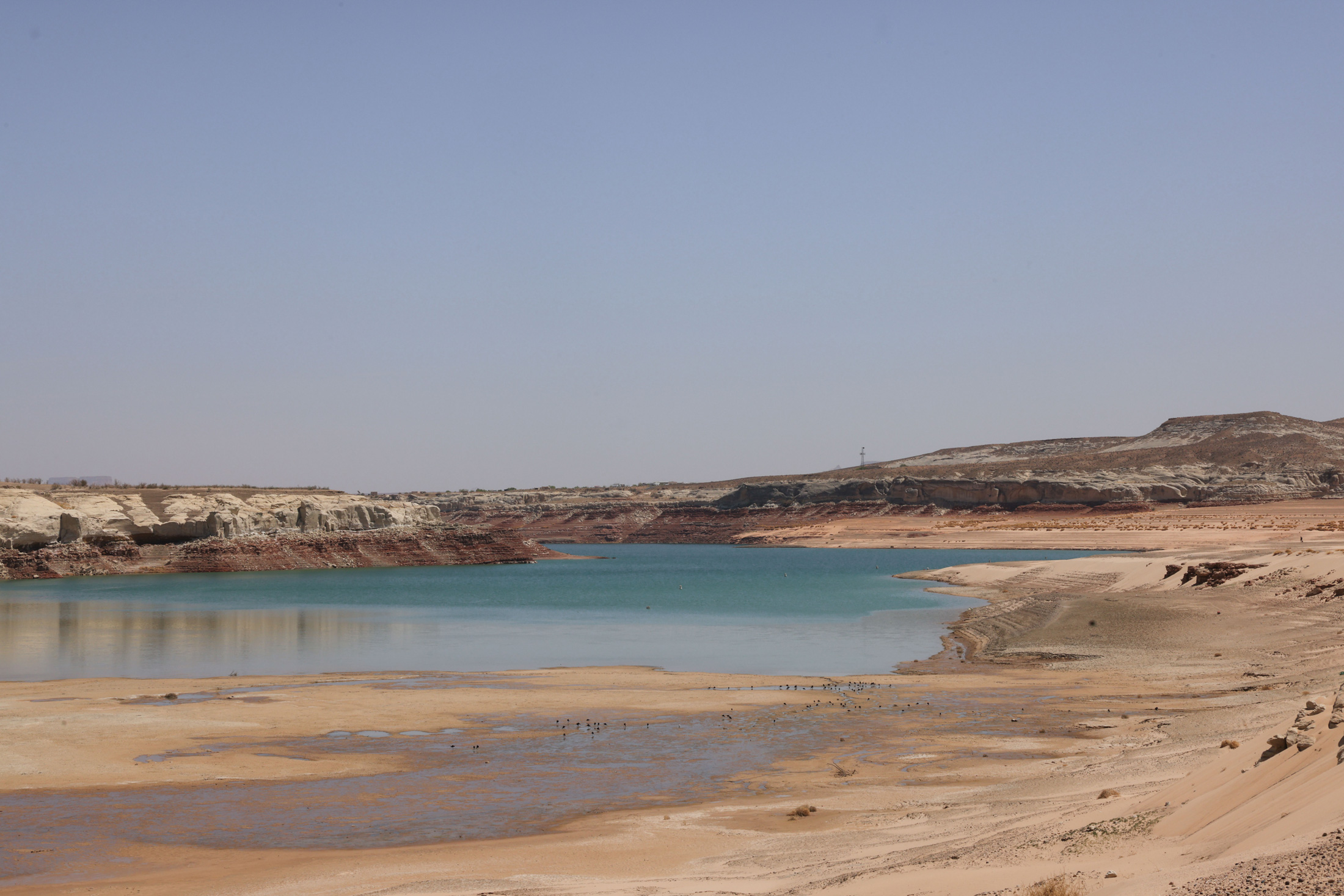
As of December, the National Water and Climate Center’s snow-water equivalent map vividly illustrates the severity of the drought conditions gripping nearly every part of the Western U.S., with vast areas colored red and most locations reporting less than 50% of their average snowpack. This precarious situation follows a scorching dry summer that saw wildfires encroaching on communities, further exacerbating the long-term drought conditions intensified by last winter’s meager snowfall. Ski resorts are increasingly entangled in water rights disputes to sustain snowmaking operations, while the lack of snow amplifies fire risks and threatens food security, contributing to entrenched and often contentious debates over precious river resources.
The interconnectedness of our systems means that skiing serves as a specific, yet potent, marker of the broader environmental shifts underway. A conversation with a ski guide revealed a shared apprehension, a grimace directed towards the mountains as the conversation turned to the looming ski season. While a sense of cautious optimism, a "not quite worried yet," might prevail for some, for others, the anxiety has already taken root, fueled by the visual evidence of shrinking reservoirs and expanding drought predictions. Memories of scratchy, icy ski turns from the previous winter and the absent monsoons of the past summer, punctuated by the ever-present threat of wildfire, paint a stark picture of what it means to wait for snow that may never arrive.
Despite the troubling outlook, there remains a degree of uncertainty and the possibility of change. The National Weather Service’s forecast for a weak and wavering La Niña suggests a less predictable winter, yet the system still possesses a degree of flexibility. Gazing at the sky, one can still hold onto a flicker of hope, acknowledging the inability to foretell the future but drawing understanding from the lessons of the past. Therefore, the plea for snow continues, now imbued with a deeper significance, a more fervent urgency, encompassing not just the personal joy of carving powder, but the imperative need for the ecological and hydrological stability that a healthy winter provides for the entire Western region.