Rocky Georgio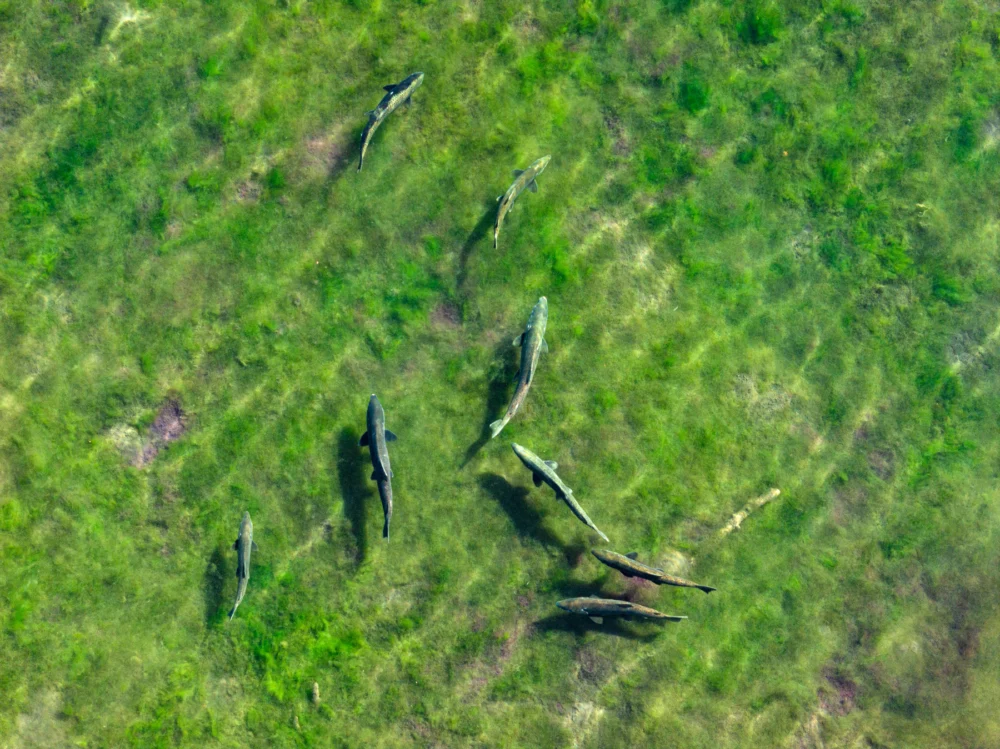
One year after the largest dam removal project in history, salmon have successfully returned to the headwaters of the Klamath River, a significant achievement marking their first appearance in these upper reaches in approximately 115 years. This monumental return is a testament to decades of Indigenous-led advocacy and a profound shift in ecological restoration, culminating in the dismantling of four dams that had long obstructed the river’s natural flow and the passage of its anadromous fish. The revitalization of the Klamath River ecosystem offers a powerful narrative of resilience and the enduring connection between Indigenous peoples and their ancestral lands and waters.

Amy Bowers Cordalis, in her newly released book, The Water Remembers, chronicles this intergenerational struggle to protect the Klamath and the Yurok way of life. The book weaves together memoir, historical narrative, rigorous legal analysis, and Yurok storytelling to illuminate Cordalis’s personal journey and pivotal role in the dam removal process. Her involvement began as a tribal fisheries intern witnessing the devastating 2002 fish kill, a stark reminder of the river’s plight, and evolved to her current position as general counsel for the Yurok Tribe. "I felt really compelled to write this at a time when it could end on such a high note, so that we could show the world how Indigenous resistance, Indigenous resilience, Indigenous knowledge, can lead to these massive victories," Cordalis stated, emphasizing the book’s core message of hope.
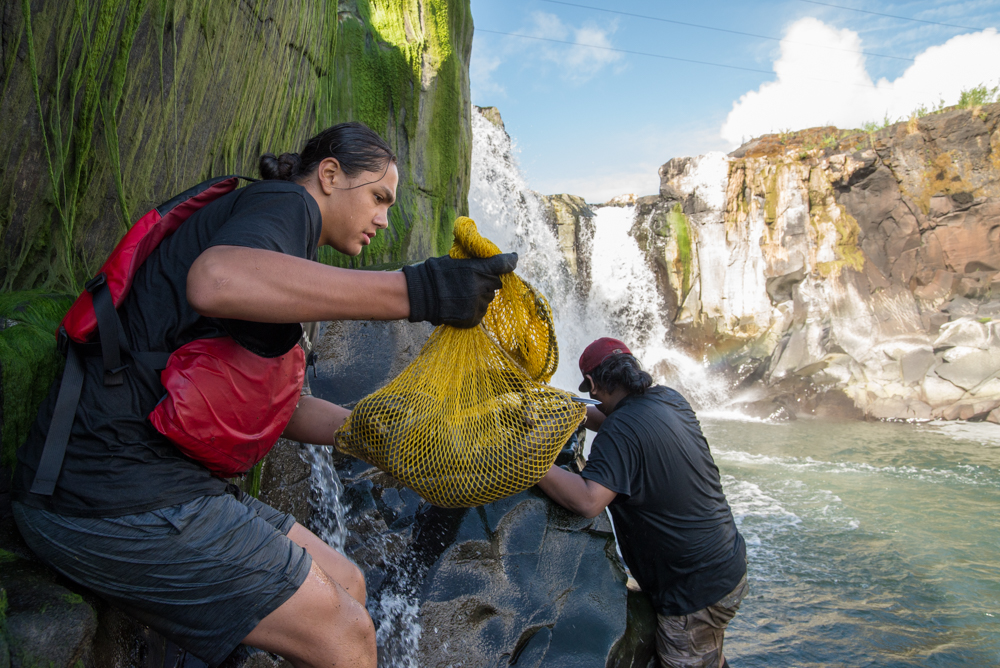
Cordalis recently participated in a hands-on restoration effort, tagging salmon on the river with members of her nonprofit, Ridges to Riffles, and staff from the Karuk Tribe. These collaborative initiatives are already yielding significant environmental benefits; approximately 19 billion native seeds have been replanted in the areas formerly submerged by reservoirs, and extensive projects are underway to restore 20,000 acres of vital spawning grounds, with restoration work projected to continue through 2028 and beyond. In an interview, Cordalis reflected on the profound significance of family, environmental stewardship, and the future trajectory of the Klamath River.

The research undertaken for The Water Remembers proved to be an intensely emotional experience for Cordalis, deepening her respect for the sacrifices and perseverance of her ancestors and previous generations. Their unwavering commitment to protecting their cultural heritage and way of life on the Klamath River laid the groundwork for the triumphs achieved today. Cordalis recounted the harrowing "fish wars" of her youth, a period of intense conflict where Yurok people, who had always fished as a fundamental part of their existence, were met with heavily armed federal marshals in riot gear. These clashes, characterized by violent confrontations over fishing nets, underscored the profound injustice and racial profiling inherent in the criminalization of their traditional practices. Despite these aggressions, the Yurok ultimately prevailed, reasserting their right to fish, a right that others enjoyed without such opposition. The book also draws upon oral histories recorded in the 1980s, providing intimate details from Cordalis’s family that enrich the historical narrative. The third section of the book delves into Cordalis’s personal story, offering a reflective appreciation of how past generations strategically positioned the Yurok Tribe to achieve the historic dam removal, a feat that represents the largest river restoration project ever undertaken. Cordalis hopes readers will experience the book as an epic, multigenerational journey culminating in a significant victory.
Cordalis drew parallels between her own experiences and those of her great-grandmother Geneva, who faced the destruction of Yurok lands by canneries and timber companies, and who, like Cordalis, witnessed significant ecological damage. Geneva’s act of bootlegging salmon during prohibition reflects a time of desperation and resistance. Cordalis’s own experience of witnessing the 2002 fish kill highlights a different, yet equally traumatic, moment of ecological devastation. For Cordalis, injustice served as a powerful catalyst for action, fueling her determination to excel in law school and dedicate herself to fighting for her people and the river. She views her response to trauma as a form of activism, channeling grief and pain into a relentless pursuit of legal and environmental justice.

The book aims to serve as an antidote to the current political and environmental crises, demonstrating that even the most marginalized communities can effect substantial change through collective action and strong coalitions. Cordalis emphasizes the importance of identifying common ground, supporting one another, and embracing the possibility of failure as an inherent part of the struggle, knowing that a single successful path can lead to victory. The removal of the Klamath dams and the subsequent return of salmon to Oregon exemplify this principle. Cordalis envisions her book as a blueprint, detailing the grassroots movement, legal strategies, and political alliances that led to this success, while also resonating on an emotional level to inspire readers. She acknowledges that the world faces critical challenges, but stresses the enduring power of persistent struggle, collaboration, and the unwavering commitment to achieve justice and healing, even in the face of setbacks.
Cordalis elaborated on the concept of stewardship, a principle deeply ingrained in Indigenous worldviews. She explained that being a steward means actively responding to the needs of the environment, whether it be a river, forest, wetland, or mountain. Indigenous peoples have historically served as stewards, adapting their practices to maintain balance with the natural world. The Yurok worldview posits that the land and water were created for humans and all creatures, with the responsibility to live in harmony, ensuring perpetual abundance. This perspective promotes sustainability and encourages a re-evaluation of humanity’s relationship with nature. Cordalis believes that by adopting this value system and acting as stewards, individuals can contribute to ecological well-being. Following the removal of the dams, the river’s immediate need is restoration. Through Ridges to Riffles, her nonprofit, Cordalis is actively involved in restoration projects in the former dam areas, leading an intertribal group that integrates traditional knowledge with modern science to guide these efforts. They are also advocating for a more natural hydrograph, responding to the river’s evolving needs and maintaining the delicate balance essential for its health. This role as stewards, she noted, is a profound honor.

Cordalis recounted a poignant childhood memory with her siblings, looking at the dams and wishing they could demolish them. This dream became a surreal reality when she was invited to press the detonator for the demolition of COPCO 1 Dam on her birthday. The experience was profoundly moving, transforming a long-held wish into a tangible act of liberation. For years, the dams represented a source of immense pain, akin to witnessing a loved one suffer with no apparent cure. The dam removal, therefore, signified a critical surgery, initiating a process of healing and recovery for the river. Cordalis described feeling tears of relief, believing she was shedding the accumulated grief of multiple generations, and that their ancestors, now at peace, recognized the profound impact of their sustained efforts. She emphasized that meaningful change is achievable for anyone through collaboration, a harmonious relationship with nature, and mutual respect.
The impact of the dam removal is already evident, with reports indicating a widespread return of salmon throughout the river system. Cordalis shared her personal experience of harvesting salmon in August, noting their increased size, resilience, and the sheer number of fish, which she hadn’t seen in years. Salmon have now journeyed past Iron Gate Dam, reaching Keno Dam, Link River Dam, Upper Klamath Lake, and into the Williamson and Sprague Rivers—a remarkable migration of approximately 300 river miles from the Yurok village of Rek-woi. This journey, though taking several months, is facilitated by the river’s significantly improved health, characterized by cooler, cleaner waters. The removal of the dams has also reconnected communities that were separated for over a century. The health of the fish now directly impacts communities from the mouth of the river all the way to the Wood River, fostering a sense of unity and providing an opportunity to re-examine intercommunity relationships. The Klamath River has historically been a site of conflict over water resources, and Cordalis hopes this shared success will encourage the rebuilding of communities and foster greater cohesion throughout the basin. She believes that the healing of the Klamath River, a vast body of water, mirrors the healing of the water within ourselves, reconnecting us to a healthier planet and reigniting a deep-seated longing for ecological balance. Engaging in meaningful causes, working in partnership with nature, and embracing stewardship, she concluded, fosters internal healing and allows for a profound remembrance of our connection to the natural world.