Rocky Georgio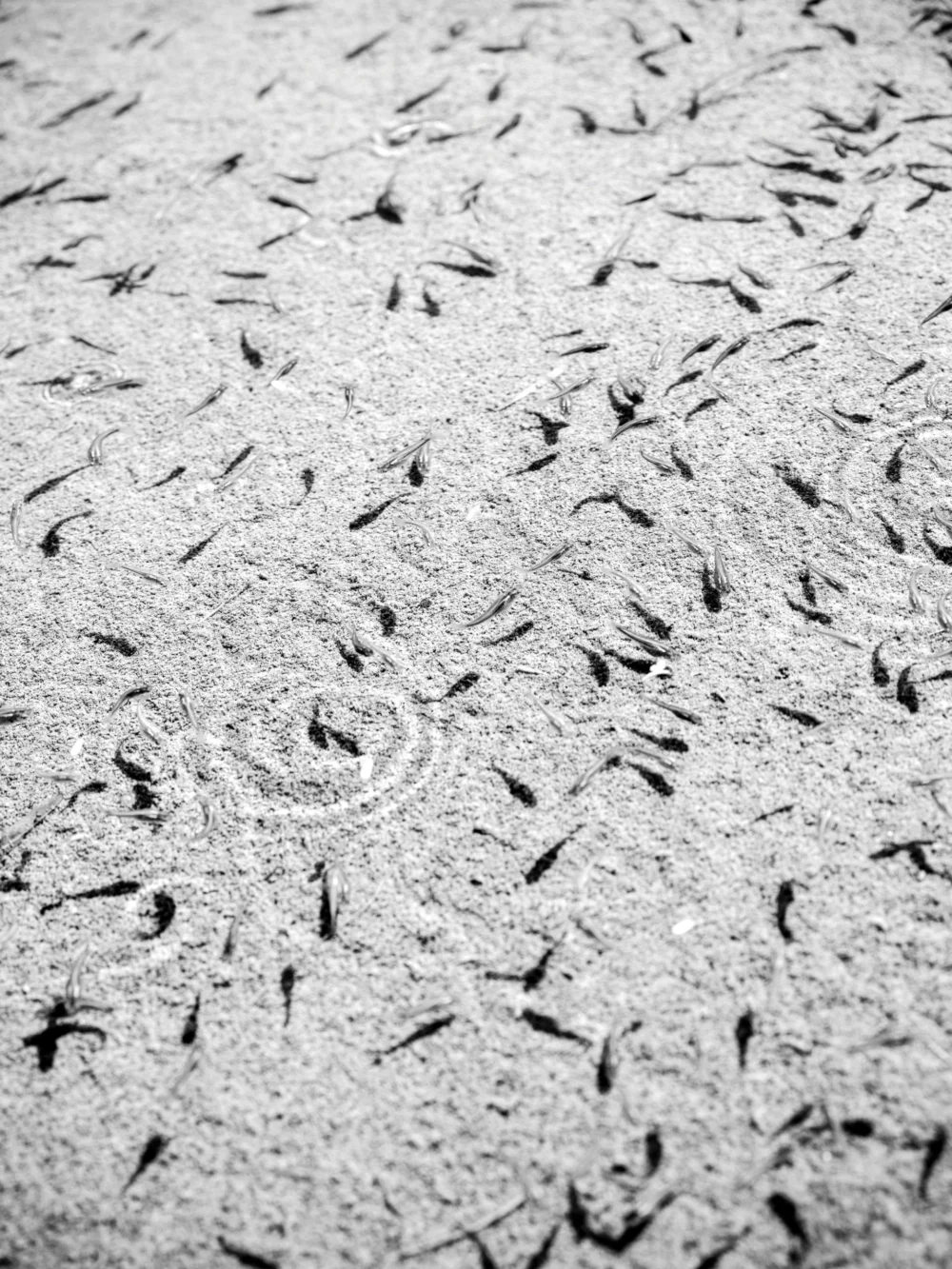
In Tucson, Arizona, a quiet yet profound ecological movement has been steadily taking root for decades, advocating for a reimagining and reconnection with local landscapes. Rather than solely focusing on restoring degraded habitats, this approach encourages embracing them in their imperfect realities, fostering a deeper, more authentic relationship with the natural world. This paradigm shift, deeply influenced by the environmental awakening of the 1960s and the subsequent conservation and ecological restoration efforts of the 1970s and 1980s, has evolved. Today, discussions around urban stretches of riparian corridors no longer center on "restoration" but on "reconciliation." This concept, termed "reconciliation ecology" and formalized in 2003, aims to bolster biodiversity within human-dominated landscapes, effectively serving as a form of conservation tailored for the Anthropocene.
Angel Antonio Breault, a fourth-generation Tucsonan, grew up near the upper reaches of the region’s floodplain, a place he initially perceived as merely a ditch. However, his studies in ecology and his Sunday visits to the Santa Cruz River, where he sought out birds and wildflowers, sparked a personal connection to the waterway. This burgeoning relationship led him to co-create the community initiative "Reconciliation on the Santa Cruz River." This endeavor distinguished itself from earlier environmental campaigns by prioritizing a reimagining of human-nature relationships over a strict restoration of the landscape.
The seeds of this movement trace back to the 1960s, a period marked by growing awareness of air and water pollution, and environmental crises such as oil spills and pesticide use, which galvanized local environmentalists. By this time, unchecked development had led to the widespread over-extraction of surface and groundwater, resulting in dry streambeds and rivers for most of the year. While Phoenix, located two hours to the north, continued its rapid expansion with new housing developments, several local non-profit organizations and community groups in Tucson formed coalitions to advocate for slower urban growth. Within a decade, Tucson had implemented a strategy of purchasing farmland west of its city limits, effectively taking it out of production to alleviate pressure on groundwater pumping. This consolidation also led to the merging of smaller water systems into the city-managed Tucson Water, establishing a valley-wide infrastructure and a unified approach to water resource management.
This proactive stance on water conservation extended to public awareness campaigns. In 1977, the city launched its inaugural "Beat the Peak" campaign, designed to educate residents about peak water usage times and promote the use of reclaimed wastewater for landscape irrigation. By 1984, Tucson had become a pioneering city in the nation, implementing the recycling of treated wastewater for use in parks and golf courses. The persistent efforts of activists advocating for slower development eventually coalesced into a powerful coalition. This group called for the protection of habitats for 44 vulnerable, threatened, and endangered species, the establishment of bond-funded land conservation programs, and a robust system for preserving open spaces and mitigating impacts on critical riparian habitats. Their advocacy culminated in the adoption of the Sonoran Desert Conservation Plan by the Pima County Board of Supervisors in October 1998. This landmark plan set forth two primary objectives: safeguarding endangered species and imposing significant development restrictions. Over time, its impact has broadened, encompassing environmental restoration, wildlife crossings, and stormwater harvesting initiatives.
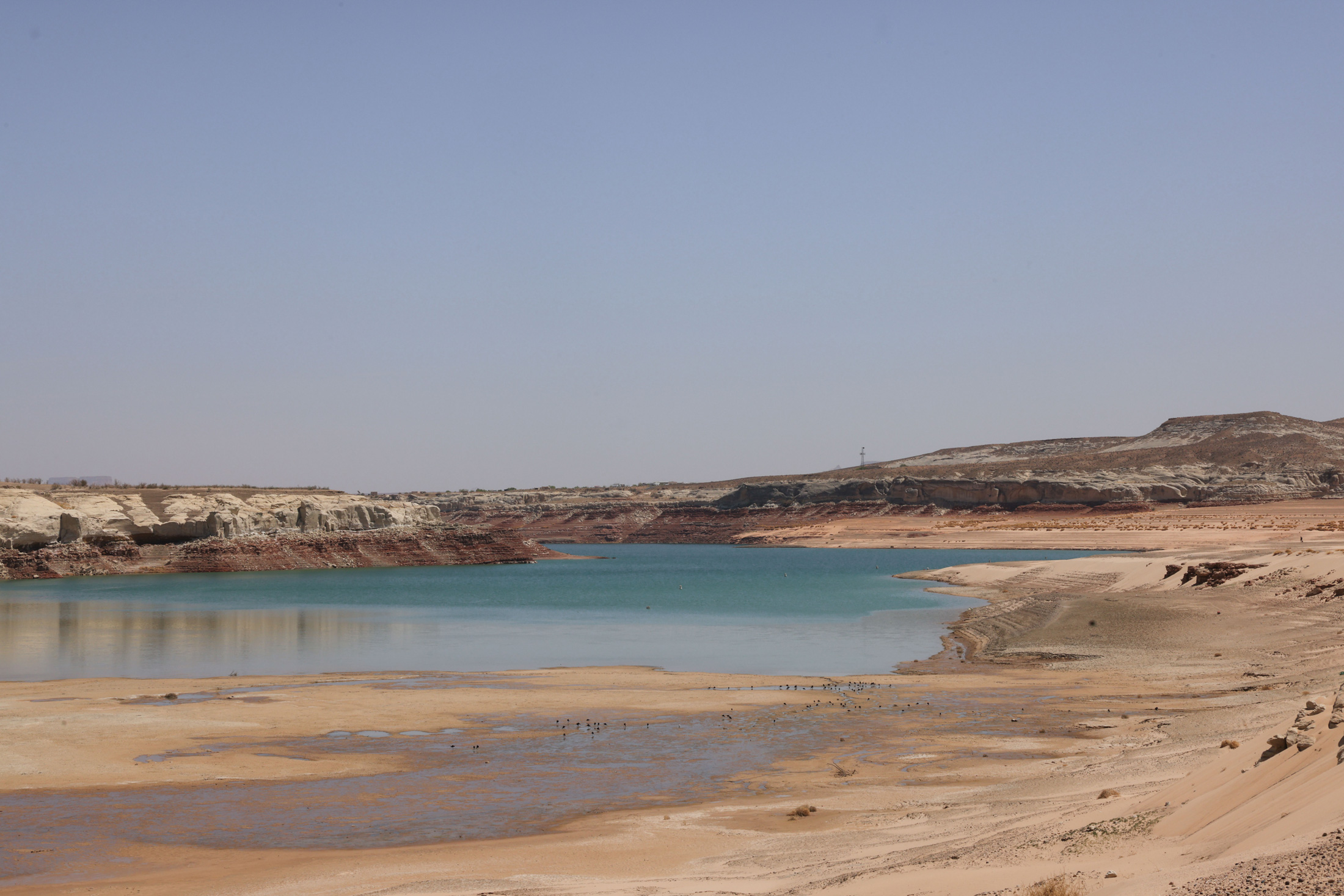
The 200-mile-long Santa Cruz River, which flows through Tucson en route from northern Mexico, serves as a compelling example of how Tucsonans have been at the forefront of urban conservation. As development accelerated in the early 20th century, the river’s course through the city was devastated by overgrazing, groundwater pumping, and infrastructure construction, leading to its complete drying up by the 1950s. Decades later, local ecologists, much like their predecessors, recognized the urgent need to champion the river and the communities that depend on it. However, Breault and his peers found that restoring the Santa Cruz, choked with debris and ravaged by drought, to conventional scientific or conservationist standards seemed insurmountable. They sought a different path: reconciliation.
Breault views the Santa Cruz River as a "portal," a means for individuals to explore the authentic relationships they already possess with the natural world. He emphasizes the effectiveness of participatory programs, stating, "We know the best way to engage people is through participatory programs. People don’t need to be hand-held." Breault believes that fostering individual connections with nature, regardless of its past impact or mistreatment, is paramount. Even severely degraded and arid ecosystems like the Santa Cruz have the potential to sustain life and thrive.
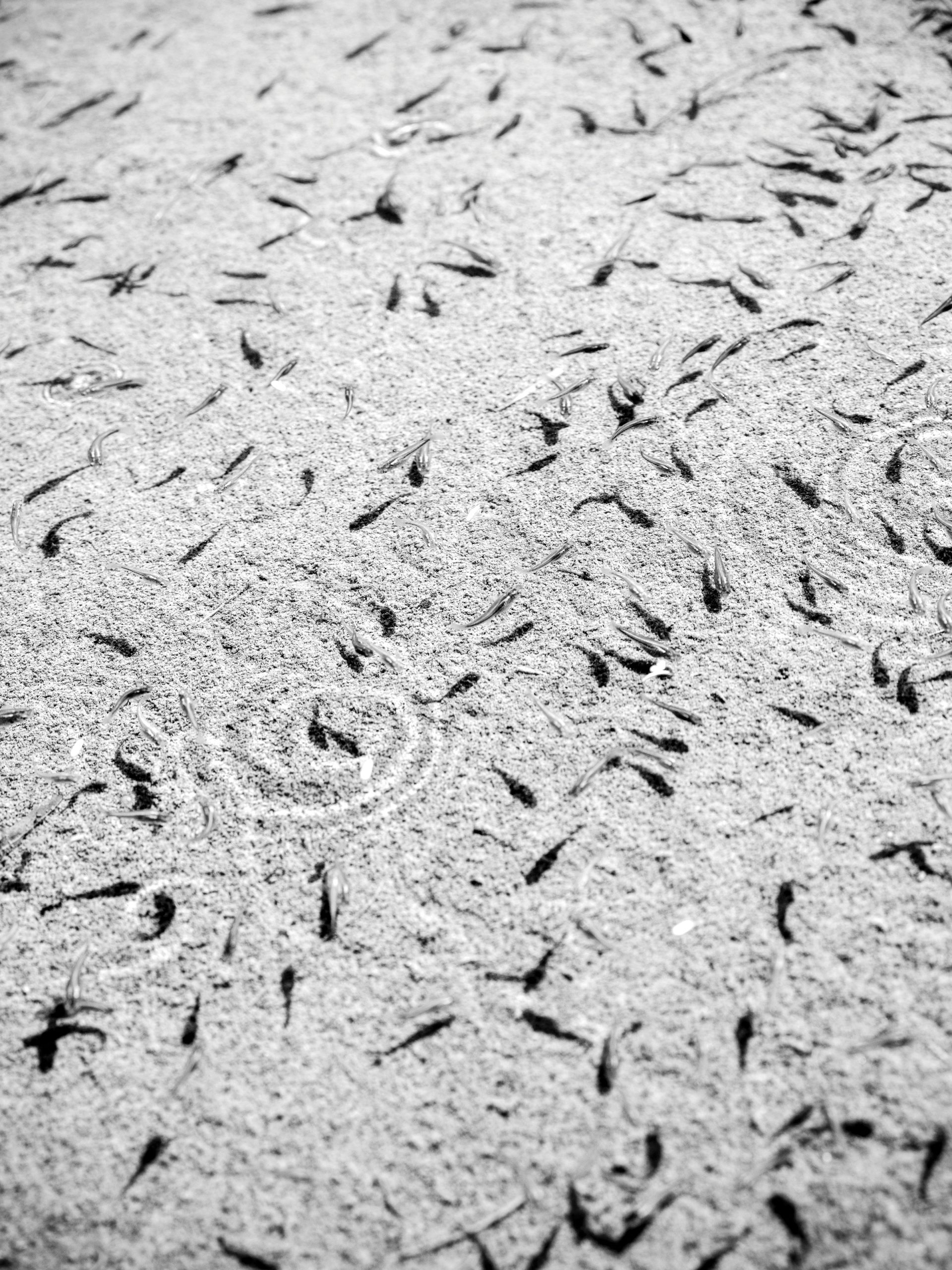
A notable instance of this reconciliation in action occurred in late 2017 when the endangered Gila topminnow was discovered downstream of the Nogales International Wastewater Treatment Plant. To help replenish the aquifer and its riparian habitat, Tucson Water began diverting up to 10 million liters of recycled water into the river, south of the city center. A collaborative effort involving scientists from the Arizona Game and Fish Department and the University of Arizona resulted in the careful relocation of over 700 Gila topminnow from upstream to a release point near downtown Tucson, where the once-polluted river had been entirely dry.

This initiative, undertaken in 2020, has led to a modest but significant resurgence of the river. Today, the Santa Cruz flows for approximately one mile near downtown Tucson. While some sections are ephemeral, others are perennial, creating a dynamic and ever-changing landscape. The river flows robustly after monsoon rains, and even in their absence, the steady discharge of treated wastewater is sufficient to support the re-emergence of wetlands and marshes. Cottonwood trees, absent for over six decades, are returning, the Gila topminnow is reproducing, and an additional 40 native animal and plant species have made a comeback.
The return of the river has also brought back the people, who participate through organized cleanups, impromptu invasive plant removals, or simply by observing the returning wildlife. Breault encourages engagement, suggesting, "Get in line. Do what you do best; tell stories." He envisions a series of gatherings along the river, ranging from writing workshops and art-creation sessions to interpretive nature walks. He also notes other community-led events, underscoring the collective nature of this effort: "We don’t have to do it all. The river knows. We just have to be there together." This philosophy of shared presence and individual contribution forms the heart of reconciliation ecology, demonstrating that even in landscapes profoundly shaped by human activity, a harmonious coexistence is not only possible but actively being cultivated.