Joko Susilo
The CAP analysis reveals that the pristine water supplies for over 13 million Americans originate directly from watersheds situated within or flowing downstream of these national monuments. A striking 83% of the water traversing these protected public lands lacks any alternative formal safeguards beyond their monument designations, underscoring the precariousness of their environmental protections. Furthermore, the report highlights that national monuments collectively preserve more than 21,000 miles of vital waterways across the U.S., a figure that nearly doubles the combined mileage protected under the esteemed National Wild and Scenic Rivers System, emphasizing their unparalleled contribution to aquatic conservation.
This critical report emerges amidst a prevailing policy landscape where the current Trump administration is actively considering the downsizing or complete revocation of several national monument designations. This posture mirrors actions taken during the former Trump administration, which pursued an aggressive agenda aimed at expanding access to public lands for resource extraction. In a notable instance earlier this year, the administration initially announced plans to eliminate California’s Chuckwalla and Sáttítla Highlands national monuments, although this language was subsequently removed from a White House fact sheet, indicating the contentious nature and political sensitivity of such decisions. Subsequent reports, including one from The Washington Post in April, detailed the administration’s contemplation of reducing or rescinding protections for at least six other national monuments. Further solidifying this stance, the U.S. Department of Justice issued an opinion in June asserting the president’s authority to unilaterally rescind national monument designations, a significant departure from decades of established legal interpretation regarding the Antiquities Act.
The precedent for such actions was firmly set during the previous Trump administration, which dramatically reduced the size of both Bears Ears and Grand Staircase-Escalante national monuments – designations originally established by the Obama and Clinton administrations, respectively. These controversial decisions faced widespread public opposition and legal challenges, ultimately leading to their full restoration by President Joe Biden upon taking office. The current administration’s renewed focus on these lands signals a potential return to these contentious policies, reigniting concerns among environmental advocates, Indigenous communities, and water security experts.
Should national monuments be downsized or eliminated, the areas surrounding their waterways would lose critical protections from the detrimental impacts of extractive industries, including oil and gas drilling, hardrock mining, and large-scale grazing. Such industrial activities pose substantial risks of contamination, where pollutants like heavy metals, acid mine drainage, and chemical byproducts could readily seep into streams and subsequently into larger river systems, compromising water quality for downstream communities. Moreover, these industries often demand vast quantities of water for their operations, a particularly acute concern in arid regions already grappling with diminishing supplies. While some limited and highly regulated mining and grazing activities are permitted within certain national monuments, their scale and environmental oversight are significantly more stringent than those outside protected areas. The removal of monument status would likely usher in a less regulated environment, exacerbating environmental risks.
Drew McConville, a senior fellow for conservation policy at the Center for American Progress and a co-author of the report, underscored the intrinsic link between terrestrial landscapes and aquatic health. "Landscapes and waterways go hand in hand," McConville explained, emphasizing that "the clean water depends on what comes into them from natural lands… Just protecting the wet stuff itself doesn’t guarantee that you’re keeping [water] clean and durable." This perspective highlights the holistic nature of watershed protection, where the integrity of the surrounding land is paramount to the purity and sustained flow of water resources.
A particularly concerning finding of the CAP analysis relates to social equity and climate change vulnerability. The report found a disproportionately higher percentage of historically marginalized communities residing within the watersheds of the studied national monuments compared to the national average. These communities often possess fewer resources to mitigate the impacts of water contamination or scarcity, making them acutely vulnerable to policy changes that weaken environmental protections. Compounding this vulnerability, 23 of the national monuments examined are located in regions projected to experience severe water shortages in the coming decades due to the accelerating effects of climate change. The degradation of these monument lands would further exacerbate drought conditions and water stress in already parched downstream regions, intensifying competition for dwindling resources and threatening regional stability.
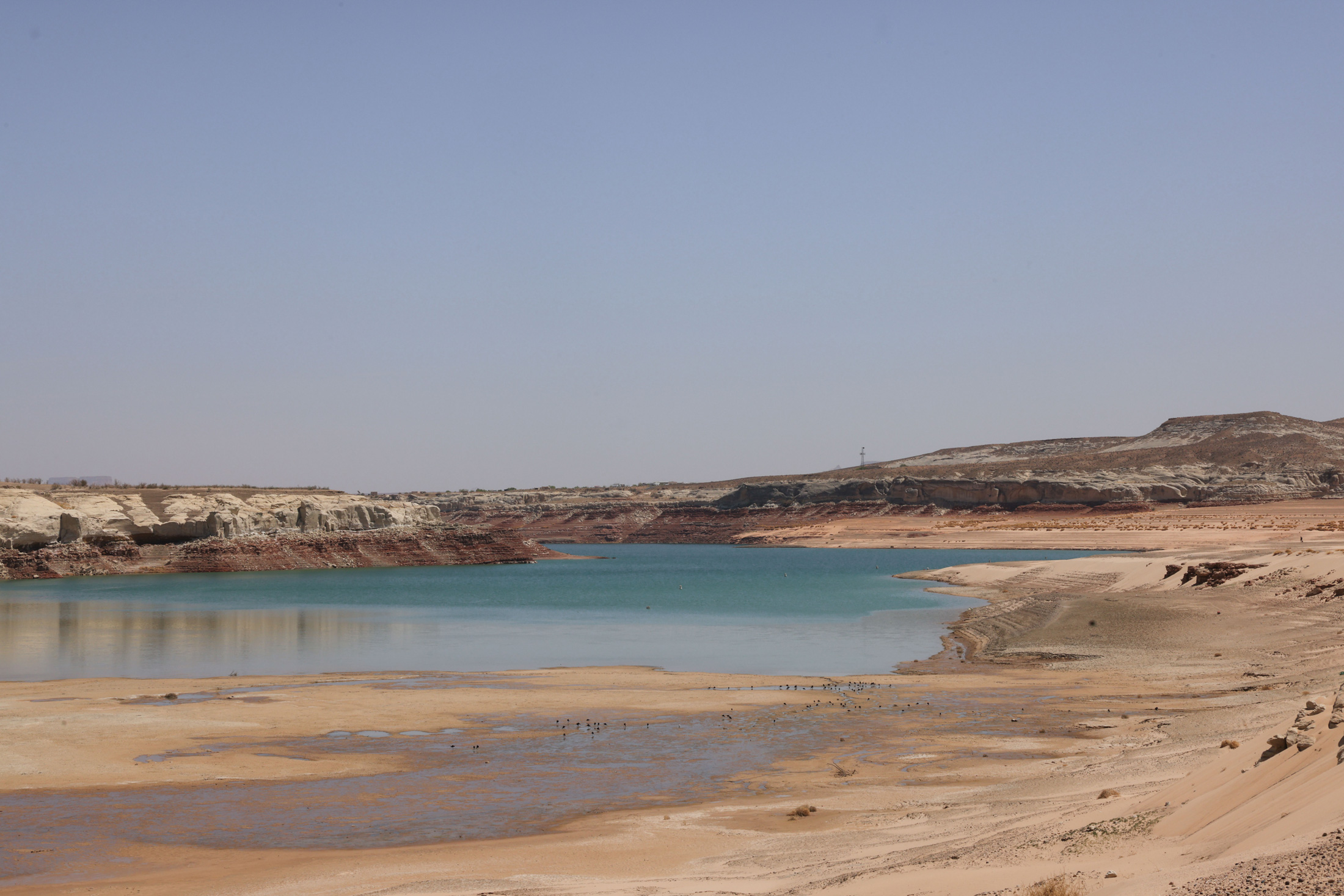
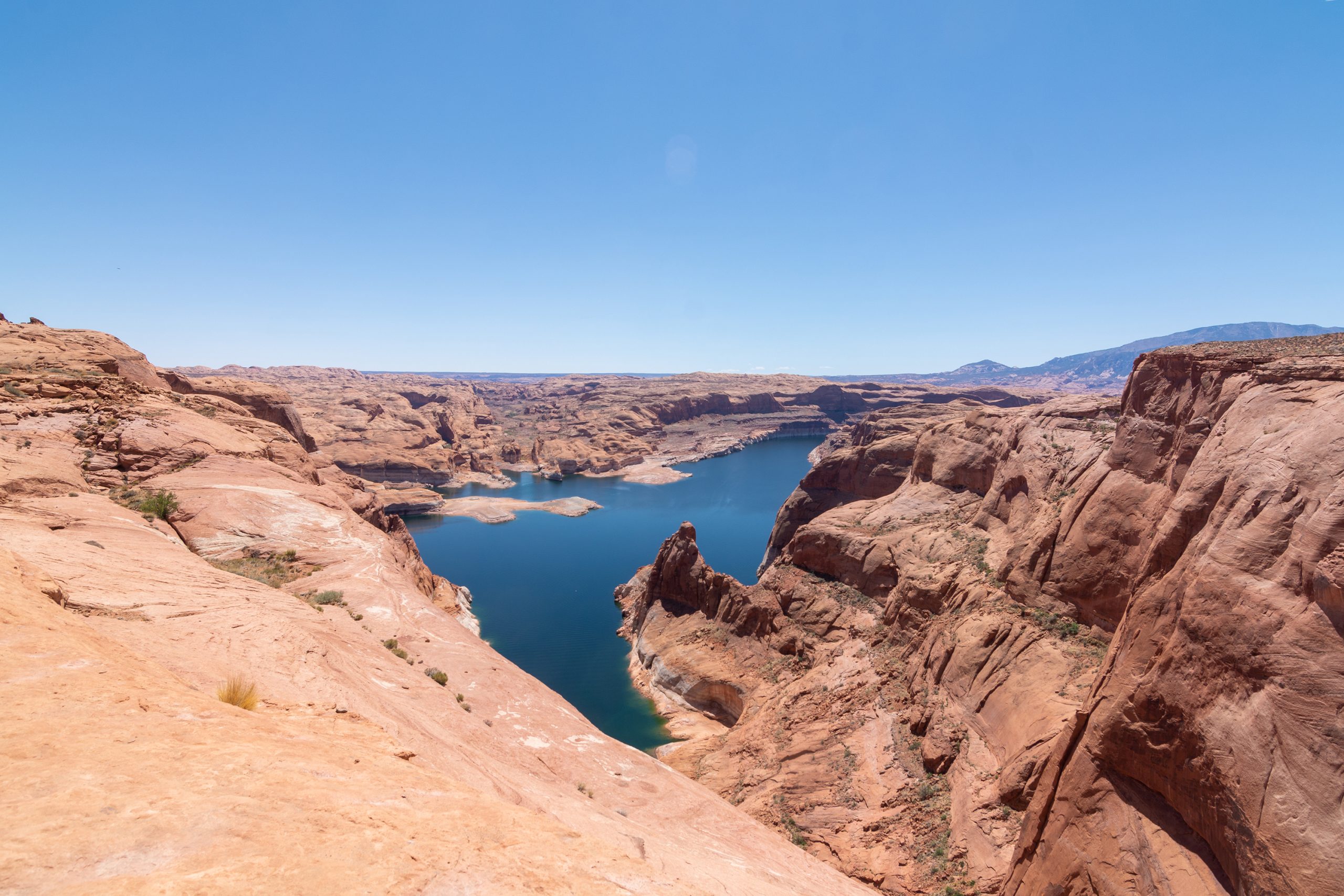
The Grand Staircase-Escalante National Monument in southern Utah serves as a potent illustration of these multifaceted threats and the critical importance of monument protections. The CAP analysis reveals that this vast monument alone safeguards an astonishing 2,517 miles of waterways, yet nearly 90% of its internal watersheds are anticipated to face significant declines in water levels due to climate change. Geographically, the monument straddles the Upper and Lower Colorado River Basins, with significant tributaries like the Paria and Escalante rivers flowing through its boundaries, and the nation’s second-largest reservoir, Lake Powell, situated just to its south. Despite its common perception as a sparse, arid expanse, Grand Staircase-Escalante plays an indispensable role in the health of the Colorado River System, a lifeline for millions of people across the American Southwest. It acts as a natural sponge, slowing the release of meltwater from the snowpack accumulated on the Paunsaugunt Plateau within nearby Bryce Canyon National Park, regulating flow and recharging aquifers in a region perpetually thirsty for water.

Jackie Grant, the executive director of Grand Staircase Escalante Partners, a nonprofit dedicated to the monument’s protection, emphasized this often-overlooked aspect. "People don’t think of water when they think of Grand Staircase-Escalante National Monument," Grant noted, highlighting how framing the monument’s value through its water resources strengthens the conservation argument. "Because not only is it important for the animals, the native plants, the geology and the paleontology, water plays a huge role in the monument, and the monument protects the water itself." This monumental landscape, spanning 1.87 million acres of public land, is celebrated for its unparalleled paleontological sites, rich biodiversity, and breathtaking geology. However, it also harbors significant deposits of valuable minerals, including a nine-billion-ton coal deposit and reserves of uranium and nickel, creating an inherent tension between conservation and resource extraction. Grant cautioned that allowing mining in the monument’s central sections would "be very easy to contaminate either one of those rivers," posing an unacceptable risk to critical water sources.
Margaret Walls, a senior fellow at Resources for the Future who has extensively studied national monuments, though not involved in this specific report, echoed the sentiment that the water protection benefits of these designations are often overlooked. She pointed out that while national monuments are typically established to preserve cultural or historical landmarks, their ecological services, particularly in safeguarding water, are equally profound. Walls underscored that even if monument protections are diminished, the lands generally remain under federal ownership, meaning their status change does not automatically guarantee widespread development. Yet, the loss of specific protective measures can dramatically alter management priorities and expose sensitive ecosystems to greater risks. "We don’t protect waterways the way we do land," Walls observed, concluding that "we’re going to get those water benefits by protecting the land."
The debate over national monuments transcends mere land management; it touches upon fundamental questions of public health, environmental justice, and long-term water security in an era of accelerating climate change. These protected areas are not merely scenic vistas but constitute essential natural infrastructure, providing invaluable ecosystem services that underpin human well-being and ecological resilience. As the nation grapples with growing water scarcity and the increasing frequency of extreme weather events, the role of national monuments in preserving clean, abundant water supplies becomes ever more critical. The ongoing policy shifts and legal challenges surrounding their designations underscore the imperative for a robust and sustained commitment to conservation, ensuring that these vital landscapes continue to provide life-sustaining resources for current and future generations. The fate of these monuments will significantly shape the environmental and economic future of millions, impacting everything from drinking water quality to regional biodiversity and the resilience of communities in the face of a changing climate.