Rocky Georgio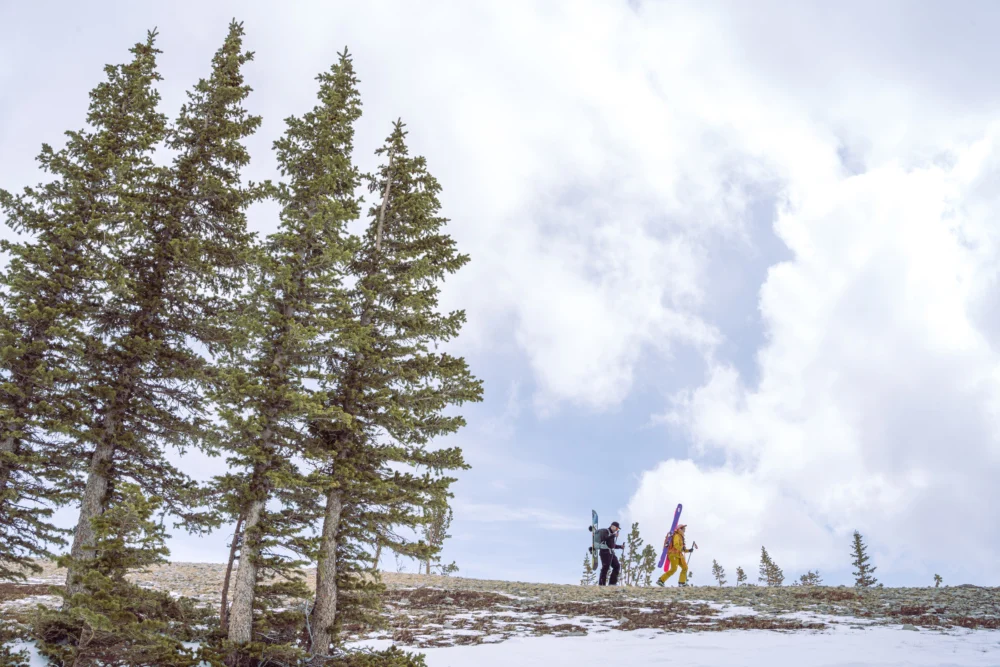
The distinct sound of precipitation on the roof, a rhythm usually associated with the heavy embrace of winter snow in the Rocky Mountains at 7,000 feet, arrived instead as a familiar late November rain. Expectations for a significant storm, one local meteorologists promised could deliver up to six feet of snow, dwindled as the forecast was repeatedly downgraded. By the time the weather system moved eastward, only a scant few inches had graced the highest elevations, leaving the landscape remarkably bare as the winter solstice drew nearer. This recurring pattern of unfulfilled snow forecasts is transforming the once-joyful anticipation of winter into a source of growing apprehension.
For years, the arrival of early winter across the Western United States ignited a genuine excitement, a vibrant anticipation that began with tracking storms rolling in from the Pacific. The race among Colorado’s high alpine ski resorts to be the first to open, or the gradual descent of the snowline in the Pacific Northwest, were markers of a season beginning in earnest. However, this year, that familiar excitement has been overshadowed by a pervasive sense of dread. The promise of a storm now triggers a different kind of adrenaline, a visceral unease accompanied by a tightening in the stomach when precipitation fails to materialize. As a dedicated skier, one’s personal well-being becomes intricately linked to the vagaries of winter weather systems, making the absence of snow a deeply personal and increasingly worrying indicator of broader environmental shifts.
This personal connection to the weather, while perhaps appearing to be a fixation on a recreational pursuit, serves as a crucial barometer for observing larger climatic patterns. Skiers, often characterized by their rituals, superstitions, and fervent hope for snowy conditions, engage in a collective, albeit informal, form of atmospheric prayer. Practices like attending pre-season "ski-burning" bonfires or even washing one’s car are testament to this deeply ingrained desire for winter’s embrace, a symbolic attempt to influence nature’s course, even while acknowledging the futility of such actions in the face of scientific reality. This yearning for snow, however, stems from two distinct, yet interconnected, motivations: the purely personal and the profoundly sustainable.

The desire to ski, a cherished activity that has provided a sense of weightlessness, speed, and profound connection to the natural world since childhood, is a powerful personal driver for wishing for snowy winters. Yet, the compulsive checking of SNOTEL sites, which monitor snowpack, and ski area base depth reports transcends mere personal recreation. These actions reveal an awareness of a larger, evolving environmental narrative. While skiing might appear to be a superficial pastime, the profound impact of changing winter patterns on this sport serves as a tangible and compelling illustration of a shifting climate. The ability to engage in movement, or the stark lack thereof due to insufficient snowfall, highlights vulnerabilities and underscores the potential losses associated with environmental degradation, revealing how little control individuals ultimately possess over these powerful forces.
The repercussions of a diminished winter are already being felt acutely across the Western United States. Ski resorts are experiencing significant disruptions, with many, including Winter Park, Colorado, forced to postpone their opening dates. Deer Valley in Utah, for the first time in its history, also delayed its season start. This lack of natural snowfall, compounded by insufficient cold temperatures for artificial snowmaking, has a cascading effect on economies heavily reliant on winter tourism. Beyond the economic impact, however, lies a more critical consequence: the diminishing snowpack represents a vital component of the region’s water supply.
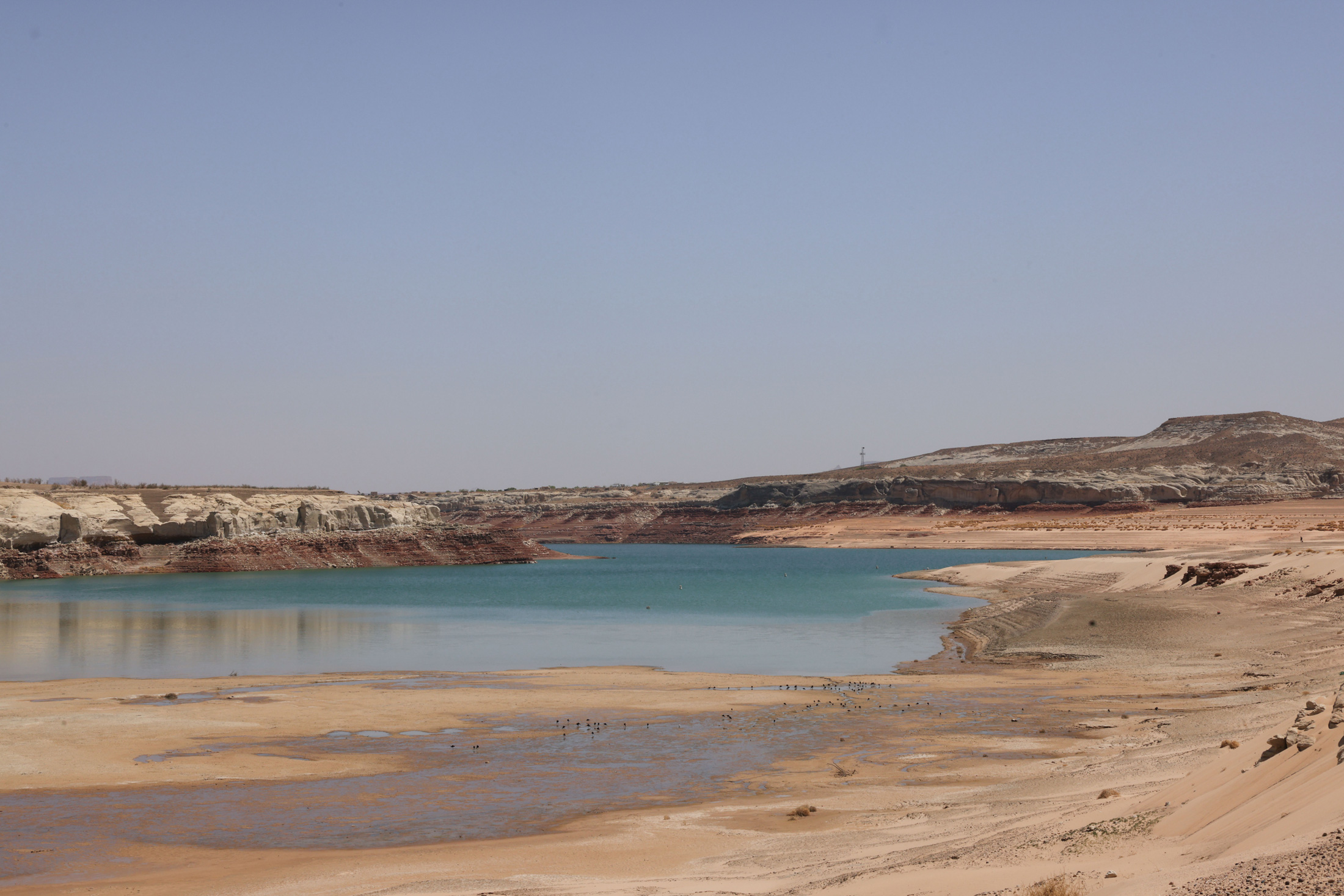
Currently, nearly every region in the Western U.S. is grappling with drought conditions. Data from the National Water and Climate Center’s map of snow-water equivalent, as of December, shows vast areas colored red, with snowpack levels falling below 50% of the historical average in many locations. This alarming trend underscores the critical role snow plays as the West’s most significant source of water. The prolonged dry spell follows a scorching summer marked by widespread wildfires that encroached upon communities. Last winter’s similarly dry conditions exacerbated the existing long-term drought, creating a precarious situation for water resources. Ski resorts are already engaged in complex negotiations over water rights for snowmaking, highlighting the growing competition for this increasingly scarce resource. The lack of adequate snowfall not only jeopardizes winter recreation but also amplifies the risks of wildfires and threatens food security, while intensifying existing, and often contentious, disputes over water allocation from vital river systems.
The interconnectedness of these issues becomes increasingly apparent when viewed through the lens of activities like skiing, which serves as a potent symbol of how the entire Western ecosystem is undergoing profound transformation. A conversation with a ski guide recently underscored this growing concern. When asked about his professional anxieties, he responded with a grimace, stating, "I’m not quite worried yet." While this sentiment may reflect a degree of professional optimism, for many, the worry has already set in.

Observing the steady decline of reservoir levels and the expanding predictions of drought intensifies this concern. Memories of last winter’s challenging, icy ski turns and the preceding summer’s absent monsoons, with the ever-present threat of wildfire, serve as stark reminders of the escalating climate crisis. The experience of waiting for snow that never arrives is becoming a recurring narrative, a testament to the changing weather patterns.
Despite the unsettling data and the present reality, it is important to acknowledge that the winter season is still in its nascent stages. The possibility remains for a shift in weather patterns, with storms potentially accumulating and delivering much-needed precipitation. However, current projections from the National Weather Service indicate a weak and wavering La Niña, suggesting that a significantly snowy winter may be unlikely. The inherent flexibility within natural systems offers a glimmer of hope, allowing for continued optimism when gazing at the sky. While predicting the future remains an uncertain endeavor, the historical record and present observations provide a clear indication of the challenges ahead. Therefore, the act of "praying for snow" takes on a deeper, more urgent meaning, encompassing not only personal desires but also a profound concern for the region’s ecological health and the sustainable future of its vital water resources.