Roger Danuarta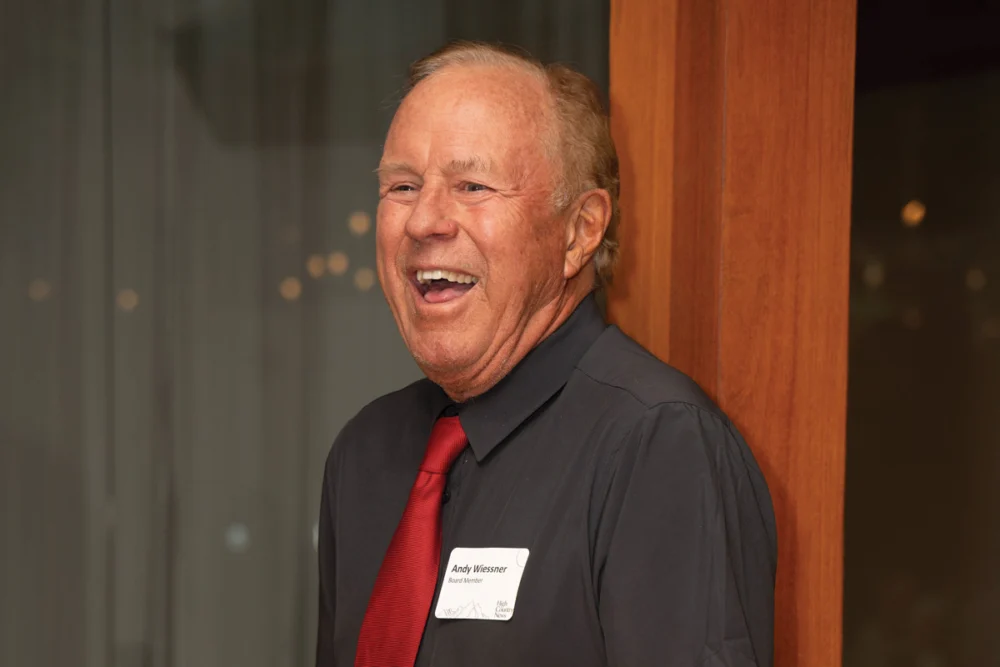
After an extraordinary 40 years of dedicated service to High Country News and eight decades enriching the planet, Andy Wiessner, a revered wilderness advocate, shrewd land negotiator, and steadfast ally to the publication, steps down from its board of directors. His departure marks the close of an era defined by unwavering commitment to protecting the American West, leaving an indelible legacy on both the landscape and the institutions championing its future.
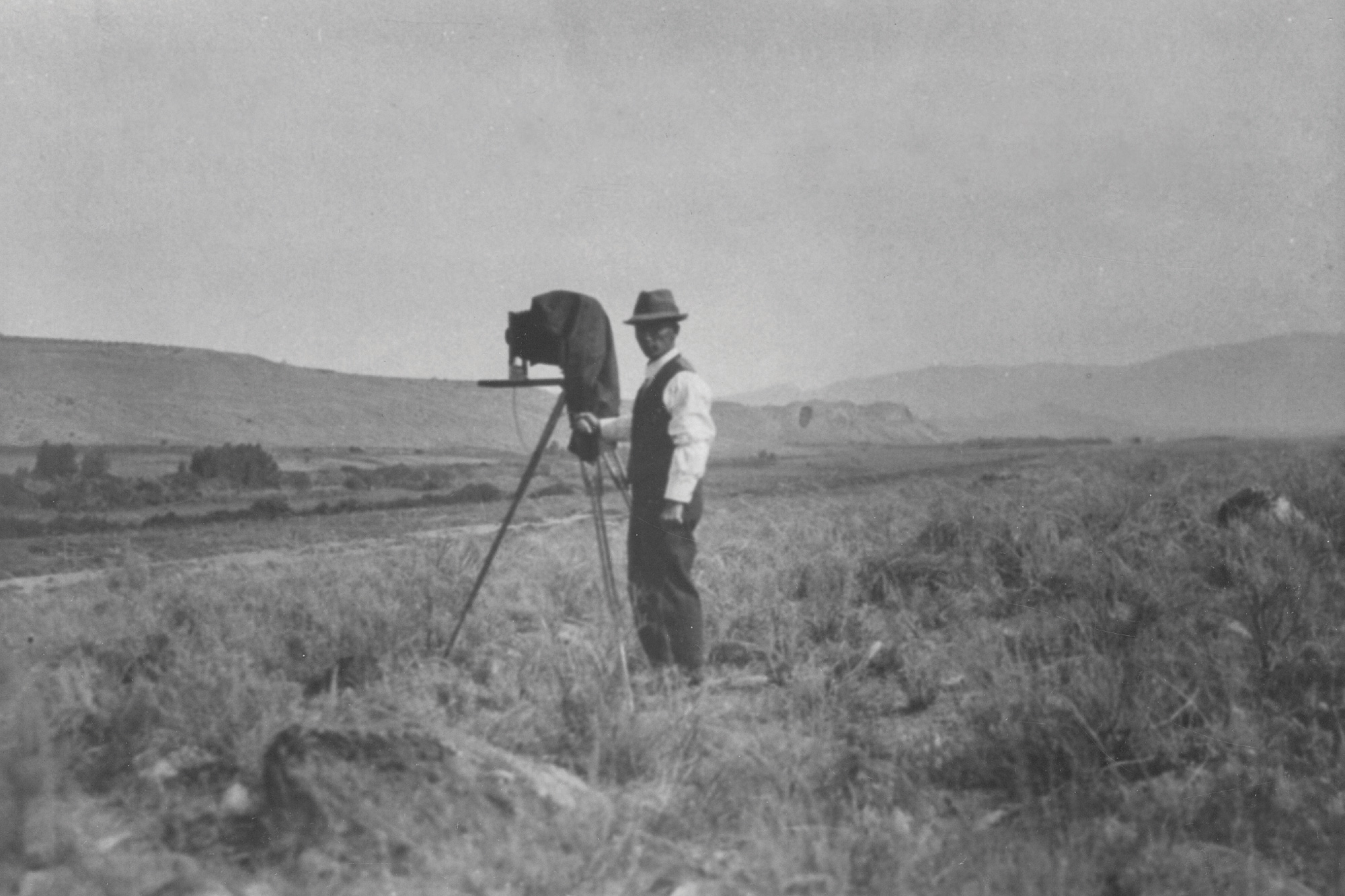
Wiessner’s deep connection to the natural world began in the pristine North Country woods of Stowe, Vermont, where he attended a quintessential one-room schoolhouse. Under the nurturing, free-spirited guidance of his mother, Muriel, he and his sister explored the wilderness with a freedom that forged an early, profound bond with untamed spaces. This formative experience was complemented by the rigorous, adventurous spirit of his father, Fritz Wiessner, a legendary figure in pioneering rock climbing. Fritz Wiessner, known for his daring first ascents and for introducing European climbing techniques to America, instilled in young Andy a reverence for high places, even if the method of ascent sometimes proved daunting. Andy often recounted the teenage experiences of being "dragged up all kinds of horrible peaks in the Alps," including the formidable Schreckhorn in Switzerland, whose name, aptly translated as the "horn of terror," hints at its challenging nature. While he developed a lifelong passion for mountaineering and alpine environments, he candidly admitted that the technical intricacies of rock climbing never quite captured his heart in the same way, preferring instead the expansive solitude of the high country.

Equipped with an undergraduate degree from Dartmouth College, an institution renowned for fostering intellectual curiosity and a connection to the outdoors, and a Juris Doctor from Boston University, Wiessner journeyed to Washington, D.C., in 1974. This period represented a pivotal moment for environmental policy in the United States, often referred to as the "heyday of wilderness protection," following the landmark Wilderness Act of 1964. As a congressional staffer, he found his calling working for Ohio Representative John Seiberling, a visionary Democrat who chaired the influential House Subcommittee on Public Lands. Seiberling recognized Wiessner’s unique blend of legal acumen and firsthand wilderness experience, enlisting him to play a crucial role in the painstaking process of identifying and surveying Western lands proposed for federal protection. This demanding task often involved extensive aerial reconnaissance, traversing vast, remote territories by airplane or helicopter to assess their suitability for inclusion in the National Wilderness Preservation System. For Wiessner, these challenging expeditions were not merely a job; they were a profound privilege, a sentiment he encapsulated by declaring, "I had the best job in the world."
Indeed, the impact of his work during this period was monumental. A writer for High Country News in 1985 remarkably posited that Andy Wiessner might have contributed more than any other individual to the preservation of wildlands across the Western United States. Representative Seiberling himself corroborated this extraordinary claim, stating that during his five-year tenure leading the subcommittee, they successfully shepherded legislation that designated over 200 new wilderness areas across 34 states, collectively adding a staggering 64 million acres to the National Wilderness Preservation System. To put this into perspective, this expanse is roughly equivalent to the entire land area of the United Kingdom or the state of Oregon, a testament to the immense scale of the conservation efforts. Seiberling’s emphatic assertion that "Andy Wiessner has worked on every acre" underscores the depth of his involvement and the critical, often unsung, role he played in shaping America’s enduring wilderness heritage. These protected lands stand today as vital ecological havens, biodiversity strongholds, and cherished recreational spaces for millions, a direct result of the legislative groundwork laid by Wiessner and his colleagues.
After his impactful tenure on Capitol Hill, Wiessner chose to relocate West, deepening his commitment to land stewardship by joining the Western Land Exchange Company, now known as the Western Land Group. This specialized firm focuses on public-private land swaps, a complex and often controversial mechanism used to consolidate land ownership, resolve checkerboard land patterns resulting from historical railway grants, and achieve conservation objectives. Wiessner consistently maintained that in the deals he helped broker, "the public always got good land out of the deal." He often cited a significant trade he orchestrated with Plum Creek Timber Co., a major timberland owner, involving checkerboard lands surrounding the ecologically sensitive Alpine Lakes Wilderness in Washington’s Central Cascades. This exchange aimed to consolidate public ownership within the wilderness area, enhancing its ecological integrity and management. However, the nature of these transactions, particularly when involving private interests, sometimes generated considerable public debate and controversy, highlighting the inherent tensions in land management.

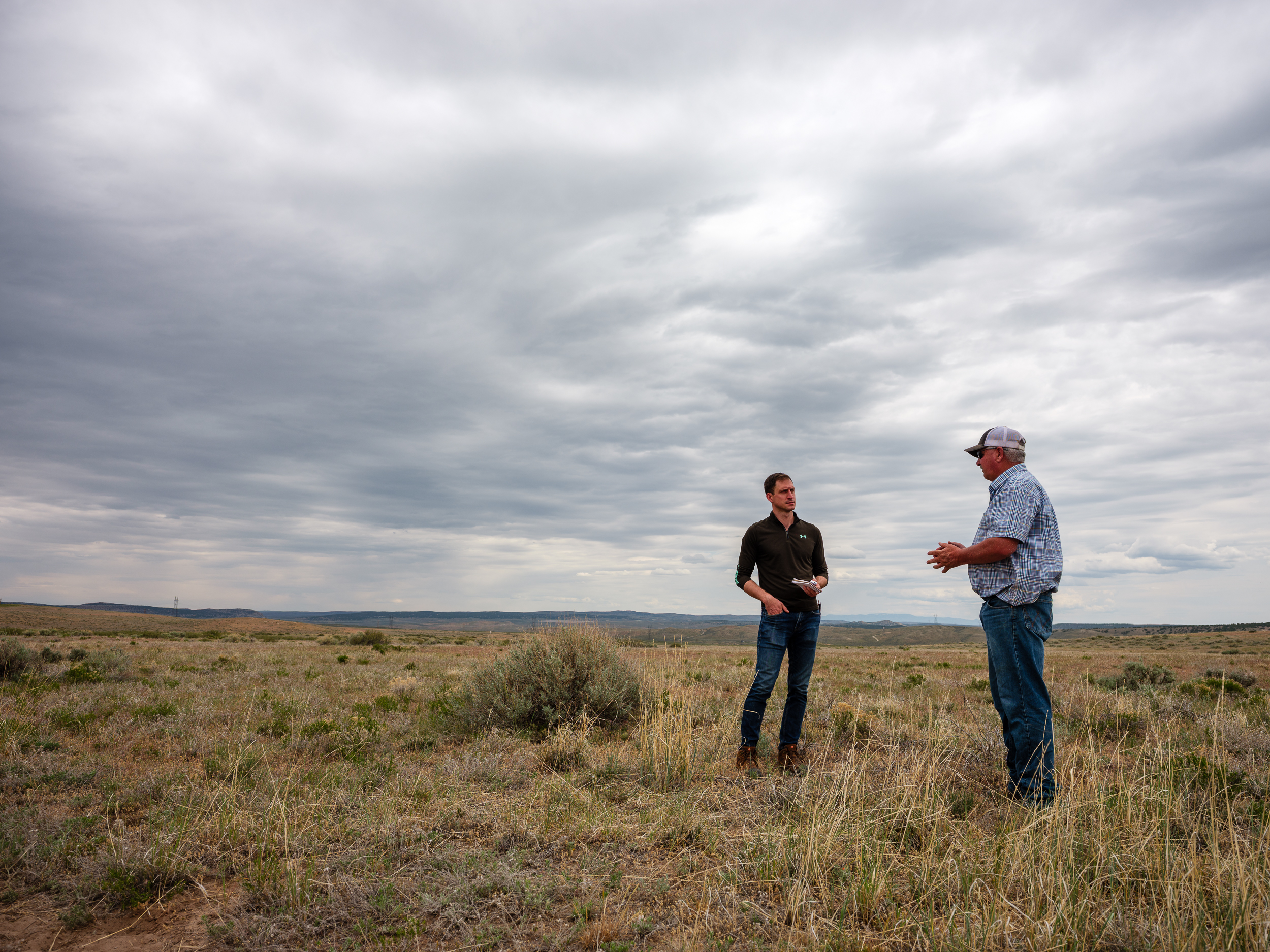
One such instance placed Wiessner in direct opposition to his long-standing friends, Ed and Betsy Marston, the former publisher-editor team who were instrumental in shaping High Country News into a leading voice for the West. The proposed land trade in question involved Western Colorado, where Wiessner was representing billionaire Bill Koch. Wiessner passionately argued that the exchange would transfer invaluable wildlife habitat surrounding Blue Mesa Reservoir, a critical resource in the Gunnison Basin, into public hands, thereby ensuring its long-term protection. However, the deal also threatened to block a popular, established trail providing access to the pristine Raggeds Wilderness, a beloved recreational area. Ed Marston, a staunch advocate for public access and transparency in land dealings, became an outspoken opponent, articulating strong reservations about the proposal. While the controversial deal ultimately fell apart, a testament to the power of public outcry and principled opposition, the deep personal friendship between Wiessner and the Marstons endured. Yet, Betsy Marston’s perspective on such land trades remained unwavering and critical. She famously articulated her enduring skepticism, writing, "What it taught me was that land trades are usually proposed by the wealthy, and they are almost always bad for the public." Her statement encapsulates a broader concern within conservation circles about the potential for private gain to overshadow public benefit in complex land transactions.
Beyond his direct work in land conservation, Andy Wiessner played an indispensable role in strengthening High Country News itself. Betsy Marston and other colleagues frequently lauded his exceptional fearlessness and effectiveness as a fundraiser, a critical attribute for any independent nonprofit media organization. In the early 1990s, he proved instrumental in rallying the essential donations needed to acquire the building in Paonia, Colorado, which would serve as the publication’s dedicated headquarters for decades. This physical space not only provided a home for its editorial operations but also symbolized the organization’s deep roots in the rural West it covered. Years later, as the staff embraced a more decentralized model, dispersing across the vast Western landscape to better cover its diverse communities and issues, the sale of that very building once again proved beneficial. The proceeds were strategically reinvested, enabling High Country News to robustly rebuild its digital infrastructure, crucial for a modern media outlet, and to underwrite the initial years of its pioneering family, medical, and emergency leave program for employees—a testament to its progressive values. Remarkably, a corner office within that historic Paonia building still serves as a vital hub for the organization’s Customer Service team, maintaining a tangible link to its past while propelling its future.
Wiessner’s fellow board members, both past and present, consistently highlighted his lifelong passion for the West and his profoundly generous spirit. Dan Luecke, who served as board president in the 1990s, eloquently stated that Andy "fit perfectly with HCN’s motto — a publication ‘for people who care about the West.’ He did care deeply while at the same time not trying to impose his will — something that can happen with volunteer board members of public interest and nonprofit groups." This observation speaks volumes about Wiessner’s collaborative approach and his respect for the journalistic integrity and mission of the organization. Wayne Hare, who served on the board from 2008 to 2021, echoed these sentiments, describing Andy as "one of the kindest people that I have ever known," underscoring the personal warmth and genuine empathy that defined his contributions.

Beyond his formal duties, Wiessner’s legendary hospitality became a cherished aspect of his relationship with High Country News. For years, his welcoming home in Old Snowmass, Colorado, transformed into a de facto bed and breakfast, offering comfort and camaraderie to visiting staff and board members. He consistently delighted in hosting fundraisers, often leading the kitchen team in crafting his signature crostini appetizers and, after the last guest had departed, sharing his beloved pear brandy in intimate conversation. One particularly memorable evening in 2021 saw a grand celebration for the publication’s 50th anniversary, with a hundred people gathering under a festive wedding tent on his front lawn, a vibrant testament to the community he fostered and the deep loyalty he inspired.
When asked about his plans for the future following his retirement from the board, Andy Wiessner remains true to the core principles that have guided his entire life: he will continue to channel his energy into the vital work of protecting wild places. His philosophy has evolved into a clear, resolute stance on conservation, articulated with characteristic directness: "The older I get, the more I’m a fan of simply locking up lands. Because once we lock them up, human beings can’t fuck with them anymore." This sentiment reflects a seasoned understanding of the relentless pressures facing natural environments globally and a conviction that definitive protection is often the most effective and lasting solution. His lifelong journey from a free-roaming child in Vermont’s woods to a pivotal figure in national wilderness legislation and a dedicated advocate for Western lands culminates in this unwavering commitment to safeguarding the planet’s most precious, wild corners for generations to come. High Country News, and indeed the entire conservation community, will forever remain grateful for Andy Wiessner’s profound contributions to the American West, eagerly anticipating the continued impact of his advocacy as the organization prepares to welcome new voices to its board.