Rocky Gerung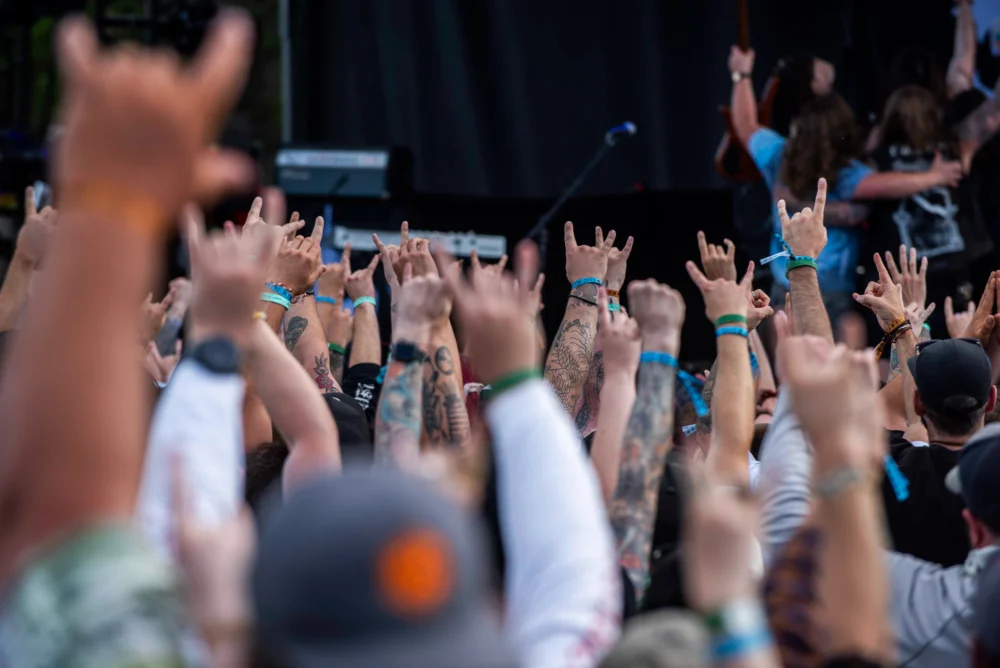
In the heart of Montana’s Blackfeet Nation, a powerful movement is taking root, using the raw energy of heavy metal and hardcore music not just for entertainment, but as a vital force for community healing and youth empowerment. This initiative, centered around the Buffalo Hide Academy and the annual Fire in the Mountains festival, addresses critical issues facing Indigenous teenagers, most notably the pervasive threat of suicide. The project began with a journalistic curiosity: why do so many Indigenous individuals, including myself, feel a profound connection to the often intense and cathartic world of metal music? While initial attempts to explore this through touring bands proved unsuccessful, an unexpected opportunity arose, revealing a far deeper and more impactful story than anticipated.
The genesis of this endeavor involved a collaboration between educators and a burgeoning music festival, demonstrating a commitment to fostering well-being within the community. Teachers at the Buffalo Hide Academy in Browning, Montana, launched an innovative heavy music symposium, introducing Piikunii teenagers to the intricacies of hardcore and heavy metal. This educational program was not merely an academic exercise; it was intrinsically linked to the Fire in the Mountains festival, even creating internship opportunities for students to actively participate in the festival’s organization and execution. The overarching goal was to provide a supportive environment for Indigenous youth grappling with immense pressure, particularly the devastating impact of suicidal distress.
The personal resonance of this issue for those involved underscores the profound significance of this initiative. The desire to encourage young people to persevere and find reasons to live is a driving force behind the program. Witnessing firsthand the educational process within the classroom, understanding the curriculum designed to engage these students, and experiencing the vibrant atmosphere of the festival were all integral to grasping the scope of this story. The hope was to find a substantial concentration of Indigenous metal fans, a demographic that the journalist had initially sought out, to illuminate the unique relationship between this music and Indigenous culture.

The Fire in the Mountains festival itself proved to be an exceptionally rewarding, albeit demanding, reporting experience. Days were long and physically taxing, often stretching to fourteen hours, with a multitude of individuals to interview and a vibrant music scene to document. Despite the exhaustion, the opportunity to witness compelling performances was immense, though a few sets were regrettably missed due to the overwhelming demands of coverage. The initial approach involved directly engaging attendees, a simple but effective method of identifying Indigenous metal enthusiasts: "Hey, are you an Indigenous metalhead? Can I interview you for a magazine?" The overwhelming openness and willingness of people to share their stories, even when discussing the deeply personal impact of suicide on their lives, friends, and families, was profoundly moving. These individuals recounted tender narratives of grief and resilience, highlighting the life-saving power of music. In the interludes between bands, the journalist diligently sought out Indigenous musicians, interviewing both established artists and emerging talents, many of whom have since garnered admiration and fandom. Morning conversations over breakfast at the Two Medicine Grill in East Glacier Park, shared with photographer Russel Daniels, provided further insight from locals and fellow festival-goers, painting a comprehensive picture of the diverse crowd drawn to this remote Montana town for the weekend’s festivities. The sheer volume of compelling material gathered presented a unique editorial challenge, a testament to the richness of the experience.
The editing process for this narrative was particularly arduous, demanding a delicate balance between raw emotion and journalistic integrity. Initial plans to incorporate statistical data on suicide were ultimately abandoned, as such clinical analysis felt reductive and inappropriate in the context of deeply personal human experiences. The focus shifted to capturing the authentic voices of those affected, recognizing that these young individuals are not mere statistics but complex human beings with profound stories to tell. A particularly poignant moment emerged from a lakeside panel discussion where musicians candidly shared how heavy music had served as a source of solace and strength. The transcript of this panel alone offered a wealth of moving, insightful, and even humorously delivered reflections, making the task of selecting only a few quotes for publication a difficult one.
During the panel, Ivar Bjørnson of the band Enslaved offered a striking observation on the prevailing climate of suspicion and fear, contrasting it with the potential for genuine human connection found within the metal community. He lamented the societal tendency to approach strangers with apprehension, noting, "That’s fucking horrible… It should be like the metal community. It should be like ‘Oh, a human, awesome. Let’s explore (our) backgrounds and learn something.’” Similarly, Chelsea Wolfe contributed valuable insights into the detrimental effects of Western cultural norms and the crucial importance of embracing vulnerability and allowing oneself to express sadness when needed.
An earlier draft had contemplated including a scene depicting a unique listening party held on a hillside overlooking a breathtaking vista. This event saw several hundred metalheads gathered amidst tall grass to be among the first to experience the new album "Blackbraid III" prior to its official release, followed by an engaging Q&A session with frontman Jon Krieger. The story also briefly mentioned Region Sauvage, a catering company that provided barbecued duck and buffalo for ticketed lunches. Chef Thomas Fitzgerald of Region Sauvage articulated a powerful sentiment regarding his culinary choices: "we’re not a cattle country," a statement that resonated deeply with the narrative’s exploration of Indigenous identity and connection to the land.

Despite the richness of these additional elements, editorial constraints necessitated a focused approach. The narrative had to accommodate the dramatic arrival of a thunderstorm, which prompted a swift evacuation of the stage area, humorously attributed by some attendees to the spectral presence of Ozzy Osbourne. Crucially, the core of the story remained centered on the voices of students and Indigenous metal fans, their perspectives on the genre and its cultural significance, and their engagement with suicide prevention efforts.
The challenge of quoting students ethically, especially when dealing with sensitive topics and potentially traumatized minors, was carefully considered. Adhering to established ethical reporting standards, the decision was made to use anonymized quotes to ensure the safety and privacy of the young individuals. This approach allowed for the most responsible and impactful presentation of their experiences. The original journalistic question, "Why do Natives like metal so much?" was finally answered, not with a singular, simplistic explanation, but with a tapestry of thought-provoking theories. While a part of the journalist secretly hoped for a direct acknowledgment of the ongoing struggles of colonization, the reality offered a more nuanced and eloquent set of perspectives, often delivered with the characteristic directness and colorful language of rock music enthusiasts. This experience served as a valuable reminder that genuine reporting often challenges preconceived notions and fosters a deeper understanding for both the storyteller and the audience.
The profound sense of hope and connection engendered by the festival was an unexpected and transformative experience. Upon returning home, the initial draft of the article flowed rapidly over the subsequent days, fueled by a potent mix of inspiration and emotion. Sleep was scarce as paragraphs were typed through tears, punctuated by walks to process the transcendent nature of the event and to devise the most effective way to convey its emotional impact to readers. This piece represents some of the most heartfelt work ever published, a testament to its deeply personal significance.
For those wishing to support the vital work being done, resources are available. The Firekeeper Alliance offers avenues for donation and engagement, including opportunities to purchase merchandise that directly benefits their cause. Furthermore, the Fire in the Mountains festival continues to grow, with tickets for the upcoming summer event now available for purchase. Attending the festival offers a chance to experience this unique cultural fusion firsthand and to contribute to a movement that is making a tangible difference in the lives of Indigenous youth. The shared passion for heavy music serves as a powerful catalyst for healing, resilience, and a brighter future.