Roger Danuarta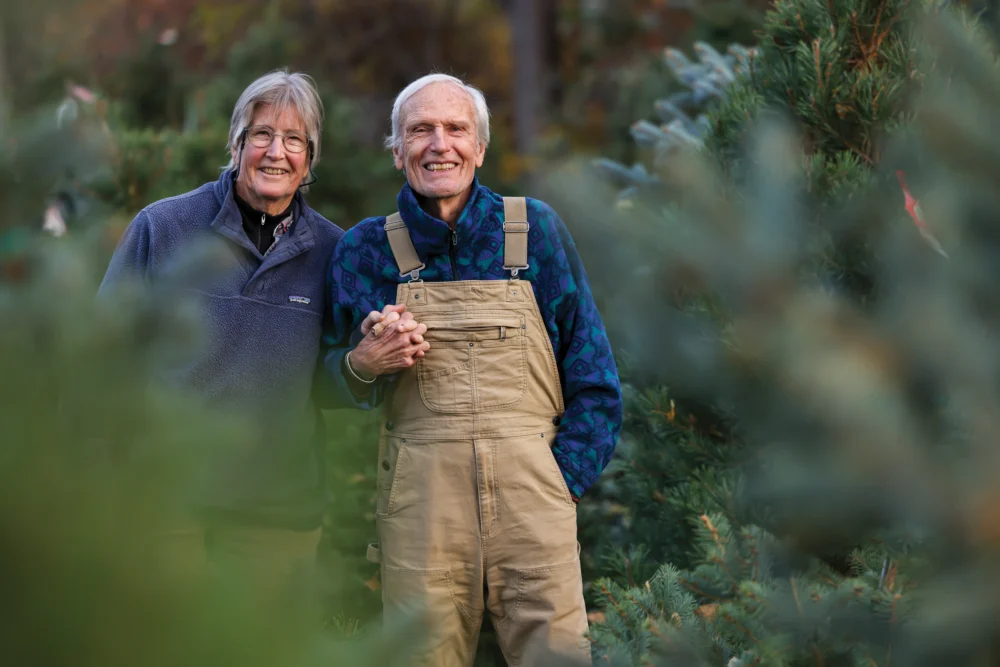
In the heart of Boulder, Colorado, where the towering Rocky Mountains cast long shadows and the high-desert climate presents formidable agricultural hurdles, Elizabeth Black and Christopher Brown are nurturing a unique endeavor: Your Neighborhood Christmas Tree Farm. Their modest one-acre plot, home to approximately 1,000 carefully tended seedlings, stands as a testament to local entrepreneurship, environmental stewardship, and the enduring appeal of a cherished holiday tradition. This isn’t merely a business; it’s a mission to green the local landscape and provide a fresh, sustainably grown alternative to the vast majority of Christmas trees typically trucked thousands of miles into the state.
Colorado’s environment, renowned for its breathtaking beauty, is notoriously challenging for cultivators of evergreen species like those favored for holiday decorations. The state endures a significantly shorter growing season compared to more humid, temperate regions, coupled with limited precipitation and often harsh temperature fluctuations that can stress young trees. High altitude, intense solar radiation, and alkaline soils further complicate cultivation, making the prospect of a local Christmas tree farm a daunting one. Black and Brown, however, have embraced these adversities, viewing them not as insurmountable obstacles but as opportunities to innovate and demonstrate resilience. They acknowledge that most festive evergreens adorning Colorado homes originate from vast commercial operations in the Pacific Northwest or the Appalachian states, incurring significant transportation costs and a substantial carbon footprint. Their response is a commitment to hyper-local production, ensuring that each tree travels mere miles, not thousands, to its final destination.
The philosophy underpinning Your Neighborhood Christmas Tree Farm is deeply rooted in sustainability. Their initial motivation was dual-pronged: to contribute to environmental well-being by planting more trees and to foster a local, accessible source for a beloved seasonal custom. Every seedling planted on their Boulder acreage actively sequesters carbon dioxide from the atmosphere, contributes to local air quality, and provides nascent habitat, aligning with broader global efforts to combat climate change through reforestation and sustainable land management. The decision to maintain a relatively small scale—1,000 trees on one acre—allows for an intensive, hands-on approach, ensuring that each sapling receives meticulous care and attention. This personalized cultivation contrasts sharply with industrial-scale farming, where individual tree health can often be a secondary concern.

Their harvesting model further underscores their commitment to ecological balance. By cutting only around 100 trees each season, Black and Brown operate on a rotational basis, ensuring the farm remains a living, growing ecosystem rather than a clear-cut commodity landscape. This selective harvesting allows the remaining trees to mature, continuously absorb carbon, and contribute to the farm’s overall biodiversity. It’s a closed-loop system where replenishment is inherent to the process, a stark contrast to the environmental impact of artificial trees, which are typically made from petroleum-based plastics, often manufactured overseas, and are not biodegradable at the end of their lifespan, ultimately contributing to landfill waste for centuries. The local, renewable nature of Black and Brown’s operation provides a tangible, eco-conscious choice for consumers increasingly seeking sustainable options.
The economic viability of such a small-scale, high-care operation in a competitive market hinges on more than just the product; it relies heavily on the experience and community connection it offers. In an era where consumers are increasingly prioritizing authenticity and a direct link to producers, Your Neighborhood Christmas Tree Farm thrives by providing a memorable, family-oriented experience. The highlight of their year, as the owners attest, is witnessing families, particularly those with young children, embark on the joyful quest to find their "perfect" tree. This interaction transforms a simple purchase into a cherished memory, forging deeper community bonds and reinforcing the cultural significance of the Christmas tree as a symbol of hope, renewal, and togetherness. This agritourism aspect, where the farm becomes a destination for seasonal festivities, not only supports the farm financially but also educates the public about sustainable agricultural practices and the value of local sourcing.
The story of Black and Brown resonates with a global movement towards local food systems, sustainable consumption, and a re-evaluation of our connection to nature. Across the world, small-scale farmers are innovating to address local needs while confronting the escalating impacts of climate change, from water scarcity in arid regions to unpredictable weather patterns globally. Their Boulder farm serves as a micro-example of how dedicated individuals can cultivate both a product and a community spirit, demonstrating that even in challenging environments, sustainable practices can flourish with careful planning and passionate commitment. As droughts intensify and water resources become scarcer across the American West and beyond, the methods employed by such farms—potentially including drought-resistant varieties, efficient irrigation techniques, and soil health management—become increasingly vital models for climate adaptation in agriculture.
Ultimately, Your Neighborhood Christmas Tree Farm is more than just a place to buy a holiday centerpiece. It represents a living commitment to environmental responsibility, a defiant stand against the logistics of mass production, and a heartwarming dedication to community tradition. Elizabeth Black and Christopher Brown are not just growing trees; they are cultivating a sustainable future, one carefully nurtured seedling and one joyful family memory at a time, proving that even in the most demanding conditions, a green dream can take root and flourish. Their work offers a beacon of hope for conscious consumption and local resilience in a world grappling with complex environmental and economic challenges.