Johny Prima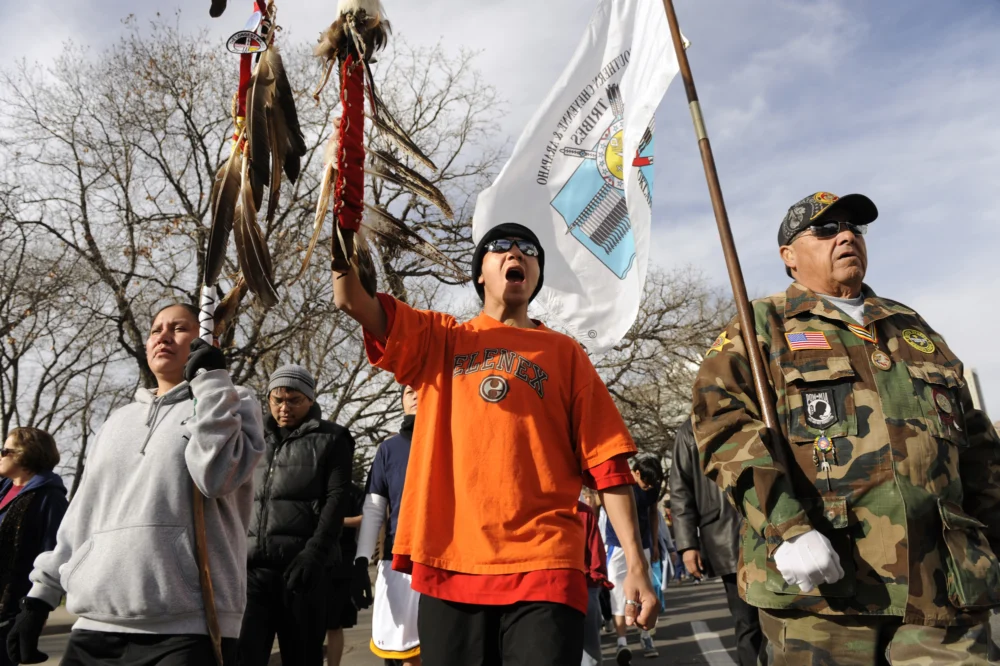
The enduring anguish of historical atrocities does not dissipate with time; it demands active acknowledgement and meticulous care, a profound truth underscored annually as descendants of the Sand Creek Massacre conclude their Spiritual Healing Run on the very steps of the Colorado State Capitol. This powerful pilgrimage, steeped in remembrance and resilience, culminates at the symbolic heart of the state’s governance, a poignant reminder that while the past is immutable, its legacy can be transformed. An empty pedestal on the Capitol’s west plaza now awaits a beacon of this transformation, a void that, once filled, promises to mark the most pivotal stride in Colorado’s ongoing journey toward genuine reconciliation.
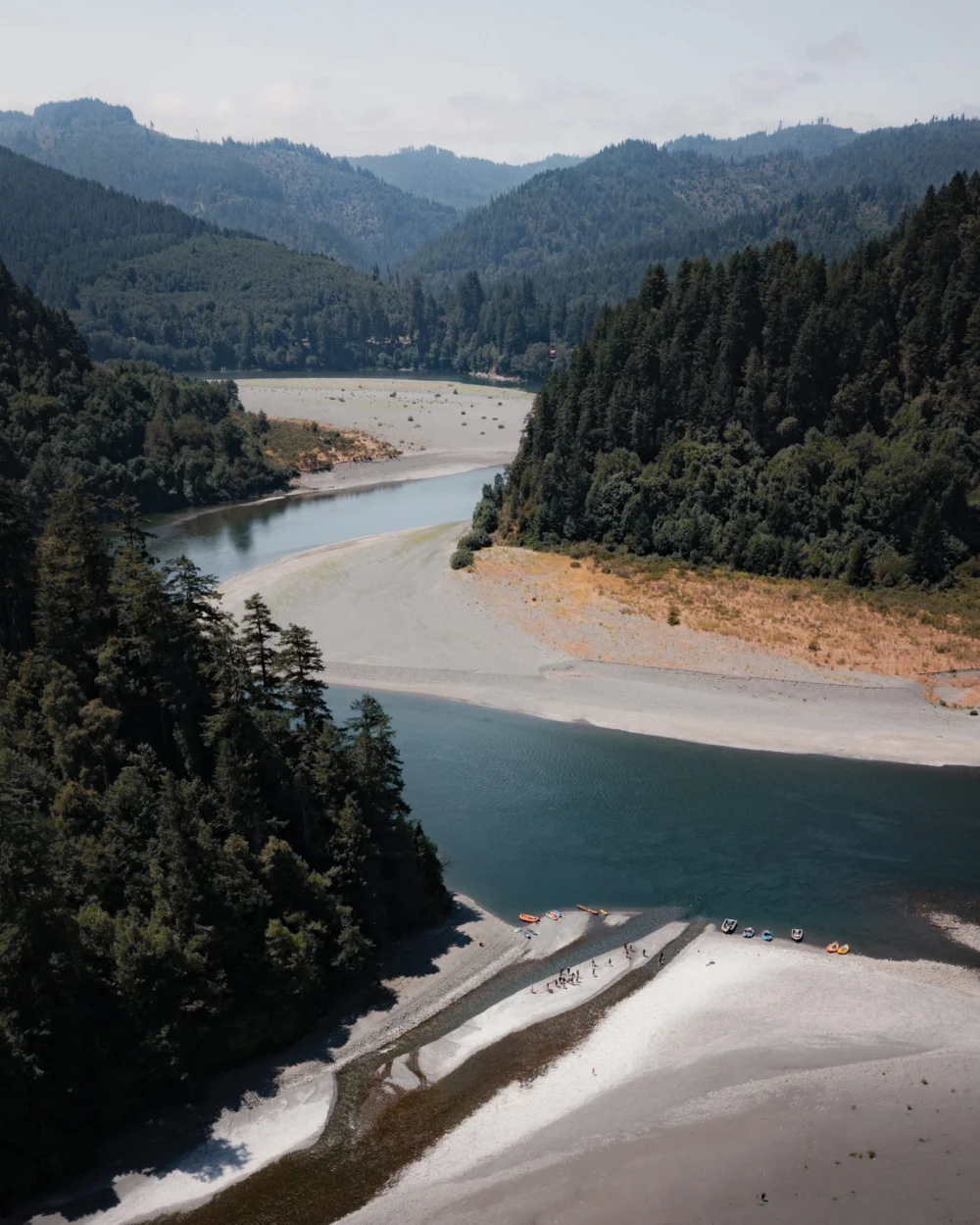
On November 29, 1864, a catastrophic act of betrayal irrevocably scarred the American West. A peaceful encampment of Cheyenne and Arapaho people, resting under the explicit assurance of U.S. military protection, endured a merciless onslaught orchestrated by Colonel John Chivington’s troops. The dawn raid, which unfolded along the banks of Big Sandy Creek in southeastern Colorado Territory, claimed more than 200 lives, predominantly women, children, and elders, in an act of barbarity so profound it sent shockwaves through the nascent nation and continues to reverberate through generations. Despite swift condemnations from both military and congressional investigations, which unequivocally labeled the event a massacre and detailed horrific atrocities, the burgeoning state of Colorado paradoxically celebrated it as a military victory for decades, cementing a historical falsehood that deepened the wounds of the surviving tribes and their descendants.
This insidious lie found a tangible, stone embodiment in a plaque that brazenly listed Sand Creek among Colorado’s Civil War battles, affixed to a monument that stood prominently on the Capitol grounds for generations. Its presence served as a constant, painful reminder of historical revisionism and official denial. Today, that ignominious marker has been removed, and the space it once occupied is now reserved for a powerful and necessary replacement: the "Peace Keepers" memorial. This bronze sculpture will stand as a permanent testament to the courage and unwavering commitment to peace demonstrated by the Cheyenne and Arapaho leaders, such as Chief Black Kettle and Chief Left Hand, who, even in the face of escalating aggression and existential threat, clung to the promise of diplomatic resolution until their final, tragic breaths. It will also honor the extraordinary resilience of survivors like Medicine Woman, who endured eight bullet wounds during the massacre, a testament to the indomitable spirit of her people.

In a significant and unifying move in 2025, the Colorado Legislature and Governor Jared Polis took a critical, unanimous step, officially endorsing the creation and installation of this monument. This landmark legislative act is far more than a mere formality; it is a historic declaration of remembrance, a long-overdue call for governmental atonement for the institutional betrayals of the past, and a public commitment to honoring the innocent lives lost. It signals a profound shift in how the state acknowledges its foundational history, moving away from a narrative of conquest towards one of truth and accountability.
However, the passage of legislation, while crucial, represents only the beginning of the real work, which remains the hardest: healing. Healing is not a passive process of forgetting or achieving a comfortable, superficial closure. Instead, it demands a rigorous recognition that trauma is not confined to the past; it is a living entity that propagates through generations, manifesting in complex and often devastating ways. The profound soul wound inflicted by the Sand Creek Massacre continues to shape the lives of the Cheyenne and Arapaho peoples today, impacting everything from cultural preservation to mental and physical health. The "Peace Keepers" memorial, therefore, is not simply a statue for Indigenous communities alone; it is intended as a sacred and instructive space for all Coloradans, a focal point where individuals can collectively confront this enduring trauma, understand its insidious legacy, and begin the arduous, yet essential, process of repairing the foundational trust of this state.
In this crucial undertaking, the history of Sand Creek emerges as a powerful, immediate cautionary tale for our current global moment. The massacre itself was not an isolated act of barbarism but rather the horrific culmination of a toxic brew of fear, pervasive hysteria, and the willful, deliberate rejection of conscience. Colonel Chivington’s brutal attack was explicitly fueled by a political climate and a sensationalist press that systematically dehumanized Indigenous tribes, portraying them as an existential threat and actively encouraging violence. This dangerous rhetoric effectively replaced diplomatic engagement with brute force and treachery, setting the stage for unspeakable atrocities.
Today, across national and international discourse, we observe chilling echoes of those same dangerous conditions. Rampant political division, fueled by the strategic spread of fear and disinformation, has become a pervasive feature of public life. There is an increasing temptation to view political opponents not as fellow citizens with differing viewpoints to be negotiated with, but as existential enemies to be vanquished. When societies permit dialogue to be replaced by demagoguery, and diplomacy to be dismissed in favor of confrontation, they are, consciously or unconsciously, laying the very groundwork that allowed the Sand Creek Massacre to happen. This historical parallel serves as a stark warning about the fragility of peace and the corrosive power of unchecked hatred.

The enduring story of the "Peace Keepers" chiefs, particularly their unwavering commitment, reminds us that even in the face of violent dehumanization and imminent annihilation, they, the Cheyenne and Arapaho Chiefs, steadfastly chose peace. Their profound sacrifice transcends tribal boundaries, issuing a timeless call to all of humanity to uphold truth, champion dialogue, and advocate for mutual understanding, especially when the national and global atmosphere tempts us toward anger, division, and the dehumanization of others. Their legacy implores us to seek common ground, even when it seems impossible, and to protect the sanctity of human life above all else.
This urgent commitment to healing and historical truth now operates under a clear deadline. The "Peace Keepers" memorial is slated for its dedication on November 29, 2026, a date intentionally chosen to coincide with Colorado’s 150th anniversary of statehood. This confluence of events presents Colorado with an unparalleled opportunity, a chance to declare, at the highest echelons of government and public life, what kind of history it chooses to commemorate and, more importantly, what kind of future its citizens aspire to build. It is a moment for profound reflection and decisive action.
The Sand Creek Massacre Memorial Committee, a dedicated group of descendants and allies, is working diligently to raise the final funds necessary for the intricate bronze casting and installation of this vital monument. The recent securing of a generous matching gift underscores not only the committee’s tireless efforts but also signals that the broader community is indeed ready to stand in solidarity, recognizing the imperative of this project.
To allow this pedestal to remain empty for another year, particularly given the momentum and the approaching anniversary, would send a clear, disheartening signal that Colorado’s commitment to historical truth and reconciliation is merely theoretical, an aspiration rather than an active pursuit. By collectively supporting the swift and full completion of the "Peace Keepers" memorial now, the state of Colorado, and indeed the nation, makes an unequivocal declaration that healing is not just an option, but a profound and urgent priority. It is a conscious choice to fill the painful void of a false, violent past with a permanent, visible testament to the courage, the enduring pursuit of peace, and the indomitable human spirit of the Cheyenne and Arapaho people. This decision, both symbolic and substantive, not only honors the past but is absolutely essential for the future health, integrity, and collective healing of the state of Colorado.