Johny Prima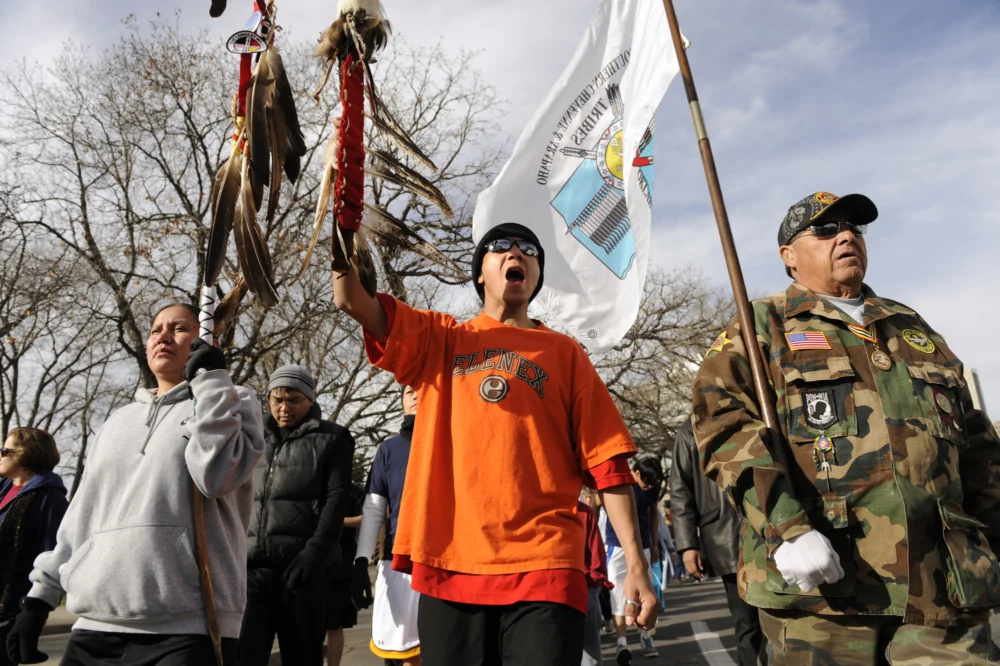
The profound wounds etched by history rarely mend without deliberate and sustained effort, a truth underscored annually as descendants of the Sand Creek Massacre complete their arduous Spiritual Healing Run, culminating at the symbolic heart of Colorado’s government, the State Capitol. This pilgrimage, a testament to enduring remembrance and a call for justice, highlights an ongoing journey toward reconciliation, with a pivotal step anticipated as an empty pedestal on the Capitol’s west plaza awaits a new monument—a powerful symbol of Colorado’s commitment to confronting its painful past. This space is poised to host the "Peace Keepers" memorial, a bronze sculpture destined to replace a misleading historical narrative and serve as a beacon for healing.
On November 29, 1864, the serene encampment of peaceful Cheyenne and Arapaho people, who had sought and received assurances of U.S. military protection, was brutally attacked by Colonel John Chivington’s volunteer troops. This horrific act, later condemned by both military and congressional investigations as a massacre, resulted in the slaughter of more than 200 lives, predominantly women, children, and elders. It was a betrayal so profound that its echoes reverberate across generations, leaving an indelible scar on the collective memory of the affected tribes and a stain on American history. Despite swift condemnation and widespread outrage in its immediate aftermath, for decades, official narratives within Colorado often downplayed the atrocity, or, in some instances, even celebrated it as a legitimate military victory.
This egregious historical distortion was conspicuously embodied by a plaque on a monument at the Capitol grounds, which erroneously listed Sand Creek among Colorado’s Civil War battles. This narrative served to obfuscate the truth, minimizing the scale of the atrocity and insulating the state from accountability. The recent removal of this monument, and the subsequent designation of the site for the "Peace Keepers" memorial, marks a significant shift. The new sculpture will honor the courageous and peace-seeking Cheyenne and Arapaho leaders, such as Chief Black Kettle and Chief Left Hand, who steadfastly upheld the promise of peace until their final breaths, even in the face of overwhelming aggression. It will also commemorate the resilience of survivors like Medicine Woman, who miraculously endured the massacre despite suffering eight bullet wounds, embodying the indomitable spirit of her people.

In a momentous bipartisan act in 2025, the Colorado Legislature and Governor Jared Polis unanimously endorsed the "Peace Keepers" monument. This legislative action represents a critical stride, affirming that the unvarnished truth about Sand Creek must no longer be suppressed. It stands as a historic act of remembrance, a powerful expression of governmental acknowledgment for past institutional betrayals, and a public commitment to honoring the innocent lives lost. However, the path to true reconciliation extends beyond official decrees and symbolic gestures; the most challenging, yet crucial, work lies in genuine healing.
Healing, in this context, does not imply forgetting the trauma or achieving a convenient sense of closure. Instead, it demands an unflinching recognition that the profound soul wound of the Sand Creek Massacre is not confined to the annals of history but continues to shape the lives of the Cheyenne and Arapaho people today. Intergenerational trauma, a complex legacy of historical injustices, manifests in various forms, impacting mental health, cultural identity, and socio-economic well-being. The "Peace Keepers" memorial, therefore, is more than just a statue for the descendants; it will serve as a vital space for all Coloradans to collectively confront this historical trauma, comprehend its enduring legacy, and begin the arduous process of rebuilding the foundational trust that was so catastrophically broken. This effort aligns with global movements toward truth and reconciliation, exemplified by commissions in Canada addressing residential schools or in South Africa confronting apartheid, where societal healing begins with honest confrontation of historical injustices.
The history of Sand Creek offers a potent and immediate cautionary tale for our contemporary world. The massacre itself was not an isolated incident but the tragic culmination of a toxic brew of escalating fear, widespread hysteria, and a deliberate rejection of moral conscience. Colonel Chivington’s brutal attack was inflamed by a political climate and a sensationalist press that systematically dehumanized Indigenous tribes, portraying them as existential threats. This rhetoric effectively supplanted diplomatic engagement with calls for brute force and treachery, creating an environment where atrocities could not only occur but be rationalized.
Disturbingly, parallels to these dangerous conditions are evident in current national and international discourses. Rampant political division, the strategic dissemination of fear and disinformation, and the growing temptation to demonize political opponents as existential enemies rather than fellow citizens with whom to negotiate, mirror the very dynamics that preceded Sand Creek. When societies allow dialogue to be replaced by demagoguery, and diplomacy by dismissal, they inadvertently lay the groundwork for a repeat of historical injustices. This erosion of civility and mutual respect, whether locally or globally, threatens the fabric of democratic societies and risks fostering environments where empathy is diminished and violence, in various forms, becomes more palatable.

The narrative of the "Peace Keepers" chiefs, particularly Chief Black Kettle’s unwavering commitment to peace, even as his people faced violent dehumanization, serves as a powerful reminder of the enduring human spirit. Their sacrifice calls upon all of us to champion humanity, truth, and constructive dialogue, especially when the prevailing national and global atmosphere tempts us toward anger, polarization, and division. It is a testament to the power of non-violence and principled leadership in the face of extreme provocation.
Colorado faces a specific deadline for this crucial commitment. The "Peace Keepers" memorial is slated for dedication on November 29, 2026, a date intentionally chosen to coincide with the state’s 150th anniversary of statehood. This confluence of events presents Colorado with a unique and profound opportunity to declare, at the highest level of its governance, what kind of history it chooses to commemorate and, more importantly, what kind of future its citizens aspire to build. It is a chance to redefine the state’s identity, moving from a past marred by violence and denial to a future founded on truth, respect, and reconciliation.
The Sand Creek Massacre Memorial Committee continues its diligent work to raise the final funds necessary for the bronze casting and installation of this vital monument. The committee has secured a generous matching gift, signaling a burgeoning readiness within the community to stand in solidarity with this crucial initiative. Should the state allow this pedestal to remain empty for another year, it would send a disheartening signal that its commitment to truth and healing remains merely theoretical. By actively supporting the completion of the "Peace Keepers" memorial now, Colorado emphatically declares that healing is a priority, not an afterthought. It is a decisive choice to fill the void of a false, violent past with a permanent, visible testament to the courage, unwavering peace, and the enduring human spirit of the Cheyenne and Arapaho people. This decision not only honors the past but is absolutely essential for the future health, integrity, and lasting healing of the state of Colorado, setting an example for how nations can confront and learn from their most difficult histories.