Joko Susilo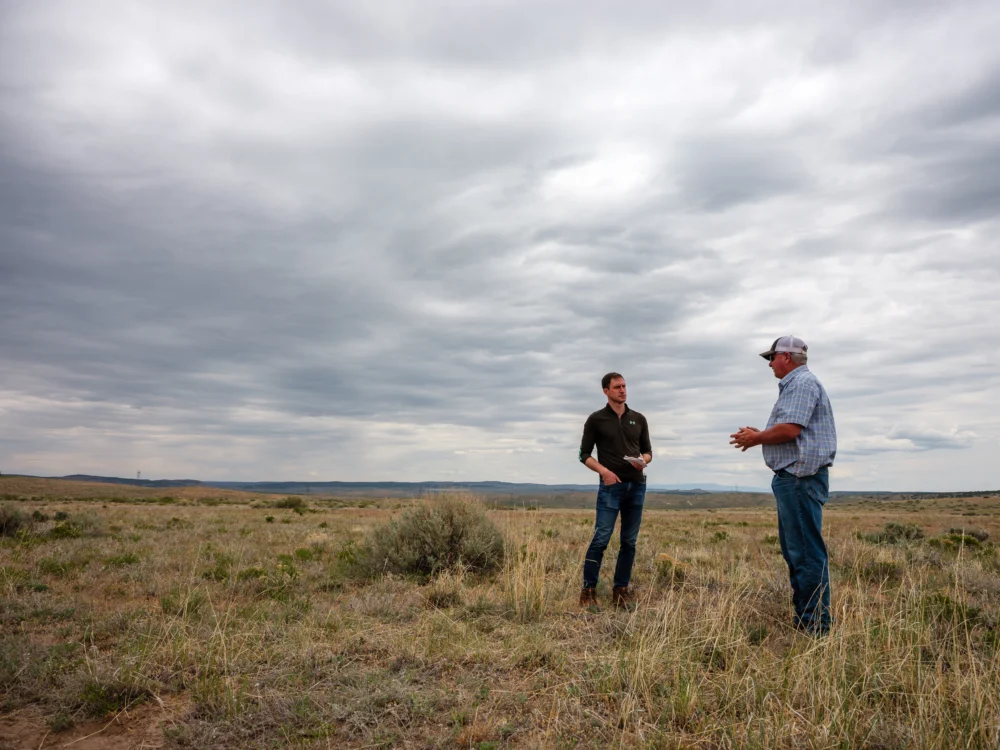
Across an expanse of publicly owned land more than twice the size of California, livestock grazing stands as the single largest land use in the American West, a practice underpinned by billions of taxpayer dollars that often exacts a heavy toll on fragile ecosystems. This extensive system, which encompasses millions of acres managed primarily by the Bureau of Land Management (BLM) and the U.S. Forest Service, represents a complex interplay of historical land use, economic imperatives, and mounting environmental concerns. As political administrations shift and agendas evolve, the foundational structure of public lands ranching increasingly faces scrutiny regarding its economic viability, ecological impact, and the influence of powerful interests.
A comprehensive investigation, involving rigorous data analysis, extensive public records requests, and on-the-ground reporting across Arizona, Colorado, Montana, and Nevada, has illuminated the intricate workings and evolving challenges of this system. This journalistic endeavor, which even necessitated legal action against the Bureau of Land Management to secure crucial documents and data, explored the financial bedrock of public lands grazing, its environmental consequences, and the political machinery that largely shields it from significant reform. The findings reveal a system deeply entrenched in subsidy, heavily consolidated, and increasingly vulnerable to environmental degradation due to diminished oversight.
The modern framework for public lands grazing originated in the 1930s, a direct response to the ecological catastrophe of the Dust Bowl, an era when widespread overgrazing and poor agricultural practices contributed to devastating dust storms across the Great Plains. The intent was to regulate resource use and prevent future environmental disasters. However, recent analysis indicates that the system has largely transformed into a substantial subsidy program for ranchers. In a recent fiscal year, the BLM and Forest Service collected approximately $21 million in grazing fees. This figure, however, represents a staggering 93% discount, on average, compared to market rates for forage on private lands. Beyond these minimal fees, the federal government injects at least $2.5 billion annually into various subsidy programs accessible to public lands ranchers, covering everything from disaster assistance for droughts and floods to compensation for livestock lost to predators. These financial lifelines, while intended to support a vital agricultural sector, raise questions about market fairness and the true cost to taxpayers.

Compounding these financial dynamics, the benefits of public lands grazing disproportionately accrue to a select few. The ranching industry on these federal lands has seen significant consolidation, with a small number of wealthy individuals and corporations managing the vast majority of livestock. Data reveals that roughly two-thirds of grazing on BLM acreage is controlled by just 10% of permittees. Similarly, on Forest Service land, the top 10% of permit holders account for over half of all grazing. Among these dominant players are high-profile billionaires like Stan Kroenke and Rupert Murdoch, alongside large mining companies and public utilities, whose extensive landholdings and financial resources enable them to leverage public land access. The financial advantages extend beyond mere cattle sales; holding public lands grazing permits can also unlock property tax breaks in many regions, offer significant federal tax deductions for ranching business expenses, and represent a stable, long-term investment in associated private properties, further solidifying the wealth of these large operators.
Recent political shifts have further amplified these trends. The Trump administration, for instance, actively championed a pro-ranching agenda, unveiling a "plan to fortify the American Beef Industry" that proposed amending grazing regulations for the first time since the 1990s. This plan advocated for increased taxpayer support through expanded subsidies for drought and wildfire relief, livestock predator losses, and government-backed insurance programs. The U.S. Department of Agriculture defended these policies, asserting that "livestock grazing is not only a federally and statutorily recognized appropriate land use, but a proven land management tool, one that reduces invasive species and wildfire risk, enhances ecosystem health, and supports rural stewardship." While approximately 18,000 permittees graze livestock on BLM or Forest Service land, many of whom are small operators arguing for the necessity of government support to remain solvent, the broader consolidation trend suggests that the largest beneficiaries are often not these small family operations.
The pro-ranching stance has coincided with a significant weakening of regulatory oversight. Federal permits to graze on public lands typically require renewal every 10 years, a process that includes a mandatory environmental review under the National Environmental Policy Act (NEPA). However, a 2014 congressional amendment introduced a loophole, allowing permits to be automatically renewed if federal agencies cannot complete these environmental assessments in time. This legislative change has had profound implications: in 2013, the BLM approved grazing on 47% of its land without an environmental review; a decade later, this figure surged to approximately 75%. This substantial increase in unreviewed grazing is exacerbated by a shrinking federal workforce; the number of BLM rangeland management staff declined by 39% between 2020 and 2024, with roughly one in ten rangeland employees leaving the agency in the years following the 2016 election. This reduction in personnel directly impedes the agencies’ capacity to conduct thorough environmental assessments and enforce existing regulations, creating a vacuum where environmental safeguards are increasingly neglected.
The consequences of this lax oversight and extensive grazing are evident across the Western landscape. The BLM, which oversees 155 million acres open to grazing, has itself documented that grazing has degraded at least 38 million acres – an area roughly half the size of New Mexico. Alarmingly, the agency lacks land health assessments for an additional 35 million acres, leaving their ecological status unknown. On-the-ground observations confirm widespread environmental harm, including streambeds severely trampled by cattle, vast grasslands denuded of vegetation, and vital creeks fouled by livestock waste and even carcasses. These impacts contribute to soil erosion, reduced biodiversity, diminished water quality, and the proliferation of invasive species, threatening the delicate balance of arid and semi-arid ecosystems that support a diverse array of wildlife, from native fish to sage grouse.

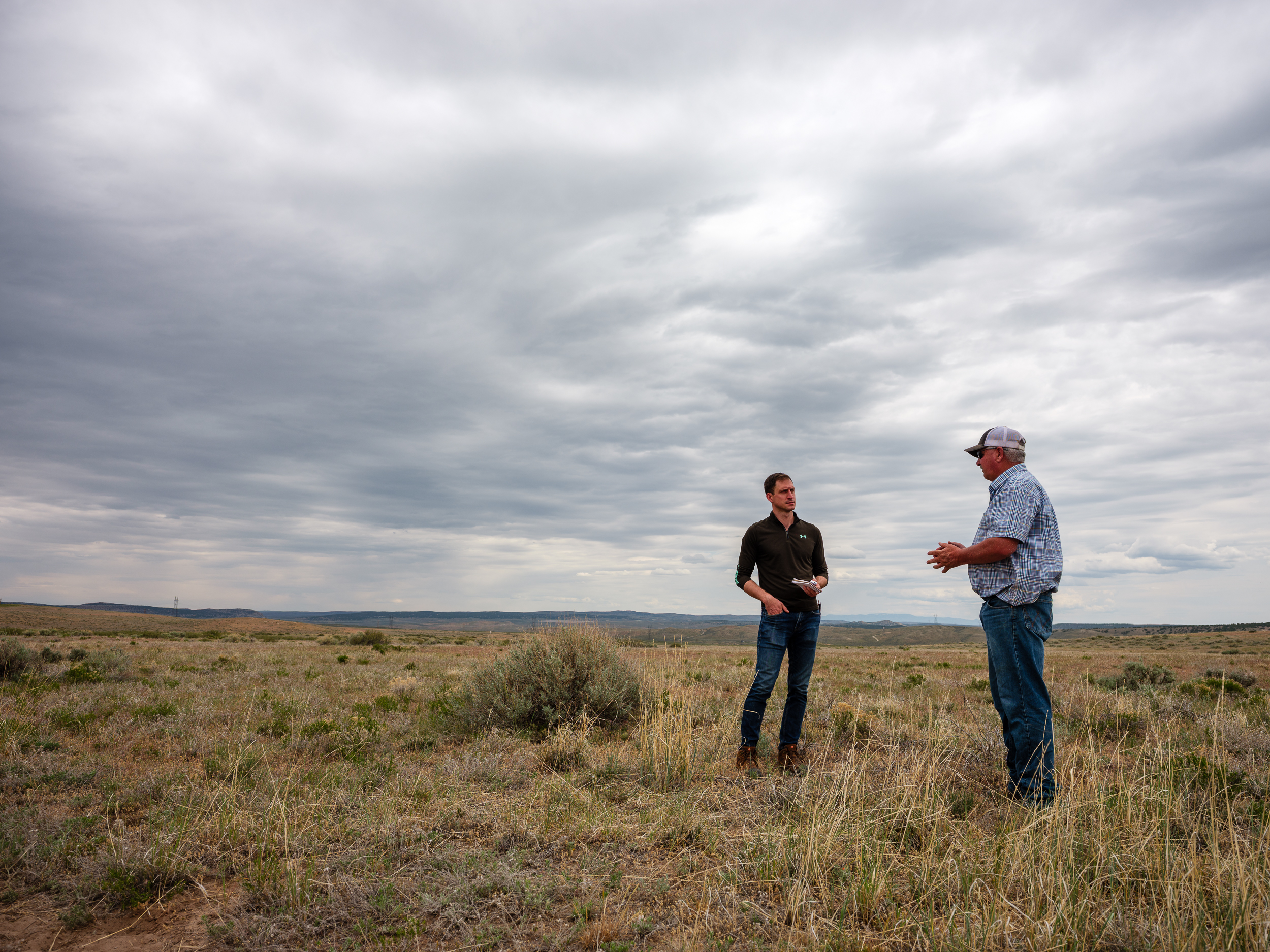
Ranchers, however, present a counter-narrative, arguing that public lands grazing offers critical ecological benefits. Figures like Bill Fales, whose family has run cattle in western Colorado for over a century, contend that ranching helps preserve open spaces, preventing these lands from being sold off for residential or commercial development. Fales observes that while nearby areas have succumbed to habitat destruction through development, the lands his cattle graze are increasingly shared by wildlife such as elk, bears, and mountain lions, suggesting that active ranching can coexist with and even support certain wildlife populations by maintaining a mosaic of habitats. This perspective highlights the complex trade-offs inherent in land management, where conservation goals must often contend with economic realities and the pressures of population growth.
Despite these varied perspectives, a significant hurdle to systemic reform remains the powerful political influence wielded by the ranching industry. Interviews with numerous current and former BLM employees, from upper management to field-level rangeland managers, consistently reveal pervasive political pressure to avoid stringent enforcement against ranchers. One BLM employee candidly stated, "If we do anything anti-grazing, there’s at least a decent chance of politicians being involved. We want to avoid that, so we don’t do anything that would bring that about." While a BLM spokesperson maintained that "any policy decisions are made in accordance with federal law and are designed to balance economic opportunity with conservation responsibilities across the nation’s public lands," the reality on the ground often suggests this balance is heavily skewed.
The industry’s political connections run deep. The Trump administration, for example, appointed individuals with direct ties to ranching to high-level positions within the U.S. Department of the Interior and the agency overseeing the Forest Service, including a lawyer who had previously represented ranchers against the government and an individual who owned a significant cattle operation. Furthermore, politicians from both major parties frequently intervene on behalf of ranchers, with members of Congress sending more than 20 letters to the BLM and Forest Service concerning grazing issues since 2020, according to agency communications logs. This bipartisan attention underscores the significant political capital the ranching industry commands, making meaningful reform of the federal public lands grazing system a persistent challenge despite mounting evidence of its economic inefficiencies and environmental costs.