Rocky Gerung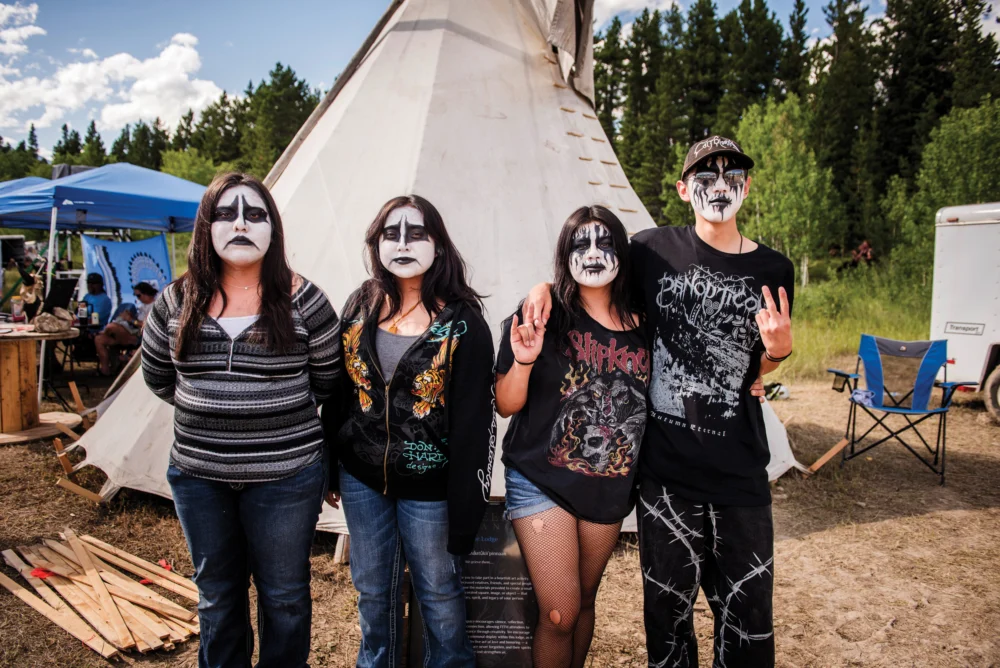
Amidst the rugged beauty of the Blackfeet Nation, a groundbreaking heavy music festival, "Fire in the Mountains," has transcended its genre to become a beacon of healing, community, and cultural exchange, offering a powerful antidote to despair and isolation. This transformative event, held against the backdrop of Glacier National Park’s majestic peaks, brought together thousands of music enthusiasts, Indigenous artists, and global metal acts, fostering an environment of shared experience and profound connection. The festival’s success highlights the unexpected therapeutic power of heavy music and its capacity to bridge cultural divides, particularly within communities grappling with significant social challenges.

The genesis of this unique festival lies in the innovative efforts of educators and community leaders who recognized the profound impact of music, especially the cathartic release found in heavy genres, on the well-being of young people. At Buffalo Hide Academy, an alternative high school in Browning, Montana, the establishment of a semester-long heavy music symposium by director Charlie Speicher and instructor Robert Hall provided a crucial outlet for students. This program, designed to explore the diverse world of metal and hardcore, aimed to offer a sense of belonging and understanding to students who might feel isolated or marginalized. The curriculum delved into the history, subgenres, and cultural significance of heavy music, from the origins of black metal in Scandinavia to the complex narratives within mathcore, fostering critical thinking about the relationship between art, artist, and societal issues.

Speicher, a clinical counselor, noted the pervasive impact of suicidal distress within the Browning community, a sentiment echoed by many students who shared their personal struggles with isolation, depression, and the profound loss of friends and family to suicide. For many, heavy music provided not just an escape, but a lifeline. Students described how listening to metal helped them manage difficult emotions, find solace in shared themes of struggle, and develop a sense of resilience. The music’s intensity, often reflecting inner turmoil, became a vehicle for processing pain and finding a path towards healing. As one student articulated, "Throw on some metal and you’re good," encapsulating the immediate comfort and grounding the music offered.

The festival itself, a brainchild of the "Firekeeper Alliance" – a collective including Speicher, Hall, and musicians like Steve Von Till (Neurosis), and others – was conceived not only as a cultural event but as a vital suicide prevention initiative. Its relocation to the Blackfeet Nation was a deliberate choice to foster economic opportunity and showcase the rich cultural heritage of the Indigenous community, which often faces systemic challenges, including high rates of poverty and historical trauma, contributing to disproportionately high rates of suicide. The Blackfeet Tribal Business Council embraced the initiative, seeing it as a novel way to engage youth and potentially stimulate economic growth through cultural tourism.

Securing prominent international acts like the Norwegian folk band Wardruna was crucial for the festival’s success. Einar Selvik, Wardruna’s lead singer, expressed enthusiasm for the opportunity to "stand with the Indigenous in a constructive, powerful way," recognizing the deeper purpose beyond a typical music festival. This sentiment was mirrored by many artists who saw the event as a chance to engage with Indigenous cultures and contribute to a meaningful cause. The festival’s commitment to being alcohol-free further distinguished it, challenging traditional perceptions of metal gatherings and fostering a more mindful and connected experience for attendees.

The festival opened with a powerful powwow, a vibrant display of traditional Indigenous dancing and drumming, seamlessly integrated into the event’s programming. This opening ceremony served as a profound welcome, honoring the land and its people, and offering attendees, many of whom were encountering Indigenous culture for the first time, a window into the rich traditions of the Piikunii (Blackfeet) people. The subsequent intertribal dance, where metalheads tentatively joined Indigenous dancers, symbolized the burgeoning cultural exchange and the breaking down of barriers. As Hall declared, it was "a cultural exchange between the Piikunii and metalheads," emphasizing mutual respect and learning.

The musical lineup showcased a diverse array of heavy music, from the atmospheric black metal of Blackbraid and the intricate chaos of Converge to the doom-laden sounds of Tzompantli and the folk-infused melodies of Wardruna. Indigenous artists like Sage Bond and Heather Jordan of Liith demonstrated the vibrant contemporary Indigenous music scene, infusing their performances with cultural narratives and powerful vocalizations that resonated deeply with the audience. Many attendees, both Native and non-Native, found common ground in the music’s ability to articulate feelings of alienation, historical trauma, and the search for identity. As Meg Skyum (Oji-Cree) observed, both Indigenous people and metalheads often exist on the fringes of mainstream society, creating a shared sense of being "fringe."

The festival’s setting at Red Eagle Campground provided a breathtaking natural amphitheater, with workshops and panels addressing critical issues such as Indigenous sovereignty, mental health, and the therapeutic benefits of heavy music. The event fostered a sense of genuine community, with musicians interacting freely with fans, participating in activities, and sharing personal stories. The creation of an "Ozzy Osbourne Memorial" altar, adorned with rocks, feathers, and trinkets, demonstrated the profound emotional connection fans felt to the music and its legends, especially in the wake of Osbourne’s recent passing.

A dramatic thunderstorm on the final evening, which temporarily cut power and forced an evacuation, only underscored the raw, untamed spirit of the festival and the resilience of its attendees. The impromptu acoustic performance of Black Sabbath’s "War Pigs" during the outage, followed by the re-energized sets once power was restored, became a cathartic and unifying moment. This shared experience of weathering the storm, both literal and metaphorical, reinforced the festival’s core message of hope and collective strength. The unexpected events served as a powerful reminder of nature’s grandeur and its ability to shape human experience, a theme often explored in heavy music.

The impact of "Fire in the Mountains" extended beyond the weekend itself, with attendees and artists alike describing the experience as "transformational" and "life-changing." The festival not only provided a platform for exceptional music but also fostered dialogue, healing, and a deeper understanding between diverse cultural groups. The success of the event has prompted discussions about future collaborations and the potential for other music genres to be integrated into community development initiatives on the Blackfeet Nation. As Tribal Councilman Everett Armstrong noted, the festival proved that "music transcends religion, color, whatever you want. It brings us all together."

The profound impact of the festival underscores the vital role that art and community play in addressing complex societal issues like suicide and isolation. By creating a space where vulnerability is embraced, shared experiences are honored, and healing is actively pursued through the powerful medium of heavy music, "Fire in the Mountains" has ignited a spark of hope, demonstrating that even in the darkest of times, connection and resilience can be found through the shared language of sound. The festival’s success serves as a testament to the power of music to transcend boundaries, foster understanding, and ultimately, inspire change.