Roger Danuarta
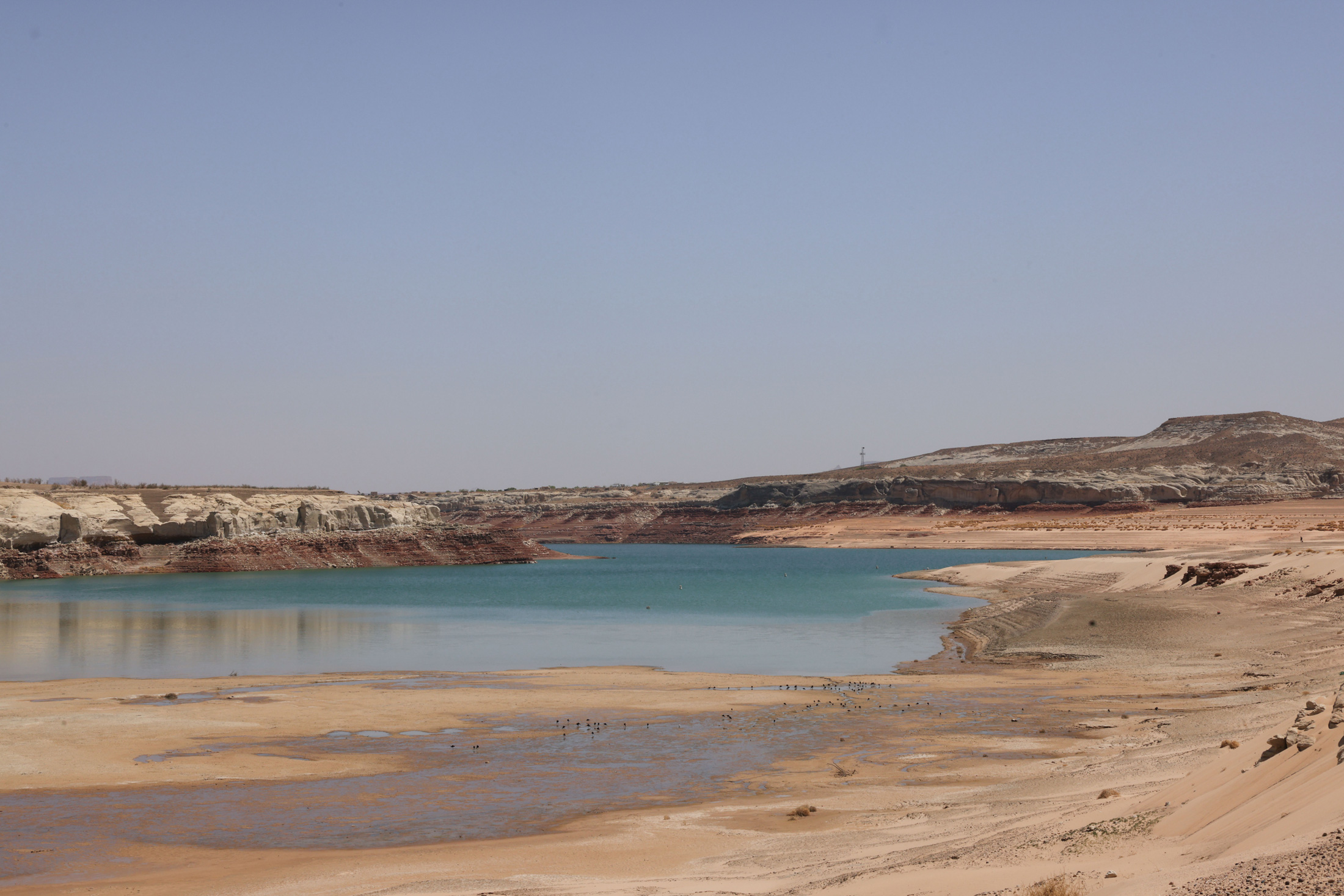
Imagine a journey back through the eons, and the majestic expanse now known as Grand Staircase-Escalante National Monument in southern Utah would be utterly unrecognizable, its dramatic sandstone cliffs and vast plateaus telling a story of profound transformation. More than 250 million years ago, during the Permian period, this region lay submerged beneath a vast, ancient ocean, a silent witness to marine life thriving in its depths. Over immense geological timescales, the relentless churning of Earth’s crust, driven by the powerful forces of plate tectonics, slowly uplifted the seabed, gradually transforming it into dry land. This emerging landscape became a stage for the reign of dinosaurs, a period spanning tens of millions of years where the environment oscillated dramatically between arid deserts and lush, tropical climes, each leaving its indelible mark on the rock record. Later, an epic marine transgression saw an invading ocean—the vast Western Interior Seaway—bisect the North American continent, isolating a significant landmass and fostering unique evolutionary pathways. After an astonishing 34 million years, this inland sea receded, and the continental plate continued its slow, inexorable rise, sculpting the high deserts and intricate canyons that define the monument today.
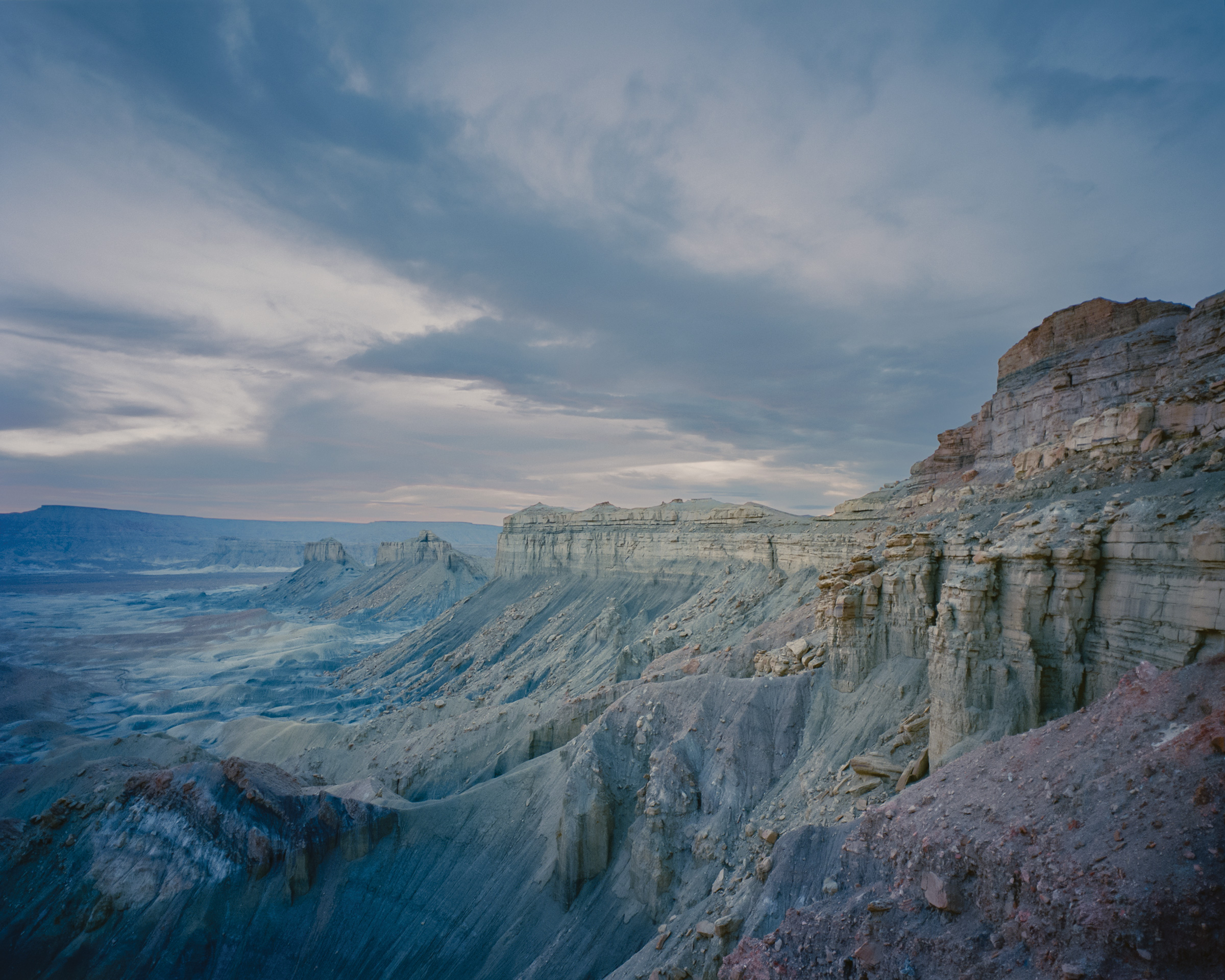
This extraordinary landscape acts as a meticulous archivist, its exposed stratigraphy — the layered rock formations—offering an unparalleled geological history spanning over 270 million years, from approximately 30 million to 300 million years ago. The exceptional preservation of these millennia within the monument’s rocks, distinctive landforms, and abundant fossils renders Grand Staircase-Escalante a scientific treasure of global significance. However, this invaluable repository of Earth’s ancient past now faces persistent threats from shifting land-management policies and chronic underfunding. Geologists universally acknowledge that no other terrestrial record of this vast time period is as complete or as accessibly displayed. The ceaseless work of wind and water has carved the cliffs and terraces into an open book, revealing various chapters of Earth’s deep past, making it an unparalleled laboratory for scientists worldwide. It was with this profound scientific potential in mind that President Bill Clinton, in 1996, invoked the venerable Antiquities Act to establish the nearly 1.9-million-acre monument. His vision was clear: to create a sanctuary where researchers could meticulously piece together the planet’s complex past using the landscape’s sweeping, unbroken geological record.
Despite its designation and inherent value, the national monument, primarily overseen by the Bureau of Land Management (BLM), has yet to fully realize its ambitious scientific mission. Experts and scientists, including Colorado State University geoscientist Joel Pederson, lament that “the research that could be done in Grand Staircase has not yet come to fruition.” This unfulfilled potential stems largely from a confluence of factors: insufficient resources, a glaring lack of consistent federal support, and the federal government’s fluctuating priorities. These challenges have been exacerbated by recurring political efforts to diminish the monument’s size and restrict its protective status, creating an environment of uncertainty that hampers long-term research planning and operational stability.

Nevertheless, Grand Staircase-Escalante’s time as a national monument has already yielded a plethora of groundbreaking discoveries, underscoring its immense scientific value. One remarkable find involved the uncanny resemblance between the monument’s distinctive Moqui marbles—spherical iron concretions ranging from pea to grapefruit size, formed by groundwater mineralization over millions of years—and specific Martian rocks observed by the Mars Exploration Rover Opportunity in 2004. This terrestrial analogue provided compelling evidence supporting the hypothesis of a watery past on our planetary neighbor, Mars, offering critical insights for astrobiology and planetary science. Furthermore, paleontologists have identified an astounding 30 new species of fauna from fossils unearthed within its borders. These discoveries include exquisitely preserved dinosaur skin impressions, ancient trackways, and even marble-sized bird eggs, many of which have been found nowhere else in North America. This phenomenon, where a high number of unique species are found within a relatively confined area, has confounded scientists, suggesting the possibility that during certain periods, the region may have been an isolated “island continent” or a unique biogeographic province, fostering endemism among its ancient inhabitants.
The scientific questions that Grand Staircase-Escalante may hold the key to extend far beyond mere species discovery. By understanding how life evolved, adapted, and diversified under the dramatically different climates recorded in its rock layers, scientists can gain invaluable insights into how ecosystems and species might fare in a rapidly warming future. This paleoclimate research provides crucial context for predicting and mitigating the impacts of contemporary climate change. Yet, the paleontologists and geologists who dedicate their careers to unraveling these mysteries increasingly face heightened challenges to conducting their vital research. The monument suffers from chronic underfunding, a systemic issue that severely threatens the ability of managers to protect priceless fossils and other irreplaceable specimens from the pervasive threats of vandalism and theft. Alarming reports indicate that since its inception, the monument’s budget and staffing levels have plummeted by at least three-quarters. The nonprofit Grand Staircase-Escalante Partners reported a significant loss of critical personnel, including multiple backcountry rangers, rangeland technicians, and its sole in-house paleontologist, further eroding its capacity for protection and research. The Bureau of Land Management has notably declined to respond to inquiries regarding Grand Staircase-Escalante’s management or budget, signaling a lack of transparency and accountability.

Adding to the instability, federal policies regarding the monument have been prone to abrupt and often contradictory shifts, creating a climate of persistent uncertainty. During his first term, President Donald Trump controversially nearly halved the size of the monument in 2017, opening significant portions of the excised land to potential drilling and mining interests. This decision was justified, in part, by an declared “energy emergency,” despite widespread skepticism among experts regarding the actual economic viability of extracting natural resources from the region. Indeed, the Bureau of Land Management’s own geological surveys indicated that the monument’s natural resources were of questionable economic worth, and crucially, no mining company leased lands within the monument during Trump’s initial term, debunking the premise of the "energy emergency" justification. President Joe Biden, upon entering office, reversed this decision in 2021, restoring the monument to its original, expansive borders, recognizing its immense scientific and cultural value. However, the battle over its fate continues. As recently as July, the House of Representatives proposed funding only half of the monument’s acreage, effectively seeking to reinstate the Trump-era reduction through budgetary means. This ongoing political tug-of-war is not isolated to Grand Staircase-Escalante; the Interior Department is actively considering shrinking or eliminating five more national monuments, including Chuckwalla and Bears Ears, signaling a broader ideological conflict over public land management in the United States.
To surrender any section of Grand Staircase-Escalante, a landscape whose rocks exquisitely document the profound expanse of deep time, would constitute an immeasurable and irreversible loss to science, education, and humanity’s collective understanding of its own planetary home. Retired geologist Marjorie Chan eloquently likens the landscape to nature’s own version of the Venus de Milo, the iconic armless Greek sculpture of Aphrodite, now safeguarded in the Louvre Museum. “How much time did nature take to sculpt all this?” Chan ponders, emphasizing the unique and irreplaceable artistry of geological processes. Grand Staircase-Escalante, she argues, is worth fighting for with every fiber of our being, “because you’re never going to be able to get that reproduced again.” Its preservation is not merely about protecting scenic vistas; it is about safeguarding an irreplaceable chronicle of Earth’s dynamic history, a vital resource for scientific inquiry, and a testament to the enduring power of natural processes that shape our world. The global scientific community, policymakers, and citizens must unite to ensure that this “storybook of the history of our planet” remains open for future generations to read and learn from, undisturbed by short-sighted political agendas.