Rocky Gerung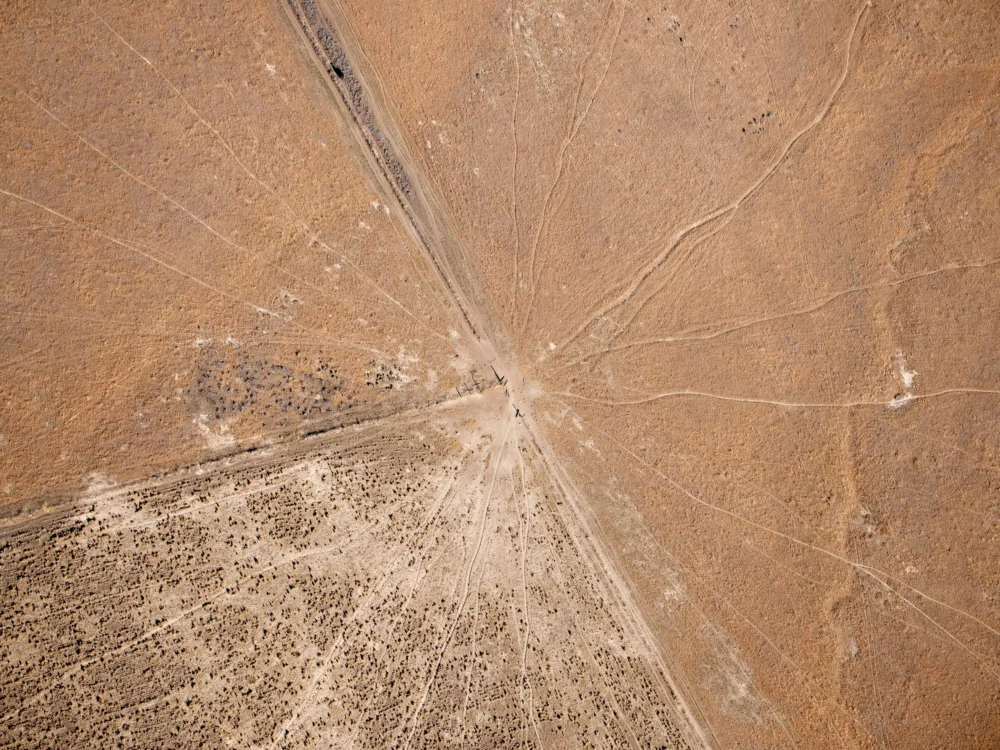
Ranchers across the American West are required to renew permits every decade to continue grazing their livestock on millions of acres of public lands, a process that represents the government’s primary opportunity to assess and mitigate the environmental impacts of these operations. Agencies like the Bureau of Land Management (BLM) and the Forest Service, responsible for managing the vast majority of these federal lands, are legally mandated to review each permit before issuing a renewal, with the possibility of imposing new conditions or, in rare instances, denying it altogether. However, a 2014 congressional mandate has significantly eroded this oversight, requiring agencies to automatically renew grazing permits for another ten years if they fail to complete their environmental reviews within the stipulated timeframe. This exemption has led to a dramatic reduction in the scrutiny applied to livestock grazing’s effects on delicate Western ecosystems.
Analysis of agency data reveals a stark trend: in 2013, the BLM authorized grazing on 47% of its lands suitable for livestock without conducting an environmental review. A decade later, this figure had surged to approximately 75%, leaving a substantial portion of public lands open to grazing without adequate environmental assessment. A parallel study by the Western Watersheds Project documented a similar decline in environmental reviews for grazing lands managed by the Forest Service. This diminishing oversight is directly correlated with a precipitous drop in the number of federal employees tasked with conducting these crucial reviews and broader land-health assessments. These assessments are vital for determining whether permit conditions need modification to protect natural resources.
The rangeland management staff within the BLM has experienced a significant reduction, shrinking by 39% between 2020 and 2024, according to data from the Office of Personnel Management. Compounding this issue, the period following the 2016 election saw approximately 1 in 10 rangeland staffers depart the agency, as documented in agency records, further incapacitating the BLM’s ability to monitor and manage public lands effectively. This reduction in agency staff has tangible consequences on the ground. Without consistent monitoring, livestock can stray into prohibited areas, exceed authorized numbers, or graze for longer durations than permitted. Such overgrazing can have cascading negative effects: it facilitates the spread of invasive plant species by dispersing seeds and disturbing soil, displacing native flora and increasing the risk of wildfires. When livestock strip vegetation from stream banks, the resulting sediment runoff pollutes waterways, destroying critical habitats for fish. Furthermore, the lack of staff to amend permits means missed opportunities to reduce animal numbers on allotments, thereby limiting the emission of climate-warming methane from livestock. Once a permit is renewed, even without a thorough review, rectifying these environmental harms becomes significantly more challenging for the next decade.

Interviews with ten current and former BLM rangeland management employees reveal a pervasive sense of pressure to adopt a more lenient approach toward ranchers. These staffers reported instances of downplaying environmental damage during permit reviews and land-health assessments, with several speaking on condition of anonymity due to their continued government employment. "Sometimes the truth was spoken, but, more often than not, it was not the truth," one employee stated regarding the agency’s oversight practices. In response, an agency spokesperson affirmed the BLM’s commitment to "transparency, sound science, and public participation" in administering grazing permits and considering regulatory updates.
Adding to the challenges, the Trump administration shifted the approval process for BLM contracts and agreements to political appointees, bypassing career civil servants. Recent budget cuts have also impacted crucial data-collection and research initiatives, including funding for an app that aids ranchers in gathering soil and vegetation data, support for contractors managing grazing permit data, funding for farmers growing restoration seeds, and soil research in the Southwest, as indicated by BLM records. These cancellations were often justified by a rationale that they did not align with administration priorities. The Forest Service did not provide comment, and the White House deferred questions to the U.S. Department of Agriculture, which stated that "ranching is often a multi-generation practice that serves to keep working landscapes intact, while also preserving open space, and benefiting recreation, wildlife, and watersheds."

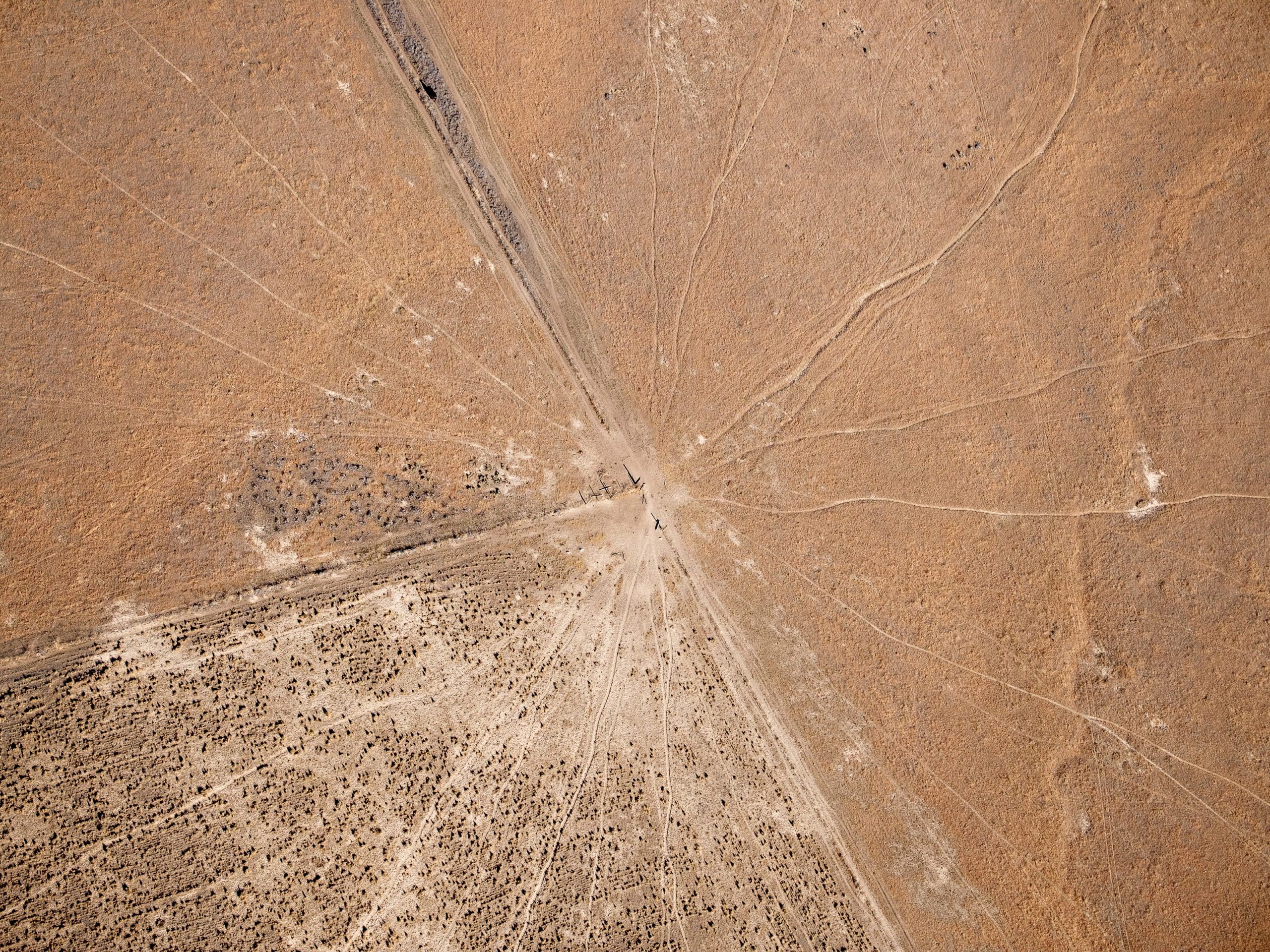
To illustrate the impact of this declining oversight, investigative reporters toured federal grazing allotments in Arizona, Colorado, Montana, and Nevada, finding evidence of unpermitted grazing or habitat degradation by livestock in each state. In Arizona’s Las Cienegas National Conservation Area, a region of desert grasslands and forested streams southeast of Tucson, cattle permits for up to 1,500 head across approximately 35,000 acres were recently reauthorized until 2035, bypassing environmental reviews. During a visit in late April, a vital riparian area, serving as critical habitat for five threatened or endangered species, showed signs of livestock intrusion. A barbed-wire fence intended to keep cattle out of a creekbed lay crumpled, and the ground was heavily imprinted with cow hooves. Native leopard frogs were observed leaping from mud banks into water fouled by feces and a decomposing cow carcass. Several cattle were seen actively wading through the creek, trampling vegetation that stabilizes the soil and causing significant siltation. Chris Bugbee, a wildlife ecologist with the Center for Biological Diversity, described the scene as resembling a "sewer" and expressed dismay, stating, "This one hurts. There is no excuse."
Remarkably, a 2024 BLM land-health assessment for this very allotment declared "ALL STANDARDS MET." Despite the visible degradation, a trail camera belonging to the agency was positioned near the creek, but the BLM has yet to fulfill a public records request for the images captured on its memory card. The ownership of the cattle in this particular allotment remains unclear, as no ranchers paid grazing fees there last year, according to BLM data. Representatives for the Arizona Cattle Growers’ Association did not respond to requests for comment. Bugbee’s team has documented significant damage from livestock on 50% of the 2,400 miles of streams they have surveyed in the Southwest over the past eight years, particularly in areas designated as critical habitat under the Endangered Species Act.

The livestock industry, however, argues that its presence can benefit ecosystems. Proponents point to studies suggesting that grazing can enhance soil’s capacity to sequester carbon dioxide and, when managed effectively, improve habitat health and biodiversity. Ranchers also highlight the role of livestock in reducing vegetation that could fuel wildfires. Frank Shirts Jr., who manages one of the largest sheep operations on Forest Service land, noted that sheep consume invasive weeds and brush, acting as natural firebreaks. Retta Bruegger, a range ecologist at Colorado State University, stated that certain ecosystems, especially those with higher precipitation, can sustain more intensive grazing. In regions where flora evolved alongside large grazers, livestock can fulfill "a very important ecosystem function." Bruegger suggests the focus should be on identifying individual producers who need to improve their practices rather than debating the broader role of grazing, but acknowledges that such nuanced assessments require adequate staffing.
The historical context of grazing regulation on public lands reveals a shift in policy over decades. Following a period of intense grazing that degraded public lands, a 1974 court ruling mandated environmental reviews for grazing permits, and a subsequent law in 1976 required these reviews every ten years. However, a growing backlog of permit reviews, exacerbated by insufficient federal staff managing vast tracts of land, led Congress to grant temporary exemptions from these reviews around the year 2000. Western Republicans, supported by the livestock industry, advocated for codifying these exemptions into law, which ultimately received bipartisan approval in 2014, embedded within a defense spending bill, a move now often referred to as "the loophole" by conservationists.

Ironically, many in the livestock industry also criticize the lack of environmental reviews, as automatic renewals prevent ranchers from updating their grazing practices to reflect evolving land conditions or new management techniques. "It just locks people into grazing the same place, the same time, year after year," commented Chris Jasmine, manager of biodiversity and rangelands for Nevada Gold Mines, which operates eleven ranches in northern Nevada. The intended process involves teams of BLM experts – including rangeland specialists, hydrologists, botanists, soil scientists, and wildlife biologists – assessing the health of grazing allotments. These assessments are meant to inform permit reviews, but the current staff shortages have left extensive areas unexamined. The BLM oversees 155 million acres of public land suitable for grazing, yet it lacks records of land-health assessments for over 35 million acres, nearly a quarter of its total. Where assessments have been conducted, the analysis found that livestock had degraded at least 38 million acres. Furthermore, nearly two-thirds of lands previously identified as being in good condition had not been re-evaluated in over a decade.
The situation is often more dire, as agencies have frequently bypassed permit reviews on lands already in poor condition. In fact, 82% of BLM acreage previously found to be degraded by livestock was reauthorized for grazing without a review, according to the investigative analysis. Several BLM employees reported being directed by superiors to focus assessments on healthier lands, avoiding allotments in worse condition or those likely to face legal challenges from environmental groups or local stockmen’s associations, which could lead to protracted public disputes. Automatic renewals circumvent these contentious processes, with one staffer lamenting, "We were just using a bureaucratic loophole… We were allowing ongoing degradation of habitat." Bugbee from the Center for Biological Diversity decried the condition of these parcels, likening them to a "mowed lawn" and asserting, "This can’t be the future of public lands."

Agency staff cited various reasons for the environmental decline. For instance, following wildfires, the BLM typically aims to prohibit livestock grazing for two years to allow ecosystem recovery. However, ranchers frequently negotiate for an earlier return to the pastures, according to Steve Ellis, a former high-ranking official with both the BLM and Forest Service. "There was always pressure to get back on," Ellis noted, adding, "That’s not a new thing. It’s just part of working for the bureau." Government support for ranchers can also inadvertently contribute to environmental damage. Land management agencies sometimes seed invasive grasses, which can benefit livestock, and predators like wolves and cougars, crucial for ecosystem balance, are often culled to protect ranchers’ economic interests. Furthermore, BLM employees reported instances where staff documented the presence of threatened and endangered species in permit reviews, which would typically trigger stricter environmental controls, only for this information to be removed from official reports by agency managers. One employee described the reviews as "rubber stamping," with higher-ranking staff deliberately omitting information about poor land conditions. The practice of inviting ranchers to participate in fieldwork for grazing assessments, employees said, often resulted in diluted reviews and conclusions.
The livestock industry, however, expresses concerns about the assessment process itself, viewing it as an inflexible "one-size-fits-all approach" that fails to adequately account for ecological diversity. Erin Spaur, executive vice president of the Colorado Cattlemen’s Association, voiced this criticism. Dennis Willis, who spent over three decades with the BLM, including managing rangelands, characterized "huge cultural problems within the agency" and a "real fear of dealing with grazing problems."

Some ranchers acknowledge the environmental impacts of their industry but argue that increased flexibility, rather than stricter oversight, would empower them to be better land stewards. Chris Jasmine of Nevada Gold Mines believes ranching can coexist with a healthy environment. He highlighted the recovery of Maggie Creek, a tributary to the Humboldt River, after ranchers implemented a more strategic herd rotation in the 1990s, allowing the streambed more rest. He credits a BLM biologist with initiating many of these restorative projects. "It’s a renewable resource," Jasmine stated, emphasizing that proper management ensures grass will regenerate annually. He also pointed to his company’s efforts in protecting local species, sage grouse restoration projects, and collaborative work with the BLM on targeted grazing for vegetation management and firebreak creation. However, Nevada Gold Mines, backed by substantial corporate resources, operates in a different financial sphere than most individual ranchers, who often face slim profit margins. The lower cost of grazing on federal lands compared to private or state lands can make intensive grazing economically attractive for smaller operations.
For years, proposals have emerged from politicians and environmental groups to protect degraded or sensitive habitats by compensating ranchers to retire their grazing permits, thereby removing livestock and preserving these areas for wildlife. While some ranchers have accepted these offers, the industry as a whole remains hesitant to relinquish these permits. In October, U.S. Representative Adam Smith introduced legislation to support voluntary permit retirement, framing it as a "pragmatic solution that supports local economies, protects biodiversity, and saves taxpayer dollars." Louis Wertz, a spokesperson for the Western Landowners Alliance, stated that conservation-minded ranchers within his group aspire to remain economically viable while residing in "a place that is vibrant, full of life, provides clean water, has clean air." However, he conceded that the simultaneous demands for environmentally harmless, healthy, and cheap food production are often "untenable," noting that historical choices have prioritized cheapness over environmental quality. Wertz echoed the sentiment of agency staff, emphasizing the need for both accountability for producers and flexibility for them to succeed economically and manage the landscape responsibly, underscoring that understaffing at federal agencies hinders this balance.