Joko Susilo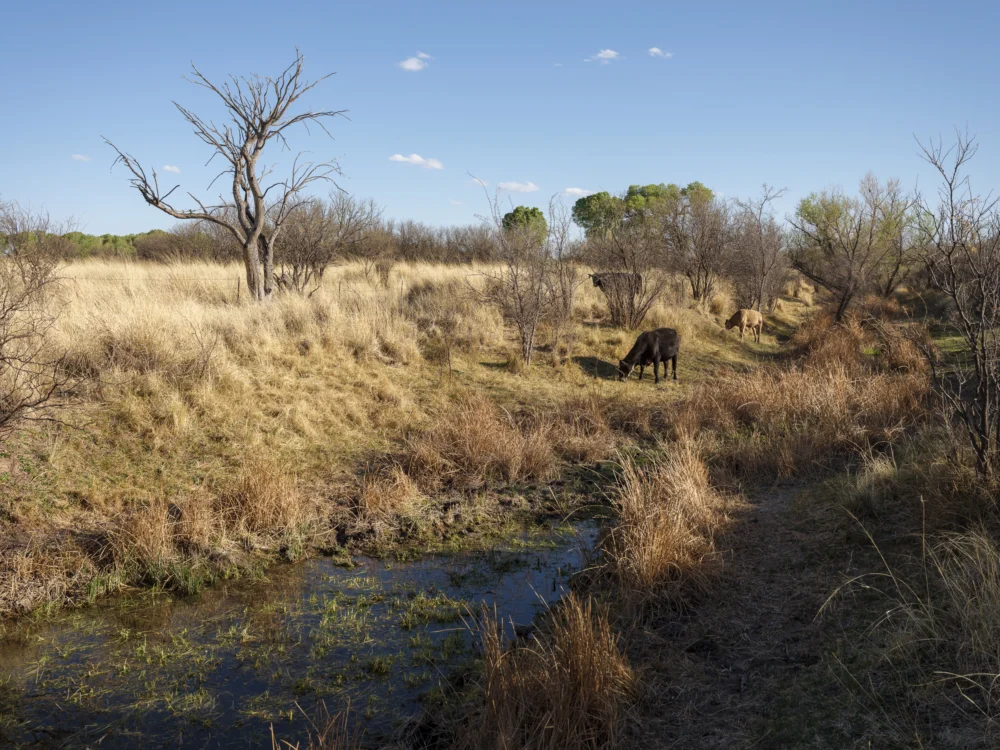
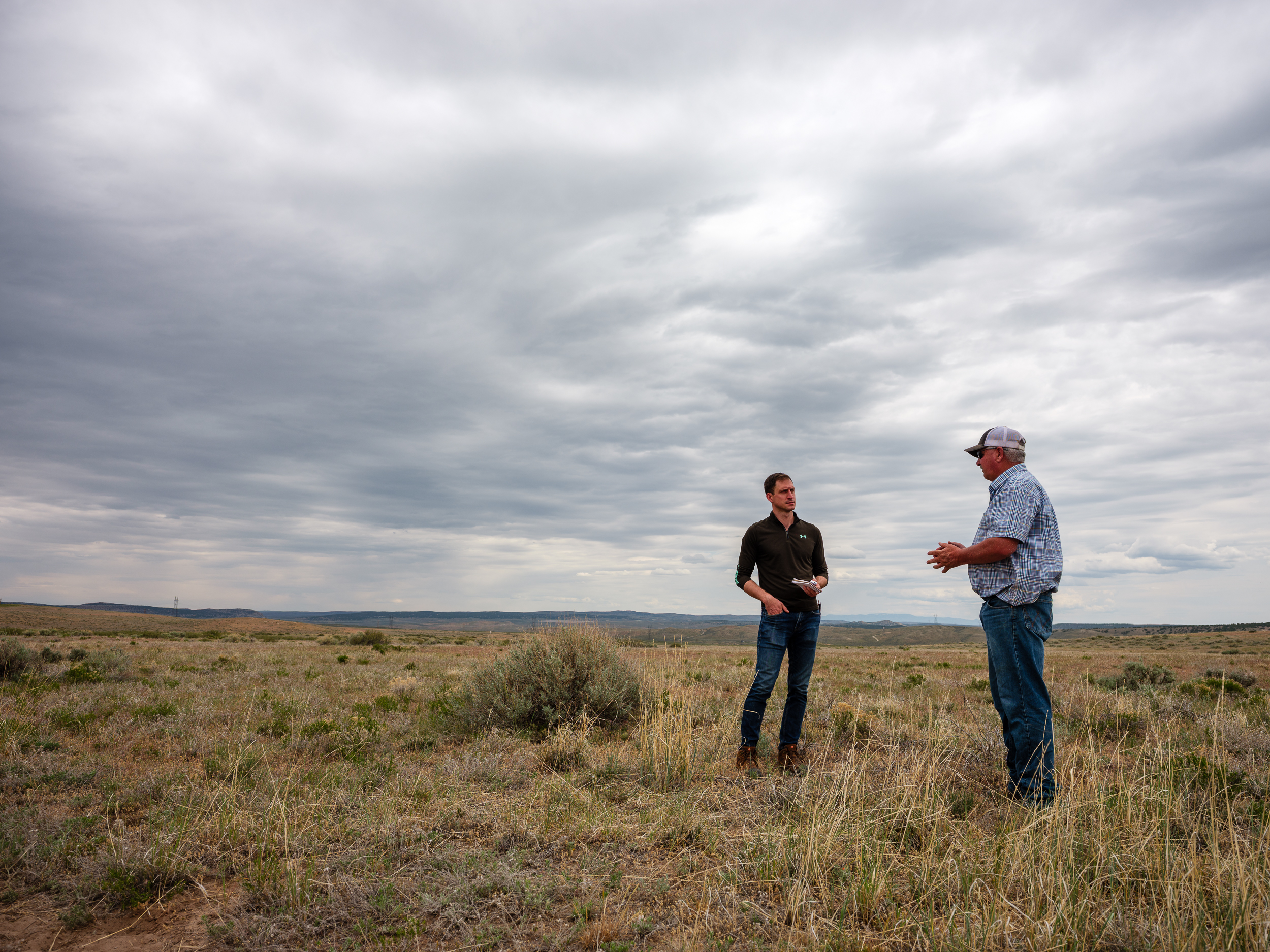
The investigation’s methodology involved an unprecedented deep dive into the opaque workings of federal land management, requiring the collection and synthesis of information from over 100 public records requests submitted to key federal entities, including the Bureau of Land Management (BLM), the U.S. Forest Service, and various state agencies across the Western states. Researchers meticulously poured over thousands of government documents, ranging from internal memos to permit records, to construct a detailed picture of grazing operations. Beyond the bureaucratic paper trail, the inquiry also incorporated crucial on-the-ground perspectives, with reporters conducting extensive interviews with ranchers, conservationists, academic researchers, and current and former federal rangeland managers. This human element was further enriched by firsthand tours of grazing allotments in ecologically sensitive areas across Arizona, Colorado, Montana, and Nevada, providing tangible evidence of the environmental impacts and management practices in action.
A central focus of the investigation was to identify the largest beneficiaries of the federal grazing system and to quantify the economic advantages they receive. To achieve this, researchers meticulously analyzed vast datasets from the BLM and Forest Service, encompassing approximately 50,000 billing records sent to operators. The sheer scale of data required a lawsuit against the BLM to secure access, highlighting the challenges in obtaining transparency on public land use. The analysis concentrated on the most recent grazing fee year, spanning from March 2024 through February 2025, a period often referred to as the "fiscal year for cows." The primary metric used to gauge the size and scale of ranching operations was the number of animal unit months (AUMs) billed to each permittee. An AUM represents the amount of forage needed to sustain one cow and its calf, one horse, or five sheep or goats for a month, serving as a standardized measure of livestock foraging impact and permit allocation. By meticulously tracing connections among the largest operators, including grouping subsidiaries with their parent companies, the investigation unveiled that a disproportionately small percentage of permittees control a substantial share of public-lands ranching, underscoring a concentration of access and benefits.
The financial advantages for these public-lands ranchers emerged as a critical finding. The investigation calculated the significant savings permittees accrue by utilizing federal allotments compared to grazing their herds on private property. This calculation involved multiplying the annual open market grazing price in each respective state by the number of AUMs billed to the permittee, then subtracting the comparatively lower fees charged by the federal government for those AUMs. Data from the U.S. Department of Agriculture’s annual research on grazing fees for 2024, published by the BLM, provided the basis for ascertaining each state’s average free market rate. This disparity between federal fees and private market rates has long been a contentious issue, with critics arguing that taxpayers subsidize private enterprise, while proponents emphasize the economic lifeline federal grazing provides to rural communities and its role in fire mitigation through vegetation management. The low federal grazing fee, currently set through a formula that often keeps it significantly below market rates, represents a direct financial benefit, a form of public support that allows ranchers to operate with lower overheads than their counterparts relying solely on private lands.
Beyond the AUM-based financial analysis, the investigation also compiled a list of the largest ranchers on Forest Service land by acreage, data provided directly by the agency in response to a Freedom of Information Act request. While confirming the accuracy of these acreage figures, some ranchers, like Mark Martinez of S. Martinez Livestock, which holds extensive permits, offered a crucial nuance. Martinez highlighted that livestock do not graze across the entirety of the permitted acreage every year. This variability stems from several factors, including areas rendered unsuitable by wildfire, sections designated as off-limits for environmental protection, and the practice of rotational grazing where animals utilize specific pastures only for part of the year to allow other areas to recover. This distinction between permitted acreage and actual grazed acreage underscores the complexities of land management and the dynamic nature of ecological conditions that influence grazing practices.

Adding another layer to the financial support system, the investigation meticulously cataloged a range of subsidies the Agriculture Department provides to public lands ranchers. These estimates were derived from extensive data from the Agriculture Department’s Farm Service Agency and Risk Management Agency. The list of programs benefiting these ranchers is extensive and includes the Livestock Forage Program, designed to assist producers who suffer grazing losses due to drought or fire; the Federal Crop Insurance Program’s Pasture, Rangeland, Forage category, which offers risk management tools for forage losses; the Livestock Indemnity Program, providing compensation for livestock deaths due to adverse weather or attacks by reintroduced wildlife; Emergency Assistance for Livestock, Honeybees, and Farm-Raised Fish; the temporary Emergency Livestock Relief Program; Livestock Risk Protection policies specifically for beef cattle, which protect against declining market prices; and the Grassland Conservation Reserve Program, which incentivizes the conservation of grasslands. These multiple layers of federal support, from low grazing fees to direct financial aid for various risks, collectively represent a substantial public investment in the ranching sector operating on federal lands.
Perhaps the most alarming finding revolved around the Bureau of Land Management’s escalating reliance on legal exemptions to bypass essential environmental reviews for grazing permits and related land-health assessments. Environmental reviews, typically mandated by the National Environmental Policy Act (NEPA), are designed to ensure that federal agencies consider the environmental impacts of their actions and involve public input before making decisions. Their circumvention raises serious questions about the long-term health of fragile Western ecosystems. The investigation utilized geospatial data compiled by the conservation group Public Employees for Environmental Responsibility, last updated in December 2023, to provide a comprehensive view of the land-health status of BLM allotments. This data offers a critical baseline for understanding the ecological condition of these public lands.
To further track the agency’s shift in regulatory practice, the investigation incorporated data from the environmental group Western Watersheds Project’s "Renew or Review" initiative, which meticulously pulled information from the BLM’s Rangeland Administration System in September 2023. By joining these two distinct datasets, researchers could precisely determine whether an allotment’s grazing authorization had undergone a full environmental review or had been reauthorized through an exemption. The analysis revealed a troubling trend: while excluding a small percentage of allotments with conflicting designations or boundary changes, the proportion of acreage authorized by the BLM via exemptions in 2023 showed a significant increase compared to 2013. This trend suggests a systemic shift towards less rigorous environmental scrutiny over time, potentially allowing grazing to continue on degraded lands without adequate mitigation or public discourse. Similar conclusions regarding the Forest Service’s use of exemptions were drawn from analyses of the agency’s GIS grazing allotment data, suggesting a broader pattern across federal land management bodies.
To fully grasp the regulatory environment fostering these outcomes, the investigation went beyond data, engaging directly with those on the front lines of land management. Interviews with ten current and former BLM employees, ranging from upper management to field staffers on interdisciplinary teams responsible for land health assessments and permit reviews, offered invaluable insights. These conversations revealed the internal pressures, resource constraints, and policy directives that have contributed to the increased use of exemptions. The direct observation of environmental impacts was also a crucial component, with reporters dedicating several days to driving and hiking across various BLM and Forest Service grazing allotments. These firsthand observations included critical habitats within the Las Cienegas National Conservation Area, known for its rare desert wetlands; the Gila Box Riparian National Conservation Area; the Agua Fria National Monument, home to significant cultural resources; and the Coronado National Forest in central and southern Arizona. The presence of cattle grazing in a creek flowing through Las Cienegas National Conservation Area, an area designated as critical habitat for five threatened or endangered species and supposedly off-limits to livestock, exemplified the direct conflict between grazing practices and conservation mandates observed during these field tours.
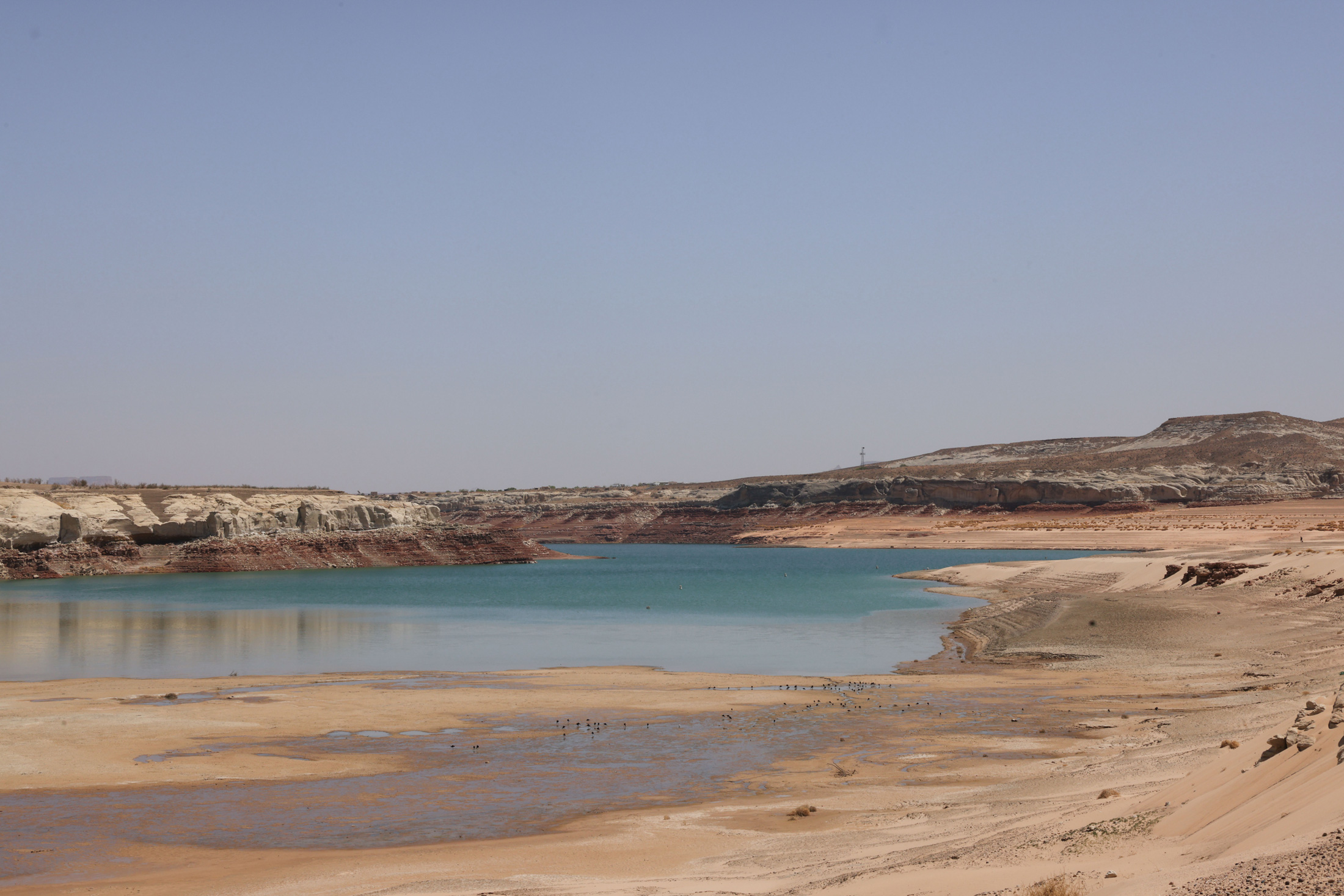
The findings of this investigation contribute significantly to the ongoing global discourse on sustainable land management, particularly in arid and semi-arid regions facing heightened climate change impacts. The Western United States, like many other parts of the world, is grappling with increasing droughts, wildfires, and biodiversity loss, making the robust oversight of land use practices more critical than ever. The revealed patterns of extensive financial support coupled with diminished environmental review highlight a system that appears to prioritize short-term economic interests over long-term ecological health and public accountability. As federal agencies navigate the complex mandates of multiple-use land management, the investigation underscores the urgent need for greater transparency, strengthened environmental safeguards, and a re-evaluation of policies that may inadvertently exacerbate environmental degradation on precious public lands. The implications extend beyond the American West, serving as a cautionary tale and a call for more robust governance in public land stewardship worldwide, where balancing human activity with ecosystem resilience remains a paramount challenge.