Joko Susilo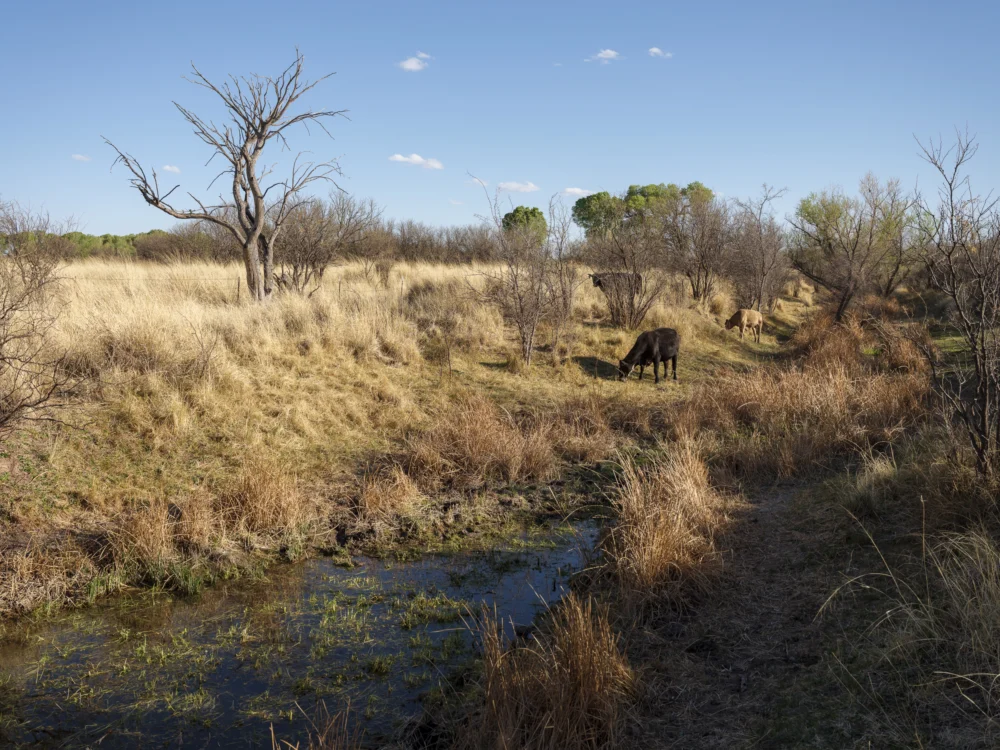
The investigation’s core findings highlight a stark disparity in the distribution of grazing rights and benefits. Researchers scoured roughly 50,000 billing records from the Bureau of Land Management (BLM) and the Forest Service, meticulously analyzing the most recent grazing fee year, which spanned from March 2024 through February 2025. This analysis utilized Animal Unit Months (AUMs), a standard measure of livestock foraging capacity, to gauge the scale of individual ranching operations. By grouping related entities and subsidiaries, the inquiry revealed that the top 10% of permittees effectively control a disproportionate share of public-lands ranching, signifying a highly concentrated industry landscape. These large operators enjoy a substantial financial advantage by grazing their herds on federal land at rates significantly below the open market.
To quantify these savings, the investigative team cross-referenced the number of AUMs billed to each permittee with the U.S. Department of Agriculture’s (USDA) annual research on average free-market grazing rates for each state in 2024. The difference between what ranchers paid the federal government and what they would have paid on private property unveiled considerable financial benefits, underscoring the implicit subsidy embedded within the federal grazing fee structure. Historically, federal grazing fees have been kept low due to a combination of political influence, a desire to support the ranching industry in arid regions, and a formula that often lags behind market realities, creating a significant economic incentive for permit holders.
Beyond these reduced grazing fees, the investigation also cataloged an extensive array of direct and indirect federal subsidies flowing to public lands ranchers. Drawing on data from the USDA’s Farm Service Agency and Risk Management Agency, researchers identified substantial payments from programs such as the Livestock Forage Program, designed to assist producers in drought-affected areas; the Federal Crop Insurance Program’s Pasture, Rangeland, Forage category, which offers insurance against forage loss; and the Livestock Indemnity Program, providing aid for livestock deaths caused by adverse weather or attacks by reintroduced predators. Other programs contributing to this financial safety net include the Emergency Assistance for Livestock, Honeybees and Farm-Raised Fish, the temporary Emergency Livestock Relief Program, and Livestock Risk Protection policies specifically tailored for beef cattle, alongside the Grassland Conservation Reserve Program. These programs, while intended to stabilize agricultural production, collectively channel considerable public funds into an industry already benefiting from below-market rates, raising questions about the fairness and sustainability of the current system.
The environmental implications of this system form a critical component of the investigation. Researchers compiled a list of the largest ranchers on Forest Service land by acreage, obtained directly from the agency through a Freedom of Information Act request. While some of these largest permittees confirmed the accuracy of the acreage figures, they also noted that livestock do not graze the entire permitted area annually due to factors such as post-wildfire recovery, environmental restrictions, or rotational grazing practices. This distinction highlights the complexity of land management and the challenges in assessing actual ecological impact versus permitted capacity.

A particularly alarming finding centered on the Bureau of Land Management’s escalating use of legal exemptions to bypass environmental reviews and land-health assessments for grazing permits. Environmental legislation, such as the National Environmental Policy Act (NEPA) and the Endangered Species Act (ESA), mandates rigorous review processes to ensure federal actions do not harm the environment or threatened species. However, the investigation found a growing trend towards using exemptions, which effectively fast-track permit reauthorizations without the comprehensive analysis typically required.
To track this trend, the inquiry utilized geospatial data compiled by the conservation group Public Employees for Environmental Responsibility (PEER), which provided insights into the land-health status of BLM allotments, last updated in December 2023. This data was then integrated with information from the environmental group Western Watersheds Project’s "Renew or Review" initiative, which documented whether allotments were reauthorized through full environmental review or via an exemption, drawing from the BLM’s Rangeland Administration System as of September 2023. By joining these datasets, the investigation could precisely map the increasing reliance on exemptions. For instance, an analysis of 2013 and 2023 data showed a significant rise in acreage authorized for grazing through these expedited processes, with less than 1% of allotments having conflicting designations, ensuring a robust and conservative estimate of the trend. The Western Watersheds Project also extended its methodological scrutiny to the Forest Service’s use of similar exemptions, relying on the agency’s own GIS grazing allotment data to reveal a consistent pattern across federal land management agencies.
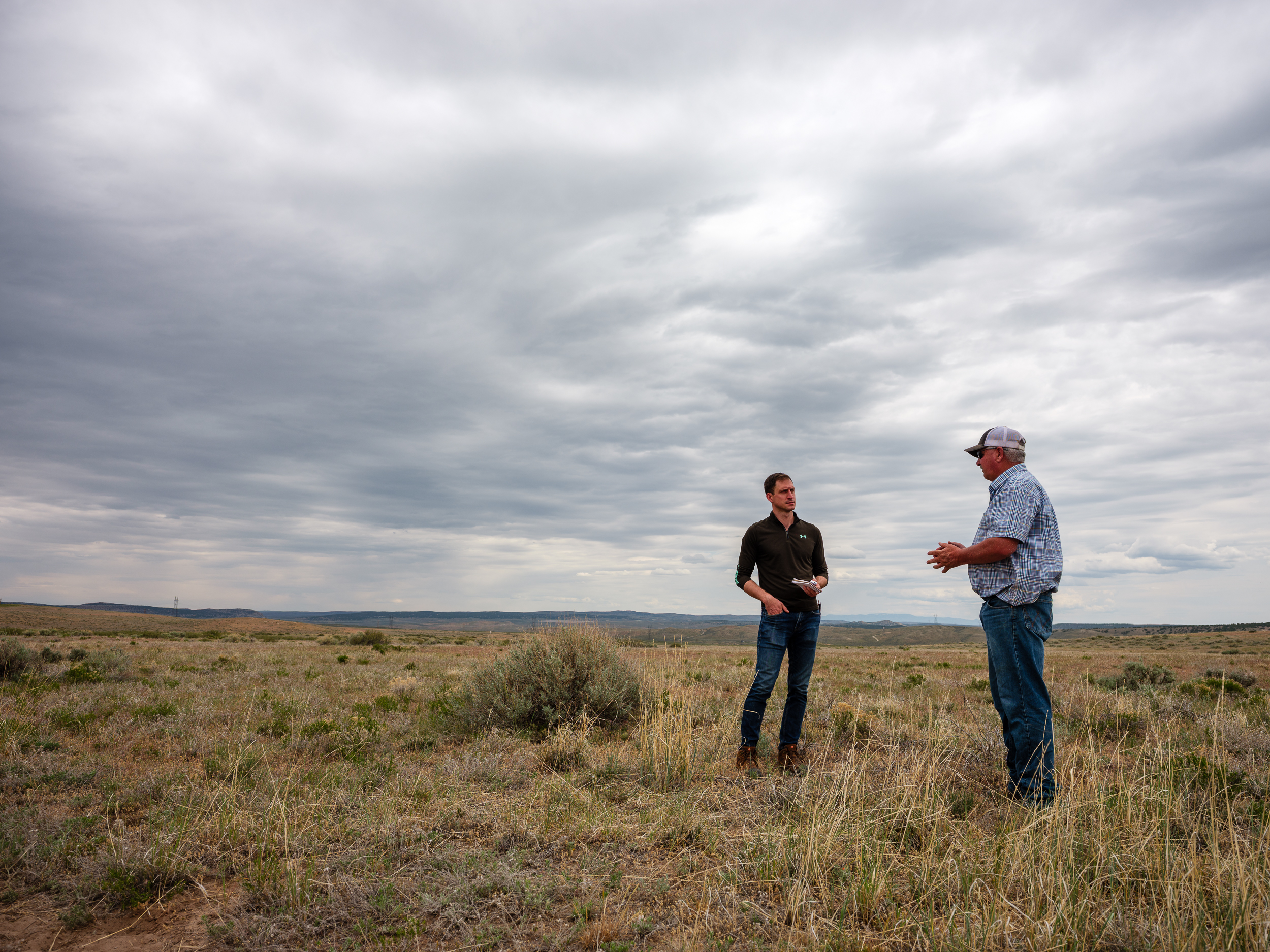
The real-world consequences of these regulatory bypasses were vividly demonstrated through firsthand tours of BLM and Forest Service grazing allotments. Reporters spent several days observing environmental impacts in central and southern Arizona, including within the sensitive ecosystems of the Las Cienegas National Conservation Area, the Gila Box Riparian National Conservation Area, Agua Fria National Monument, and Coronado National Forest. In Las Cienegas, for example, cattle were observed grazing directly in a creek designated as critical habitat for five threatened or endangered species, an area specifically intended to be off-limits to livestock. Such observations underscore the direct link between the regulatory environment and tangible ecological degradation, impacting biodiversity, water quality, and the overall health of fragile riparian zones.
Interviews with ten current and former BLM employees, ranging from upper management to field staff on interdisciplinary teams responsible for land health assessments and permit reviews, provided crucial context to these findings. These interviews painted a picture of a system under immense pressure, with resource constraints, political directives, and a culture that sometimes prioritizes expediting permits over thorough environmental scrutiny. Many described the challenges of balancing ranching interests with conservation mandates, often feeling caught between conflicting priorities and lacking the necessary resources to conduct comprehensive, science-based land management. This regulatory environment, characterized by an increasing reliance on exemptions, has allowed grazing permits to persist on degraded lands, exacerbating ecological issues such as soil erosion, altered vegetation composition, and reduced water infiltration, which are critical in arid Western landscapes.
Globally, the management of public rangelands presents a continuous challenge, with many nations grappling with how to balance economic activity, food security, and environmental stewardship. While specific regulatory frameworks vary, the fundamental tension between supporting traditional livelihoods and preserving ecological integrity resonates in regions from the vast steppes of Central Asia to the grazing lands of Australia and the savannas of Africa. The findings of this investigation offer a stark reminder that even in developed nations with robust environmental laws, systemic pressures and economic incentives can lead to outcomes that undermine long-term sustainability. The concentration of benefits among a few large operators, coupled with a loosening of environmental oversight, calls into question the equitable and ecological wisdom of current public land grazing policies in the American West, highlighting an urgent need for reevaluation to ensure these vital natural resources are managed for the benefit of all citizens and future generations.