Roger Danuarta
This urgent call for an ethics probe follows a series of investigative reports that shed light on Budd-Falen’s financial ties to the contentious Thacker Pass lithium mine in Nevada. These reports, initially published in December, revealed that her husband entered into a substantial agreement in 2018 to sell water rights from a family ranch to the developers of the Thacker Pass project. This lucrative deal was reportedly finalized shortly after Budd-Falen assumed a top legal role within the Interior Department in November 2018, marking the beginning of her tenure in the first Trump administration. Crucially, Budd-Falen reportedly omitted any mention of her family’s direct financial involvement with the mine on multiple government financial disclosure forms submitted between 2018 and 2021. Further scrutiny of internal documents indicates that in November 2019, while serving as a senior Interior Department appointee, she engaged in meetings with executives representing the mine’s parent company. The Trump administration subsequently fast-tracked the mine’s approval process, issuing a Record of Decision just days before leaving office in January 2021, a move that critics argue sidestepped rigorous environmental oversight.
The details of the financial transaction between Budd-Falen’s family and the mining corporation were further elucidated by subsequent media investigations, which confirmed that Lithium Nevada Corp., the developer behind the Thacker Pass project, paid Budd-Falen’s husband $3.5 million for the water rights. This payment was explicitly contingent upon the successful federal regulatory approval of the mine, linking the private financial gain directly to a decision made under the purview of her department. The Bureau of Land Management (BLM), an agency within the Interior Department, ultimately granted approval for the project, which encompasses approximately 5,700 acres of public land in northern Nevada.
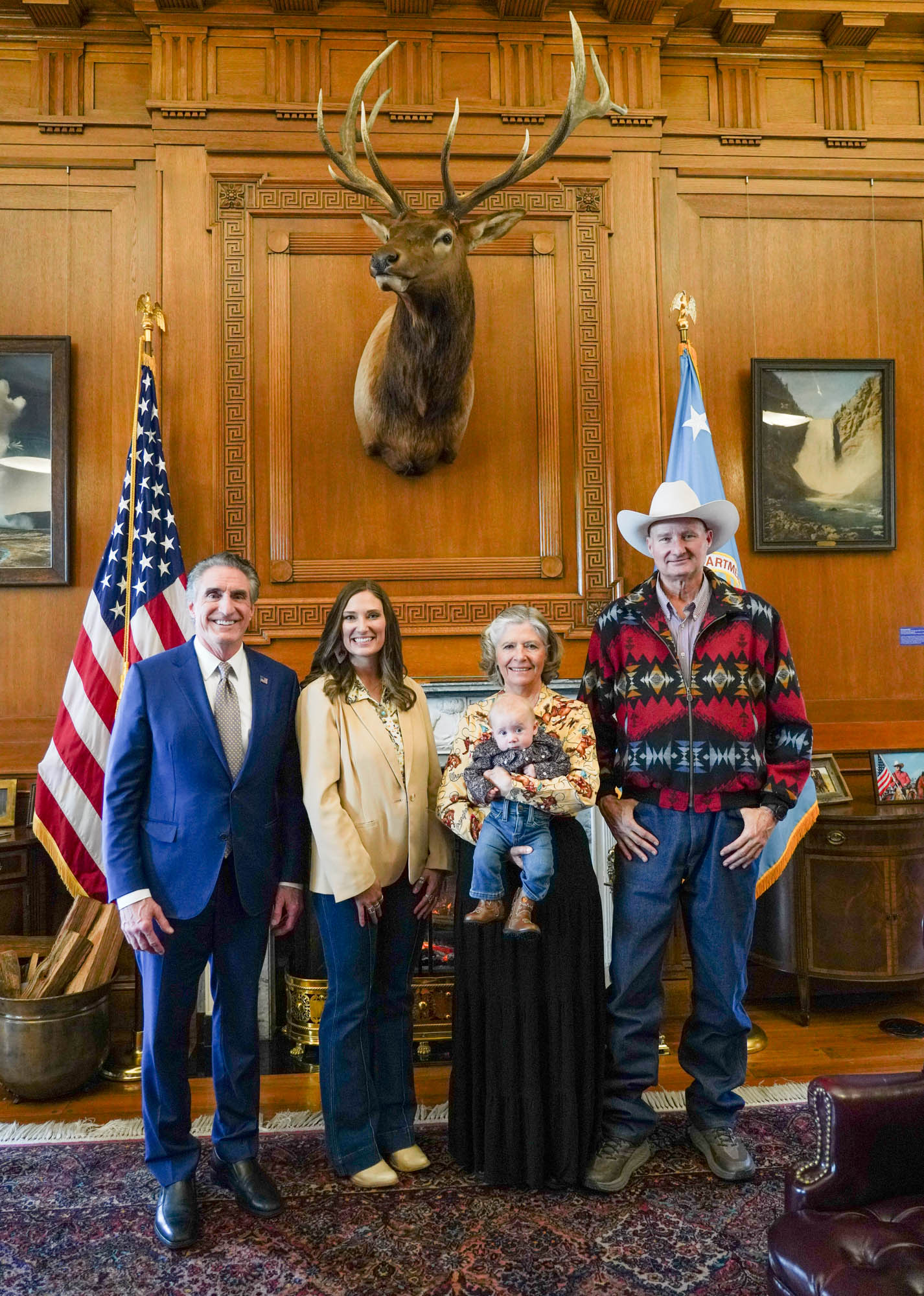
Karen Budd-Falen’s career has been characterized by her staunch advocacy for property rights and her often-antagonistic stance towards federal land management policies, aligning with the "wise use" movement that seeks to expand resource extraction and reduce federal oversight on public lands. Her appointment to the Interior Department, an agency responsible for managing over 500 million acres of public lands and waters, overseeing energy development, conserving natural and cultural resources, and fulfilling trust responsibilities to Native American tribes, was seen by many as a strategic move to advance these priorities. Given her background, her involvement in decisions affecting large-scale resource extraction projects, particularly those on public lands, has always attracted significant attention. The "No. 3 position" she held—Principal Deputy Solicitor—is a powerful role, wielding considerable influence over legal interpretations and policy directives across the department’s vast portfolio, from national parks to mineral leases.
The Thacker Pass lithium mine itself is at the epicenter of a broader national and global debate over critical mineral extraction and environmental protection. Lithium, a vital component for electric vehicle batteries and renewable energy storage systems, has become a strategic resource in the global push towards decarbonization and energy independence. The United States, seeking to bolster its domestic supply chains and reduce reliance on foreign sources, has identified lithium as a critical mineral. However, the extraction of lithium, particularly through open-pit mining operations like Thacker Pass, carries significant environmental and cultural implications. Critics point to the immense water usage in arid regions, potential contamination of groundwater and surface water, destruction of sensitive habitats, and the disturbance of sacred indigenous lands. The Thacker Pass site, located in Humboldt County, Nevada, is particularly controversial due to its proximity to tribal lands and its historical significance for local Paiute and Shoshone communities. Environmental groups and tribal nations have actively opposed the mine, citing concerns about its impact on culturally important sites, water resources, and wildlife.
Federal ethics laws and regulations are designed to prevent government officials from using their public office for private gain and to ensure transparency and impartiality in decision-making. These laws typically require senior government employees to disclose their financial interests, recuse themselves from matters that could present a conflict of interest, and avoid even the appearance of impropriety. The Inspector General’s office plays a crucial role in investigating allegations of waste, fraud, and abuse within federal agencies, serving as an internal watchdog to uphold accountability and integrity. The lawmakers’ letter underscores the gravity of the allegations, suggesting that Budd-Falen’s alleged failure to disclose her family’s financial interest, coupled with her participation in meetings and decisions related to the mine, constitutes a direct breach of these ethical standards.

The Center for Western Priorities, a prominent conservation advocacy group, reacted sharply to the revelations. Aaron Weiss, the organization’s deputy director, emphasized the "incredibly damning" nature of the internal documents cited by the lawmakers. He called for immediate action, stating, "At the very least, Secretary Burgum must suspend Karen Budd-Falen pending the outcome of any investigation." Weiss further warned that Budd-Falen’s alleged "lack of candor to ethics officials casts a shadow on anything that crosses her desk today, and on everything she has worked on during the Trump administration," highlighting the potential for erosion of public trust in government processes.
This unfolding ethics scandal comes at a time when the Biden administration is navigating a complex balance between accelerating domestic critical mineral production and upholding stringent environmental review processes. While the administration has signaled support for increasing domestic lithium supplies, it has also emphasized the need for responsible mining practices, robust environmental protections, and meaningful consultation with tribal nations. The allegations against Budd-Falen could therefore influence future policy discussions regarding mineral extraction, environmental impact assessments, and the ethical conduct expected of public servants, particularly those involved in decisions with profound implications for public lands and natural resources. As the investigation progresses, the Department of the Interior faces heightened scrutiny regarding its past decisions and the integrity of its appointed officials. The full scope of Budd-Falen’s involvement and the extent of any ethical breaches will depend on the thoroughness of the Inspector General’s probe and the public release of all relevant documents, including her complete ethics agreement, which remains outstanding.