Roger Danuarta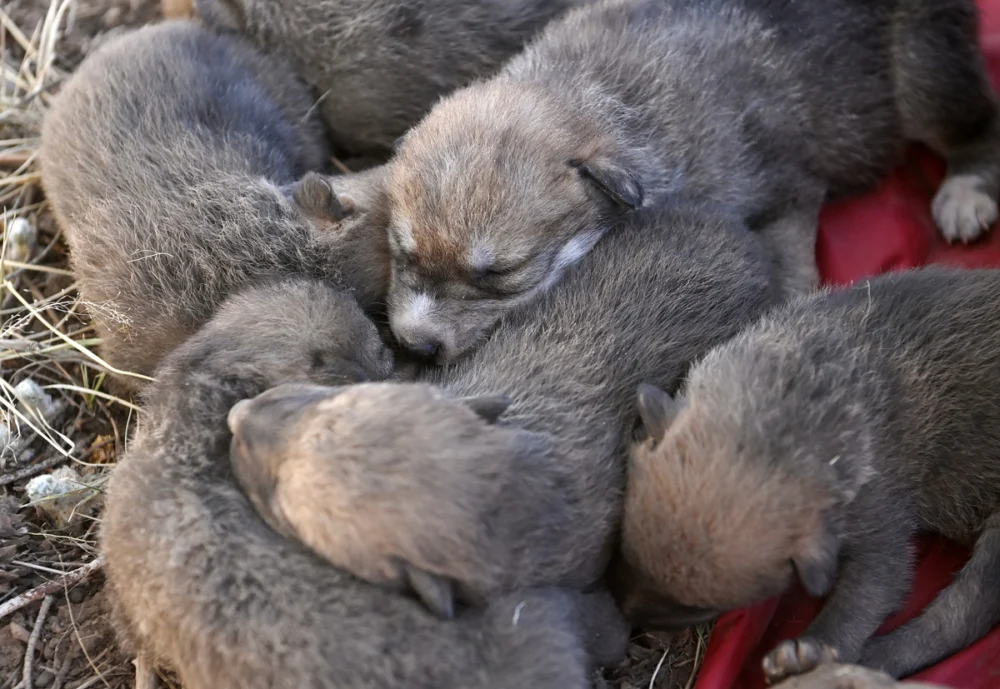
The year 2025 has unfolded as a pivotal period for the Mexican wolf, an iconic and imperiled subspecies of gray wolf (Canis lupus baileyi) whose journey from near extinction to a precarious resurgence in the American Southwest has captured national attention. According to the latest census, released in March, the wild population has reached approximately 286 individuals roaming across Arizona and New Mexico, marking an encouraging nine-year streak of growth since their reintroduction in 1998. This apparent bounding toward recovery has, however, ignited a fierce debate over the future of federal protections, with U.S. Representative Paul Gosar, a Republican from Arizona, introducing a bill in July aimed at removing them from the list of federally endangered species.
During a subcommittee hearing this fall, Congressman Gosar articulated his rationale, contending that continued federal oversight is no longer necessary. He emphasized the burdens faced by ranchers and rural communities, citing a perceived increase in livestock and sheep losses due to wolf predation. While he also mentioned "even family pets," federal recovery program records indicate that Mexican wolf attacks on domestic animals are rare, with one dog reportedly killed in 2023 and another injured in 2024. This perspective underscores the deep-seated conflicts that often arise when apex predators are reintroduced into landscapes shared with agricultural interests, a challenge not unique to the American Southwest but echoed in conservation efforts globally.

Conversely, a coalition of wolf advocates, conservation organizations, and tribal representatives strongly argue that such a delisting action would be dangerously premature. They point out that the wild population has not yet met the crucial threshold of 320 wolves averaged over an eight-year period, nor have other comprehensive benchmarks established by the U.S. Fish and Wildlife Service (FWS) in its recovery plan been achieved. This scientific framework, meticulously developed to guide the species toward sustainable recovery, stands as a critical safeguard against premature removal of protections. Bryan Bird, Southwest director for Defenders of Wildlife, cautioned that legislative intervention at this stage could unravel decades of painstaking conservation efforts. He highlighted a significant disparity in state-level protections: while New Mexico currently lists the Mexican wolf as endangered, thereby protecting them from hunting even without federal status, Arizona lacks comparable state-specific safeguards. This discrepancy raises serious concerns about the species’ vulnerability should federal protections be withdrawn. Bird passionately framed the ongoing recovery as "on the cusp of a really American wildlife success story, like the bald eagle or the American alligator," stressing the profound misfortune of legislative interference at such a critical juncture. He acknowledged that if delisting were to occur, states would likely collaborate with federal wildlife managers to maintain a viable population, aiming to prevent the necessity of relisting in the future, a costly and arduous process.
Beyond ecological and economic considerations, the cultural significance of the Mexican wolf adds another profound layer to the debate. Clark Tenakhongva, a Hopi rancher and artist, articulated the deep cultural and ecological impacts that delisting would have for the Hopi people. He emphasized the ancestral presence of wolves, stating, "They were here before humans, so we’re encroaching on their territory and their ancestral rights to roam the land." For the Hopi, wolves are not merely wildlife but integral components of their spiritual heritage, playing vital roles in kachina ceremonies, symbolizing a deep connection to the natural world. "They belong as much as humans and cattle on this land," Tenakhongva affirmed, highlighting a worldview that seeks coexistence and reverence for all living beings, a perspective shared by many Indigenous communities across North America where wolves hold sacred status.
Historically, successful legislative attempts to bypass the FWS’s administrative process for removing federal protections have been rare, suggesting that Congressman Gosar’s bill faces an uphill battle. A similar bill introduced by Gosar in 2015 ultimately failed. However, the current political landscape presents an unusual opportunity for delisting proponents. With Mexican wolf numbers at their highest since reintroduction began, and given the prevailing political dynamics in Congress, which some observers suggest may be more inclined to challenge long-established norms, proponents believe they have a unique chance to dismantle the subspecies’ federal safety net. This political maneuver, if successful, would set a precedent for legislative override of scientific recovery criteria, potentially impacting other endangered species.

The initial reintroduction of Mexican wolves into the ponderosa pine forests of southeastern Arizona in the 1990s was fraught with skepticism, even among federal wildlife managers. A primary concern from the outset was the extremely limited genetic diversity of the reintroduced animals. Their ancestry traced back to a mere seven "founders" from just three distinct genetic lineages, creating a severe genetic bottleneck. As Philip Hedrick, an emeritus professor at Arizona State University specializing in wildlife genetics, pointed out, "Every individual is as closely related as a sibling." Such high levels of inbreeding can severely impact reproductive success, increase susceptibility to diseases, and hinder the population’s ability to adapt to environmental stressors like warming temperatures, habitat fragmentation, or shifts in prey availability, all critical challenges in an era of accelerating climate change.
To mitigate these genetic risks and bolster the wild population, managers have had to navigate a complex path. While preserving genetic diversity necessitates keeping as many wolves alive as possible, the reality of wolf-livestock conflicts often leads to the removal or lethal control of wolves that become habituated to preying on domestic animals, a measure taken to appease livestock producers and maintain social tolerance for the species. Despite these inherent constraints, the collaborative efforts of federal managers, tribal leaders, and conservationists have yielded remarkable population growth over the past three decades. The U.S. Department of Agriculture established a compensation program for ranchers experiencing livestock losses, a crucial step in fostering coexistence. Concurrently, the FWS provided states and tribes with essential funding for non-lethal deterrence methods, designed to keep wolves away from valuable rangelands. Biologists also initiated an intensive captive breeding program, where Mexican wolves in over 60 zoos and other facilities across the country act as genetic matchmakers. Adult captive-bred wolves have been strategically released into the wild to inject much-needed genetic diversity, and since 2016, managers have successfully employed "cross-fostering," placing captive-born pups into wild dens to be raised by adoptive wolf families. Although challenging, with only about a quarter of the 99 pups released through 2023 surviving their first year, this innovative technique has proven vital for genetic rescue.
Should Congressman Gosar’s bill succeed in delisting the Mexican wolf, these extensive and expensive conservation efforts would likely face severe curtailment or be entirely transferred to the states, placing a significant financial burden on state wildlife agencies. Furthermore, promising new initiatives, such as allowing the expanding Mexican wolf population to naturally intermingle with the larger northern gray wolf population to the north – a move that would significantly enhance genetic diversity and range expansion – would face even steeper odds. Currently, Mexican wolves that venture north of I-40, the designated northern boundary of the official reintroduction area, are routinely captured and returned, a practice that limits their natural dispersal and genetic exchange. The FWS’s recovery plan also extends its requirements to Mexican wolves south of the border, mandating that the population in Mexico demonstrate consistent growth and reach 200 individuals before the subspecies as a whole can be delisted. With only an estimated 35 to 40 Canis lupus baileyi currently living in Mexico, achieving this goal is unlikely before 2043. Gosar’s bill explicitly seeks to "decouple" the U.S. population from the Mexican population, thereby allowing delisting in Arizona and New Mexico irrespective of the species’ recovery status in its southern range. This move could undermine binational conservation efforts and the holistic approach deemed necessary for the species’ long-term survival.

While the FWS, the Arizona Game and Fish Department, and the New Mexico Department of Fish and Wildlife have refrained from commenting directly on Gosar’s legislative proposal, their recent public statements reflect a palpable sense of optimism regarding the animal’s future. Following nine consecutive years of population growth, New Mexico Department of Game and Fish wildlife chief Stewart Liley, in a March press release, declared, "we are knocking on the door of recovery." This sentiment highlights the significant progress made through dedicated conservation efforts and the hope that sustained commitment can achieve the ultimate goal of a thriving, self-sustaining population.
Despite rising wolf numbers, confirmed livestock depredations have, counterintuitively, shown a decline, with verified wolf kills decreasing in four out of the past six years. Nevertheless, a segment of the ranching community remains deeply concerned. As the U.S. wolf population expands into new territories, some ranchers fear that livestock losses could multiply, especially given the prolonged drought conditions gripping the region, which may make natural prey harder for wolves to find, potentially increasing their reliance on domestic animals. Tom Paterson, president of the New Mexico Cattle Growers’ Association, whose operation recently lost a yearling steer to a wolf, expressed his concern that cattle in these areas are particularly vulnerable because they "don’t know how to protect themselves or their calves." Paterson supports Gosar’s delisting bill but also advocates for the continuation and expansion of the federal compensation program, which is authorized by Congress in the annual Farm Bill. He estimates that approximately $1.5 million annually would be needed to adequately compensate ranchers for anticipated losses, a stark contrast to the current allocation of $190,000. Despite the challenges, Paterson believes that "with the right management," a "sustainable recovery" is achievable, allowing both his business to thrive and wolves to persist on the landscape.
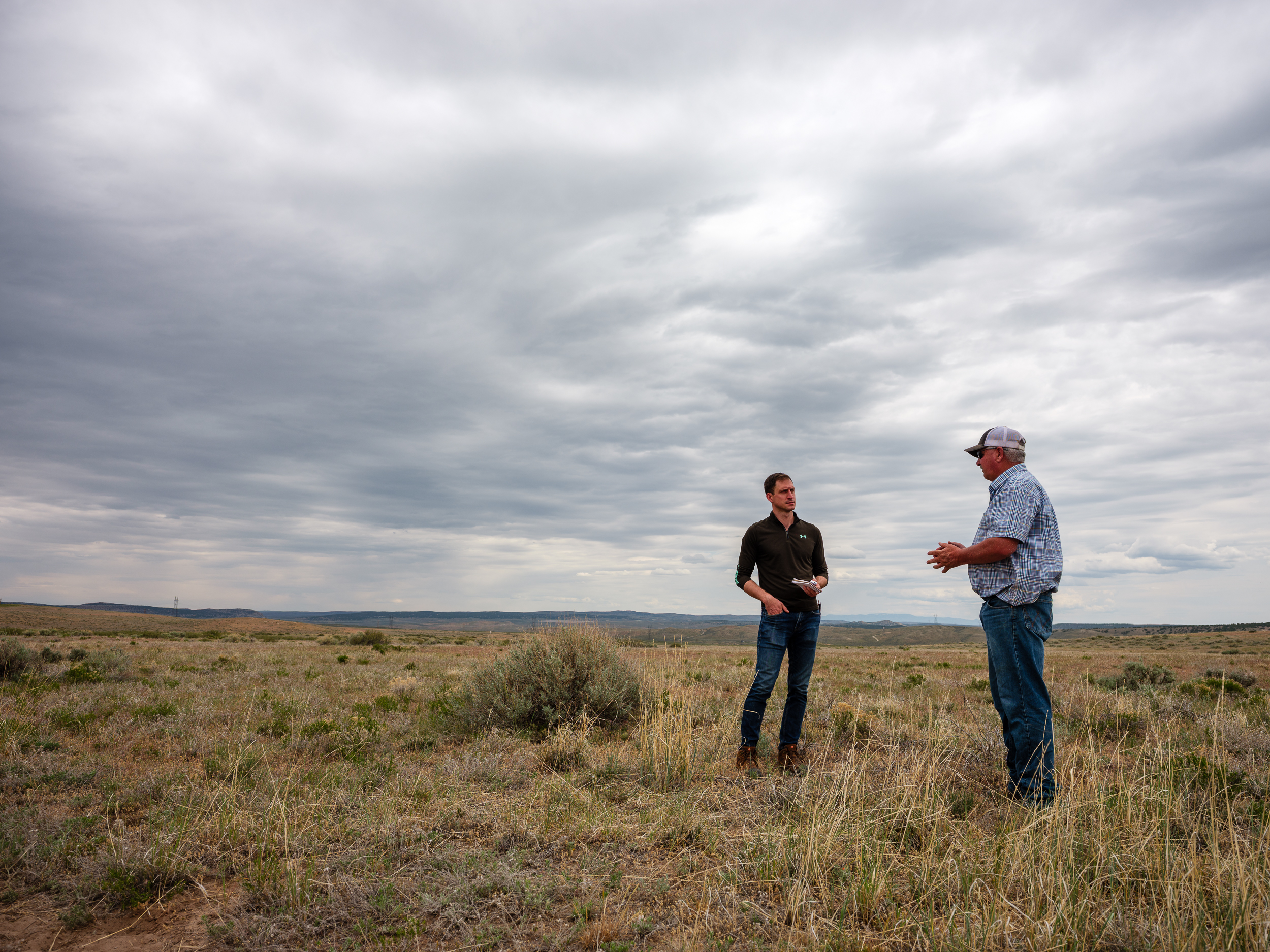
Effective coexistence, according to Sisto Hernandez, a former range management specialist for the White Mountain Apache Tribe and currently the Southwest resources coordinator for the Western Landowners Alliance, hinges on proactive planning and foresight on lands where wolves and livestock overlap. Hernandez notes that wolf managers have developed a diverse array of deterrence methods over the years, including "fladry" (strips of flagging on a fence line), electric fencing, and noise-making devices. In the vast, arid landscapes of the Southwest, he emphasizes the particular efficacy of range riders, whom he refers to as "conflict resolution specialists" to avoid the potentially loaded term "cowboy." These specialists can effectively monitor livestock across extensive areas, a crucial adaptation given the unique challenges of the region where "what works in Montana isn’t effective here." Hernandez underscores that safeguarding both livestock and wolves demands a blend of unwavering vigilance and operational flexibility. "You have to be adaptable," he advises, recognizing that "the same pack may behave differently from one ranch to the next." For Hernandez and the ranchers he works with, the ultimate goal transcends the delisting debate. What ranchers truly need, he asserts, "is to have the resources and technical assistance necessary to help us continue to steward the land we operate on. Because we’re not just taking care of livestock, we’re also stewarding the land for all of the wildlife species that we share the land with." This perspective highlights a shared responsibility for landscape health and biodiversity, advocating for a holistic approach that acknowledges the complex interdependence of humans, livestock, and wildlife in a delicately balanced ecosystem. The fate of the Mexican wolf thus serves as a microcosm for broader global conservation challenges, where scientific imperatives, cultural values, economic realities, and political will constantly intersect.