Joko Susilo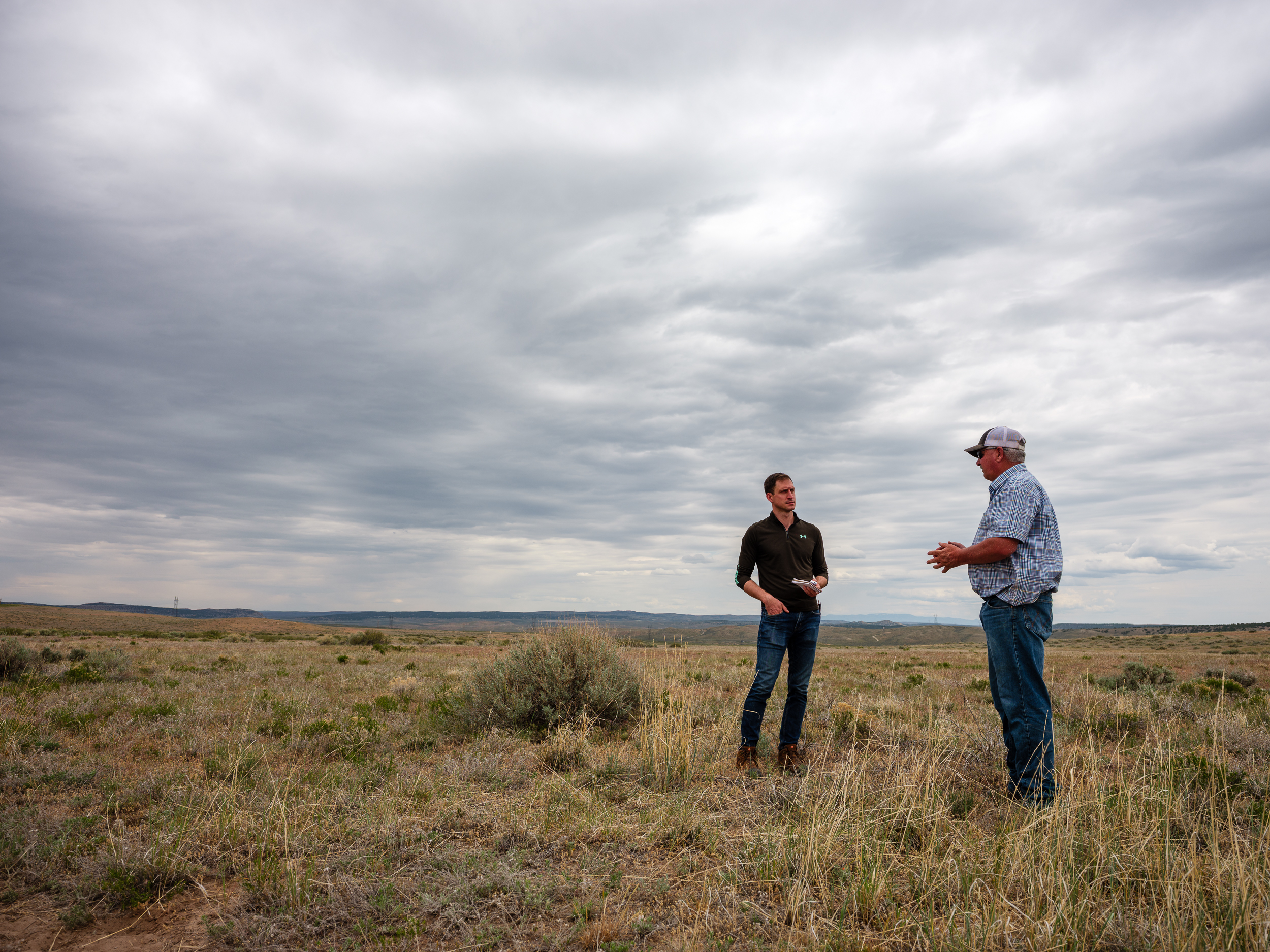
The vast expanse of public lands across the American West, an area exceeding twice the size of California, forms the backbone of the nation’s largest land use: livestock grazing. This extensive enterprise, however, operates under a complex federal system heavily reliant on billions of dollars in taxpayer subsidies, often at a significant cost to the environment and the integrity of these cherished landscapes. Amidst a political climate that has increasingly favored agricultural interests, a comprehensive investigation has peeled back the layers of this deeply embedded practice, revealing a system that prioritizes economic incentives for a select few while critical environmental oversight falters.
A meticulous collaborative investigation, involving extensive public record requests—including a lawsuit against the Bureau of Land Management (BLM) to secure crucial documents and data—alongside interviews with a diverse array of stakeholders from ranchers to conservationists, and on-the-ground tours of operations in Arizona, Colorado, Montana, and Nevada, has illuminated the intricate dynamics of public lands ranching. The findings underscore how this system, intended to manage resources, has transformed into a robust subsidy program, largely benefiting the wealthiest operators, while simultaneously enabling widespread ecological degradation and resisting meaningful reform through formidable political influence.
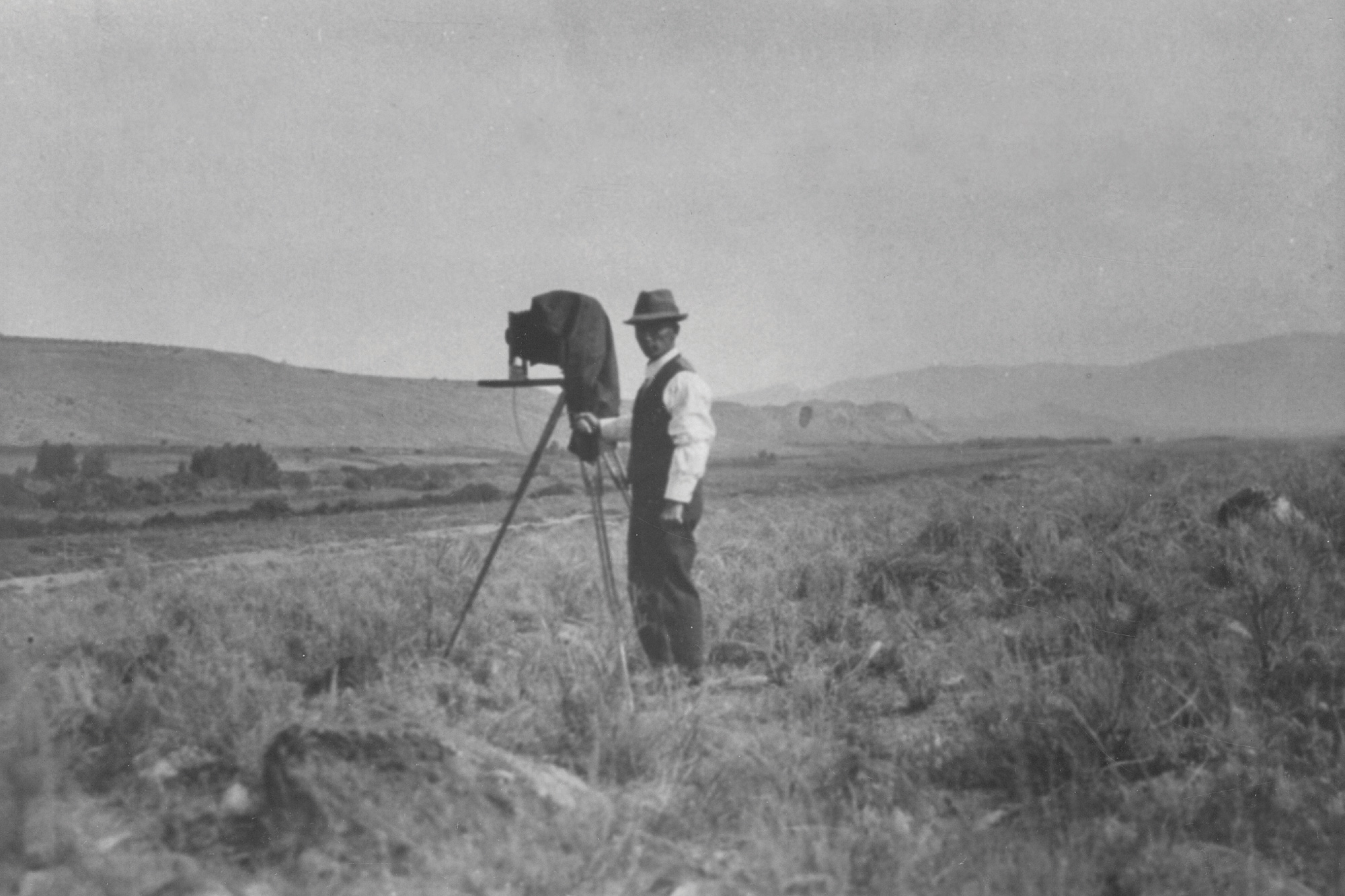
The genesis of federal oversight for public lands grazing traces back to the 1930s, a direct response to the ecological catastrophe of the Dust Bowl. This era of unprecedented environmental disaster, characterized by massive dust storms, was largely triggered by unsustainable agricultural practices, notably rampant overgrazing. The Taylor Grazing Act of 1934 was enacted to halt the degradation of public rangelands and stabilize the livestock industry. Yet, what began as a mechanism for resource management has, over decades, evolved into a sprawling subsidy program that underwrites the continuous grazing of these lands, often with minimal accountability.

Financial analyses reveal the profound economic imbalance at the heart of this system. In 2024, the Bureau of Land Management and the U.S. Forest Service, the two principal federal agencies tasked with overseeing these lands, collectively charged ranchers a mere $21 million in grazing fees. This figure represents an astounding average discount of approximately 93% compared to prevailing market rates for forage on private lands. The disparity extends far beyond nominal fees, as the federal government injected at least $2.5 billion into various subsidy programs accessible to public lands ranchers in 2024 alone. These subsidies encompass a broad spectrum of support, from critical disaster assistance following devastating droughts and floods—events increasingly common due to climate change—to compensation for livestock lost to predators, and even government-backed insurance schemes that shield ranchers from market volatility. This substantial public investment underscores a fundamental question about equitable resource allocation and taxpayer burden.
Paradoxically, while the narrative often emphasizes support for small, struggling ranchers, the benefits of this heavily subsidized system disproportionately accrue to a concentrated segment of the industry: a small number of wealthy individuals and powerful corporations. The investigation found that roughly two-thirds of all grazing on BLM-managed acreage is controlled by just 10% of permit holders. On Forest Service lands, the concentration is similarly stark, with the top 10% of permittees managing over half of all grazing. Among the beneficiaries are high-profile billionaires such as Stan Kroenke, owner of vast ranching empires, and media mogul Rupert Murdoch, along with large mining companies and public utilities, whose diverse portfolios often include extensive land holdings. Beyond direct cattle sales, the economic advantages of holding public lands grazing permits are multifaceted, extending to property tax breaks for associated private lands, federal tax deductions for ranching business expenses, and the inherent value of private property linked to these stable, long-term investments. Representatives for Kroenke did not respond to inquiries, and Murdoch’s representative declined to comment on these findings, highlighting the opacity surrounding the financial intricacies of these large-scale operations.
The current political environment, particularly under recent administrations, has actively worked to amplify these subsidies and diminish oversight. A "plan to fortify the American Beef Industry" released in October of a prior administration explicitly directed the BLM and Forest Service to revise grazing regulations, a first since the 1990s. The plan advocated for further taxpayer support through increased subsidies for drought and wildfire relief, predator losses, and government-backed insurance programs. While the U.S. Department of Agriculture defended livestock grazing as a "federally and statutorily recognized appropriate land use" and a "proven land management tool" for reducing invasive species and wildfire risk, critics argue that these justifications often overshadow the documented environmental damage. Although approximately 18,000 permittees utilize BLM or Forest Service land, many of them smaller operations contending with the need for government support to maintain solvency, the systemic issues of consolidation and environmental impact remain.
Adding to the concerns is a significant loosening of already lax oversight mechanisms. Public lands grazing permits, typically issued for 10-year terms, mandate an environmental review for renewal. However, a 2014 congressional act introduced a critical loophole, allowing for the automatic renewal of permits if federal agencies are unable to complete these reviews within the stipulated timeframe. This legislative change has had a profound impact. In 2013, the BLM approved grazing on 47% of its available land without a formal environmental review; a decade later, this figure had surged to approximately 75% of acreage. This erosion of environmental scrutiny is directly linked to the shrinking capacity of federal agencies. Office of Personnel Management data indicates a 39% reduction in BLM rangeland management staff between 2020 and 2024, with roughly one in ten such employees departing the agency in the period following a pivotal election year. This severe understaffing renders effective monitoring and enforcement virtually impossible, allowing environmental degradation to proceed unchecked.

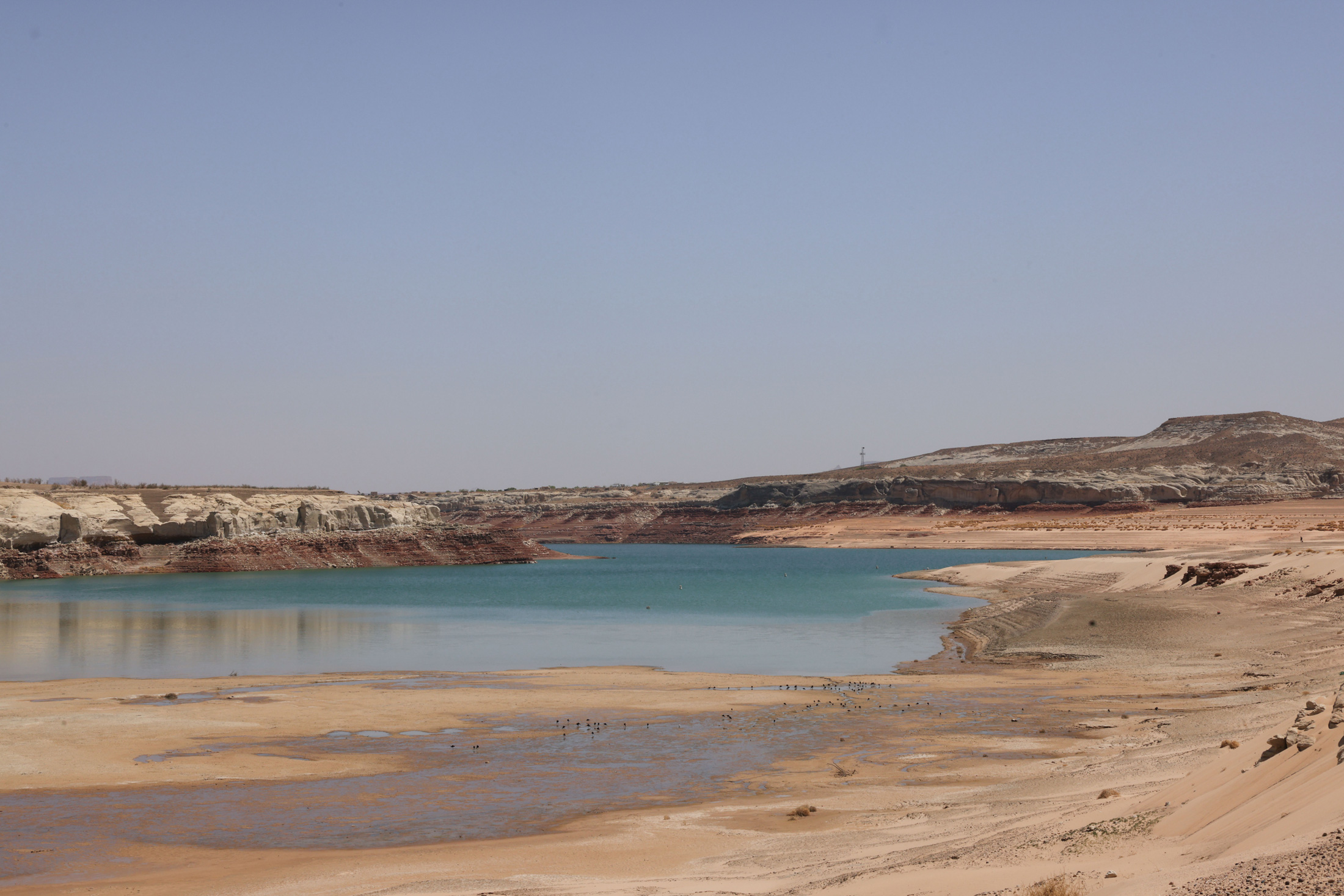
The consequences of this system are starkly visible across the Western landscape. The BLM oversees 155 million acres of public lands open to grazing, and its own assessments reveal that grazing practices have degraded at least 38 million acres—an area equivalent to half the size of New Mexico. Furthermore, the agency holds no records of land health assessments for an additional 35 million acres, leaving a substantial portion of public lands unmonitored and vulnerable. On-the-ground observations corroborate these findings, documenting extensive overgrazing, trampled streambeds, grasslands denuded of vegetation, and creeks fouled by livestock carcasses. These impacts ripple through ecosystems, contributing to soil erosion, diminished water quality, habitat destruction for native wildlife—including endangered species—and exacerbating the spread of invasive plants. While some ranchers, like Bill Fales in western Colorado whose family has run cattle for over a century, argue that ranching preserves open space crucial for wildlife like elk, bears, and mountain lions by preventing development, the broader ecological toll of current grazing practices, particularly without adequate oversight, presents a significant challenge to biodiversity and ecosystem health.
Efforts to reform the system face an uphill battle against deeply entrenched political influence. Interviews with ten current and former BLM employees, spanning various management levels, consistently revealed pervasive political pressure to avoid stringent enforcement against ranchers. "If we do anything anti-grazing, there’s at least a decent chance of politicians being involved," one BLM employee candidly stated, highlighting a prevailing sentiment that discourages actions perceived as contrary to ranching interests. While a BLM spokesperson affirmed that "any policy decisions are made in accordance with federal law and are designed to balance economic opportunity with conservation responsibilities," the reality on the ground often tells a different story.
The ranching industry boasts powerful allies in high places. Recent administrations have appointed individuals with direct ties to the industry to influential positions within federal land management agencies. For instance, a lawyer who had represented ranchers in legal battles against the government, and who held a stake in a Wyoming cattle operation, was appointed to a senior role at the U.S. Department of the Interior. Similarly, a tech entrepreneur with ranching interests in Idaho was placed in a position overseeing the Forest Service. This "revolving door" phenomenon between industry and government positions further solidifies the industry’s influence. Moreover, political figures from both sides of the aisle frequently intervene on behalf of ranchers. Agency communication logs obtained through public records requests show that members of Congress have contacted the BLM and Forest Service more than 20 times since 2020 regarding grazing issues, underscoring the bipartisan nature of this political advocacy.
The ongoing debate over public lands grazing in the American West represents a microcosm of larger global challenges concerning land use, resource management, and the balance between economic activity and environmental preservation. As climate change intensifies droughts and shifts ecological patterns, the sustainability of current grazing practices, propped up by substantial public funds and shielded by political influence, will face increasing scrutiny. The investigation’s findings reveal a system ripe for reevaluation, where the foundational principles of public stewardship and environmental health must contend with powerful economic interests and deeply ingrained political realities.