Roger Danuarta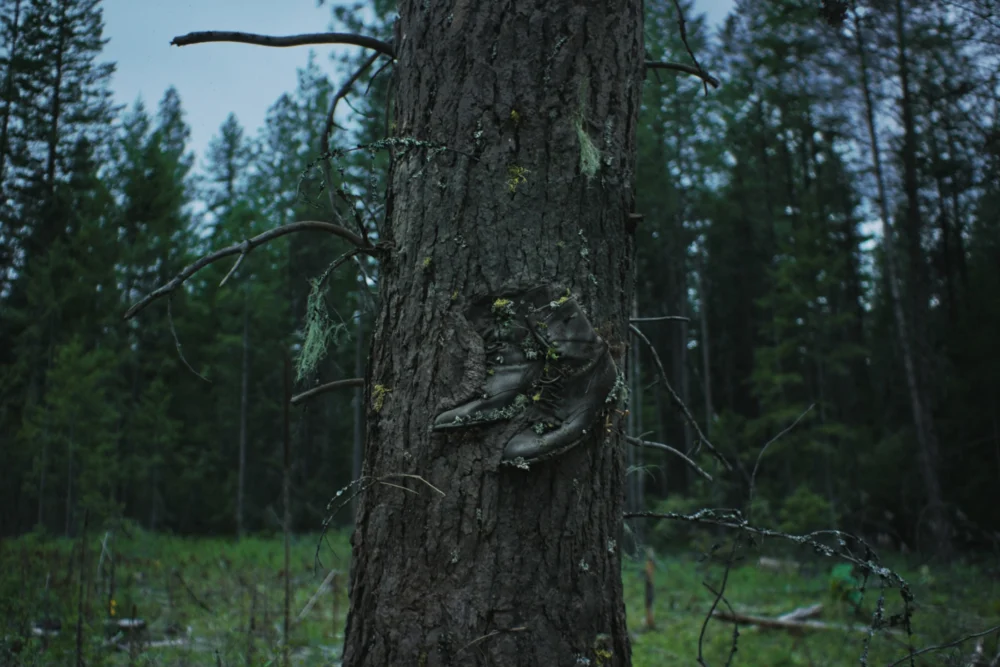
Denis Johnson’s acclaimed novella Train Dreams, a sparse yet profound exploration of solitude, loss, and the relentless march of industrialization in the American West, has found new life on screen with Clint Bentley’s Netflix adaptation, offering a timely reflection on the enduring themes of human connection to a rapidly changing natural world. The original text, a Pulitzer Prize finalist in 2012, cemented Johnson’s legacy as a master of American prose, celebrated for his ability to distill complex human experience into stark, evocative narratives, often set against the backdrop of harsh, unforgiving landscapes. Its cinematic interpretation arrives at a moment when societal introspection on environmental stewardship, labor exploitation, and the search for meaning in a tumultuous era feels more urgent than ever.

The novella first captured the imagination of many readers, including a former Forest Service trail crew member, amidst the very environment it depicts: the rugged, quiet wilderness of Washington’s Alpine Lakes. In 2019, while clearing the Jack Creek trail through a two-year-old burn, the raw descriptions of Robert Grainier’s life as a logging-crew laborer in the early 20th century resonated deeply. Grainier’s existence, marked by physical toil and profound isolation, mirrored aspects of the contemporary trail crew’s work. In federally designated wilderness areas, where motorized equipment remains strictly prohibited, teams rely on the same fundamental tools of a bygone era: two-person crosscut saws, axes, and pulaskis. This manual labor fosters a unique connection to the land and a demanding rhythm of life, characterized by "the straining, the heady exhaustion, the deep rest at the end of the day," a sentiment that transcends a century of technological advancement.
For years, this immersion in the natural world offered a profound escape, a sense of being "lost and far away… cut off from anything else that might trouble" a mind seeking solace from the complexities of modern existence. This deep engagement with the physical demands of trail work, a profession rooted in conservation and access to public lands, represented a seventh season of such commitment, a period of enchantment before the cumulative mental and physical toll began to manifest. However, the world, and indeed personal perspectives, underwent a significant shift. The onset of graduate studies, followed by the unprecedented global disruption of the 2020 pandemic, began to reframe the work within an ever-widening context. This evolving understanding, coupled with external economic pressures, specifically the impact of DOGE-related economic instability in early 2025, ultimately led to the conclusion of a dedicated Forest Service career, marking the end of an era defined by direct, tangible interaction with the wilderness.

The transition from page to screen for a work as nuanced as Train Dreams always presents a formidable challenge, especially when grappling with its unique blend of historical realism and almost folkloric surrealism. Director Clint Bentley’s Netflix adaptation, while undeniably beautiful and visually compelling, opts for a more grounded, dreamlike aesthetic rather than the book’s more pronounced strangeness. This choice, while lending the film its own powerful resonance, involves significant liberties with minor plot points and character portrayals, subtly altering the novella’s core spirit.
A pivotal example of this narrative reinterpretation lies in the depiction of Grainier’s involvement in a brutal act against a Chinese laborer. In Johnson’s novella, Grainier actively participates in dragging the man to his death from a railroad trestle, a stark portrayal of the era’s pervasive racial violence and Grainier’s own moral complicity, which fuels his subsequent quest for personal redemption. The film, however, softens this culpability, portraying Grainier as a mere bystander, even weakly attempting to intervene. This revision fundamentally shifts the narrative focus from individual sin and the arduous path to personal atonement to a broader critique of the "collective sins of society," an indictment of the larger industrializing world that relentlessly pursues Grainier like an inescapable curse. This thematic pivot, while potentially disappointing fans of Johnson’s original, imbues the film with a different kind of power. By toning down the supernatural elements and embracing a relative realism, the adaptation transforms the story into a poignant, albeit bleak, commentary on humanity’s often destructive relationship with the land and each other, a message that feels particularly resonant in our current global climate.

The early 20th-century American Pacific Northwest, with its burgeoning logging industry and rapid expansion of railroads, serves as more than just a backdrop; it is a character in itself, embodying the raw frontier spirit intertwined with burgeoning industrial might. The era was characterized by an insatiable demand for timber and the relentless drive to connect disparate regions through rail, often at immense human cost. Logging camps were harsh, isolated environments where dangerous work claimed countless lives. The exploitation of labor, particularly immigrant labor, was rampant. Chinese laborers, instrumental in building the transcontinental railroads, faced systemic discrimination, violence, and deplorable working conditions, a dark chapter in American history that Johnson’s novella unflinchingly addresses. The film’s decision to reinterpret Grainier’s role in the violence against a Chinese worker, while perhaps aiming for broader appeal or a more palatable narrative, risks diminishing the brutal historical reality and the depth of individual moral reckoning that defined Johnson’s original vision.
Bentley’s cinematic approach delves deeply into the exploitation of both land and human labor, examining its ripple effects across generations. This perspective is acutely relevant today, as public lands globally face renewed threats of extraction, and workers across various sectors grapple with precarious employment and the increasing expendability of human capital. The escalating frequency and intensity of wildfires, a central event in Train Dreams, have tragically become an increasingly familiar reality across the American West and other forested regions worldwide, from Australia to the Amazon, underscoring the urgency of the film’s environmental themes.

For those intimately familiar with the demands of outdoor labor, watching the film evokes a profound sense of recognition, less like observing historical fiction and more like encountering a reflection of contemporary anxieties. The familiar struggles of balancing demanding, often poorly compensated work with the desire for stability, the addictive "heady exhaustion" that simultaneously energizes and wears down the body, and the universal search for meaning in a world moving at an ever-accelerating pace – these tensions inherent in seasonal outdoor labor remain remarkably unchanged over a century. This continuity across time leaves an "existential ache," highlighting the persistent challenges faced by those who dedicate their lives to working the land, often at the margins of an industrialized society.
Shot authentically in Washington, the film is drenched in stunning visuals. Verdant tableaus capture logging crews sprawled amidst massive, moss-covered stumps, shaded by lichen-draped limbs of the very trees they are there to fell. These images emphasize the complex reverence the central characters hold for the nonhuman world, even as their actions irrevocably transform it. The film subtly introduces a philosophical underpinning not explicitly present in the book, echoing the sentiments of conservationist John Muir, whose famous adage, "When we try to pick out anything by itself, we find it hitched to everything else in the universe," underpins a global environmental consciousness. In the film, William H. Macy, perfectly cast as the eccentric aging logger Arn Peeples, pontificates, "This world is intricately stitched together, boys. Every thread we pull we know not how it effects the design of things." Later, Claire Thompson, a widow who takes a job as a fire lookout for the newly created U.S. Forest Service, reinforces this metaphor: "In the forest every least thing is important. It’s all threaded together so you can’t tell where one thing ends and another begins." These lines serve as a powerful articulation of ecological interdependence, a concept central to modern environmental ethics and conservation efforts worldwide.

Years spent clearing trails offered a firsthand, intimate view of this "threaded-together forest" and the profound personal connection to it. The belief that by maintaining these pathways, public access to this vital sense of connection could be facilitated, felt like no small thing in an increasingly anxiety-ridden, digitally dependent world. Losing that sense of purpose has been challenging, but perhaps harder still is living under systems of power that actively deny the fundamental interdependence of all life, human and nonhuman alike.
Ultimately, Train Dreams depicts with brutal clarity how much of the work that undergirds the romanticized cultural ideals of the West – from logging and wildland firefighting to trail maintenance and farming – renders human labor invisible and replaceable, simultaneously reducing the nonhuman world to a mere "resource." The film offers no facile solutions to Grainier’s, or our own, search for salvation from this culture of disregard. However, by continually circling back to the theme of profound interconnectedness, it powerfully suggests that redemption lies in reciprocity – in recognizing that our fundamental interdependence with each other and with the natural world not only provides a reason to persevere but also empowers us to advocate for a more just and sustainable future. This message resonates globally, speaking to universal struggles for dignity, environmental justice, and the enduring human need for meaning in a world perpetually on the brink of profound change.