Roger Danuarta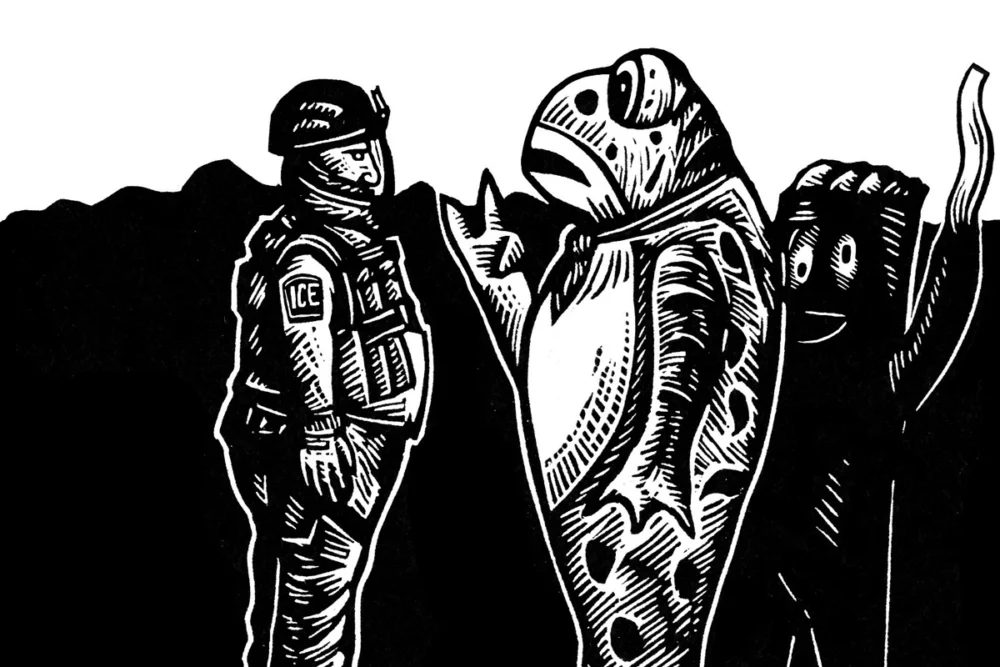
In the vibrant, often idiosyncratic, urban landscape of Portland, Oregon, a peculiar form of protest has not only captured national attention but also spurred an unexpected economic boom for local businesses. A 77-year-old party supply stalwart, Lippman Co., situated in the city’s Central Eastside, has found its shelves rapidly emptying of inflatable costumes as protesters adopt a distinctly whimsical, yet potent, approach to civil disobedience. These aren’t merely playful outfits; they represent a deliberate, satirical counterpoint to the heavily armed federal officers deployed during the intense demonstrations that gripped the city’s South Waterfront area, particularly outside the Immigration and Customs Enforcement (ICE) building. The protests, which escalated significantly during a period marked by heightened political tensions, were largely a denunciation of what activists termed a "war on the city" by the federal administration, characterized by the deployment of federal agents against local demonstrators.
The sight of individuals clad as oversized frogs, dinosaurs, chickens, and even beloved cartoon characters like Garfield and SpongeBob SquarePants, dancing and interacting with law enforcement, offered a surreal spectacle. These inflatable avatars, retailing between $60 and $70, were more than just eye-catching; they served as a strategic tool of non-violent resistance. They disarmed the severity of the confrontation, turning a potential flashpoint into a viral media moment, amplifying the protesters’ message through humor and absurdity. Robyn Adair, manager at Lippman Co., recounted seeing customers who had just purchased costumes appearing on news reports, underscoring the immediate impact of this visual strategy. One protester, adorned in a banana costume and holding a sign proclaiming "This is bananas," articulated the sentiment perfectly to Reuters, stating, "We’re in the silliest timeline, so I thought, why not be silly with it?" This approach resonated deeply with Portland’s established reputation for eccentric creativity and its history of progressive activism, transforming the streets into a stage for political theater.
The satirical edge of these protests found a broader cultural echo when the iconic Kermit the Frog himself, or at least his puppet doppelganger, offered a poignant parody of "Rainbow Connection" on Stephen Colbert’s Late Show, subsequently reported by The Oregonian. The lyrics, "Why are there so many Trump thugs in ski masks? / And why do they have to hide? / You can spray us with pepper, but we won’t surrender, / We’ll respond with a naked bike ride. / So march through our city, we’ll stand up to fascists / The chicken, the T. rex, and me," encapsulated the defiant, yet lighthearted, spirit of the movement. This global recognition highlighted how local acts of creative resistance can transcend geographical boundaries, influencing the national discourse and inspiring similar tactics in other protest movements worldwide. From the "clown army" at anti-globalization rallies to satirical political street art, the use of humor and unexpected imagery has long been a powerful, non-lethal weapon in the arsenal of civil disobedience, capable of generating empathy, challenging authority, and garnering widespread media attention in ways that conventional protests sometimes struggle to achieve. The economic ripple effect, boosting sales for local businesses like Lippman Co., further illustrates the multifaceted impact of such grassroots movements, turning moments of tension into unexpected opportunities for community engagement and commerce.

Meanwhile, a spirit of unconventional innovation thrives further south in California, where Sam Shoemaker, a self-described "mushroom nerd," has pushed the boundaries of sustainable design and endurance. In a remarkable feat of bio-engineering and athleticism, Shoemaker successfully paddled 26 miles across the challenging Catalina Channel in a kayak crafted almost entirely from mycelium material. Mycelium, the intricate root-like structure of fungi, represents a burgeoning frontier in biomaterials science, offering a biodegradable and sustainable alternative to traditional manufacturing components. Shoemaker’s vessel, weighing a substantial 107 pounds, was not merely assembled but organically grown. He cultivated the material from wild Ganoderma polychromum mycelium within his home laboratory, propagating it on a hemp hurd substrate packed inside a custom two-part fiberglass mold.
The construction of this unique craft was a testament to patience and pioneering spirit, requiring six weeks for the mycelium to grow into the desired form and several months thereafter for it to dry and cure, ensuring its structural integrity for marine use. Launching from Two Harbors, Catalina Island, at 6 a.m. on August 5th, Shoemaker embarked on a twelve-hour odyssey across the open ocean. His journey, as he recounted to the Orange County Register, was fraught with challenges, describing the experience in the middle of the channel as "almost psychedelic," battling nausea and even brief hallucinations, distinct from any psychotropic fungi. A momentary companionship with a whale provided an "unlikely guardian" on his arduous trek, adding a mystical element to his scientific endeavor. His safe landing on San Pedro’s Cabrillo Beach marked not just a personal triumph but a significant milestone in the practical application of mycelium technology. Shoemaker’s ambition extends beyond personal achievement; he aims to inspire wider experimentation with fungi, emphasizing their incredible versatility. "There’s really nothing that you can’t apply fungi to… they’re food, they’re medicine. They’re used in therapeutic practices," he stated, highlighting their potential in mycoremediation for addressing environmental issues such as heavy metal contamination and oil spills. This pioneering spirit aligns with a global movement towards sustainable materials, where mycelium is increasingly being explored for applications ranging from eco-friendly packaging and building insulation to designer faux-leather products, offering a biodegradable alternative to plastics and other resource-intensive materials.
In a less inspiring, though equally unusual, interaction between humans and the natural world, residents of San Rafael, California, faced an unexpected threat last September: a series of aggressive squirrel attacks. The incidents prompted Joan Heblack to post urgent flyers warning her neighbors, "Attack Squirrel Beware!!!!!! This is not a joke more than 5 people have been attacked by a very mean squirrel." At least three individuals sought treatment for cuts in the emergency room, KQED reported, though fortunately, squirrels are rarely carriers of rabies. Animal experts from Marin County, including Allison Hermance, director of marketing for WildCare, identified a common underlying cause for such "squirrels gone wild" behavior. Often, baby squirrels are rescued and hand-raised by well-intentioned individuals after falling from their nests. While seemingly benevolent, this intervention habituates the squirrels to human interaction and, crucially, to humans as a reliable source of food.
When these hand-raised squirrels are subsequently released back into the wild, they often struggle to forage independently and continue to associate humans with sustenance. Their learned expectation of being fed, coupled with the natural instincts of territoriality and resource competition, can lead to aggressive behavior when their anticipated "meal" is not promptly delivered. These squirrels become "desperate for the food that they are expecting a human to provide," a dangerous dynamic for both the animals and the community. This phenomenon is a stark reminder of the delicate balance within urban ecosystems and the critical importance of minimizing human interference with wildlife. Globally, wildlife management agencies consistently advocate against feeding wild animals, whether in national parks or urban settings, due to the myriad problems it creates—from altered feeding behaviors and increased disease transmission to habituation leading to dangerous encounters. While squirrels may appear harmless and endearing, such incidents underscore the inherent risks of human-wildlife proximity and the paramount importance of allowing wild animals to maintain their natural behaviors and fear of humans, ensuring the safety of both species. With the notable exception, perhaps, of inflatable frogs and dinosaurs, which pose no ecological threat.