Roger Danuarta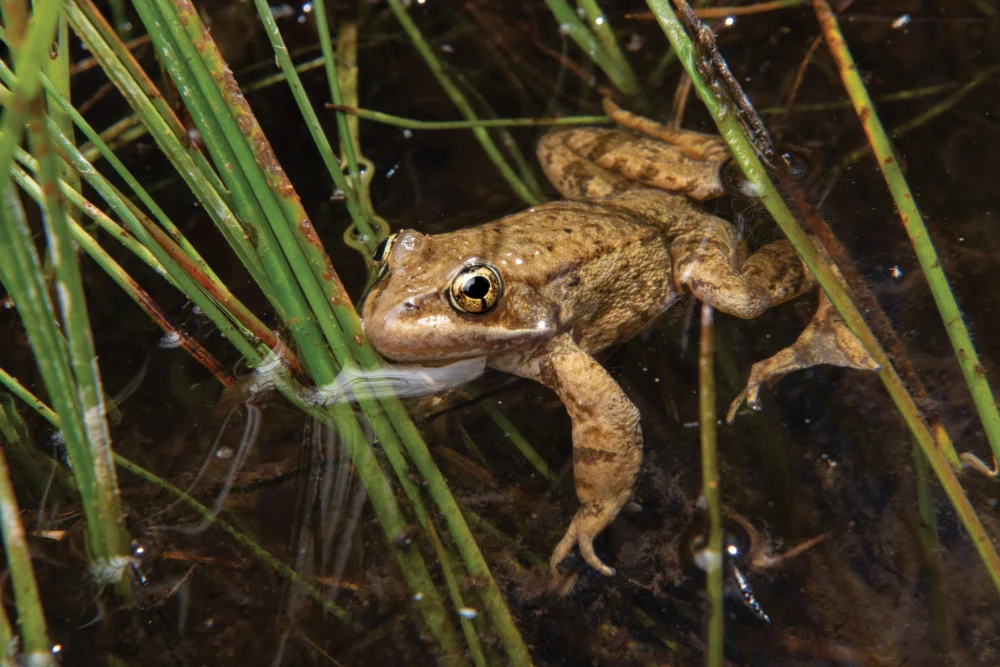
The solitary existence of the last Cascades frog in Lassen Volcanic National Park in Northern California had become a poignant symbol of a species teetering on the brink of local extinction. For years, dedicated amphibian survey crews meticulously documented her presence near Juniper Lake, a female consistently full of eggs, her annual quest for a mate tragically futile in a landscape devoid of her kind. Her final recorded appearance in 2007 marked the end of an era, solidifying researchers’ grim belief that the Cascades frog had vanished entirely from the park, a once-plentiful resident now merely a memory. This profound loss served as a critical turning point for ecologist Karen Pope, then with the Forest Service, who recognized the urgent need to transition from passive observation to active ecological intervention. "We’ve gotten to a place where, if we sit back, we’re going to keep watching the last frog," Pope articulated, underscoring the imperative for proactive conservation strategies in the face of escalating environmental crises.
This dire situation has spurred an extraordinary collaborative effort, uniting diverse stakeholders in a groundbreaking initiative to reintroduce Cascades frogs to Lassen Volcanic National Park. This ambitious project, a testament to the power of cross-sector partnerships, brings together the National Park Service, the Forest Service, the California Department of Fish and Wildlife, and scientists from Washington State University, alongside two major timber companies, Sierra Pacific Industries and Collins Pine. Their collective goal is not just to return a species to its ancestral home but to forge a new paradigm for ecological restoration, demonstrating how shared commitment can reverse the tide of biodiversity loss. The plight of the Cascades frog (Rana cascadae), a species whose range historically extends across much of the Cascade Range, mirrors the global amphibian crisis, grappling with an array of formidable threats that jeopardize its very survival.

Among the most pressing dangers are the escalating impacts of climate change, manifesting as prolonged droughts that decimate crucial breeding habitats and alter hydrological regimes across the Western United States. Habitat degradation, driven by factors ranging from altered forest management practices to human encroachment, further fragments and diminishes the quality of remaining suitable environments. The introduction of non-native species, particularly invasive trout, has wreaked havoc on amphibian populations by preying on vulnerable tadpoles and froglets, disrupting delicate aquatic food webs that evolved without such formidable predators. However, perhaps the most insidious and globally devastating threat is the chytrid fungus, Batrachochytrium dendrobatidis (Bd). This virulent pathogen, implicated in amphibian extinctions worldwide, has already pushed at least two species of California frogs to the brink of eradication and severely compromised the health and viability of several others, including the Cascades frog, highlighting the urgent need for innovative disease mitigation strategies.
In a twist of ecological fortune, a beacon of hope emerged from an unexpected quarter: private timberlands adjacent to Lassen Volcanic National Park. Here, on properties managed by Sierra Pacific Industries and Collins Pine, researchers discovered the last healthy population of Cascades frogs at the southern periphery of their range in the Lassen region. This population exhibits a remarkable, albeit somewhat mysterious, resilience to the chytrid fungus, faring significantly better than their counterparts elsewhere. Scientists are diligently working to unravel the mechanisms behind this localized resistance, hypothesizing that unique habitat features, the presence of beneficial microbial communities on the frogs’ skin, or potentially evolved genetic resistance within this specific population may confer protection. This rare sanctuary, or "refugium," has become an invaluable genetic reservoir and the vital source population for the reintroduction effort, underscoring the critical role that diverse land ownerships can play in safeguarding biodiversity.
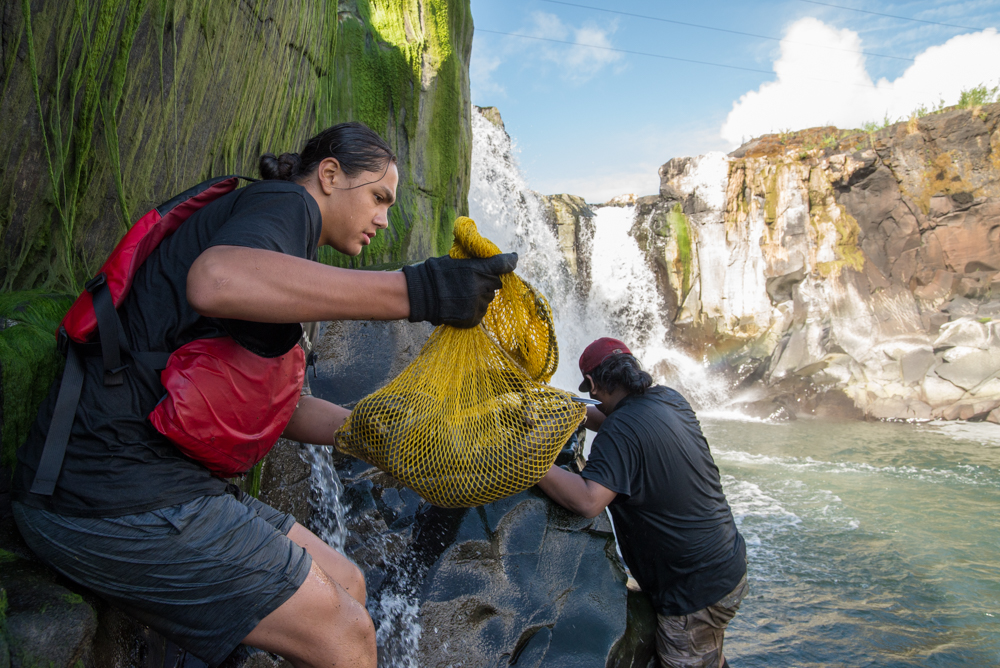
The reintroduction process commenced in early September with a meticulously planned operation. A team of rubber-booted biologists, equipped with nets and an unwavering commitment, carefully waded into the timber companies’ amphibian stronghold. Their mission: to collect dozens of young Cascades frogs and tiny froglets, specimens just past their tadpole stage, destined for a new life within Lassen Volcanic National Park. Each capture was handled with utmost care, minimizing stress to the delicate amphibians, as the future of the species rested on these carefully selected individuals.

Before their journey to new homes, the captive frogs underwent a crucial week-long prophylactic treatment, affectionately dubbed a "frog spa." Ryan Wagner, a Ph.D. candidate at Washington State University and the lead manager of the reintroduction, oversaw this vital phase. Daily, he and his team gently transferred batches of wriggling frogs into plastic tubs containing a dilute antifungal solution. The amphibians, initially disoriented, soon clambered about, and Wagner’s team meticulously sloshed the tubs back and forth, ensuring the medicinal mixture thoroughly coated their entire bodies. Any attempts at escape were met with a gentle, reassuring prod, guiding the frogs back into their therapeutic bath. This antifungal treatment, while not a definitive cure against the pervasive chytrid fungus, significantly tips the odds in the frogs’ favor. It combats potential infections during their most vulnerable early life stages, a period when much of their metabolic energy is directed towards rapid growth, leaving their nascent immune systems comparatively weaker. By mitigating the initial fungal load, the treatment provides these young amphibians a crucial head start, enhancing their chances of survival and adaptation in their new environment.
The subsequent phase involved the painstaking selection of suitable reintroduction sites within the vast expanse of Lassen Volcanic National Park. "We were really trying to be selective with the sites," Wagner emphasized, highlighting the rigorous criteria applied. While a cursory, bird’s-eye view might have identified a dozen seemingly promising locations, a detailed "frog’s-eye view" quickly revealed the limitations of most. Ideal habitats for Cascades frogs are highly specific, requiring shallow water for successful breeding and egg deposition, yet simultaneously deep enough to prevent complete freezing during the harsh winter months, ensuring adult and juvenile survival. Crucially, these sites also needed to boast an abundant supply of insects, the primary food source for growing frogs. "If you don’t have all three, you probably aren’t going to be able to support Cascades frogs here for very long," Wagner explained, underscoring the intricate balance required for long-term species viability. Ultimately, after extensive reconnaissance and ecological assessment, only two sites met these stringent requirements, deemed capable of supporting a thriving, self-sustaining population.
On September 9, a palpable sense of anticipation filled the air as two dedicated teams, laden with backpacks containing plastic cups—each cradling a single, precious frog—embarked on their respective treks to these designated havens. Karen Pope, whose observational research had been profoundly shaped by the disappearance of Lassen’s last Cascades frog, was present for this momentous occasion, alongside Nancy Nordensten, the park’s chief of resources, and Ryan Wagner. With meticulous care, they gently cracked open the transport cups. Some frogs, eager for freedom, sprang out in a blur of motion, splashing into the cool water and streaking away to explore their new surroundings. Others required gentle coaxing, nudged forward into the wild by caring hands. As the frogs dispersed, gathering on sun-warmed stones and submerged logs, their movements varied: some faced outward, cautiously surveying their new domain, while others kept a watchful eye on their human benefactors. The expressions on the faces of the human handlers mirrored a complex blend of beaming excitement for a goal realized and quiet concern for the arduous journey ahead for each released amphibian. Watching the frogs settle into the shallows, instinctively snapping up insects, a sense of rightness permeated the scene; they looked, at long last, truly at home. Pope later reflected on the profound emotional impact of the moment, stating, "Putting the first frogs in the water — it caught me off guard how emotional it was." Miles away, across rugged hills and verdant valleys, the second team concurrently carried out their equally significant release.

By the close of that momentous morning, Lassen Volcanic National Park’s Cascades frog population had dramatically surged from zero to 117 individuals. This initial success, however, marks only the beginning of a challenging and uncertain future. The reintroduced frogs must now navigate a complex gauntlet of natural challenges: they must skillfully evade predators, endure the harsh mountain winter, maintain their health in the face of persistent chytrid fungus, and, most critically, successfully breed to establish a self-sustaining population. The long-term success of this ambitious reintroduction also hinges on sustained financial and political support. Potential budgetary challenges for federal agencies, including the Forest Service and national parks, could severely constrain future reintroduction efforts and crucial long-term monitoring programs, jeopardizing the hard-won progress.
Roland Knapp, a distinguished biologist at the University of California, Santa Barbara, who specializes in reintroducing closely related amphibian species across the Sierra Nevada and is unaffiliated with this specific project, emphasizes the pioneering nature of such initiatives. He notes that there is no pre-existing manual to guide the complex process of reintroducing Cascades frogs and other imperiled amphibians to their former habitats. Instead, scientists are quite literally "writing that manual as they go," iteratively learning and adapting with each new effort. This adaptive management approach, grounded in continuous observation and scientific inquiry, represents the frontier of amphibian conservation. Knapp underscores that while the initial reintroduction is a monumental step, "You’ve done the reintroduction, but now you’ve got all the learning that comes from that. You’re not done. You’ve just started." Indeed, the long-term success of reversing amphibian decline in the West, and globally, will depend on these ongoing efforts to understand, protect, and restore these vital indicators of ecosystem health, ensuring that the legacy of the "last frog" inspires not despair, but a lasting commitment to conservation.