Rocky Georgio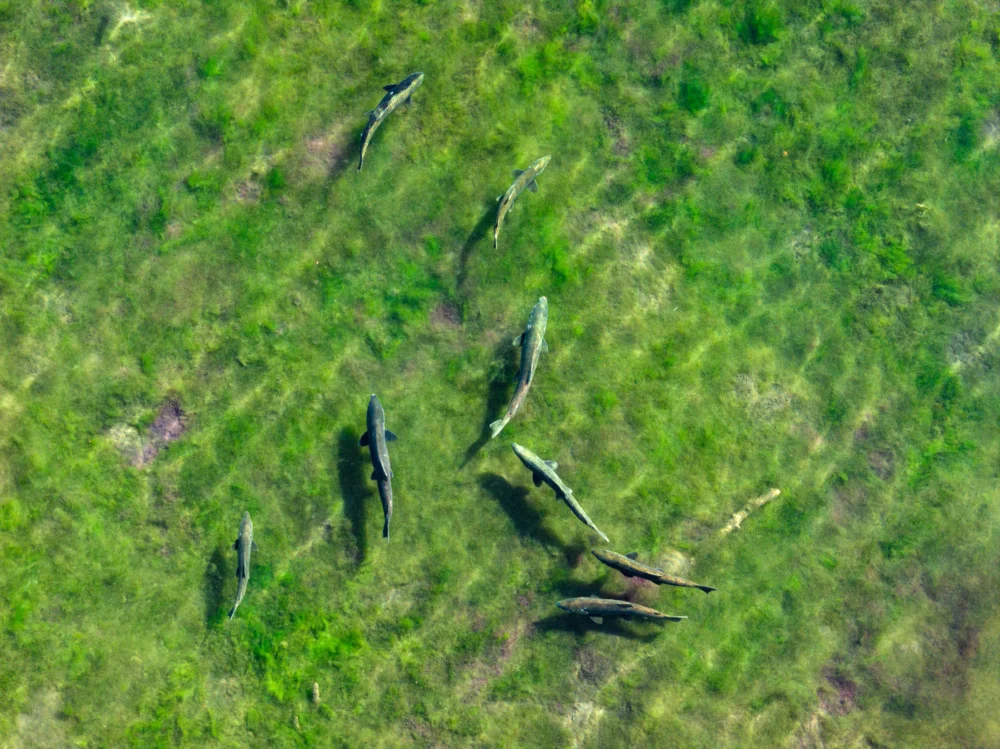
One year after the largest dam removal project in history, salmon have successfully navigated their way back to the headwaters of the Klamath River, a remarkable feat not achieved in approximately 115 years. This resurgence marks a pivotal moment in the long and arduous journey to restore this vital ecosystem and honor the ancestral rights and traditions of the Indigenous peoples who have long stewarded this land.
Amy Bowers Cordalis, in her newly released book, The Water Remembers, chronicles the intergenerational struggle for the Klamath River and its profound impact on the Yurok way of life. Through a compelling blend of personal memoir, historical narrative, rigorous legal analysis, and the rich tradition of Yurok storytelling, Cordalis shares her own evolution within this fight. From witnessing the devastating 2002 fish kill as a tribal fisheries intern to her current role as general counsel for the Yurok Tribe, her journey embodies the resilience and unwavering determination of her people. "I felt really compelled to write this at a time when it could end on such a high note, so that we could show the world how Indigenous resistance, Indigenous resilience, Indigenous knowledge, can lead to these massive victories," Cordalis stated, emphasizing the book’s central message of hope.

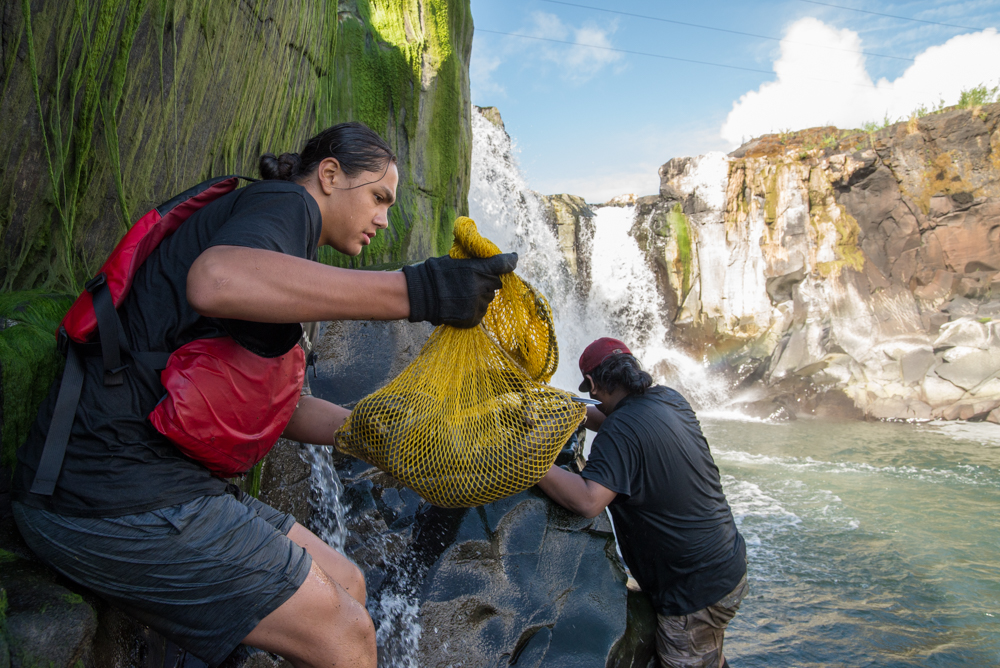
Just days before this conversation, Cordalis was actively involved in the ongoing restoration efforts, tagging salmon on the river with members of her nonprofit, Ridges to Riffles, and Karuk Tribe staff. These efforts are crucial for understanding and supporting the returning fish populations. To date, collective initiatives have successfully replanted an astounding 19 billion native seeds within the former reservoir areas, and extensive projects are underway to restore 20,000 acres of critical spawning grounds, with restoration work slated to continue through 2028 and beyond.
Reflecting on the research for her book, Cordalis described the experience as deeply emotional, revealing an even profounder respect for the sacrifices made by her ancestors and previous generations. "They fought so hard and put themselves in harm’s way just so that they could continue to be Yurok people," she explained. The successes witnessed today on the Klamath River, she attributes directly to the unwavering spirit of those who fought for their heritage. She recalled the "fish wars" of her youth, a period that was deeply traumatizing for the Yurok people and her own family. Despite their ancestral right to fish, federal marshals, equipped with military-grade gear and aggressive tactics, would confront Yurok fishermen, leading to violent clashes. The injustice of being criminalized for their traditional practice, while others were allowed to fish freely, fueled their resolve. Fortunately, these efforts ultimately prevailed, securing their fishing way of life, though the fight for basic rights remained a stark reality.
The book also draws on a rich oral history, incorporating transcripts from interviews conducted with Cordalis’s family in the 1980s, which provide invaluable details about their past struggles and triumphs. Cordalis’s personal narrative, presented in the book’s third section, offers a unique perspective on how generations of activism and legal battles strategically positioned the Yurok Tribe to achieve the monumental goal of dam removal. She views the removal of these dams as the largest river restoration project in history, hoping readers will experience this epic, multi-generational journey and share in the ultimate victory.

Cordalis noted poignant parallels between her own experiences and those of her Great-Grandma Geneva, who once risked arrest bootlegging salmon while witnessing the widespread destruction of Yurok lands by canneries and timber companies. Cordalis herself experienced the devastating impact of a massive fish kill on the river. This shared history of witnessing ecological devastation and systemic injustice highlights the enduring strength required to persevere when confronted with seemingly insurmountable challenges. "For me, my response to trauma was action," Cordalis shared, describing how she channeled her grief and hurt into her legal studies, driven by the conviction that her family’s future, and that of her people, depended on her success.
She expressed a powerful hope that her book can serve as an antidote to the current political and environmental crises, demonstrating how even the most marginalized communities can effect significant change through collective action and strong coalitions. "Finding our commonalities and uplifting each other and being OK with failing, because you only need one right path to work," she emphasized, underscoring the power of collaboration and perseverance. The removal of the Klamath dams and the return of salmon to Oregon are tangible proof of what can be achieved when people work together. Cordalis envisions her book as a blueprint, outlining the grassroots movement, legal strategies, and political relationships that led to this historic victory, while also aiming to inspire readers by showing them that their actions, however small they may seem, can make a profound difference. She acknowledges that the fight for environmental justice is ongoing, with potential setbacks, but maintains that continued resistance and collaboration will ultimately lead to success.
The concept of stewardship is central to Cordalis’s worldview, a principle deeply embedded in Indigenous cultures. She explained that being a steward means actively responding to the needs of the land, water, and its inhabitants. For Indigenous peoples, this has historically meant maintaining a delicate balance with nature, a practice that ensures sustainability and abundance. This perspective, she believes, offers a vital framework for re-evaluating humanity’s relationship with the natural world. The removal of the dams has ushered in a new phase: river restoration. Through Ridges to Riffles, Cordalis is actively involved in restoration projects within the former dam footprint, leading an intertribal group that integrates traditional knowledge with modern science to guide this critical work. Their efforts also focus on re-establishing a more natural hydrograph for the river, demonstrating a continuous commitment to the river’s evolving needs.

The memory of childhood dreams of dismantling the dams, shared with her siblings, took on a surreal dimension when Cordalis was invited to press the detonator for the demolition of the COPCO 1 Dam. This moment, occurring on her birthday, was deeply poignant, transforming a long-held wish into a tangible reality. She described the feeling as a tremendous relief, akin to witnessing a loved one recover from severe illness. The tears she shed were, she believes, a release for multiple generations of her family, a testament to the enduring spiritual connection to those who came before. She is confident that their ancestors rest in peace, knowing their struggles paved the way for this significant healing. Cordalis concluded by asserting that meaningful change is achievable for anyone willing to engage in hard work, foster partnerships, live in harmony with nature, and treat each other with kindness.
Since the dam removals last year, the impact on fish populations has been immediate and overwhelmingly positive. Cordalis reported receiving real-time updates from colleagues confirming the widespread presence of salmon. She shared a personal experience of harvesting salmon in August from her village at the river’s mouth, noting their increased size, strength, and resilience – qualities she hadn’t witnessed in years. The salmon have now journeyed past Iron Gate Dam and have been sighted as far upstream as Keno Dam, beyond Link River Dam, through Upper Klamath Lake, and into the Williamson and Sprague Rivers. This journey, spanning approximately 300 river miles from her village, signifies a remarkable recovery for the species.
The revitalized health of the river, now cooler, cleaner, and more robust without the dams, has been instrumental in supporting the salmon’s arduous journey. The removal of the dams has also served to reunite communities along the Klamath River, fostering a renewed sense of connection and interdependence. The health of the fish, from the river mouth to the furthest reaches of their habitat, directly impacts the communities they support, creating a beautiful cycle of interdependence. Cordalis expressed optimism that this shared victory can serve as a catalyst for rebuilding communities within the Klamath Basin and fostering reconciliation, particularly in light of historical water disputes.

She drew a profound connection between the healing of the Klamath River and the healing within people, noting that water is intrinsically linked through the hydrologic cycle, including the water within our own bodies. Witnessing the recovery of this magnificent river, she believes, facilitates a collective healing and a remembrance of what it means to live on a healthy planet. This process of reconnecting with nature, dedicating oneself to important causes, and embracing stewardship, she concluded, fosters internal healing and allows individuals to remember their inherent connection to the natural world, which feels profoundly good.