Rocky Georgio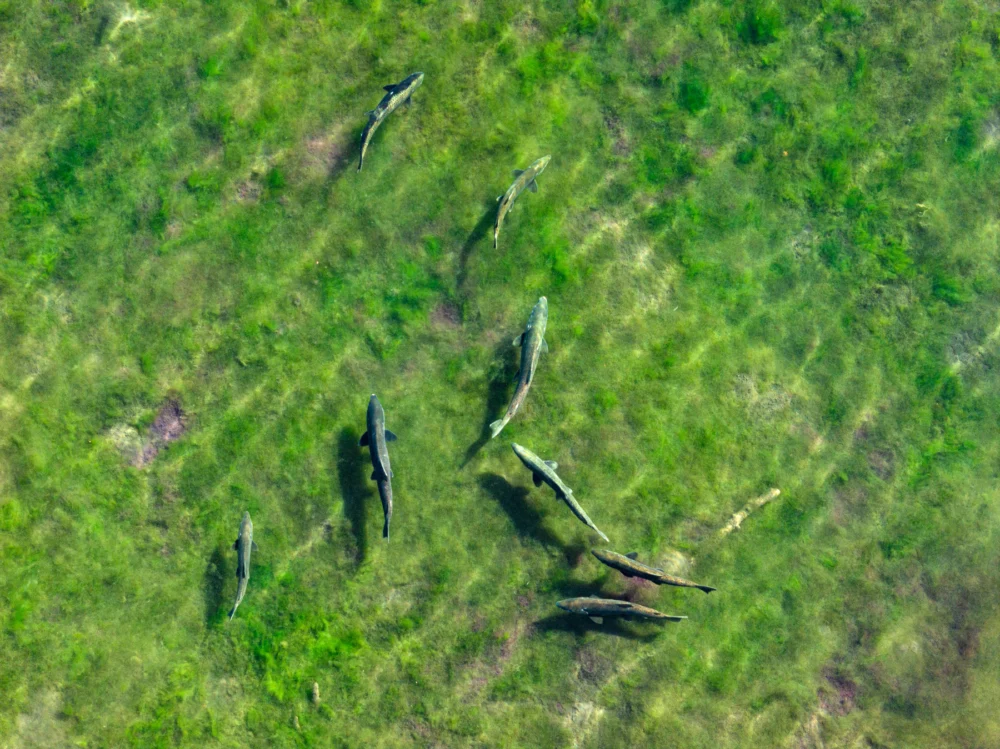
One year after the largest dam removal project in history, salmon have returned to the headwaters of the Klamath River, an area they had been absent from for approximately 115 years. This significant ecological milestone marks a pivotal moment in the long-standing effort to restore this vital waterway and its native fish populations. The achievement is chronicled in Amy Bowers Cordalis’s new book, "The Water Remembers," which delves into the intergenerational struggle to preserve the Klamath and Yurok way of life. Cordalis masterfully weaves memoir, historical narrative, and in-depth legal analysis with traditional Yurok storytelling to reflect on her personal journey and role in the dam removal saga. Her involvement began with witnessing the devastating 2002 fish kill as a tribal fisheries intern, a tragedy that fueled her lifelong dedication, culminating in her current position as general counsel for the Yurok Tribe. "I felt really compelled to write this at a time when it could end on such a high note, so that we could show the world how Indigenous resistance, Indigenous resilience, Indigenous knowledge, can lead to these massive victories," Cordalis stated, emphasizing the book’s message of hope.

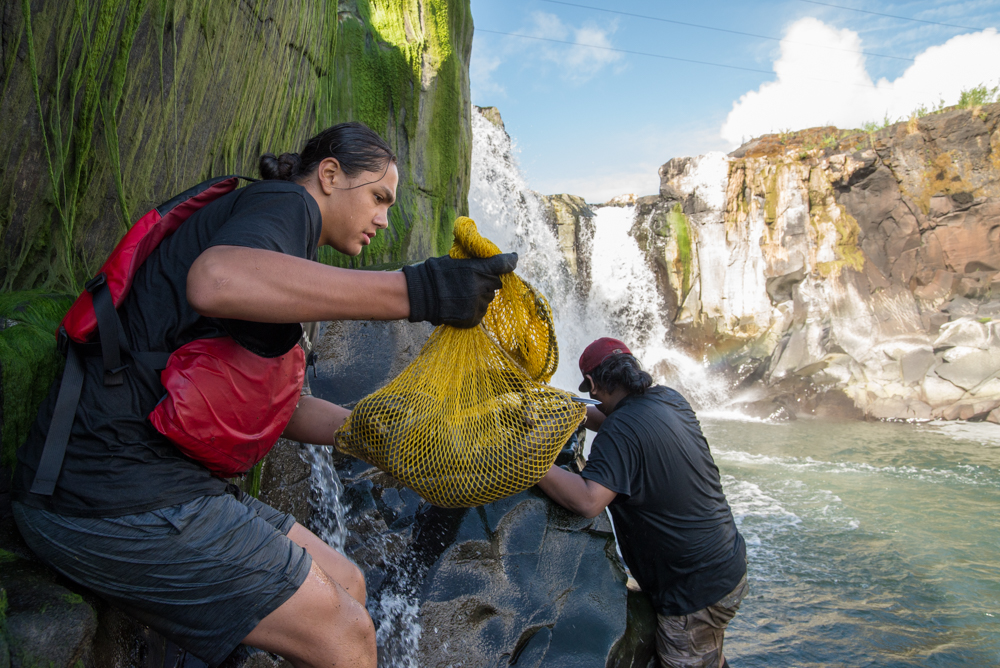
Cordalis recently participated in on-river efforts with members of her nonprofit organization, Ridges to Riffles, and Karuk Tribe staff, tagging salmon to support habitat restoration initiatives. These collective endeavors have already seen the replanting of an estimated 19 billion native seeds within the former reservoir areas, with ongoing projects aimed at restoring 20,000 acres of critical spawning grounds, a process expected to continue through 2028 and beyond. In a recent conversation, Cordalis shared her reflections on family, environmental stewardship, and the future trajectory of the Klamath River.
The research undertaken for "The Water Remembers" proved to be an emotionally profound experience for Cordalis, deepening her respect for the sacrifices and dedication of her ancestors and previous generations. Their relentless efforts, often undertaken at great personal risk, were instrumental in ensuring the continuity of the Yurok people and their cultural practices. The successes achieved on the Klamath River, including the monumental dam removal, are a direct legacy of these generations and their unwavering fight for their rights and heritage. Cordalis recounts the harrowing "fish wars" of her youth, a period of intense trauma for the Yurok people and her family. Despite a Supreme Court ruling affirming their fishing rights, federal marshals in full riot gear and armed with heavy weaponry would confront Yurok fishermen, attempting to confiscate their nets in violent clashes. This stark injustice, the criminalization of their ancestral way of life through arbitrary enforcement and racial profiling, underscores the deep-seated historical inequities faced by Indigenous communities.

Adding another layer to the narrative, Cordalis drew upon oral history interviews conducted with her family in the 1980s, incorporating these invaluable transcripts into the book. The third section of "The Water Remembers" focuses on her personal story, offering a powerful reflection on her work and a newfound appreciation for how preceding generations paved the way for the eventual removal of the Klamath dams, a feat now recognized as the largest river restoration project in history. Cordalis hopes readers will experience this multigenerational epic journey and emerge with a sense of triumph.
The book draws striking parallels between Cordalis’s experiences and those of her Great-grandma Geneva. Geneva’s efforts to illegally sell salmon, a necessity born from hardship, occurred amidst widespread destruction of Yurok lands by canneries and timber companies. Cordalis, in turn, witnessed the devastating 2002 fish kill, an event that underscored the ongoing ecological decline. Reflecting on how to persevere when confronted with such overwhelming powerlessness, Cordalis identifies injustice as a profound source of trauma, a sentiment shared by many. Her personal response to this trauma has been a relentless drive for action, channeling her grief and pain into her legal education. She pursued her studies with an intensity fueled by the belief that the future of her family and people depended on her success.

Cordalis envisions "The Water Remembers" as an antidote to the current political and environmental crises. She emphasizes that even the most marginalized communities can instigate significant change, highlighting the crucial role of coalitions and mutual support. The book champions the idea that embracing shared values and uplifting one another, while acknowledging the inevitability of setbacks, is the path to achieving extraordinary goals. The Klamath dam removal stands as a testament to this principle: the dams are gone, the salmon are returning, and the river is regaining its vitality. Cordalis presents the book as a blueprint, detailing the grassroots movement, legal strategies, and political alliances that led to this victory. More importantly, she hopes it resonates deeply, inspiring readers with the understanding that their individual actions can make a profound difference. Even in the face of widespread ecological crises, the spirit of continued resistance, collaboration, and unwavering perseverance, even through failure, is what ultimately leads to victory.
The concept of stewardship is central to Cordalis’s understanding of the ongoing work required for the Klamath. She observes that the fight for the river is never truly finished; there is always a new challenge or defense to undertake, passed down from one generation to the next. This commitment to stewardship, she explains, is a conscious choice to respond to the needs of the environment. Indigenous peoples across the globe have historically acted as stewards, adapting their practices to the specific requirements of their lands and waters. The Yurok worldview posits that Yurok Country was created not only for humans but also for the land, water, and all creatures, emphasizing a responsibility to live in balance with these elements. This philosophy ensures perpetual abundance and embodies a profound understanding of sustainability. It is a worldview that recognizes both the duty and the privilege of benefiting from the natural world. Cordalis hopes this perspective will encourage a re-evaluation of humanity’s relationship with the natural world, inspiring individuals to adopt the values of stewardship in their own lives.

With the dams removed, the river’s immediate need is restoration, a goal actively pursued by Cordalis’s nonprofit, Ridges to Riffles. The organization is spearheading restoration projects in the former dam areas and leading an intertribal group that integrates traditional knowledge with modern science to advise on these efforts. The push for a more natural hydrograph, mimicking the river’s historical flow patterns, is another critical component of this restoration. This proactive approach exemplifies responding to the river’s evolving needs, a core tenet of stewardship aimed at maintaining ecological balance. Cordalis views this role as an honor.
A particularly poignant memory shared by Cordalis involves a childhood conversation with her siblings, where they expressed a wish to simply "blow up" the dams. The surreal reality of this childhood fantasy came true when she was given the opportunity to press the detonator for the demolition of COPCO 1 Dam on her birthday. This moment, she reflects, was beyond her wildest dreams, a stark contrast to the days spent on the riverbars contemplating such drastic action. The dams, once symbols of immense pain and frustration, now represent a profound sense of relief and healing, akin to a loved one recovering from a long illness. Witnessing the demolition brought tears of generations of her family, a testament to the enduring spiritual connection with ancestors and the peace they must feel knowing their struggles have led to such a monumental achievement. Cordalis concludes that genuine, meaningful change is achievable for anyone willing to engage in hard work, collaborate, honor nature, and treat each other with kindness.

The impact of the dam removals is already evident, with reports indicating a widespread return of salmon. Cordalis describes harvesting salmon from her village at the mouth of the river in August, noting their increased size, resilience, and vigor compared to those seen in recent years. The salmon have now successfully navigated upstream past Iron Gate Dam, reaching Keno Dam, Link River Dam, and Upper Klamath Lake, continuing into the Williamson and Sprague Rivers—a journey of approximately 300 river miles from her home. This remarkable migration, taking several months, is facilitated by the river’s improving health. The water is cooler, cleaner, and the river flows with renewed vigor. The removal of the dams has also symbolically reunited communities along the Klamath, fostering a renewed sense of connection. The well-being of fish traveling from the river’s mouth to tributaries like the Wood River demonstrates the interconnectedness of the ecosystem and the communities it sustains. This reunion offers an opportunity to re-evaluate relationships and mend divisions that have historically plagued the Klamath Basin with water conflicts. Cordalis expresses hope that this moment will empower the people of the basin to rebuild their communities and foster greater unity.
The concept of water’s interconnectedness extends beyond the hydrologic cycle to the very water within our bodies. Witnessing the healing of the Klamath River, a magnificent and abundant waterway, is perceived by Cordalis as a parallel healing of the water within individuals, allowing them to remember what it feels like to inhabit a healthy planet. She believes that a collective yearning for this connection exists. Engaging in meaningful causes, working in harmony with nature, and embracing the role of stewards, as discussed, cultivates internal healing and facilitates remembrance, creating a profound sense of well-being.