Rocky Georgio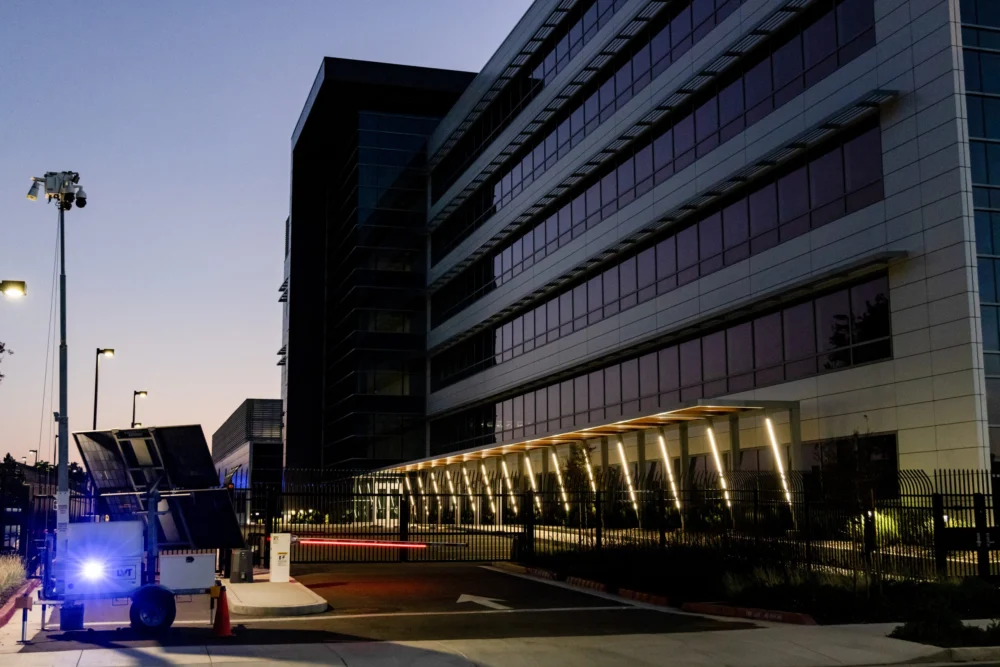
This monumental development has garnered surprisingly little media attention, not due to any deliberate concealment, but rather because such announcements have become so commonplace that each individual proposal rarely warrants significant coverage. While New Era’s proposed hyperscale server farm and similar projects are still in their nascent stages, and a considerable distance from generating and consuming their own power, even a fraction of these proposed facilities coming to fruition will dramatically reshape the Western United States’ power grid, its landscapes, and its economies. This impending transformation is comparable in magnitude to the "Big Buildup" era following World War II, a period characterized by the widespread construction of enormous coal-fired power plants and hydroelectric dams across the region, all designed to supply electricity to rapidly growing urban centers via extensive high-voltage transmission networks.
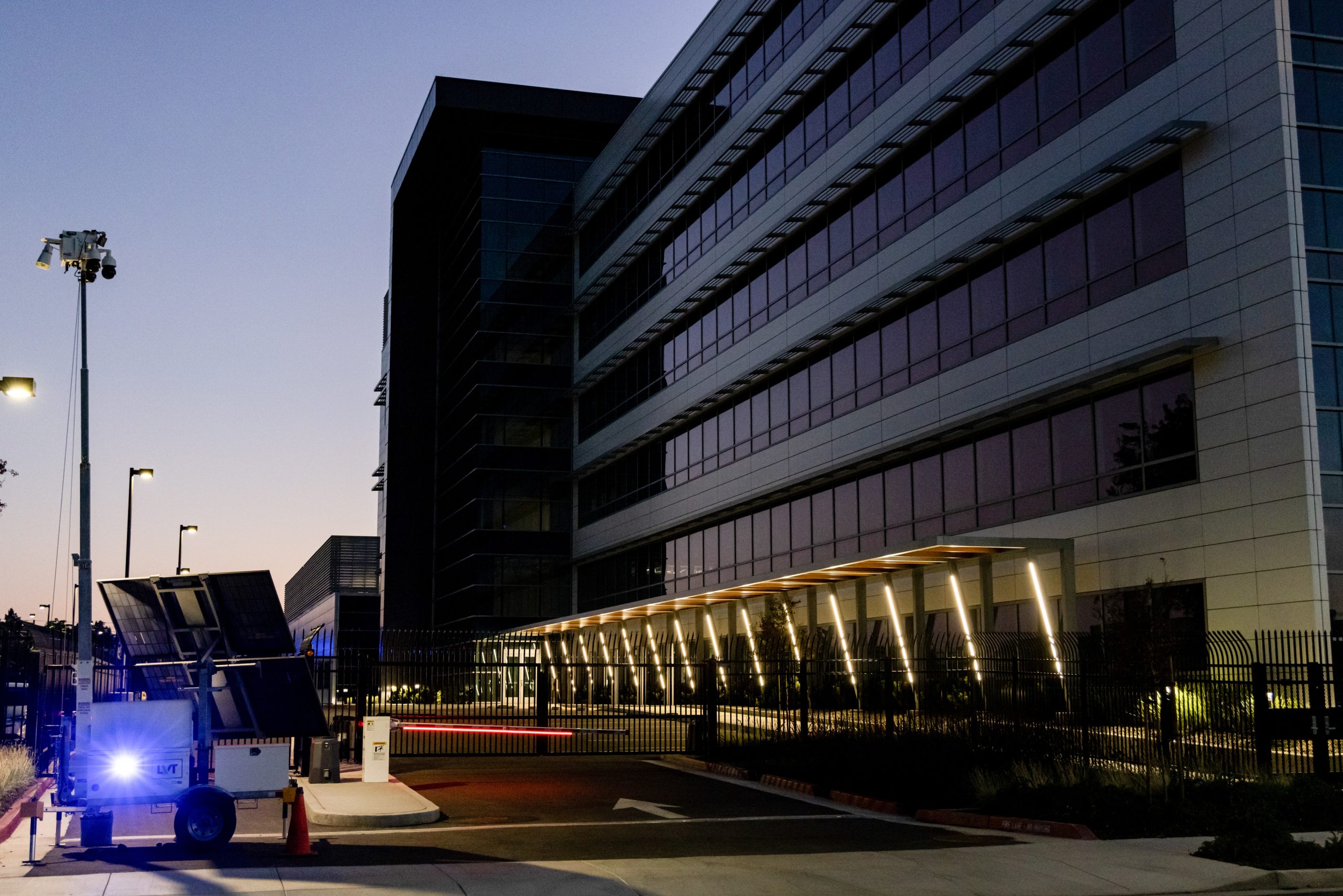
Indeed, this profound transformation is already underway, as evidenced by a recent report from the nonprofit NEXT 10 and the University of California, Riverside. The study revealed that in 2023 alone, data centers within California consumed an astonishing 10.82 terawatt-hours of electricity, a quantity sufficient to power approximately one million American households. This substantial energy draw resulted in roughly 2.4 million tons of carbon emissions, even within California’s comparatively clean energy framework; on grids more reliant on fossil fuels, these emissions would be significantly higher. Furthermore, these same data centers directly and indirectly utilized an estimated 13.2 billion gallons of water for cooling and electricity generation. In Silicon Valley, a cluster of over 50 data centers accounted for approximately 60% of one electricity provider’s total demand, compelling the utility to increase customer rates to fund the necessary upgrades to its transmission and substation infrastructure, as well as the installation of new battery energy storage systems to accommodate these facilities.
These power-hungry facilities are increasingly establishing themselves in cities and towns far beyond the traditional tech hubs of Silicon Valley. In the Phoenix metropolitan area, over 100 data centers, structures resembling large retail warehouses filled with rows of computer servers, have already been erected in business parks. Projections from local utilities suggest that planned new facilities could triple Arizona’s total power load from its current levels. In response to this escalating demand, Arizona Public Service recently announced its intention to continue operating the Four Corners Power Plant, a coal-fired facility, beyond its originally scheduled retirement date of 2031, in an effort to meet this burgeoning energy requirement.

The implications for the Western power grid are substantial, as it is an interconnected system divided into 38 distinct balancing authorities, or grid operators. It is anticipated that nearly every one of these operators will experience an increase in data center-driven demand over the next decade. Currently, few are adequately prepared to meet this surge. The North American Electric Reliability Corporation has issued a warning this month, highlighting that the escalating power demand from data centers is increasing the risk of winter power outages in various parts of the Western United States. Consequently, many of the largest data centers will need to secure their own power generation capabilities, while utilities face the urgent task of rapidly expanding generation capacity and associated infrastructure to serve the region’s on-grid facilities. The substantial costs associated with this new infrastructure development will ultimately be passed on to the utility ratepayers.
The question of how this immense power demand will be met is becoming increasingly critical. It is evident that utilities and developers cannot solely rely on solar and wind energy to satisfy the projected requirements. As a result, utilities are already formulating strategies to extend the operational life of existing coal power plants beyond their planned retirement dates, alongside plans to construct new natural gas facilities and even nuclear reactors. Notably, major technology companies such as Google, Switch, Amazon, OpenAI, and Meta are exploring the possibility of powering their proposed facilities with a new generation of small, modular, and advanced nuclear reactors, provided these technologies become available and operational.

The environmental ramifications of these data center developments are significant and varied. The burning of fossil fuels contributes to climate change and air pollution, while oil and gas extraction and coal mining can cause extensive landscape damage. Large-scale solar and wind installations, while crucial for renewable energy, can impact wildlife habitats and often necessitate the construction of hundreds of miles of new transmission lines. Nuclear power, though a carbon-free energy source, presents unique safety concerns and the persistent challenge of radioactive waste disposal, alongside the environmental risks associated with uranium mining and milling. Even data centers powered entirely by solar energy and batteries still utilize resources that, in the absence of this additional demand, could have been used to displace fossil fuels on the grid. Furthermore, unless equipped with closed-loop air-cooling systems, these facilities will continue to consume water for cooling, often drawing from municipal drinking water supplies.
Prometheus Hyperscale, a Wyoming-based company, has garnered attention for its ambitious proposals to construct "sustainable" data centers. These plans include dedicated clean energy generation, advanced water recycling systems, and highly efficient cooling technologies designed to leverage the cold climate of the Northern Rockies. The company has even suggested utilizing the heat generated by the servers for warming greenhouses and supporting shrimp farming operations, with potential future supplementation from nuclear micro-reactors. However, the company’s current operational plans do not entirely align with these lofty aspirations. Initially, the facility is set to operate on natural gas, and Prometheus plans to offset its carbon emissions by contracting with another company to capture and sequester carbon dioxide from biofuel plants in Nebraska.

Resistance to the burgeoning wave of server farms and their substantial energy and water demands is evident in many communities. However, the localized nature of these projects, often assessed on a town-by-town basis, can make opposition feel like a protracted and fragmented struggle. Following the defeat of a proposed data center project, "Project Blue," in Tucson, Arizona, by local residents who opposed the city’s plan to annex the site to facilitate its use of treated wastewater for cooling, the developers relocated the project to the county. There, they proposed utilizing an air-cooling system, which reduces water consumption but significantly increases energy requirements. Despite ongoing opposition, the firm has committed to investing in renewable energy sources on Tucson Electric Power’s grid to fully offset its electricity consumption.
Adding to the challenges faced by those opposing these developments is the fact that many local governments and utilities actively welcome them. Data centers can provide much-needed jobs and tax revenue to economically challenged areas, provided they are not granted significant tax exemptions by state or local authorities. Concurrently, utilities are eager to expand their customer base and generate revenue to fund the necessary infrastructure upgrades. Jeff Brigger, an executive at NV Energy, expressed enthusiasm for serving the increased load from data centers slated for Nevada, highlighting the utility’s anticipation of this growth.

While much of the opposition to data centers centers on their environmental impact and their potential effects on utility rates and local communities, the fundamental concept of artificial intelligence itself has also become a point of contention. It is one matter to witness significant water or energy consumption for essential activities like food production; however, it is another to see coal-fired power plants continue operating solely to enable a computer to generate essays, answer trivial questions, create artwork, or even serve as a form of companionship. While AI undeniably holds the potential for profoundly beneficial applications, such as aiding in medical diagnoses and accelerating research for cures to diseases or solutions to complex geopolitical challenges, its current voracious appetite for energy and water raises critical questions. Before AI endeavors to fundamentally alter the world, it may first need to address its own resource intensity, finding more efficient ways to operate.