Rocky Georgio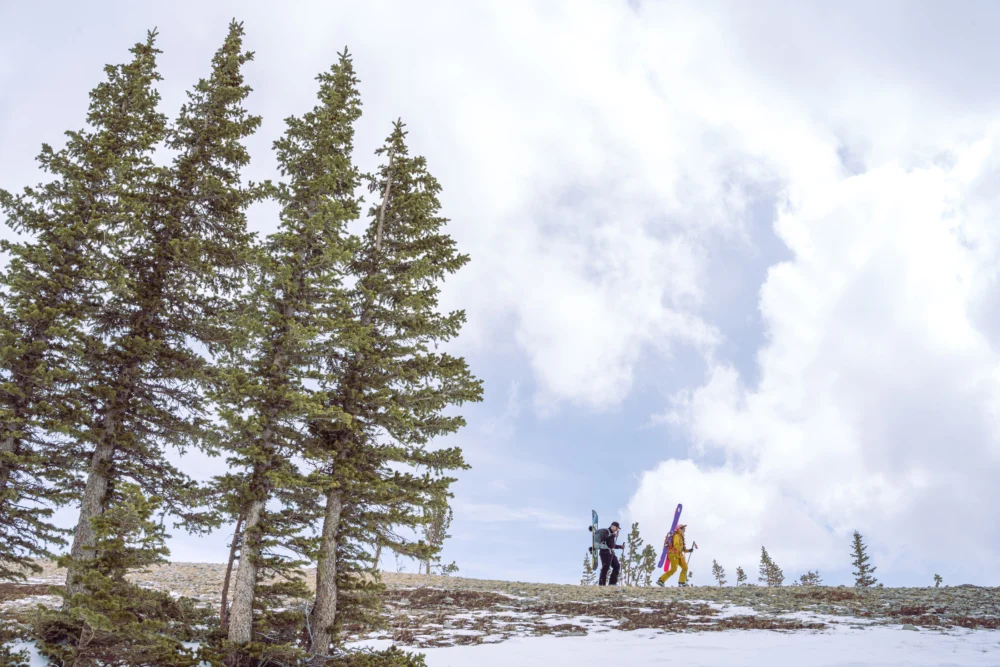
The rhythmic drumming on the roof late last night, a sound that in late November at 7,000 feet in the Rockies typically heralds the arrival of snow, instead brought a reminder of a changing climate. What had been promised as a significant storm, with local forecasters predicting snowfall of up to six feet, ultimately dissipated and delivered only rain. This pattern of downgrades and dwindling precipitation has become a disquieting hallmark of recent winter seasons, leaving many, like this observer, with a gnawing sense of unease.
For years, the anticipation of early winter brought a visceral excitement, a joyous countdown to the opening of ski resorts and the gradual descent of snowlines across the Western United States. This observer, wherever they lived in the West, would eagerly track storms rolling in from the Pacific, captivated by the competitive spirit of high alpine ski areas vying for the earliest opening or the picturesque sight of snow creeping lower down mountain slopes in the Pacific Northwest. This season, however, that familiar thrill has been overshadowed by a pervasive dread, with forecasts of approaching systems now eliciting a knot of anxiety rather than pure exhilaration. The absence of significant snowfall as the winter solstice draws nearer, coupled with increasingly warm and dry conditions, has transformed a lifelong passion for winter into a sensitive barometer for broader environmental shifts.
The personal joy derived from winter sports is inextricably linked to the whims of weather systems far beyond individual control. This seemingly obsessive focus on snowfall, while perhaps appearing trivial to some, serves as a constant recalibration of this personal climate barometer, prompting a deeper observation of overarching environmental patterns. Skiers, often characterized by their rituals, superstitions, and fervent desires for snowy conditions, frequently engage in playful, yet earnest, appeals for snow. These "prayers" for snow, though understood to be symbolic rather than literal, reflect a deep-seated connection to the natural world and a recognition of its power. Practices like attending pre-season ski-burning bonfires and even washing cars are seen by some as hopeful gestures to coax winter’s embrace, a testament to the human desire to influence the forces of nature.

The desire for snowy winters, however, transcends mere personal enjoyment; it encompasses both the selfish pleasure of recreation and the more profound need for environmental sustainability. On a personal level, the allure of deep powder and effortless turns fuels a lifelong passion for skiing, a connection to a sport that has provided a sense of weightlessness, speed, and profound connection to the surrounding landscape since childhood. Yet, this personal pursuit of winter recreation is increasingly intertwined with a broader awareness of environmental health. The compulsive checking of SNOTEL (Snow Telemetry) sites and ski area base depth reports has evolved from a simple measure of ski conditions to a vital indicator of larger climatic trends.
While skiing might be perceived as a superficial pastime, the stark reality of winter’s changing patterns offers undeniable evidence of a warming climate. The tangible effects of these shifts are felt most acutely through movement, or the conspicuous lack thereof. The activities and passions that bring us joy often become the most poignant indicators of our vulnerabilities and the extent of what we stand to lose, highlighting our limited control over powerful natural forces.
The cascading impacts of this trend are already evident across the Western United States. Many local ski hills, including the observer’s own, have been forced to postpone their opening dates, a situation mirrored by ski resorts throughout Utah. Deer Valley, for instance, pushed back its opening for the first time in its history, not only due to a scarcity of natural snow but also because temperatures remained too mild for effective snowmaking. This lack of snow has significant economic repercussions, particularly for the workers and communities that rely heavily on winter tourism. Beyond the economic implications, however, snowpack represents a critical source of water for arid regions of the West.
As of December, a stark red hue dominates the National Water and Climate Center’s map of snow-water equivalent across nearly every part of the Western U.S., with most locations reporting less than 50% of their average snowpack. This diminished snowpack is a critical concern, as it represents the primary source of water for millions of people and vast agricultural regions. The current dry spell follows an exceptionally hot and dry summer, which saw wildfires encroach alarmingly close to populated areas. Last winter’s own dry conditions exacerbated the long-term drought, creating a precarious situation. Ski resorts are already facing challenges, engaging in complex negotiations over water rights essential for artificial snowmaking. The reduced snowpack amplifies the risk of wildfires, threatens food security, and intensifies already entrenched and often contentious disputes over dwindling river resources.

The interconnectedness of our systems means that skiing serves as a specific, yet potent, indicator of how these larger environmental systems are undergoing profound transformation. A conversation with a ski guide friend revealed a similar underlying anxiety. When asked about concerns for his livelihood, he grimaced, gazing northward towards the mountains, and admitted, "I’m not quite worried yet," a sentiment that, while perhaps rational, underscores the growing unease felt by those intimately connected to winter’s traditional rhythms.
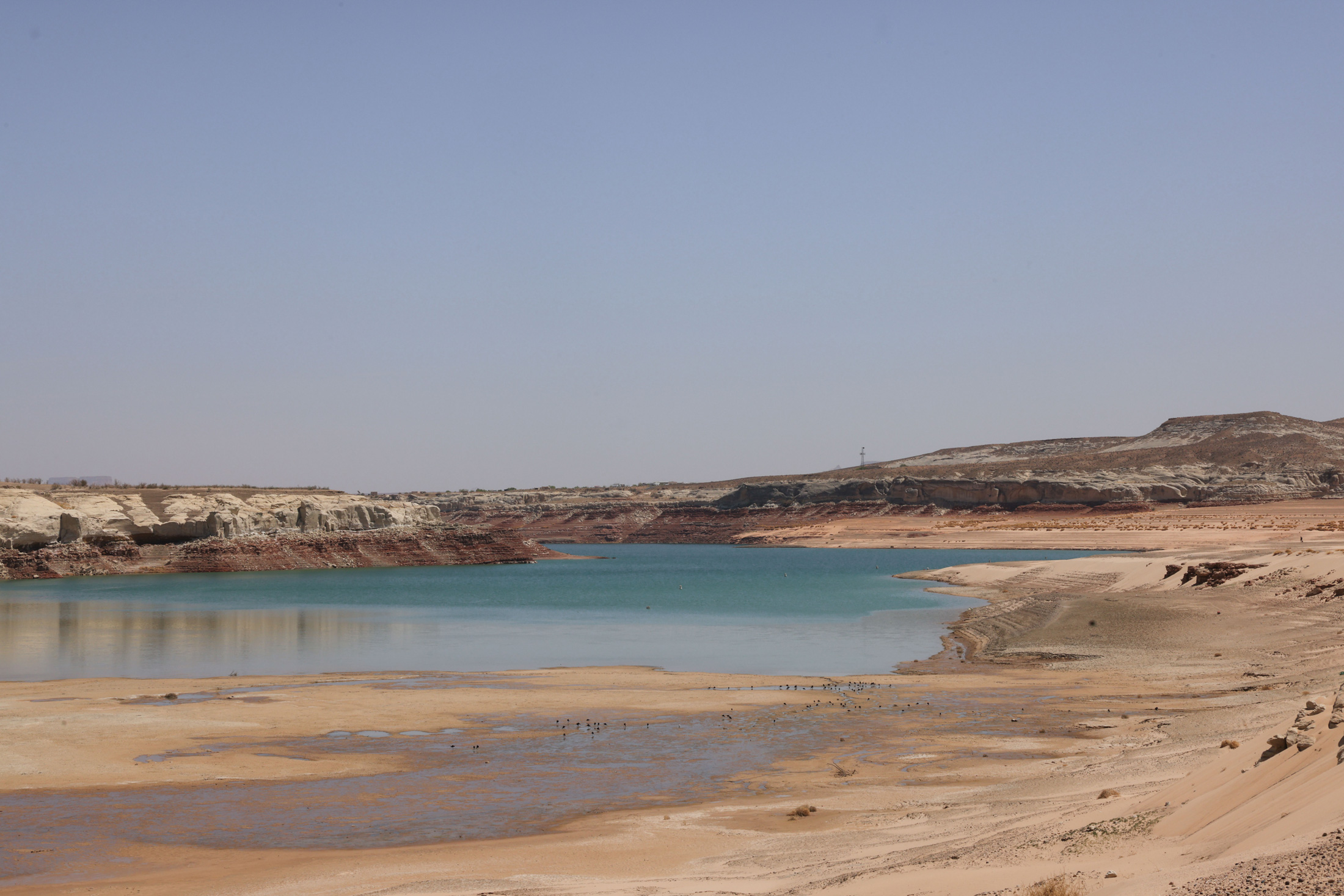
The observer’s own apprehension is fueled by the sight of shrinking reservoirs, the proliferation of drought predictions, and the memory of last winter’s harsh, icy ski conditions. The absence of summer monsoons and the ever-present threat of wildfire have etched a vivid picture of a changing landscape. The experience of waiting for snow that never arrives has become a recurring and unsettling reality.
Despite these concerns, there remains a degree of flexibility within the natural system, and it is still early in the winter season. The National Weather Service has predicted a weak and wavering La Niña, which could still bring a shift in weather patterns, potentially leading to a series of storms that could replenish the snowpack. While the future remains uncertain and individual predictions are inherently fallible, the observer can still look to the sky with a measure of hope. The past, however, has provided invaluable lessons, shaping a deeper understanding of the challenges ahead. Consequently, the plea for snow is no longer solely about personal enjoyment; it is a fervent wish born from a profound awareness of the interconnectedness of ecological health, economic stability, and the fundamental human need for water and a predictable, stable climate.