Rocky Georgio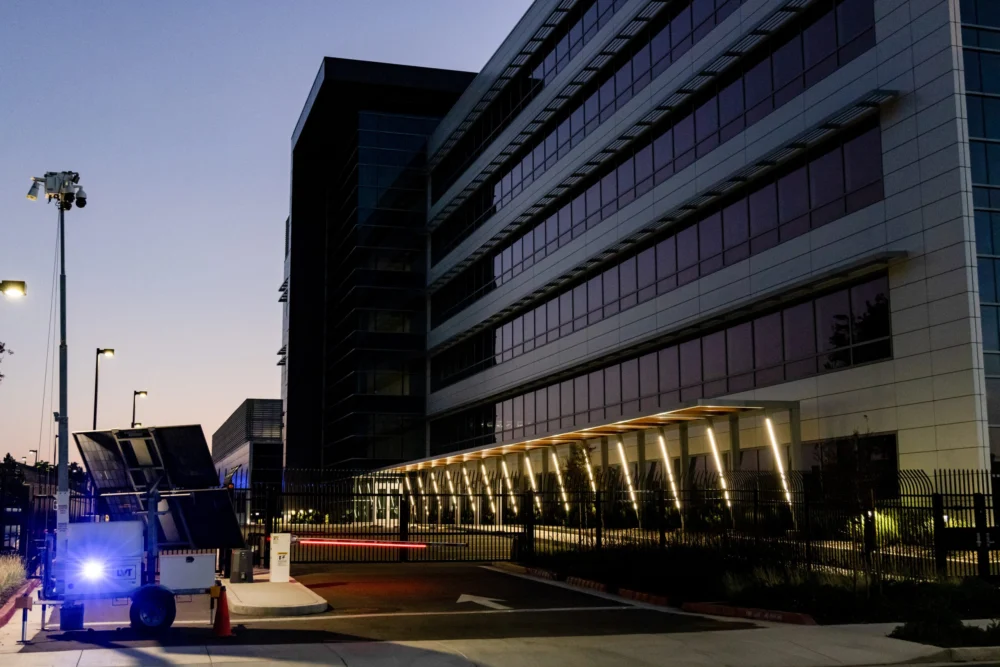
In early November, Texas-based New Era Energy & Digital unveiled ambitious plans for a colossal "hyperscale" data center complex in Lea County, New Mexico, a region already at the heart of the Permian Basin’s oil and gas boom. This sprawling facility, designed for advanced artificial intelligence processing, is so immense that its developers intend to power it with dedicated nuclear and natural gas plants, boasting a combined generation capacity of approximately 7 gigawatts. To put this in perspective, this output rivals the combined capacity of the West’s largest nuclear and natural gas power stations, Palo Verde and Gila River near Phoenix, with an additional 800 megawatts to spare. While this generated power could theoretically electrify over 5.3 million homes, its primary purpose will be to fuel the ever-growing demands of digital activities, from streaming entertainment and social media to the computationally intensive tasks of AI development.
Despite the sheer scale of this undertaking, it has garnered surprisingly little media attention, not due to secrecy, but rather because such announcements have become so commonplace they barely register as news. While the realization of these massive data centers, complete with their own power generation, remains a distant prospect, even a fraction of the proposed projects will profoundly alter the West’s energy infrastructure, landscapes, and economies. This transformation promises to be as significant as the post-World War II industrial expansion, which saw the proliferation of vast coal-fired power plants and hydroelectric dams across the region to energize burgeoning urban centers via extensive high-voltage transmission networks.
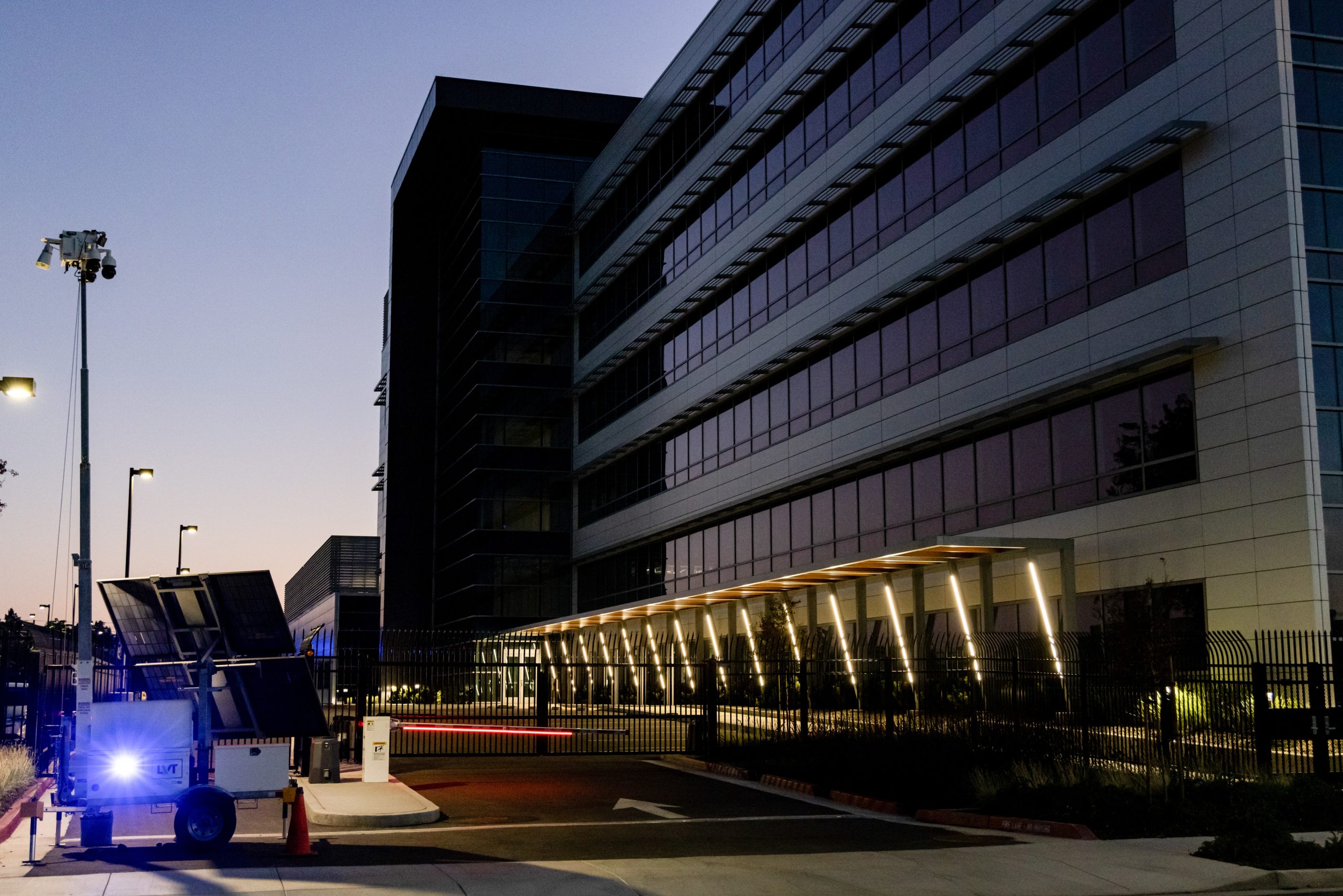
Indeed, this transformative shift is already well underway. A recent report from the nonprofit NEXT 10 and the University of California, Riverside, revealed that in 2023, data centers in California consumed 10.82 terawatt-hours of electricity—enough to power approximately one million U.S. households. This consumption translated into roughly 2.4 million tons of carbon emissions, even within California’s relatively clean energy framework; on grids more reliant on fossil fuels, these emissions would be substantially higher. These facilities also consumed an estimated 13.2 billion gallons of water for cooling and electricity generation. In Silicon Valley, data centers account for a staggering 60% of the electricity demand for one municipal utility, forcing rate increases to fund the necessary upgrades to transmission and substations, as well as the installation of new battery energy storage systems.

These power-hungry facilities are increasingly establishing themselves in cities and towns far beyond the traditional tech hubs of Silicon Valley. Over 100 data centers, structures resembling large commercial warehouses filled with endless rows of computer servers, have already sprung up in business parks around Phoenix. Projections from utility companies suggest that planned new facilities could escalate Arizona’s total power demand by as much as 300% over current levels. In response to this burgeoning demand, Arizona Public Service announced its intention to continue operating the Four Corners Power Plant, a coal-fired facility, beyond its originally scheduled 2031 retirement date.
The Western power grid, a complex network interconnected across 38 distinct balancing authorities or grid operators, is bracing for significant increases in data center-driven demand over the coming decade. Many of these operators are currently ill-equipped to meet this surge. The North American Electric Reliability Corporation has issued warnings regarding the heightened risk of winter outages in parts of the West due to this escalating data center power consumption. Consequently, many of the largest data centers are exploring self-generation options, while utilities face the urgent challenge of rapidly expanding their generating capacity and associated infrastructure. The substantial costs of this new infrastructure will ultimately be passed on to consumers through their utility rates.

The question of how this immense power demand will be met is becoming increasingly critical. It is becoming clear that relying solely on solar and wind energy will be insufficient to satisfy projected needs. Consequently, utilities are reassessing plans, opting to extend the operational life of existing coal plants beyond their scheduled retirement and to construct new natural gas facilities. Furthermore, the prospect of new nuclear reactors is being seriously considered. Tech giants like Google, Switch, Amazon, OpenAI, and Meta are all exploring the potential of small modular and advanced nuclear reactors to power their proposed facilities, assuming these next-generation technologies become commercially viable.
The environmental implications of these data center developments are varied and significant. The combustion of fossil fuels contributes to climate change and air pollution, while oil and gas extraction and coal mining inflict considerable damage on landscapes. Large-scale solar and wind installations, while renewable, can impact wildlife habitats and necessitate the construction of hundreds of miles of new transmission lines. Nuclear power, though low-carbon, presents unique safety concerns and the persistent challenge of radioactive waste disposal, alongside the environmental risks associated with uranium mining. Even data centers powered entirely by solar and batteries are still contributing to demand on a grid that, without this additional load, could be displacing fossil fuels more rapidly. Moreover, unless equipped with advanced closed-loop air-cooling systems, these facilities typically consume substantial amounts of water for cooling, often drawing from municipal drinking water supplies.

Prometheus Hyperscale, a Wyoming-based company, has garnered attention for its ambitious vision of constructing "sustainable" data centers. Their proposals include dedicated clean energy generation, water recycling systems, and highly efficient cooling mechanisms designed to leverage the colder climate of the Northern Rockies. They have even suggested repurposing the heat generated by servers to warm greenhouses and support aquaculture operations, with the potential for future supplementation by micro-nuclear reactors. However, the company’s initial operational plans rely on natural gas, with a commitment to offset carbon emissions by investing in carbon capture and sequestration technology at biofuel plants in Nebraska.
Resistance to the growing wave of data centers and their substantial energy and water demands is emerging across the West. However, the localized nature of these projects often makes coordinated opposition challenging, leading to a "whack-a-mole" scenario. Following local opposition in Tucson, Arizona, which successfully prevented the annexation of the proposed Project Blue data center that would have allowed it to utilize treated wastewater for cooling, the developers relocated the project to county jurisdiction. There, they plan to implement an air-cooling system, which conserves water but significantly increases energy consumption. Subsequent community concerns led the firm to commit to investing in sufficient renewable energy on the Tucson Electric Power grid to fully offset its electricity usage.

Adding to the challenges faced by opposition groups is the fact that many local governments and utilities actively welcome data center development. These facilities can offer substantial job creation and tax revenue to economically struggling regions, provided tax exemptions are not excessively granted. Simultaneously, utilities are eager to expand their customer base and increase revenue, which can be used to fund necessary infrastructure upgrades. Jeff Brigger, an executive at NV Energy, expressed enthusiasm for serving the increased load from data centers in Nevada, highlighting the utility’s readiness to support this growth.
While much of the opposition to data centers centers on their environmental impacts, potential increases in utility rates, and broader community effects, the underlying technology of artificial intelligence itself has also become a point of contention. It is one thing to acknowledge the significant resource consumption required for essential activities like food production, but quite another to witness the continued operation of fossil fuel power plants solely to facilitate tasks like generating school essays, answering trivial questions, creating digital art, or providing virtual companionship. While AI holds immense potential for positive applications, such as advancing medical diagnoses and accelerating scientific discovery through complex data analysis, its current energy and water footprint raises critical questions about its sustainability. Before AI continues its trajectory to reshape the world, it may be prudent for the technology to first address its own resource intensity, seeking more efficient operational methods.