Johny Prima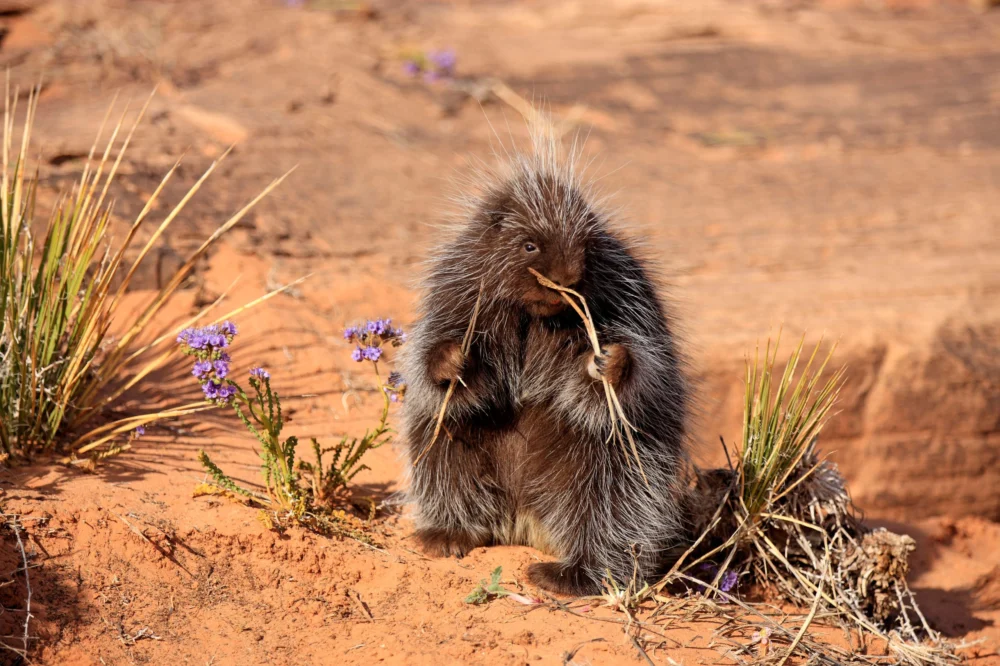
The North American porcupine, an animal instantly recognizable yet profoundly elusive, is silently vanishing from its ancestral homelands across the Western United States, prompting urgent investigations and profound concern from Indigenous communities and wildlife scientists alike. These distinctive rodents, characterized by their formidable coat of some 30,000 barbed quills, have long been a cryptic presence in the continent’s forests, their nocturnal habits and solitary nature making encounters rare. However, what was once a challenge of observation has now evolved into an alarming scarcity, signaling a potential ecological crisis that ripples through entire ecosystems.
In the dense, verdant forests of Northern California, the Karuk Tribe observes this decline with a poignant sense of loss. Emilio Tripp, a dedicated wildlife manager and a proud Karuk citizen, recalls a fleeting glimpse in the late 1990s—a ghostly silhouette against the night sky during a drive with his father—which remains his sole, uncertain encounter with a kaschiip, the Karuk word for porcupine. Now 43, Tripp’s experience mirrors that of many within his tribe: sightings are exceedingly rare, largely confined to the fading memories of elders who speak of a time, before the turn of the 21st century, when porcupines were abundant. Each new observation, often a somber discovery of a roadkill carcass, feels like an echo from a bygone era, stirring a collective question: where have all the porcupines gone? "Everyone’s concerned," Tripp emphasizes, highlighting the deep unease permeating the community. "If there were more observations, we’d hear about it."
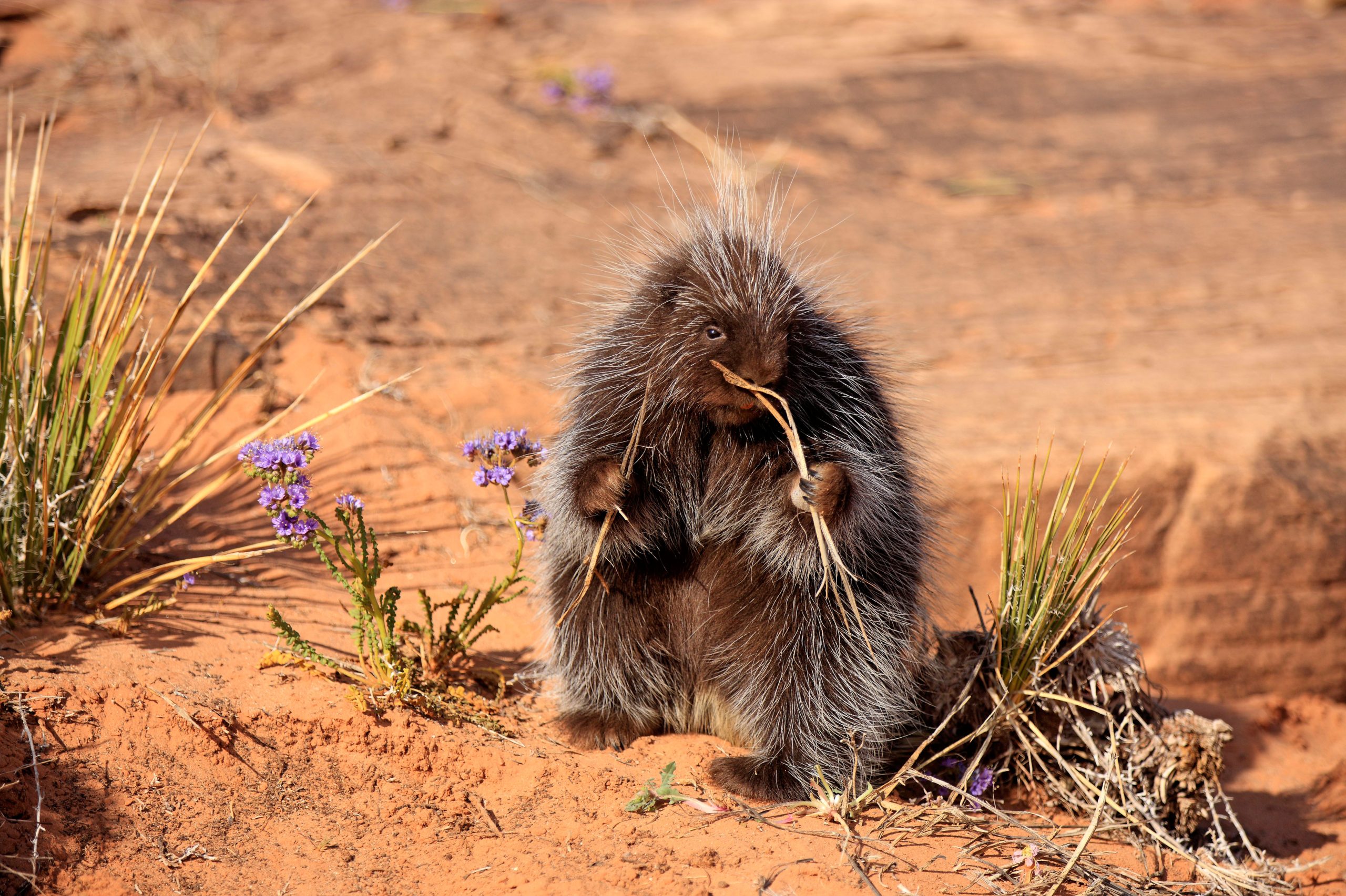
This unsettling trend extends far beyond the Karuk ancestral lands. Across the vast and diverse landscapes of the American West, porcupine populations are undeniably dwindling. This widespread disappearance has galvanized wildlife scientists, who are now engaged in a critical race to pinpoint remaining populations, understand the complex factors driving their decline, and, in a testament to proactive conservation, collaborate with communities like the Karuk Tribe on ambitious restoration initiatives to reintroduce these vital creatures to their native habitats. The urgency stems not just from the loss of a unique species, but from the broader implications for biodiversity and the intricate web of life.
Porcupines, despite their formidable appearance, embody a certain "dopey" charm, as described by Tim Bean, an ecologist at California Polytechnic State University who has meticulously collared these animals for research. They navigate their arboreal world with a slow, deliberate waddle, primarily under the cloak of darkness, foraging for succulent foliage or the nutrient-rich cambium layer of tree bark. This diet, while essential to their survival, also placed them squarely in conflict with human interests for much of the 20th century. The timber industry, viewing their tree-gnawing habits as a significant economic threat, spearheaded widespread poisoning and hunting campaigns. This persecution was relentless and devastating; between 1957 and 1959 alone, Vermont saw the massacre of over 10,800 porcupines, while California forest officials declared an "open season" on them in 1950, erroneously asserting that the species posed an existential threat to pine forests. Though official state bounty programs largely ceased by 1979, the damage was profound, and porcupine numbers have never fully recovered.
The legacy of this historical persecution continues to haunt contemporary conservation efforts. Modern surveys conducted by researchers in British Columbia, Arizona, western Montana, and Northern California consistently reveal that porcupines remain scarce. The absence of comprehensive, long-term monitoring data prior to these declines complicates the scientific understanding, leaving researchers to debate whether current observations represent a continued decline or simply a prolonged failure to rebound from past eradication efforts. Nevertheless, anecdotal evidence, a powerful indicator from those who remember a different time, rings alarm bells: veterinarians report fewer quilled pets, rural homeowners note the absence of their former backyard residents, and hikers, once accustomed to sporadic sightings, now find these creatures more elusive than ever.

The ecological ramifications of this decline are already manifesting, underscoring the porcupine’s critical, often underestimated, role in forest ecosystems. In California’s majestic Sierra Nevada, for instance, the endangered fisher (Pekania pennanti), a member of the weasel family and one of the few predators capable of overcoming a porcupine’s defenses, is suffering. The absence of porcupines, a historically significant protein source, has led to scrawnier fishers and smaller litters compared to populations in areas where porcupines are still present. This example vividly illustrates how the disappearance of a single species can disrupt trophic levels, weakening the health and resilience of an entire ecosystem.
Beyond the ecological, the porcupine’s disappearance also represents a profound cultural loss. For the Karuk Tribe, porcupine quills are not merely decorative elements but integral components of cultural and ceremonial items, particularly in their intricate basketry. The vibrant yellow coloration, traditionally achieved with wolf lichen dyes, adds a unique aesthetic and spiritual dimension to these handcrafted pieces. The increasing necessity for the tribe to import quills, rather than gather them locally, signifies more than just an inconvenience; it severs a vital connection between tribal members and their ancestral lands, undermining traditional ecological practices passed down through generations. "It’s important for porcupines to be a part of our landscape," Tripp explains, emphasizing the deep spiritual and practical significance. "That’s part of why they’re chosen to be part of this ceremonial item."
Erik Beever, a leading ecologist at the U.S. Geological Survey, views the porcupine’s vanishing act as a stark symptom of a broader, more alarming trend. Across the United States and globally, biodiversity is eroding at a pace that often outstrips scientific observation and understanding. Beever refers to this as a "silent erosion of animal abundance," where species disappear without adequate baseline data or public awareness, highlighting a critical knowledge gap in conservation. The porcupine, an animal whose widespread distribution once made it seem secure, now serves as a sentinel, its struggles mirroring those of countless other species whose fates remain largely unmonitored.

To combat this critical lack of data, scientists are intensifying their efforts. Tim Bean’s team has meticulously analyzed a century’s worth of public records, including roadkill databases, wildlife agency reports, and citizen science contributions, to map porcupine distribution patterns across the Pacific Northwest. Their findings suggest a complex shift: while porcupines are dwindling in traditional conifer forests, they are unexpectedly appearing in non-traditional habitats such such as deserts and grasslands, possibly indicating habitat displacement or adaptation to changing environments. Erik Beever is now spearheading a similar, comprehensive study across the entire Western U.S., leveraging advanced tracking technologies and community engagement to paint a clearer picture of their status.
Several theories are being investigated to explain why porcupines have failed to recover or are continuing to decline. One significant factor is the proliferation of illegal marijuana cultivation sites, often hidden deep within remote forest areas. These illicit operations frequently employ highly toxic rodenticides, which, while targeting pest species, inadvertently cause widespread secondary poisoning among non-target wildlife, including porcupines. This problem is exacerbated by the challenges of regulating and remediating these clandestine sites. Another proposed theory suggests that increased protections for apex predators, such as mountain lions, while beneficial for those species, may have inadvertently increased predation pressure on porcupines in some areas. Porcupines’ natural defenses, while potent, are not infallible against skilled hunters, and an increase in predator populations could disproportionately affect a slow-moving species. Furthermore, porcupines possess a naturally low reproductive rate, typically birthing only a single offspring, known as a porcupette, at a time. This biological characteristic makes their populations inherently vulnerable to environmental shocks and significantly slows their ability to rebound from declines.
However, studying these elusive creatures presents considerable challenges. As generalist herbivores, porcupines inhabit a wide variety of forest types, making it difficult for researchers to know precisely where to focus their efforts. Unlike many carnivorous species, porcupines are not easily lured by bait. Scientists have experimented with various methods, from brine-soaked wood blocks (attracted by salt cravings) to peanut butter and even porcupine urine, with only mixed success in coaxing the cautious animals towards camera traps. The Central Sierra Environmental Resource Center, after 34 years of both baited and unbaited camera surveys in the Sierra Nevada, has recorded a mere three porcupine sightings. "It’s a mystery," admits John Buckley, the center’s executive director, expressing profound bewilderment at their failure to recolonize seemingly undisturbed habitats like Yosemite National Park.

Despite these daunting obstacles, the Karuk Tribe remains steadfast in its commitment to bringing kaschiip back to its rightful place. Initial camera trap surveys, mirroring broader scientific experiences, have yielded frustratingly scant evidence; one area, optimistically dubbed a "hotspot" by Tripp, produced a single porcupine photograph. "That’s how rare they are," he laments. Undeterred, Karuk biologists are exploring innovative, non-invasive methods, including deploying trained dogs to conduct scat surveys, which can provide crucial genetic and distribution data without direct animal contact.
The prospect of reintroducing the species presents a delicate balancing act. Identifying healthy source populations that can withstand the removal of individuals for relocation is critical, as is ensuring the recipient habitats are free from the threats that caused the initial decline. Yet, Tripp firmly believes that action cannot be delayed. The ecosystem, he observes, shows no signs of spontaneous healing. "Things don’t seem to be getting better over the course of my lifetime," he notes, his words carrying the weight of generational observation.
Amidst the scientific inquiry and conservation challenges, a quiet, stubborn hope persists. Tripp, his wife, and daughter continue to participate in traditional basket-weaving events, incorporating quills into their artistry, upholding the Karuk’s age-old traditions that honor the porcupine. This dedication is more than just cultural preservation; it is an act of faith, a collective aspiration that, perhaps in the coming years, through concerted efforts and unwavering commitment, the Western forests will once again resonate with the subtle rustle of a kaschiip making its way home.