Rocky Gerung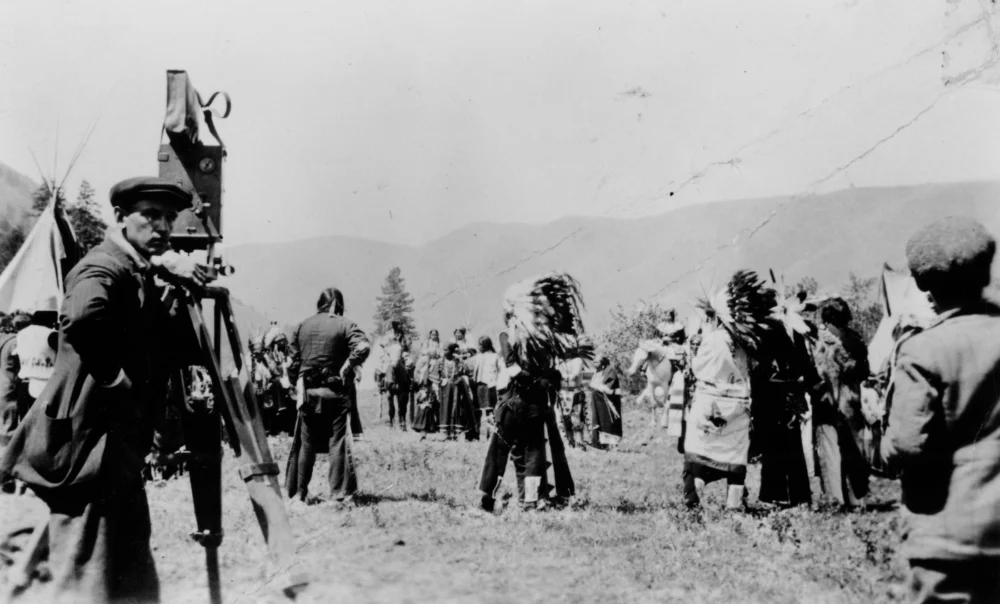
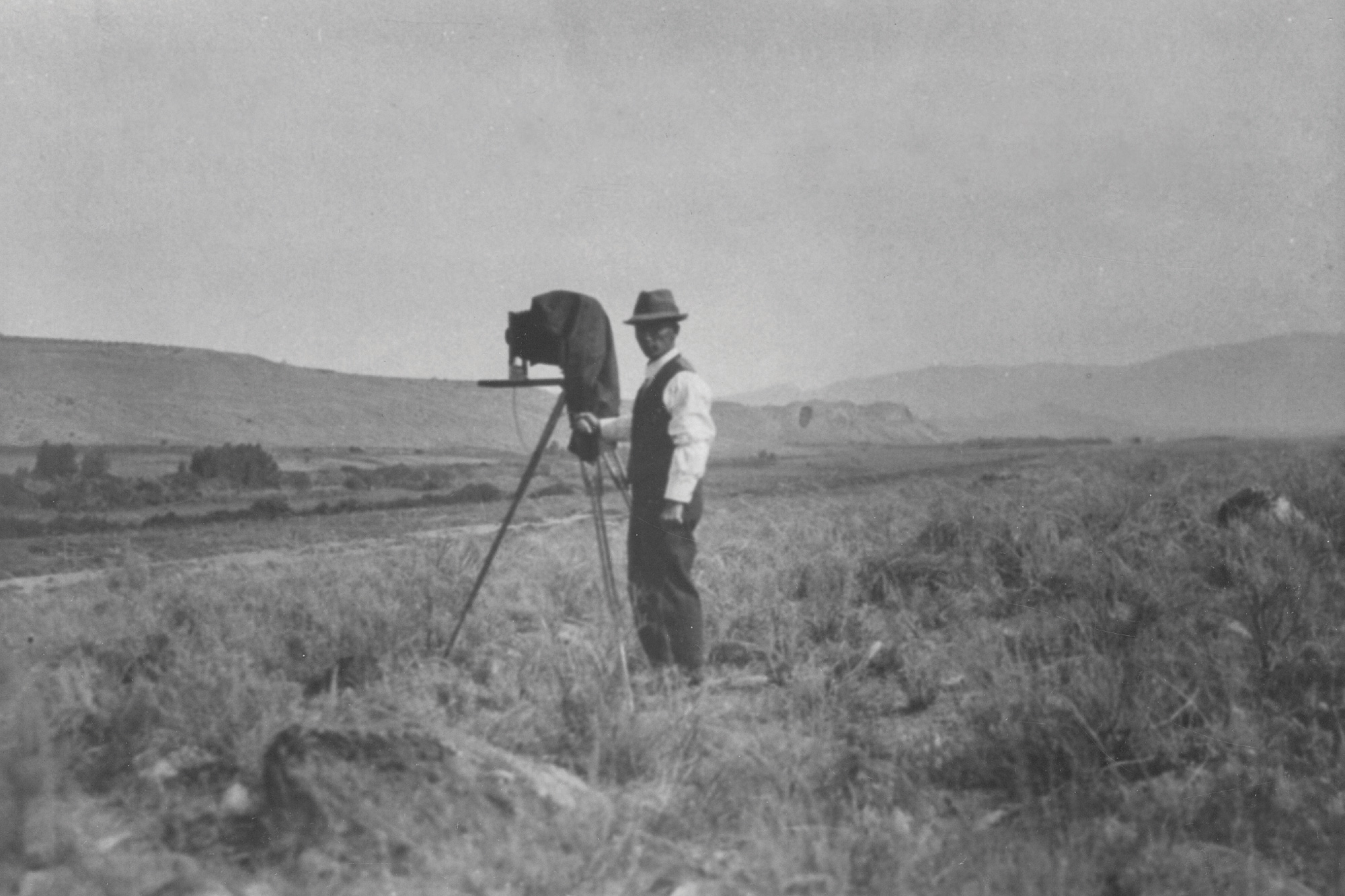
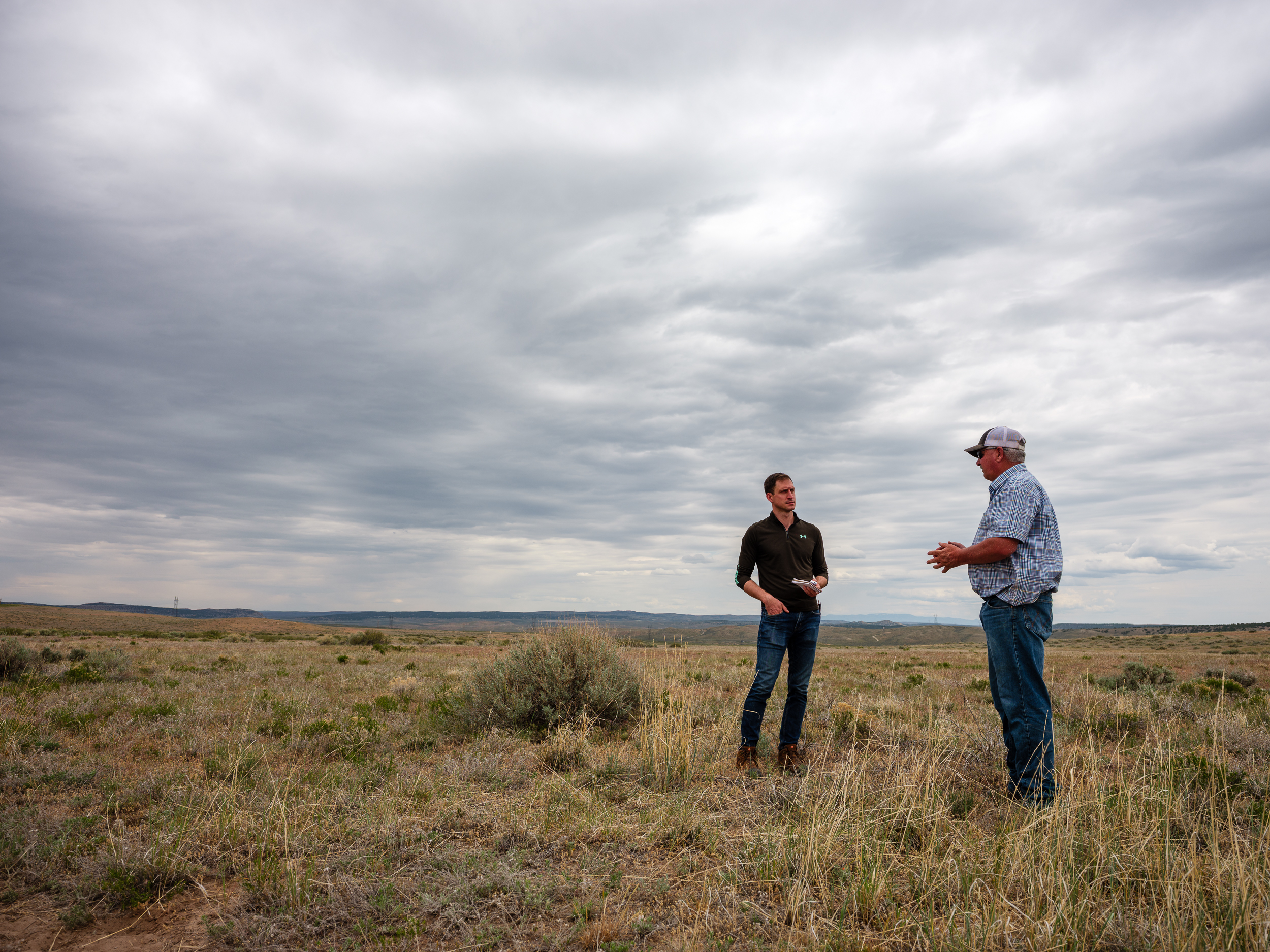
The forgotten cinematic gem, Told in the Hills, the first feature film ever shot in Idaho, is finally resurfacing after over a century, its restoration a testament to perseverance against formidable odds. Discovered by Colin Mannex, executive director of the Kenworthy Performing Arts Center (KPAC) in Moscow, Idaho, during a humanities panel at Washington State University in 2023, the film’s existence ignited a passion project. Based on Marah Ellis Ryan’s 1891 novel, the silent Western romance chronicles the journey of Genesee Jack, an Idaho settler forging a new life, and his estranged brother’s quest to find him. The production, filmed in the picturesque Lawyer’s Canyon south of Lewiston, was notable for featuring over 100 Nimiipuu (Nez Perce) actors, offering a unique glimpse into the region’s history and its Indigenous inhabitants.
Mannex, already an enthusiast of the silent film era and the curator of KPAC’s annual Silent Film Festival, was captivated by the prospect of seeing this lost piece of Idaho’s cinematic heritage. His excitement grew upon learning that delicate reels of the film, along with its original shooting script and hundreds of production stills, were preserved within the Idaho Film Collection at Boise State University’s archives. His archival discovery led him to Tom Trusky, an enigmatic poet and English professor whose own 1989 documentary, Retold in the Hills, detailed his arduous journey to the Gosfilmofond State Film Archive in the former Soviet Union to retrieve the original nitrate prints of Told in the Hills and his subsequent efforts to preserve them. Mannex, drawn to Trusky’s "electric energy and excitement," embraced the challenge of continuing the preservation work.

Through KPAC, Mannex secured a $7,500 grant from the Idaho Humanities Council (IHC) in January 2024, dedicated to the film’s restoration. He commissioned an original score from the acclaimed Diné composer Connor Chee and engaged a specialized company for a 4K restoration of the fragile film elements, while also hiring an editor to reconstruct the narrative. Crucially, Mannex initiated outreach to the Nez Perce Tribe, seeking their knowledge about the film’s creation and consulting them on its restoration process. Further fundraising efforts bolstered the project, culminating in a planned premiere for September 2025.
However, the project’s trajectory was dramatically altered in April by an unexpected and devastating announcement from the National Endowment for the Humanities (NEH). Camille Daw, program officer at IHC, confirmed to High Country News that the grant funding was terminated, a decision attributed to the Department of Government Efficiency (DOGE), an entity reportedly founded by billionaire Elon Musk and granted broad authority under the Trump administration to implement significant budget cuts across federal agencies. This swift and sweeping reduction in funding meant that 70% of IHC’s annual budget, which it disburses across Idaho, was immediately jeopardized. The cuts reverberated throughout the state, forcing the council to re-evaluate or postpone grants it had already committed, including the vital funding for KPAC’s film restoration project, mere months before the scheduled premiere. "It just totally derailed everything," Mannex stated, underscoring the profound disruption caused by the funding withdrawal.
The historical context of Told in the Hills‘ production in 1919 reveals a landscape fraught with federal pressures for the Nimiipuu people, mirroring the challenges faced by the film’s restoration team centuries later. By that year, federal boarding schools were actively removing Indigenous children from their families, and government policies were systematically dispossessing tribes of their ancestral lands, threatening their cultural integrity and way of life. An entire generation of Nimiipuu had grown up under government prohibitions on their traditional practices. Nakia Williamson-Cloud, director of the Nez Perce Cultural Resource Program and a key consultant on the film’s restoration, highlighted the profound historical weight of the film’s cast. "Many of those individuals (in the film) were in armed conflict with the U.S. federal government in the 1877 (Nez Perce) War," he explained. "When you look into the faces of those individuals on film and in the photographs, you know that they faced challenges to their very existence." In this light, Told in the Hills emerges not just as a film, but as a vital artifact preserving the resilience and resistance of the Nez Perce people against attempts at cultural erasure.

Williamson-Cloud offered a powerful perspective on the DOGE funding crisis by situating it within the vast timeline of Nimiipuu history. "Nez Perce people have been on this landscape in excess of 16,500 years," he stated. "We’ve seen a lot of changes. Our memory is not only ancestral over generations, our memory is on par with geological events that we observed on the landscape." He emphasized the relatively brief tenure of the current federal government, describing it as "just a speck amount of time. Tiny amount of time." He added, "And that’s what we’re here to remind the broader society… is just the resilience of our people."
Undeterred by the funding cuts, the Told in the Hills restoration team resolved to press forward. Composer Connor Chee acknowledged that "things got scaled back" following the financial blow. The ambitious plan for a full chamber orchestra accompanying the film was reduced to a quintet. "I didn’t get to see the finished film," Chee admitted, "And I had to get this music to the performers in time for them to rehearse it and learn it." Consequently, the conductor and musicians had a mere two weeks for practice, and editing was temporarily halted until funding could be re-established. Chee ingeniously crafted flexible musical cues that could adapt to the evolving, unfinished final cut of the film, creating a score that he described as "a living thing" capable of changing with each performance.
During the restoration process, comparisons between the new 4K scan and Trusky’s 1980s videotape revealed significant improvements. In one scene where actors’ faces were obscured by deep shadows in the older footage, the restored 4K version brought their features into sharp relief. This enhanced clarity, combined with the extensive collection of still photographs, enabled Williamson-Cloud and his team to identify and credit dozens of previously unrecognized Indigenous actors. Mannex and editor Tom Frank faced the considerable task of reconstructing the narrative, as only about a third of the original film footage had survived. They meticulously consulted the shooting script and integrated the trove of still images to fill the gaps in the surviving film. "We have essentially 20 minutes of footage for a 60-minute film," Frank explained, noting their strategy of using "one or two photos to represent the scene with text from the script" to maintain clarity for the audience.

Throughout this period of uncertainty, Mannex tirelessly sought alternative funding. Contracts for editing and score composition hinged on the precarious restoration of financial support. In the critical final months, the Mellon Foundation provided crucial backing, supplemented by contributions from local donors to KPAC. Ultimately, a court reversal of DOGE’s decision reinstated the original funding, allowing the project to move forward. After a summer marked by confusion and instability, the film was declared ready with less than a week to spare before its premiere.
On a crisp September Friday night, conductor Danh Pham and his quintet took their places at the base of the stage in the Kenworthy Theater, as the audience began to fill the hall. The projected image, a modern digital display, replaced the familiar sounds of unspooling film, yet the cursive title glowed in silver on the screen, a nostalgic echo of a bygone era. For the first time in over a century, Told in the Hills was presented to an audience. Mannex, addressing the viewers before the screening, offered a preface, acknowledging, "You’ll see some old tropes and casting decisions that are uncomfortable for contemporary audiences." He stressed, however, that "Despite its flaws, Told in the Hills remains an important cultural resource."
Indeed, the film’s portrayal of Native characters and the language used to describe them, alongside a minstrel-like representation of its Black characters, elicited uncomfortable reactions from the audience. Williamson-Cloud addressed these elements, stating, "Context is everything." He emphasized the importance of confronting such historical inaccuracies, noting, "It’s an important discussion for the time we live in now. We have to take these things head-on and shed light on the ignorance that drives this sort of language." While the film reflects the era in which it was made, featuring white actors in dark makeup alongside Cherokee actor Monte Blue and Nez Perce performer Joe Kentuck, it also subverts some contemporary stereotypes by depicting peaceful relations between Native Americans and early settlers. The film’s battle sequence, a section that had been lost, is depicted as stemming from a misunderstanding and the fault of an American cavalry unit.

Remarkably, the hundreds of Nimiipuu extras who appeared in the film, though portraying a different tribe (the story centers on the Kootenai people), were given a rare opportunity to showcase their authentic traditions. They were neither costumed nor directed in a way that altered their appearance, and thus appear in their own clothing, performing their own traditional dances and ceremonies. Over a century later, Told in the Hills is being re-imagined, and its journey continues to evolve. Mannex expressed regret that the film’s ending, which prominently featured Nimiipuu actors and is presumed lost, could not be restored. "It would be really cool to see that," he remarked. He envisions future iterations of the project, stating, "We started out intending full fidelity to the script, but I think there’s more artistic license we can exercise going forward." He hopes to build upon the collaborative relationship with the Nez Perce Tribe, potentially creating a product that integrates the culturally significant production images with audio commentary. Plans include a DVD release, further screenings, and potential reinterpretation through formats like museum exhibits.
Williamson-Cloud shared the aspiration that Told in the Hills can serve as "a living document for us to add to," emphasizing that the ultimate takeaway of the restored film is the enduring survival of the Nimiipuu people against attempts at erasure. "Our existence today is sometimes seen as an inconvenient fact," he concluded. "But this (version of the film) is a starting point to revisit this time and place while looking to the future."