Roger Danuarta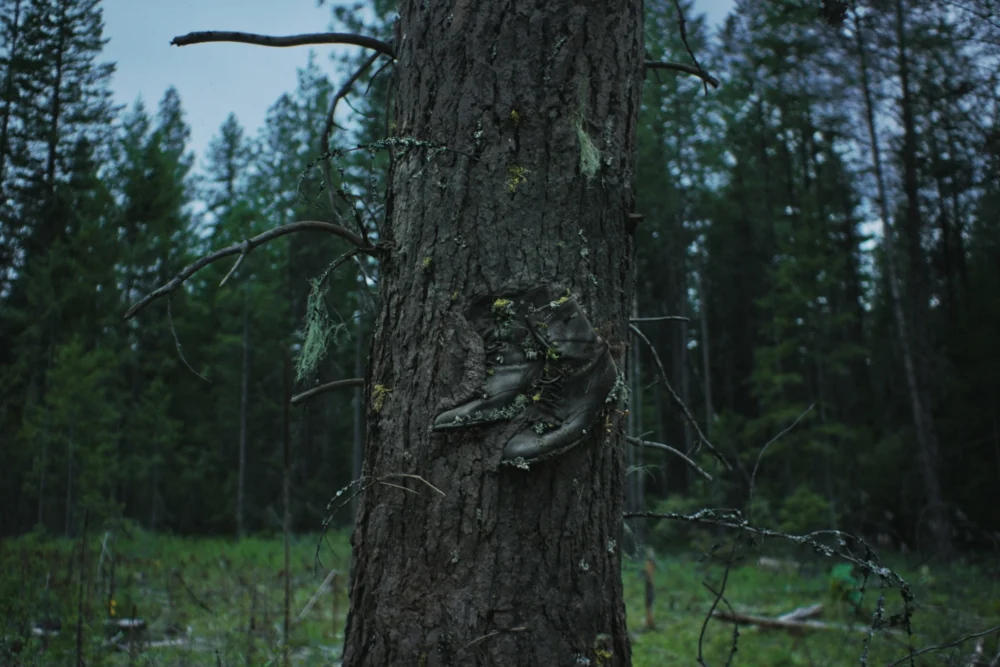
Clint Bentley’s much-anticipated Netflix adaptation of Denis Johnson’s seminal novella, Train Dreams, offers a haunting exploration of early 20th-century Pacific Northwest life, finding profound resonance with the challenges and existential quandaries of the contemporary world. The film delves into the harsh realities of resource extraction and the human spirit’s enduring search for meaning amidst an industrializing landscape, a narrative that first captivated readers with its raw depiction of wilderness and labor.

Denis Johnson, a revered figure in American letters known for his sparse yet potent prose, crafted Train Dreams as a meditation on isolation, loss, and the relentless march of progress. The novella introduces Robert Grainier, a logging-crew laborer whose life unfolds against the backdrop of Washington State’s vast, untamed forests a century ago. Grainier’s arduous existence, characterized by strenuous manual labor and deep solitude, evokes a bygone era where human effort directly shaped the land. For many who have experienced similar demanding work in natural settings, Johnson’s vivid descriptions of "the straining, the heady exhaustion, the deep rest at the end of the day" strike a powerful chord, articulating the profound connection forged between individuals and the wild through physical toil. Such sentiments echo the experiences of modern-day wilderness workers, including Forest Service trail crews who, even in recent years, rely on traditional, non-motorized tools like two-person crosscut saws and axes to maintain trails in federally designated wilderness areas. This deliberate adherence to historical methods, dictated by conservation regulations, fosters a unique bond with the past and an immersive experience akin to that of Grainier, creating a sense of being "lost and far away… cut off from anything else that might trouble" one’s mind.
However, the idyllic, almost romanticized view of wilderness work often shifts as personal circumstances and global events reshape perspectives. The turn of a new decade, marked by further education, a global pandemic, and significant societal disruptions, can fundamentally alter one’s relationship with work and the world. The impact of such forces, symbolized by events like the unforeseen economic shifts or technological transformations that led to the end of a long-standing Forest Service career in early 2025, forces a reevaluation of purpose and stability. This broader context reveals the inherent complexities often hidden beneath the surface of seemingly straightforward manual labor, exposing its vulnerabilities within an ever-widening, less simple world.

Director Clint Bentley faced the considerable task of translating Johnson’s uniquely surreal and stark literary vision to the screen, and the Netflix version, while visually stunning, embarks on a slightly different path. The film is "gorgeously dreamlike," enveloping viewers in the rugged beauty of the Pacific Northwest, yet it opts for a more grounded realism than the novella’s almost folkloric strangeness. This choice necessitates certain narrative liberties, particularly in softening the moral ambiguities that define Johnson’s characters. For instance, the book portrays Grainier as an active participant in a horrific act of racial violence, helping to throw a Chinese laborer to his death from a railroad trestle. The film, in contrast, mitigates Grainier’s culpability, depicting him merely as a horrified bystander who weakly protests the atrocity. This significant alteration shifts the narrative’s core thematic focus. While Johnson’s novella centers on Grainier’s deeply personal quest for redemption, the film broadens this scope, suggesting that Grainier is less an individual sinner and more a vessel for the "collective sins of society," a man haunted by the larger, industrializing world’s inexorable march and its accompanying injustices.
Despite these departures, which may inevitably disappoint purist fans of Johnson’s original work, the film’s "relative realism" imbues the story with a different, yet equally potent, power. It captures the essence of Train Dreams through its "bleakness and beauty," delivering a profoundly moving experience. Bentley’s adaptation pointedly emphasizes the exploitation of both land and human labor, meticulously illustrating their far-reaching ripple effects. This approach feels particularly pertinent in the current global climate, where public lands face increasing threats from renewed extraction efforts, and workers across various sectors find themselves increasingly expendable in the face of economic shifts. Moreover, the omnipresent specter of wildfires, a central, catastrophic event in Train Dreams, has become an alarmingly familiar reality worldwide, exacerbated by climate change and impacting ecosystems and communities with unprecedented intensity.

The film’s exploration of these themes resonates deeply with contemporary anxieties. The struggles depicted—balancing demanding, often poorly paid work with the desire for stability, the addictive quality of physically exhausting labor even as it takes a toll on the body, and the universal search for meaning in a rapidly accelerating world—mirror the challenges many individuals face today. The enduring tensions inherent in seasonal outdoor labor, remarkably unchanged over a century, evoke an "existential ache," highlighting the cyclical nature of human struggle against economic and environmental forces.
Shot on location in Washington, the film is visually captivating, "drenched in beautiful visuals" that immerse the audience in the verdant, rugged landscapes. Sweeping tableaus showcase logging crews amidst massive, moss-covered stumps, shaded by the lichen-draped limbs of the very trees they are felling. These images subtly underscore the profound reverence the central characters hold for the nonhuman world, even as their livelihoods depend on its irrevocable transformation. This complex relationship between humanity and nature is further articulated through lines specifically added to the film, not found in the original novella, which echo the profound ecological philosophy of conservationist John Muir. Characters like the eccentric aging logger Arn Peeples, portrayed by William H. Macy, pontificate, "This world is intricately stitched together, boys. Every thread we pull we know not how it effects the design of things." Later, Claire Thompson, a fire lookout for the "newly created U.S. Forest Service," expands on this metaphor: "In the forest every least thing is important. It’s all threaded together so you can’t tell where one thing ends and another begins." These poignant reflections serve as a powerful reminder of the intricate interdependence of all life and the unforeseen consequences of human intervention.

For those who have dedicated their lives to working with the land, maintaining trails, and facilitating public access to the wild, the concept of a "threaded-together forest" is not merely an abstract idea but a lived reality. The sense of purpose derived from helping others forge a connection with nature—a vital antidote in an increasingly anxiety-ridden, digitally dependent world—is immense. Losing such a calling can be profoundly challenging, yet an even greater struggle lies in confronting societal systems that actively deny the fundamental interdependence of all life, human and nonhuman alike.
Ultimately, Train Dreams delivers a brutal clarity, exposing how much of the work that undergirds the romanticized cultural ideals of the American West—from logging and wildland firefighting to trail maintenance and farming—renders human labor invisible and replaceable, treating the nonhuman world as a mere "resource." The film offers no facile solutions to Grainier’s or society’s collective search for salvation from this pervasive culture of disregard. Instead, by continuously circling back to the central theme of connection, it powerfully suggests that redemption can be found in reciprocity. It implies that our inherent interdependence with one another and with the natural world not only provides a compelling reason to advocate for change but also bestows upon us the collective power to resist and reshape these detrimental systems. The story serves as a timeless cautionary tale and a hopeful reminder of our profound links to the environment and to each other.