Rocky Georgio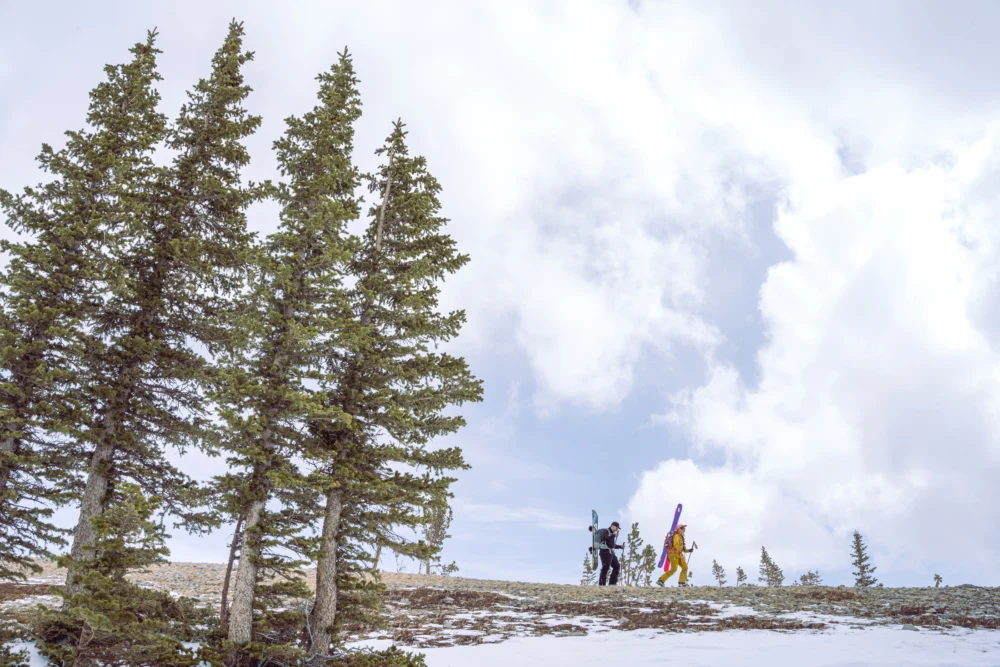
The familiar sound of percussion on the roof, typically a harbinger of snow in late November at 7,000 feet in the Rockies, brought no comfort last night. Instead, a predicted storm, hyped by local meteorologists for its potential to deliver up to six feet of powder, dwindled into mere rain. This pattern of meteorological disappointment has become increasingly common, with forecasts consistently downgraded, leaving behind only a dusting in a few high-altitude pockets and pushing the prospect of a true winter closer to the solstice with alarming regularity.
For years, the anticipation of early winter ignited a palpable excitement, regardless of location across the Western United States. The author recalls eagerly tracking storms rolling in from the Pacific, watching Colorado’s high alpine resorts vie for the earliest opening dates or observing the snowline gradually descend in the Pacific Northwest. This once joyous ritual of monitoring weather patterns for the promise of abundant snowfall has, however, transformed into a source of gnawing dread. Now, a forecasted storm elicits the wrong kind of adrenaline, a physical manifestation of anxiety accompanied by a tightening in the stomach when the snow fails to materialize. As a skier, the author has inadvertently become a sensitive barometer for winter’s health, and recent seasons have increasingly deviated from the norm, exhibiting a concerning trend of warmth and aridity. What once represented an exciting promise of powder days and effortless turns has evolved into a worry about the profound implications of this persistent snow deficit for the future.
The skier’s happiness, it seems, is inextricably linked to weather systems far beyond individual control. This fixation on snowfall, while perhaps appearing as a peculiar obsession, serves as a crucial indicator, keeping the internal barometer finely tuned and prompting a deeper examination of larger environmental patterns. Skiers, by nature, can be characterized by their obsessive, ritualistic, and often superstitious tendencies, prone to worrying about disrupting the delicate balance of the natural world. The common joke about "praying for snow," though acknowledged as a futile gesture against the forces of nature, highlights a deeper, almost instinctual desire. This manifests in traditions like pre-season ski-burning bonfires and the seemingly illogical act of washing a car in hopes of coaxing storms – actions that, in essence, mirror the act of prayer.

The desire for snowy winters can be bifurcated into two distinct motivations: the purely selfish and the increasingly vital sustainable. On a personal level, the wish for snow stems from the simple desire to ski – to engage in an activity that has provided a sense of weightlessness, speed, and profound connection to the surrounding world since childhood. Yet, this personal pursuit has become intertwined with a broader awareness. The compulsive checking of SNOTEL sites and ski area base depths transcends mere recreation; it offers a tangible glimpse into larger, evolving environmental trends.
While skiing might appear to be a superficial pastime, its dependence on winter conditions serves as a stark and visceral illustration of a changing climate. The tangible effects of this change are made evident through movement, or the critical lack thereof, on the slopes. The activities and passions we hold dear often reveal our vulnerabilities, highlighting what we stand to lose and the limited control we possess over these unfolding circumstances.
The impact of this trend is already being felt. Local ski hills, including the author’s, have been forced to push back their opening dates, a situation mirrored across ski resorts in Utah, with Deer Valley, for the first time in its history, delaying its season. The scarcity of natural snow is compounded by a lack of sufficiently cold temperatures for artificial snowmaking, a double blow to the winter tourism industry. This deficit has significant cascading effects, particularly for the workers and communities whose livelihoods are intrinsically tied to winter tourism. Beyond recreation and commerce, however, snowpack represents a critical natural resource, serving as the primary source of water for vast regions of the Western United States.
A stark reality underscores this concern: nearly every part of the Western U.S. is currently experiencing drought conditions. As of December, maps illustrating snow-water equivalent, a crucial measure of water content held in snowpack, are predominantly colored red, indicating levels well below average, with most locations reporting less than 50% of their typical snowpack. This reduction in snow is particularly alarming given its role as the region’s most significant water supply.

This prolonged period of subdued winter activity follows an exceptionally hot and dry summer, during which wildfires encroached alarmingly close to populated areas. Last winter’s similarly dry and meager snowfall exacerbated an already dire long-term drought situation. Ski resorts are now facing contentious negotiations over water rights for snowmaking, a testament to the increasing competition for this vital resource. The diminished snowpack further amplifies the risk of wildfires and contributes to food insecurity, while also intensifying existing, and at times acrimonious, disputes over water allocation from rivers. The intricate web of our interconnected systems means that skiing, as a specific marker, clearly demonstrates the profound shifts occurring within our environment.
A conversation with a friend, a seasoned ski guide, revealed a shared anxiety. When asked about his professional concerns, he grimaced, gazing towards the mountains. While he expressed that he wasn’t "quite worried yet," suggesting a degree of rational optimism, the author’s own apprehension had already taken root.
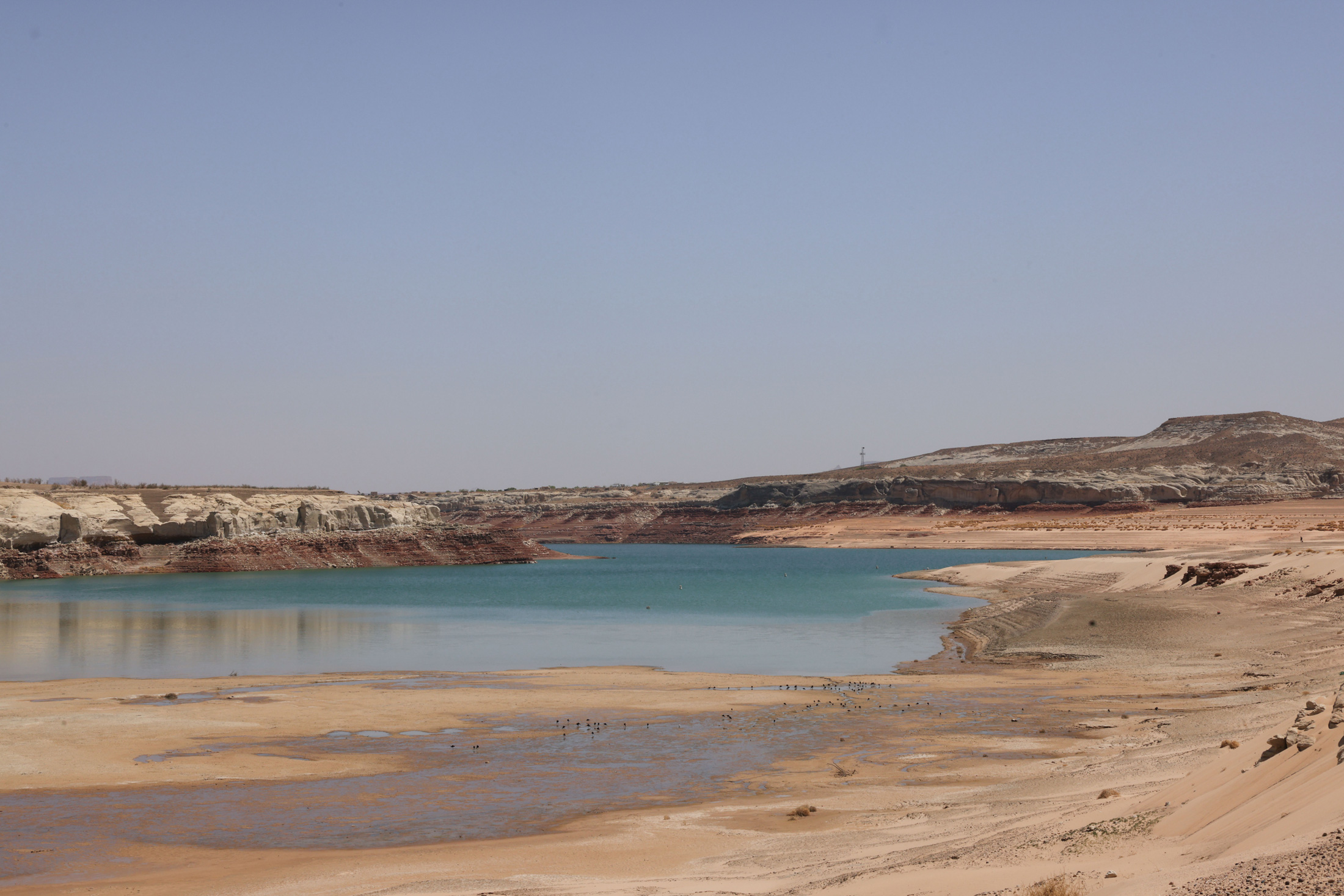
Observing shrinking reservoirs, acknowledging the escalating drought predictions, and recalling the scratchy, icy ski turns of the previous winter, coupled with the absence of monsoon rains and the ever-present threat of fire, paints a grim picture. The experience of waiting for snow that never arrives is a tangible and unsettling reality.
Despite these concerns, there remains a degree of flexibility within the seasonal cycle. It is still early in the winter season, and the possibility of a dramatic shift in weather patterns exists. Storms could yet converge and persist, even in the face of predictions from the National Weather Service for a weak and wavering La Niña. This inherent uncertainty allows for a measure of hope when gazing at the sky. While predicting the future remains impossible, the lessons of the past offer a clear, if sobering, perspective. Consequently, the author’s prayers for snow are now offered with greater intensity and for a multitude of reasons, extending far beyond the personal enjoyment of a ski run.