Rocky Georgio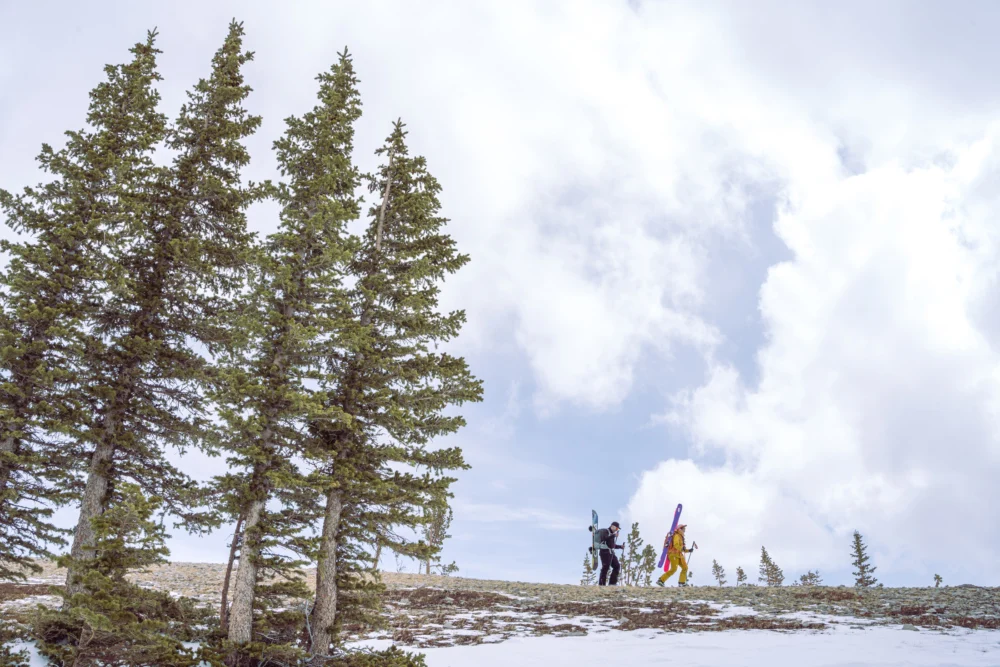
The late November night in the Rockies, usually heralded by the promise of snow at 7,000 feet, instead brought a rhythmic percussion of rain on the roof. A storm, initially predicted to deliver up to six feet of snow, dwindled as it approached, its fury transforming into a mere dusting in a few isolated high-altitude locales. This anticlimactic arrival, especially as the winter solstice draws nearer, leaves a lingering sense of unease, a stark contrast to the eager anticipation that once defined the start of winter.
For years, the arrival of early winter across the Western United States was a source of genuine excitement. The prospect of tracking incoming storms from the Pacific, the competitive spirit of ski resorts vying to be the first to open their slopes, and the visual spectacle of the snowline descending into the valleys of the Pacific Northwest all fueled a palpable sense of joy. This anticipation, however, has gradually been overshadowed by a growing apprehension, a shift from exhilaration to a gnawing dread. The weather forecast now triggers a different kind of adrenaline, accompanied by a physical unease when the expected snow fails to materialize. As an avid skier, the changing winter landscape has transformed personal enjoyment into a sensitive barometer for broader climatic shifts, revealing a pattern of increasingly warm and dry seasons that threaten the very essence of winter.
The skier’s connection to the weather is profound, a dependence on atmospheric forces beyond individual control. This deep immersion, while perhaps appearing as a fixation on snowfall, serves as a constant calibration of this personal climate barometer, prompting a keen observation of larger environmental trends. Skiers often exhibit a blend of obsession, ritual, and superstition, a tendency to seek order in the seemingly chaotic dance of nature. Jokes about praying for snow, while acknowledging the scientific reality, often mask a deeper, almost primal desire for winter’s return. Participating in pre-season ski-burning bonfires or washing cars in a hopeful bid to summon storms are tangible expressions of this ingrained wish, a modern form of supplication to the natural world.

This fervent wish for snow is driven by a duality of motivations: one deeply personal, the other intrinsically linked to ecological well-being. The desire to ski, to experience the weightless exhilaration and profound connection to the natural world that winter sports provide, is a cherished personal pursuit. However, this personal enjoyment is increasingly intertwined with a broader awareness. Compulsively checking SNOTEL sites or monitoring ski resort base depths reveals more than just the potential for a good day on the slopes; it offers a tangible glimpse into the evolving patterns of our planet’s climate.
While skiing might be perceived as a recreational pursuit, its very existence is a potent indicator of a changing climate. The tangible impact of shifting weather patterns, the presence or absence of snow, makes the abstract concept of climate change palpable. The activities and passions that bring us joy often highlight our vulnerabilities, revealing what we stand to lose and underscoring our limited control over natural forces.
This year, the delayed opening of local ski hills and the unprecedented decision by Deer Valley to postpone its season for the first time in its history are stark reminders of this reality. The scarcity of natural snowfall was compounded by temperatures too mild for snowmaking, creating a ripple effect that extends far beyond the ski industry. Communities reliant on winter tourism face economic uncertainty, while the broader implications for water resources are equally concerning. Snowpack in the Western United States is not merely a recreational amenity; it is the region’s most vital source of freshwater.
The current drought conditions gripping nearly every part of the Western U.S. are exacerbated by this slow start to winter. Data from the National Water and Climate Center starkly illustrates the severity, with snow-water equivalent maps predominantly colored red, indicating levels far below average, often less than 50 percent of historical norms in many areas. This diminishing snowpack directly impacts the water supply for agriculture, urban centers, and ecosystems across the arid West.

The prolonged dry spell follows a particularly harsh and hot summer, during which wildfires threatened communities across the region. Last winter’s meager snowfall only intensified the long-term drought, creating a cascading series of environmental and social challenges. Ski resorts find themselves in complex negotiations over water rights for artificial snowmaking, a practice that itself becomes more critical and resource-intensive in the face of natural scarcity. The lack of snow heightens the risk of wildfires, contributes to food insecurity, and fuels entrenched, often contentious disputes over increasingly scarce river water resources.
Living in an interconnected system, the ski industry serves as a sensitive indicator of how these larger environmental systems are transforming. A conversation with a ski guide recently highlighted this pervasive anxiety. When asked about his professional concerns, he looked towards the mountains with a troubled expression, admitting, "I’m not quite worried yet," a statement that, while perhaps rational, feels increasingly out of sync with the growing personal unease.
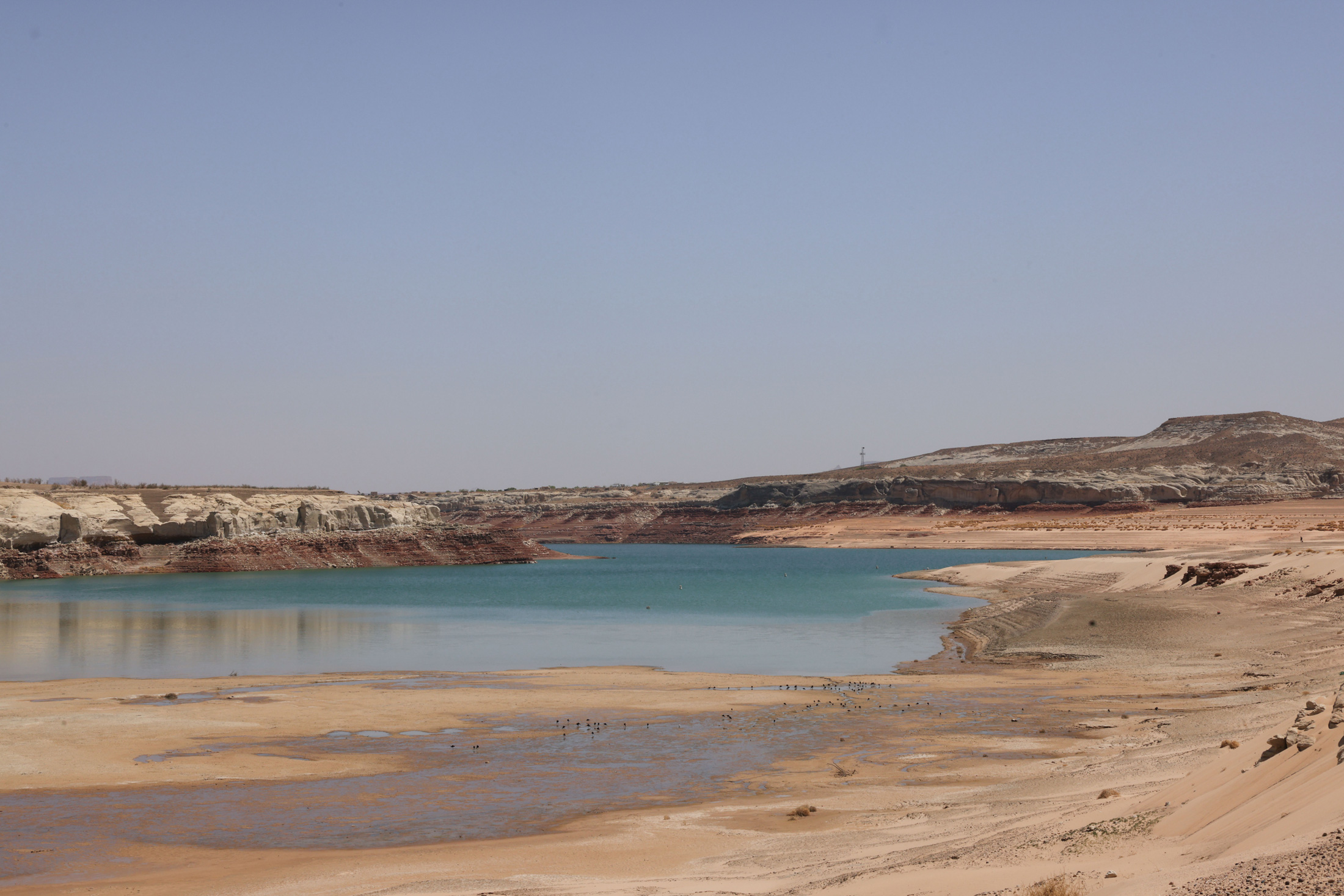
The shrinking reservoirs, the widespread drought predictions, the memory of last winter’s icy ski conditions, and the ghost of summer wildfires all contribute to a profound sense of anticipation tinged with dread. The experience of waiting for snow that never arrives is a potent reminder of the precariousness of our current climate reality.
Despite the concerning outlook, the season is still young, and the potential for change remains. Storms can indeed gather and persist, even with forecasts suggesting a weak and wavering La Niña pattern. There is a degree of flexibility within the atmospheric system, and observing the sky can still evoke a flicker of hope. While the future remains uncertain and unpredictable, the lessons of the past, etched in the declining snow levels and shifting weather patterns, offer a clear and urgent message. Therefore, the prayer for snow continues, now imbued with a deeper significance, driven by a multitude of reasons far beyond personal recreation, a fervent plea for a return to the winter rhythms that sustain both our passions and our planet.