Rocky Georgio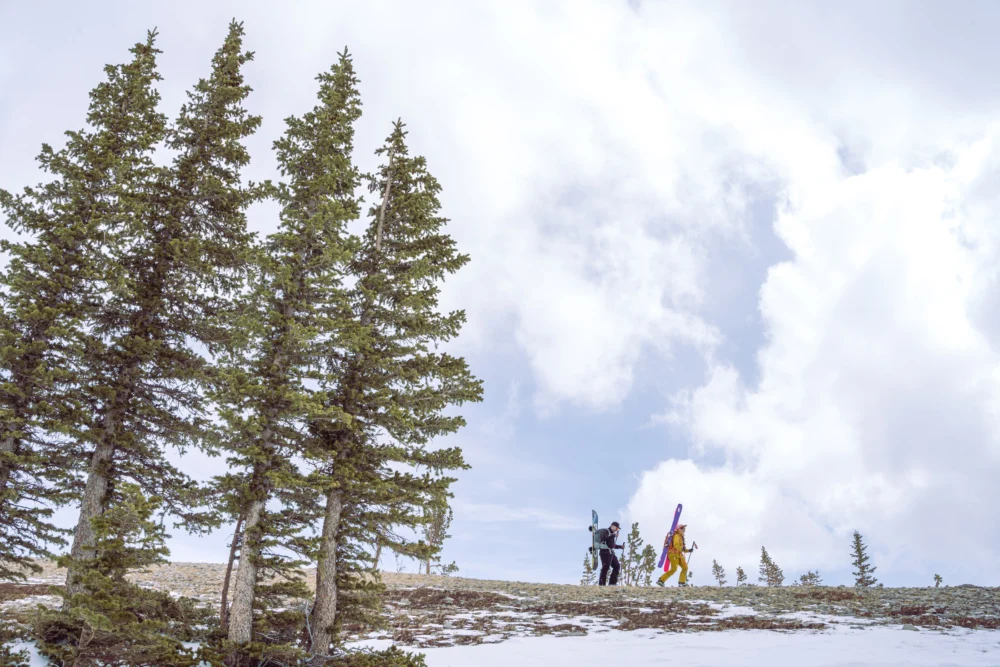
The familiar percussion of snow on the roof, a sound that usually heralds the arrival of winter in the Rockies at 7,000 feet, was absent last night. Instead, the late November air brought only rain, a stark reminder of a predicted storm that ultimately petered out before delivering its snowy promise. The local weatherman had initially forecasted a significant event, with projections of up to six feet of snow, but the forecast was repeatedly downgraded. By the time the weather system moved eastward, only a few inches had fallen in isolated high-altitude areas, leaving the landscape largely devoid of the anticipated winter blanket as the solstice approached.
This shift from hopeful anticipation to gnawing dread surrounding winter weather is a recent and unsettling development for many who, like this resident, have long measured the season’s arrival by the first significant snowfall. In years past, the prospect of early winter storms brought a palpable excitement, whether tracking storms rolling in from the Pacific to blanket Colorado’s alpine resorts or watching the snowline descend across the Pacific Northwest. This year, however, that anticipation has been replaced by a disquieting anxiety, a visceral reaction to the continued absence of snow. Skiing, once a source of pure joy and a personal barometer for winter’s strength, has become a lens through which to observe increasingly warm and dry seasons, prompting worry about the long-term implications of this warming trend.
The personal connection to weather systems, particularly for those whose livelihoods or passions are tied to them, can foster a keen awareness of broader environmental shifts. For skiers, happiness is intrinsically linked to the whims of atmospheric conditions, a fact that can feel like a peculiar obsession but undeniably keeps one attuned to larger patterns. This deep engagement with the natural world, even if it stems from a desire for ideal skiing conditions, serves as an early warning system for the profound changes underway.

Skiers often exhibit a unique blend of ritualistic behavior and superstition, sometimes joking about the futility of "praying for snow" while simultaneously engaging in practices like attending pre-season snow dances or performing car washes in hopes of influencing weather patterns. This seemingly whimsical behavior is, in essence, a deeply felt plea, an expression of a desire for the natural cycles that sustain their passion. There are, of course, two primary motivations behind this fervent wish for snow: the deeply personal and the broadly sustainable.
On a personal level, the desire for snowy winters is rooted in the simple, profound pleasure of skiing – an activity that has brought a sense of weightlessness, speed, and connection to the natural world since childhood. Yet, the compulsive checking of SNOTEL sites and ski resort snow depth reports transcends mere personal enjoyment; it offers a glimpse into a larger, evolving environmental narrative. While skiing might appear to be a superficial pursuit, it serves as a tangible indicator of climate change, manifesting in the very movement, or lack thereof, that defines the sport. The things we cherish most can often highlight our vulnerabilities, the extent of what we stand to lose, and the limited control we ultimately possess over these powerful forces.
The impact of this warming trend is already evident across the ski industry. This year, local ski hills and major resorts alike have been forced to delay their opening dates. Deer Valley, for instance, pushed back its opening for the first time in its history, a decision driven not only by a scarcity of natural snow but also by insufficient cold temperatures for artificial snowmaking. This lack of snow has far-reaching consequences, particularly for the workers and communities that rely on winter tourism for their economic survival. Beyond the immediate economic fallout, snowpack represents a critical natural resource: the primary source of water for vast regions of the Western United States.
As of December, the National Water and Climate Center’s map of snow-water equivalent across the Western U.S. is predominantly colored red, indicating conditions significantly below average, with many areas reporting less than 50% of their typical snowpack. This reduction in snow, the West’s most vital water supply, comes on the heels of a scorching, dry summer that fueled widespread wildfires, bringing them dangerously close to populated areas. The previous winter also experienced below-average snowfall, further exacerbating long-standing drought conditions. The strain on water resources is becoming increasingly apparent, with ski resorts engaging in complex negotiations over water rights for snowmaking, a practice that itself consumes significant water. The implications of diminished snowpack extend beyond recreational activities and water supply, contributing to increased wildfire risk, threatening food security, and intensifying existing, often contentious, disputes over dwindling river resources.

The interconnectedness of these environmental systems means that skiing, in its sensitivity to winter’s presence, acts as a potent marker of broader climatic shifts. A conversation with a ski guide recently underscored this growing concern. When asked about potential anxieties regarding work, he gazed towards the mountains with a pensive expression, admitting, "I’m not quite worried yet." While his sentiment might reflect a degree of rational optimism, for others, the worry has already taken root.
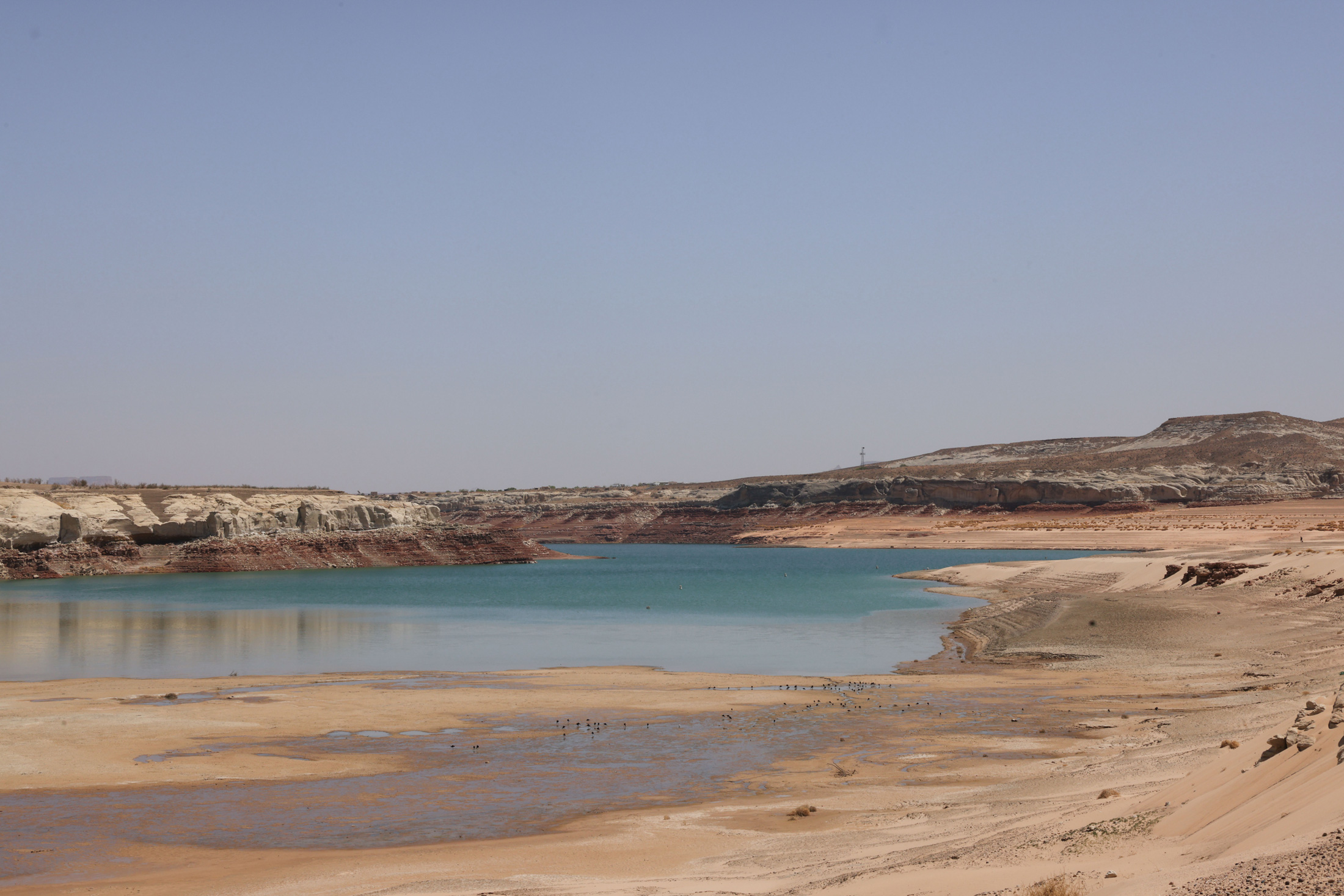
Observing shrinking reservoirs, widespread drought predictions, and recalling the scratchy, icy ski conditions of the previous winter, coupled with the monsoon-less summer and ever-present threat of fire, paints a clear picture. The experience of waiting for snow that never arrives is a profound and unsettling one. While it is still early in the season and a shift in weather patterns remains possible, with storms potentially accumulating and replenishing the snowpack, current forecasts from the National Weather Service predict a weak and wavering La Niña, offering little immediate comfort. The inherent flexibility of natural systems allows for hope, but past patterns provide a stark and cautionary tale. Consequently, the plea for snow is no longer a simple wish for personal enjoyment but a fervent entreaty for a more fundamental balance in our climate, a plea driven by a deeper understanding of what is at stake.