Joko Susilo
In September 2018, as Beth Pratt traversed the high country of California’s Yosemite National Park, a seasoned observer of its intricate ecosystems, she encountered an unmistakable trail of fresh scat along a pristine creek originating from Kuna Lake, signaling the imminent presence of a black bear. Her extensive experience, cultivated over three decades of dedicated wildlife observation within this iconic landscape, allowed her to anticipate the encounter with a calm familiarity. When the bear finally emerged, perched on a granite boulder, it was not a moment of alarm but rather a fleeting, almost neighborly interaction; the creature merely sniffed the air in her direction before continuing its solitary journey. Such intimate narratives, born from a lifetime immersed in the natural world, form the heart of Pratt’s profound new literary work, Yosemite Wildlife. This book serves as a heartfelt homage to Yosemite, a place she reverently describes as "her North Star," offering readers an unparalleled glimpse into the lives of the diverse creatures—mammals, reptiles, birds, and insects—that often elude the casual visitor’s eye.
Yosemite Wildlife transcends the conventional boundaries of a mere field guide or a visually appealing coffee-table book, presenting instead a compelling narrative tapestry woven with scientific insight and personal anecdotes. Pratt, who concurrently serves as the California director for the influential advocacy group the National Wildlife Federation, masterfully employs storytelling to craft intimate profiles of Yosemite’s inhabitants. Collaborating with photographer Robb Hirsch, she bestows a profound reverence upon each creature, illuminating their inherent beauty and unique adaptations. Black bears are depicted with "gentle, googly eyes," coyotes are celebrated as the "songsters" of the Sierra Nevada, and the intricate echolocation of bats is poetically described as "the music of starshine." Yet, beneath this celebration of life, each page carries an urgent, sobering message: these are species teetering on the brink of significant decline, or even outright loss, if humanity fails to act decisively in safeguarding their essential habitats.
The book’s release in October coincided with a period of profound environmental policy shifts, notably during the Trump administration, which saw widespread rollbacks of public land protections and substantial cuts in staffing and funding for the National Park Service. This timing imbued Pratt’s work with an added layer of urgency, transforming it from a mere tribute into a powerful plea for conservation. In an exclusive interview, Pratt elaborated on the genesis of her project, emphasizing the transformative power of personal animal encounters and the crucial role that a deep appreciation for the natural world plays in galvanizing action for its protection.

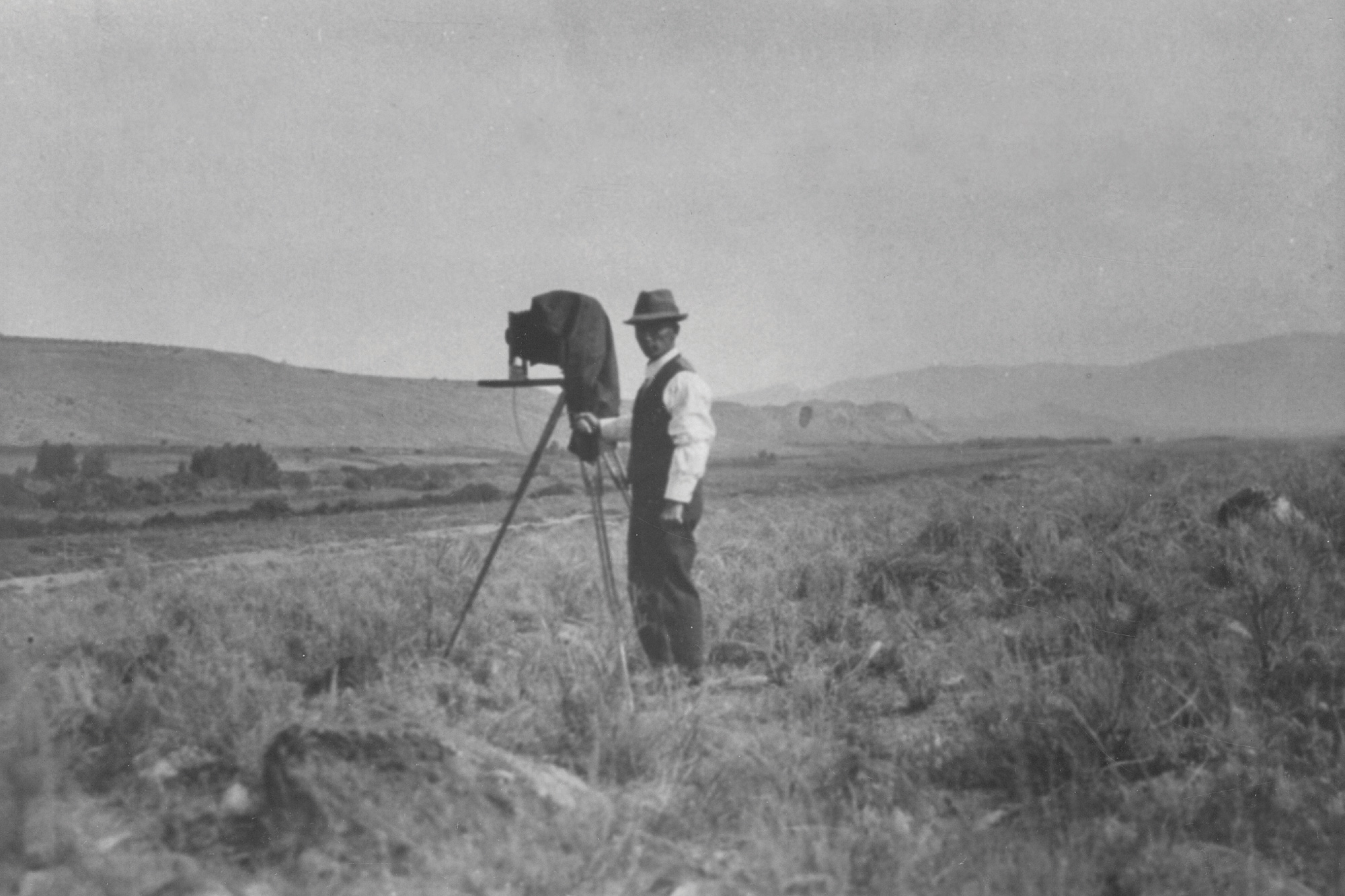
Pratt vividly recounts the spark that ignited her monumental undertaking: her inaugural visit to Yosemite in 1992 after relocating from Massachusetts. It was a snow-laden landscape, an almost cinematic scene, but her "suitor" was not a romantic figure but a wild coyote – an animal she had never before witnessed in its natural habitat. This magical encounter spurred her to delve into the park’s natural history, leading her to Joseph Grinnell and Tracy Storer’s seminal 1924 work, Animal Life in Yosemite. To her astonishment, nearly a century had passed without a comprehensive contemporary update on Yosemite’s wildlife. Recognizing this critical void, Pratt resolved to undertake the ambitious task of chronicling the current story of Yosemite’s diverse fauna, providing a much-needed modern perspective.
The comparative analysis between Grinnell’s early 20th-century observations and Pratt’s contemporary research reveals stark evidence of environmental change, particularly the escalating impact of global climate change on delicate ecosystems. For instance, pikas, small alpine mammals highly sensitive to temperature fluctuations, were once observed at elevations as low as 7,000 feet during Grinnell’s survey. Today, their lowest documented habitats have retreated to 9,000 to 10,000 feet, a clear indicator of upward range shifts driven by warming temperatures and reduced snowpack. This phenomenon, where species are forced to higher altitudes or latitudes to escape increasingly inhospitable conditions, is a widespread consequence of climate change observed across mountain ranges and polar regions globally, threatening biodiversity and ecosystem stability.

Human activities further exacerbate these environmental pressures. Pratt highlights the dramatic increase in common ravens within Yosemite, a species rarely noted in Grinnell’s time but now ubiquitous. This proliferation is directly linked to the availability of human food waste, which provides an abundant and easily accessible food source. Ravens, being opportunistic scavengers, have adapted to exploit this anthropogenic food supply, leading to inflated populations. Their increased presence, however, has cascading ecological effects, including predation on vulnerable native species like the Yosemite toad, an endemic high-elevation amphibian already struggling against the combined threats of climate change, habitat degradation, and disease. This exemplifies how human actions, even seemingly minor ones like improper waste disposal, can disrupt delicate food webs and accelerate the decline of sensitive species within protected areas.
Pratt’s meticulous research for Yosemite Wildlife involved delving into decades of historical nature notes, field journals, and observation cards, alongside extensive archival work and a thorough review of existing scientific literature spanning over a century. However, the true essence of her understanding stems from thirty years of direct, immersive observation. She dedicated countless hours to fieldwork, often spending days each week in the summer simply sitting and observing animal behavior. This profound, long-term engagement allowed her to cultivate a deep, intuitive knowledge of the park’s wildlife, which she now shares with her readers. Furthermore, her role as a volunteer researcher for the National Park Service in Yosemite provided invaluable access to ongoing scientific studies, participating in bear patrols, birding expeditions with park scientists, and turtle surveys. This collaborative approach ensured that her narratives are not only personally resonant but also scientifically grounded. Over the past 10 to 15 years, Pratt has also rigorously documented snowpack conditions, temperature variations, and their observable impacts on animal behavior, creating a unique longitudinal record that underscores the urgency of climate data.

Pratt acknowledges the paradox that many visitors to Yosemite, despite its renowned wildlife, may experience limited sightings, particularly in the more congested areas of the park. She cautions against the expectation of a "Disneyland ride" experience, emphasizing that wildlife encounters are often fleeting and require patience and respect. This observation underscores a critical challenge facing national parks worldwide: balancing immense visitor numbers with the imperative to protect fragile ecosystems. Human presence, even in supposedly "best-protected places," inevitably impacts wildlife, from altering behavior patterns to increasing stress levels. Pratt’s book serves as a vital reminder for visitors to "tread lightly," adhering to principles of responsible tourism and Leave No Trace ethics, thereby minimizing their ecological footprint.
Ultimately, Yosemite Wildlife aims to foster a deeper connection and sense of stewardship, encouraging readers to care for creatures they may never personally encounter, such as the elusive Mount Lyell salamander. Pratt believes that by understanding the intricate lives of these animals, visitors to iconic natural landmarks like Half Dome might approach their experience with greater mindfulness, recognizing the sensitive biodiversity around them. Her ability to "read the wildlife weather"—interpreting subtle behavioral cues and patterns, such as the consistent routes pikas take when gathering food—illustrates the profound insights gained from sustained observation and provides a pathway for others to cultivate similar connections with nature.

The book emerges at a particularly critical juncture for environmental conservation. Pratt candidly expresses her deep apprehension, stating, "I am 56 years old and have never seen anything like this assault on our public lands or the natural world." This sentiment resonates globally, as scientists and conservationists warn of accelerating biodiversity loss and the existential threats posed by climate change. Yosemite Wildlife, therefore, stands as more than just a descriptive text; it is a fervent "call to action." It endeavors to illuminate the unparalleled beauty and ecological significance of places like Yosemite, thereby inspiring renewed dedication to their protection. Without such concerted efforts, Pratt warns, her lovingly crafted chronicle risks becoming a somber record of what humanity has irretrievably lost, a testament to a biodiversity crisis that continues to unfold across the planet. (Note: Robb Hirsch is the photographer for the book, while Beth Pratt is the author.)