Rocky Gerung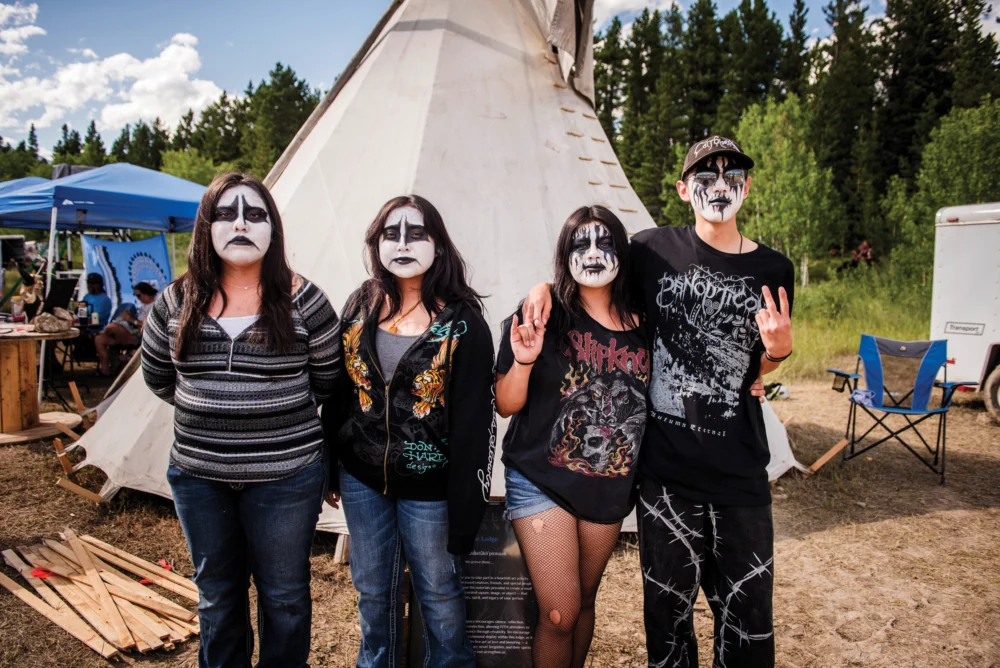
The rhythmic pulse of heavy music reverberated through the arid landscape of the Blackfeet Nation, far from the urban centers often associated with the genre, as a vibrant community of Indigenous metalheads gathered for the inaugural "Fire in the Mountains" festival. Amidst the powerful riffs and guttural vocals, a profound sense of connection and catharsis emerged, offering solace and strength to a community grappling with historical trauma and contemporary challenges. This unique convergence of heavy music and Indigenous culture aimed to forge a powerful dialogue, fostering healing and resilience through shared artistic expression.

The setting itself was as striking as the music. Nestled in the picturesque surroundings of the Blackfeet Nation in Browning, Montana, the Buffalo Hide Academy served as a hub for this unconventional educational initiative. Within its warehouse-sized classrooms, adorned with student artwork and the Blackfeet Nation flag, young minds were immersed in a semester-long symposium dedicated to the study and appreciation of heavy music. Director Charlie Speicher, a clinical counselor by trade, envisioned the program as a sanctuary for students who might feel isolated or drawn to darker, more aggressive art forms. More than fifty students initially enrolled, with many more joining as the semester progressed, drawn by the promise of a community that understood their struggles.

Speicher, often seen in his "battle vest" adorned with band patches, explained that the symposium was born from a desire to create a safe space, particularly in the face of alarming rates of suicidal distress that have deeply impacted every family in Browning. He emphasized that heavy music, with its raw intensity and often somber themes, offers a unique avenue for processing difficult emotions. "We don’t turn away from the darkness," Speicher stated, his eyes sharp and earnest. "We don’t hide our own ugliness, the way that people in big cities could hide." He saw parallels between the intensity of metal and the challenging realities faced by many on the reservation, noting that while Browning might seem rough, it also possesses an "immense beauty" rooted in its history, family networks, and language.

The curriculum was as diverse as the metal subgenres themselves. Students delved into the history of black metal, exploring its controversial Scandinavian origins and engaging in critical discussions about separating art from artist. They analyzed how bands like Black Sabbath used their music to critique societal issues, such as the Vietnam War with their iconic song "War Pigs." Landscape photography was used to illustrate how different environments influenced musical styles, from the frozen forests of black metal to the urban sprawl of hardcore. The students learned to identify genres not just by sound, but by visual cues, fostering a deeper understanding of music’s connection to place and emotion.

The festival, "Fire in the Mountains," emerged as a tangible extension of this educational philosophy. Spearheaded by the Firekeeper Alliance, a collective of educators and musicians including Speicher, Robert Hall (Piikunii), and Steve Von Till (Neurosis), the event aimed to bring renowned metal acts to the Blackfeet Nation, fostering a unique cultural exchange and economic opportunity. The festival’s planning involved extensive collaboration with the Blackfeet Tribal Business Council, which, despite initial unfamiliarity with the metal scene, recognized the potential benefits for the youth and the community. Councilman Everett Armstrong highlighted the economic potential, noting the reservation’s proximity to Glacier National Park, a major tourist draw, and the need to generate revenue within the community.

Securing headliners was crucial, and the Firekeepers successfully courted the acclaimed Norwegian folk band Wardruna. Singer Einar Selvik explained that the opportunity to "stand with the Indigenous in a constructive, powerful way" and to visit a "beautiful place" resonated deeply with their artistic ethos. The band’s performance, rooted in ancient Norse traditions, created a powerful resonance with the Indigenous attendees, highlighting shared spiritual and cultural connections.

The festival itself was a testament to the transformative power of music and community. Upon arrival, attendees were not met with a standard land acknowledgment, but a vibrant powwow featuring traditional Indigenous dances. This opening ceremony, led by Robert Hall and accompanied by the drumming of young Piikunii musicians, set a tone of mutual respect and cultural immersion. Metalheads, initially hesitant, joined in an "intertribal" dance, awkwardly but enthusiastically mirroring the traditional steps, forging an unprecedented connection between diverse cultural expressions. The absence of alcohol, a deliberate choice by the organizers, further underscored the focus on genuine connection and introspection, a departure from the typical festival atmosphere.

Many attendees shared personal stories of how heavy music had been a lifeline during times of depression and isolation. Logan Mason, who lost his brother and nephew to suicide, spoke of finding solace in black metal and death metal, genres he initially believed he was alone in appreciating on his reservation. This sentiment was echoed by others, who noted the "fringe" nature of both Indigenous communities and metalheads, finding common ground in their shared experience of existing on the margins of mainstream society. Meg Skyum observed that atmospheric black metal, with its focus on nature, resonated deeply with Indigenous appreciation for the land, while Damien Jones Jr. spoke of channeling historical trauma into his music, much like the raw intensity of metal.

The festival’s programming extended beyond the music stages, featuring workshops and panels on Indigenous sovereignty, ethnobotany, and the ongoing crisis of missing and murdered Indigenous people. These discussions provided a platform for dialogue and understanding, integrating the powerful themes explored in the music with vital social and cultural issues. The performances themselves were a diverse showcase, from the raw acoustic metal of Sage Bond to the haunting blackened doomgaze of Liith and the primal energy of Pan-Amerikan Native Front, who invited students to join them on stage.

A pivotal moment occurred during Converge’s blistering set when frontman Jacob Bannon invited a Piikunii youth to share the microphone for the chorus of "Dark Horse." This collaborative performance symbolized the festival’s core message of unity and shared expression. The unexpected power outage during Inter Arma’s performance, followed by an impromptu acoustic rendition of Black Sabbath’s "War Pigs," further cemented the sense of resilience and communal spirit. As lightning illuminated the sky and thunder rumbled, attendees found refuge, sharing stories and laughter, embodying the very essence of finding light amidst darkness.

The festival culminated with a performance by Old Man’s Child, whose debut in the United States took place on the Blackfeet Nation, a poignant testament to the event’s unique cultural significance. The raw energy of the performances, the shared vulnerability in the workshops, and the unexpected solidarity forged between diverse individuals created an atmosphere of profound healing and transformation.

As the festival drew to a close, the impact was palpable. Social media buzzed with testimonials of "pure magic," "transformational experiences," and "life-changing moments." Frank Godla of Metal Injection remarked that he learned more about Native people at Fire in the Mountains than from any book or documentary, highlighting the festival’s success in fostering genuine cross-cultural understanding. Wardruna’s Einar Selvik expressed his gratitude, stating, "It was like our ancestors held ceremony together and their meeting is rippling as we speak." Tribal Chairman Rodney "Minnow" Gervais lauded the metalheads’ kindness and respect for the land, reinforcing the idea that music transcends all barriers.

For many, the festival offered a rare glimpse into a world free from the pervasive anxieties of bullying, violence, and war – a world where creativity and connection flourish. The shared experiences, from the intimate musical performances to the raw power of the mosh pit, created a space for collective catharsis and a renewed sense of hope. The event served as a powerful reminder that even in the face of profound challenges, community and art can forge pathways to healing and resilience, proving that sometimes, the most unexpected roads lead to the most profound forms of joy.

If you or someone you know is struggling with suicidal thoughts, please reach out for help. You can call or text the 988 Suicide & Crisis Lifeline at any time to connect with a trained crisis counselor for free, confidential support.