Roger Danuarta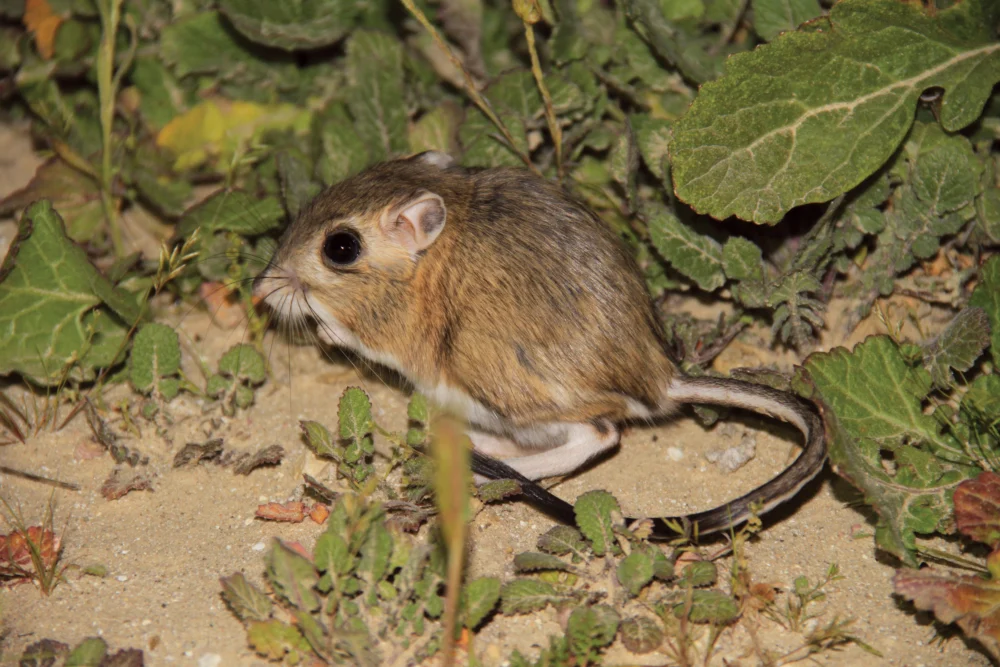
As twilight bled into a deep September dusk, ecologist Ian Axsom moved with practiced urgency across the vast, sandy expanse of California’s Carrizo Plain. The air, still holding the day’s scorching heat, began to cool as he meticulously placed aluminum live traps every ten yards, eventually covering an area equivalent to two baseball fields. Behind him, three dedicated teammates followed, pausing at each trap to insert a generous fistful of bird seed mix and carefully set its trigger mechanism. The traps, now glinting faintly in the last vestiges of golden light against the backdrop of rolling playas and tawny mountains, were poised to capture their elusive quarry: the giant kangaroo rat, Dipodomys ingens, a nocturnal marvel and a cornerstone species of this unique ecosystem.
Axsom, a land steward at the Sequoia Riverlands Trust, had witnessed countless breathtaking sunsets over these lands, but on this particular evening, time was of the essence. His focus was singular, driven by the critical mission at hand. "If you spend enough time out here, you will inevitably end up trying to take pictures of amazing sunsets on your phone, and it never quite captures it the way the colors look," he reflected later, acknowledging the Carrizo’s raw, untamed beauty. This trapping expedition formed a vital part of the Trust’s continuous efforts to monitor the health and population dynamics of giant kangaroo rats across the Carrizo Plain. Situated at the southwesternmost periphery of the San Joaquin Valley, a region stretching over 250 miles from Stockton to Bakersfield, the plain stands as a remarkable geographical anomaly. The broader valley has been dramatically reshaped by a complex tapestry of urbanization, extensive oil and gas drilling, and, most profoundly, industrial-scale agriculture, transforming it into one of the most intensely cultivated landscapes on Earth. In stark contrast, the Carrizo Plain remains an extraordinary time capsule, a precious remnant of the pristine semi-arid grassland ecosystem that thrived across California before European settlement.

Regular surveys of the giant kangaroo rat—distinctly named for its powerful two-legged hopping gait reminiscent of its Australian namesake—offer crucial insights into the well-being of both the species and its delicate habitat. More importantly, these assessments establish a vital ecological baseline, enabling conservationists to precisely measure the impacts of ongoing development within the plain, including the footprint of two burgeoning solar farms. By the time Axsom’s team secured the final trap, the sun had already dipped below the western mountains, casting the landscape into deep shadow. The team navigated their way back to their vehicles using the beams of their cell phone flashlights, the day’s intense heat giving way to the crisp chill of the approaching night. Their work for this phase was complete; now, they had to wait for the nocturnal world to awaken and for their target species to emerge.
The Carrizo Plain, often described as one of Central California’s best-kept ecological secrets, lies more than 1,500 feet above the fertile San Joaquin Valley floor. This expansive semi-arid grassland is elegantly cradled between the rugged Caliente Range to the southwest and the formidable Temblor Range to the northeast. While it garners international attention during the infrequent, weeks-long "superblooms" that erupt after prolonged droughts are broken by unusually heavy rainfall, for much of the year, the Carrizo remains largely undisturbed by human presence. As one frequent visitor eloquently noted in a blog, "In all the trips I’ve taken to the Carrizo, I still have seen far more pronghorn than I have other people." Even Axsom, who grew up in San Luis Obispo, less than two hours away, admitted he remained unaware of the plain’s existence until adulthood, underscoring its profound isolation.
The Carrizo Plain’s naturally scarce precipitation has historically served as a formidable barrier, effectively limiting intensive human activities. For millennia, Indigenous peoples, including the Chumash, Yokuts, and other tribal nations, lived on and around the plain, cultivating a deep cultural and spiritual connection to the landscape that persists to this day. Their traditional stewardship practices often fostered the very biodiversity that now defines the region. In the 1800s, following the tragic decimation of California’s Indigenous population through introduced diseases and forced labor by European colonists, settlers began to engage in dryland grain farming and livestock grazing on the plain. Crucially, the massive state and federal irrigation projects that reshaped California’s hydrology in the 19th and 20th centuries, transforming vast swathes of arid land into agricultural powerhouses, never extended to the Carrizo. This historical oversight inadvertently spared the plain from the intensive agricultural development that consumed much of the surrounding San Joaquin Valley. Although mid-20th-century plans for over 7,000 homes ultimately failed to materialize, the area did experience a boom in illicit marijuana cultivation and the construction of two large-scale solar farms in the 2010s. Today, the few thousand residents who call this remote region home still depend entirely on wells and bottled water for their daily needs.

This enduring isolation, particularly in its southern reaches, has transformed the Carrizo Plain into an indispensable refuge for native species, earning it recognition as a critical biodiversity hotspot within California. It boasts one of the highest concentrations of vulnerable species in the state, including more than 36 rare and endangered plants. The plain hums with life: blunt-nosed leopard lizards and San Joaquin antelope squirrels emerge from their burrows under the glare of the day, while at night, the landscape becomes the hunting ground for San Joaquin kit foxes and American badgers. In the winter months, migratory birds find sanctuary at the ephemeral Soda Lake, located at the northern end of the Carrizo Plain National Monument, where a rich bounty of fairy and brine shrimp provides a vital food source. Majestic tule elk graze peacefully across the plain year-round, their presence a testament to the health of this unique environment.
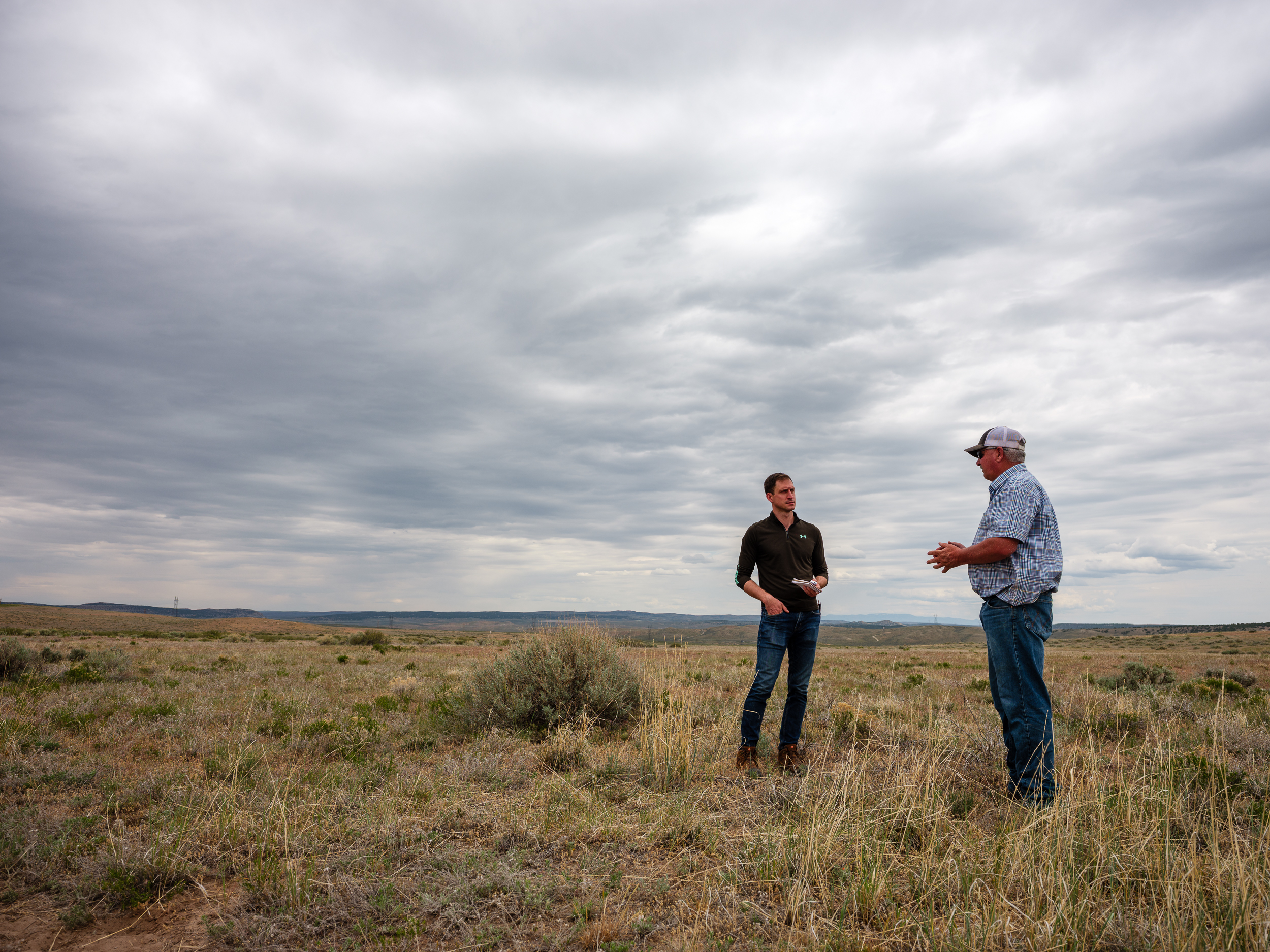
Tim Bean, an ecologist at California Polytechnic State University in San Luis Obispo, acknowledges the plain’s understated appearance. "The Carrizo Plain and the surrounding San Joaquin Desert is not the prettiest place on Earth," he conceded, "but the thing that makes it really special is the animals that live here that are found nowhere else." Indeed, the Carrizo’s beauty lies not in dramatic peaks or lush forests, but in its subtle, resilient life. Underpinning this intricate ecosystem are the giant kangaroo rats, whose extensive burrow systems literally blanket the landscape. To enhance their vigilance against approaching predators, these industrious rodents meticulously clip the surrounding grass, creating distinctive bare "crop circles" around their burrow entrances that are so vast they are remarkably visible even from outer space. Scientific studies have demonstrated that this unique "gardening" behavior significantly increases plant biodiversity, effectively suppresses invasive grasses, and facilitates easier movement for other animals across the grassland. "When you step back and look at what makes the San Joaquin Desert function, giant kangaroo rats just keep coming up over and over," Bean emphasized, underscoring their irreplaceable role. He added with a smile, "Plus, they’re cute. Our state mascot should be the kangaroo rat."
Later that night, around midnight, the metallic trap thrummed with a barely contained energy. Under the focused beam of her headlamp, Courtney Tuskan, a wildlife biologist and one of the dedicated volunteers, carefully tipped the trap’s occupant into a soft cloth sack. As Tuskan reached inside to gently retrieve the squirming rodent, her colleague, Lindsay Peria, a biologist with the Sequoia Riverlands Trust, offered a timely reminder: "Man, I forget everything when I’m with an animal," Tuskan chuckled in reply, acknowledging the captivating allure of working so closely with wildlife. The captive was a feisty young male, slightly larger than a clenched fist. Its distinctive oversized, seemingly neckless head contributed to its characteristic hunched posture, and its tufted tail whipped about with a saucy defiance. The rat’s brindle fur felt silky and warm to the touch, and its cheek pouches, comically distended with the seed bait, gave it the appearance of an almost mischievous grin. Working with swift precision, Tuskan measured the rat’s head size and foot length, then marked its belly with a non-toxic Sharpie to ensure it wouldn’t be inadvertently measured twice over the subsequent nights of the survey. Upon its release, the initially indignant captive quickly calmed, its first lazy hop leading it squarely into the tip of Axsom’s boot. He couldn’t resist a gentle stroke with his finger before the small creature darted into the welcoming shadows of the night.

Today, giant kangaroo rats occupy less than 5% of their historical range, which once extended across the entire length of the San Joaquin Valley. The species’ population experienced a catastrophic decline after the California State Water Project, initiated in the 1960s, dramatically accelerated agricultural expansion, transforming vast tracts of native habitat into irrigated farmland. By the 1980s, the giant kangaroo rat was officially listed as both a state and federally endangered species, a critical designation that acknowledged its precarious status. Two decades later, in 2001, the animal’s protected status served as a key catalyst for the establishment of the Carrizo Plain National Monument, ensuring the safeguarding of a significant portion of its remaining habitat.
In response to the species’ plight, environmental groups spearheaded urgent efforts to translocate some of the remaining populations to suitable former habitats. One such pivotal recolonization effort took place on the Carrizo Plain itself in 1989. Over the ensuing years, conservation organizations also focused on restoring degraded habitats, addressing issues like extensive trash accumulation and the lingering effects of rodenticide use, particularly on abandoned marijuana farms. Landowners and land managers collaboratively introduced controlled cattle grazing, a strategic measure designed to mimic historical disturbance patterns and create more favorable habitat conditions for imperiled species. Around 2010, when two energy companies proposed building large-scale solar farms on the monument’s periphery, the federal government mandated that they fund significant habitat mitigation efforts and establish rigorous ecological monitoring programs, including regular wildlife surveys, to assess their environmental impact.
These concerted and sustained conservation endeavors have yielded truly remarkable results. On the Carrizo Plain, the giant kangaroo rat population has rebounded dramatically, soaring from an estimated few thousand individuals in the 1990s to a thriving population numbering in the millions today. This robust and healthy population now enjoys the critical protection afforded by the national monument. "The monument is working and doing its job," ecologist Tim Bean affirmed, highlighting a rare and significant conservation success story in a world grappling with widespread biodiversity loss. This recovery stands as a powerful testament to the effectiveness of dedicated conservation efforts, demonstrating that with strategic intervention and protection, even critically endangered species can be brought back from the brink.

While the Carrizo Plain currently exists as an isolated haven amidst a vast sea of human development, this ecological solitude may soon change. The Nature Conservancy, a global conservation powerhouse, is leading the ambitious San Andreas Corridor initiative. This visionary project aims to strategically connect the Carrizo Plain with other vital conservation lands, forging a sprawling 600,000-acre passage for wildlife. Such corridors are increasingly recognized globally as indispensable tools for combating habitat fragmentation, enabling species to adapt to the accelerating impacts of climate change by allowing them to migrate and find suitable habitats as environmental conditions shift. A broad coalition of environmental organizations, including The Nature Conservancy and the Sequoia Riverlands Trust, is actively acquiring parcels of private land from willing sellers. Simultaneously, they are collaborating closely with ranchers and other private landowners to establish conservation easements—legally binding agreements that permanently protect habitat by severely limiting future development on private properties. This multi-faceted approach represents a critical model for conservation in an increasingly fragmented world.
It was well past 1 a.m. when Axsom’s group finally completed their meticulous trap checks. They gathered in a tight circle, their headlamps illuminating their faces as they tallied the night’s numbers. They had caught eight giant kangaroo rats, a figure slightly fewer than Axsom had initially predicted. Yet, his concern was minimal. All around them, the landscape bore unequivocal signs of the giant kangaroo rat’s pervasive activity: fresh black droppings, meticulously clipped grass next to burrow entrances, piles of seed heads picked clean, and the distinctive chalky scat of the San Joaquin kit foxes, a key predator in this intricate food web. The entire terrain was a dynamic checkerboard of hole-dotted burrow mounds interspersed among dried clumps of native fiddlenecks and invasive red brome, a clear indication of a thriving ecosystem. Coyotes caroled hauntingly in the distant night, their wild cries punctuated by the occasional piercing screeches of a pallid bat, adding to the symphony of the desert. Under a spectacular riot of stars, the weary but satisfied group finally headed home, eager for the restorative embrace of sleep, their efforts a small but vital part of a much larger narrative of resilience and hope for California’s unique arid lands.