Roger Danuarta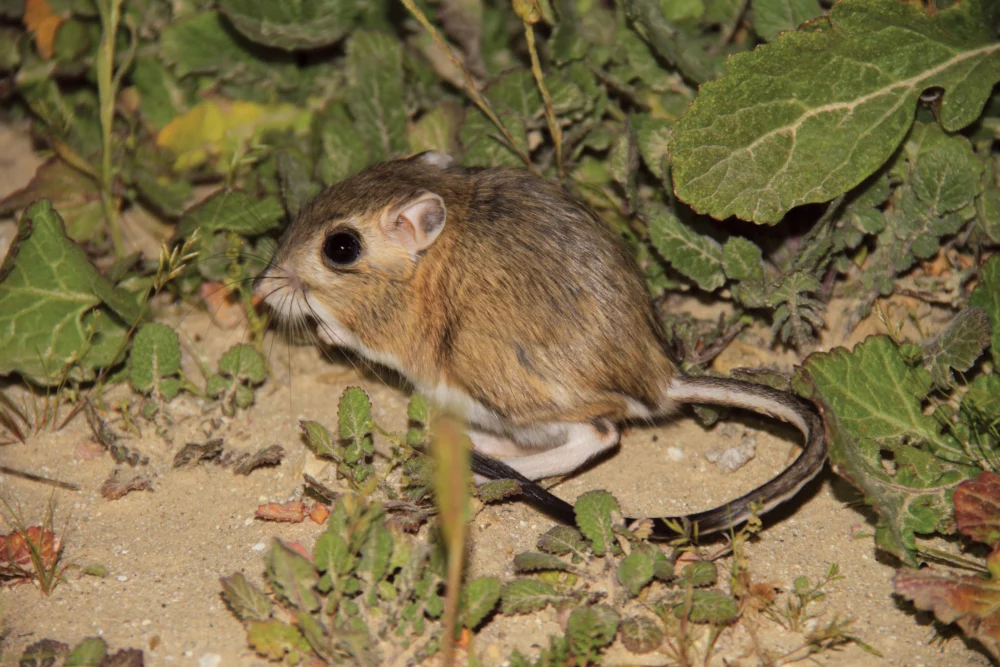
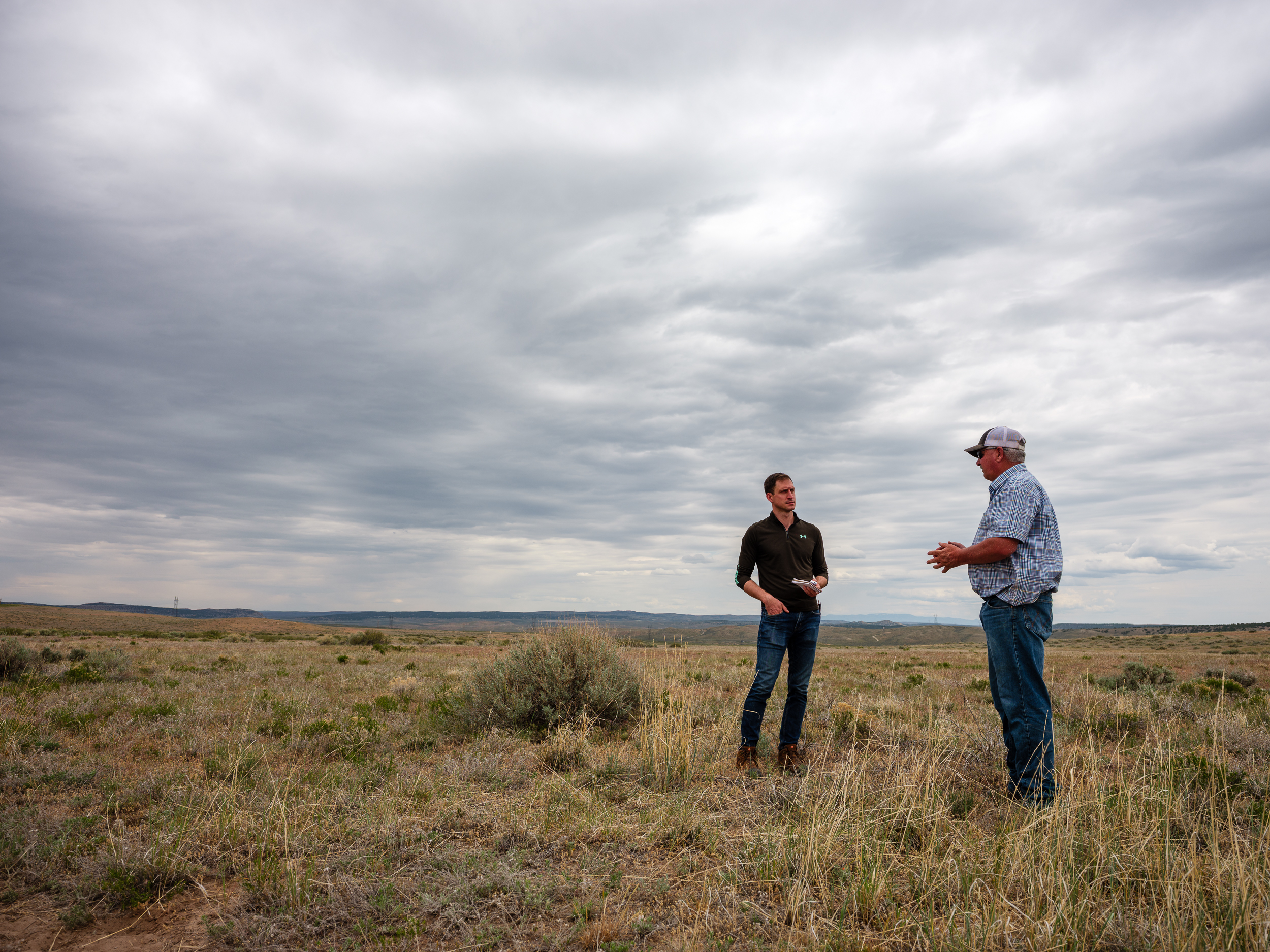
The sun dipped below the rugged horizon of California’s Carrizo Plain, painting the vast, sandy landscape in hues of gold and crimson, as ecologist Ian Axsom moved with determined speed. Each ten yards across the bristling terrain, he paused, setting down an aluminum live trap, systematically covering an expanse equivalent to two baseball fields before the encroaching night could fully claim the sky. For Axsom, a seasoned land steward with the Sequoia Riverlands Trust, these breathtaking sunsets were a familiar backdrop to an urgent mission, one that often defied the camera lens in its raw beauty. Behind him, three dedicated teammates meticulously followed, each adding a generous fistful of birdseed mix to every trap and carefully setting its trigger mechanism. Their collective focus was singular: to prepare for the nocturnal emergence of the giant kangaroo rat, Dipodomys ingens, a diminutive yet profoundly influential keystone species whose survival is inextricably linked to the health of this unique ecosystem. This intricate trapping operation formed a critical component of the Trust’s ongoing monitoring program, designed to track the welfare of these remarkable rodents and the broader Carrizo Plain habitat they inhabit.
The Carrizo Plain, situated at the southwestern fringe of California’s immense San Joaquin Valley, stands as a stark geographical anomaly. While the San Joaquin Valley, stretching over 250 miles from Stockton to Bakersfield, has been dramatically transformed by relentless urbanization, extensive oil and gas drilling, and, most notably, intensive agriculture, the Carrizo Plain remains remarkably pristine. It is a living time capsule, a rare and invaluable remnant of the semi-arid grassland ecosystem that thrived across California before European settlement irrevocably altered the landscape. Regular, meticulous surveys of the giant kangaroo rat—aptly named for its powerful bipedal hopping gait, reminiscent of its Australian namesake—offer vital insights into the species’ population dynamics and the overall condition of its habitat. Crucially, these data provide an indispensable baseline for evaluating the ecological ramifications of any new development on the plain, including the two significant solar farms that have recently emerged within its periphery. By the time Axsom’s team positioned the final trap, the last vestiges of daylight had vanished behind the distant mountains, forcing the group to navigate their return to vehicles by the faint beams of cell phone flashlights. The day’s scorching temperatures had yielded to the crisp, impending chill of the desert night, signaling the time to retreat and await the dawn’s revelations.
Often referred to as one of Central California’s best-kept secrets, the Carrizo Plain’s semi-arid grasslands lie more than 1,500 feet above the San Joaquin Valley floor, cradled between the Caliente Range to the southwest and the Temblor Range to the northeast. While it periodically garners international attention for its spectacular "superblooms" – weeks-long explosions of wildflowers that erupt after periods of drought are broken by unusually heavy rainfall – for most of the year, the Carrizo Plain experiences minimal human intrusion. As one frequent visitor eloquently observed in a blog, "In all the trips I’ve taken to the Carrizo, I still have seen far more pronghorn than I have other people." This relative solitude is a testament to the region’s harsh, arid conditions. Even Ian Axsom, who grew up in San Luis Obispo, less than a two-hour drive away, admits he remained unaware of the plain’s existence until adulthood, highlighting its isolated and overlooked status.

The plain’s inherent scarcity of precipitation has historically served as its primary protector against widespread human exploitation. For millennia, Indigenous peoples such as the Chumash and Yokuts thrived on and around the plain, maintaining profound cultural and spiritual connections to the land that persist to this day. However, the arrival of European colonists in the 1800s brought devastating diseases and forced labor, decimating California’s Indigenous populations. Subsequent settlers attempted dryland grain farming and livestock grazing, but the Carrizo Plain largely escaped the intensive agricultural development that reshaped the rest of the San Joaquin Valley. Major state and federal irrigation projects, implemented throughout the 19th and 20th centuries to transform California’s arid lands into agricultural powerhouses, never extended their reach to this remote basin. Even ambitious mid-20th-century plans for residential development, envisioning over 7,000 homes, ultimately failed to materialize. Although the 2010s saw a temporary surge in illicit marijuana cultivation and the construction of two large-scale solar energy facilities, the area remains sparsely populated, with its few thousand residents still reliant on wells and bottled water, underscoring the enduring challenges of life in this arid environment.
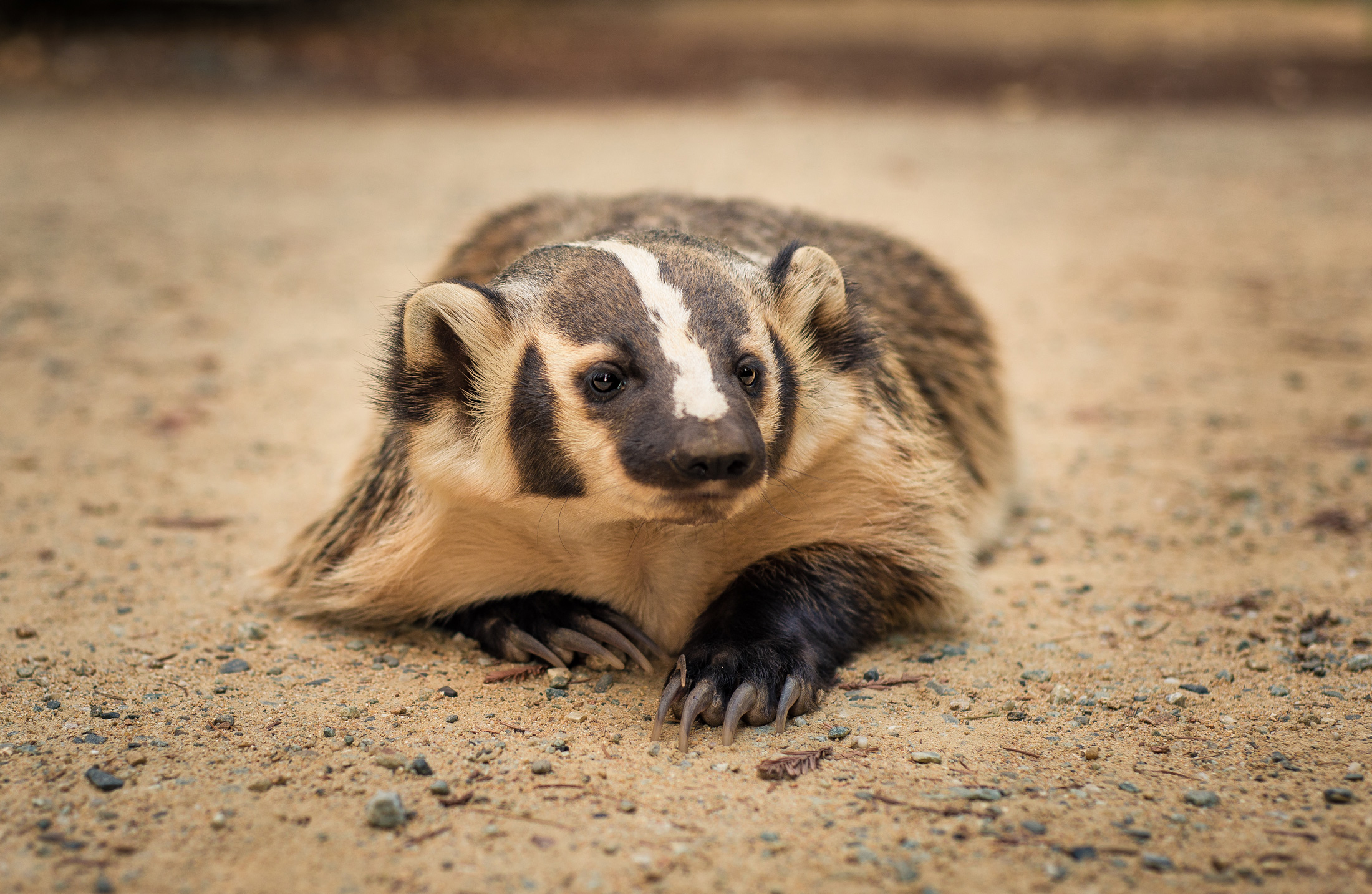
This historical isolation has allowed the Carrizo Plain, particularly its southern reaches, to flourish as an indispensable refuge for native flora and fauna. It boasts one of California’s highest concentrations of vulnerable species, including over 36 rare and endangered plants. The daytime landscape is animated by blunt-nosed leopard lizards and San Joaquin antelope squirrels darting from their burrows, while the cooler nights bring forth the elusive San Joaquin kit foxes and American badgers. During winter, the ephemeral Soda Lake, nestled at the northern end of the Carrizo Plain National Monument, becomes a vital sanctuary for migratory birds, its waters teeming with fairy and brine shrimp that provide a crucial food source. Herds of Tule elk, a subspecies endemic to California, graze year-round, adding to the plain’s vibrant biodiversity. Tim Bean, an ecologist at California Polytechnic State University in San Luis Obispo, acknowledges the Carrizo Plain and the surrounding San Joaquin Desert may not possess conventional beauty, but he passionately argues, "the thing that makes it really special is the animals that live here that are found nowhere else."

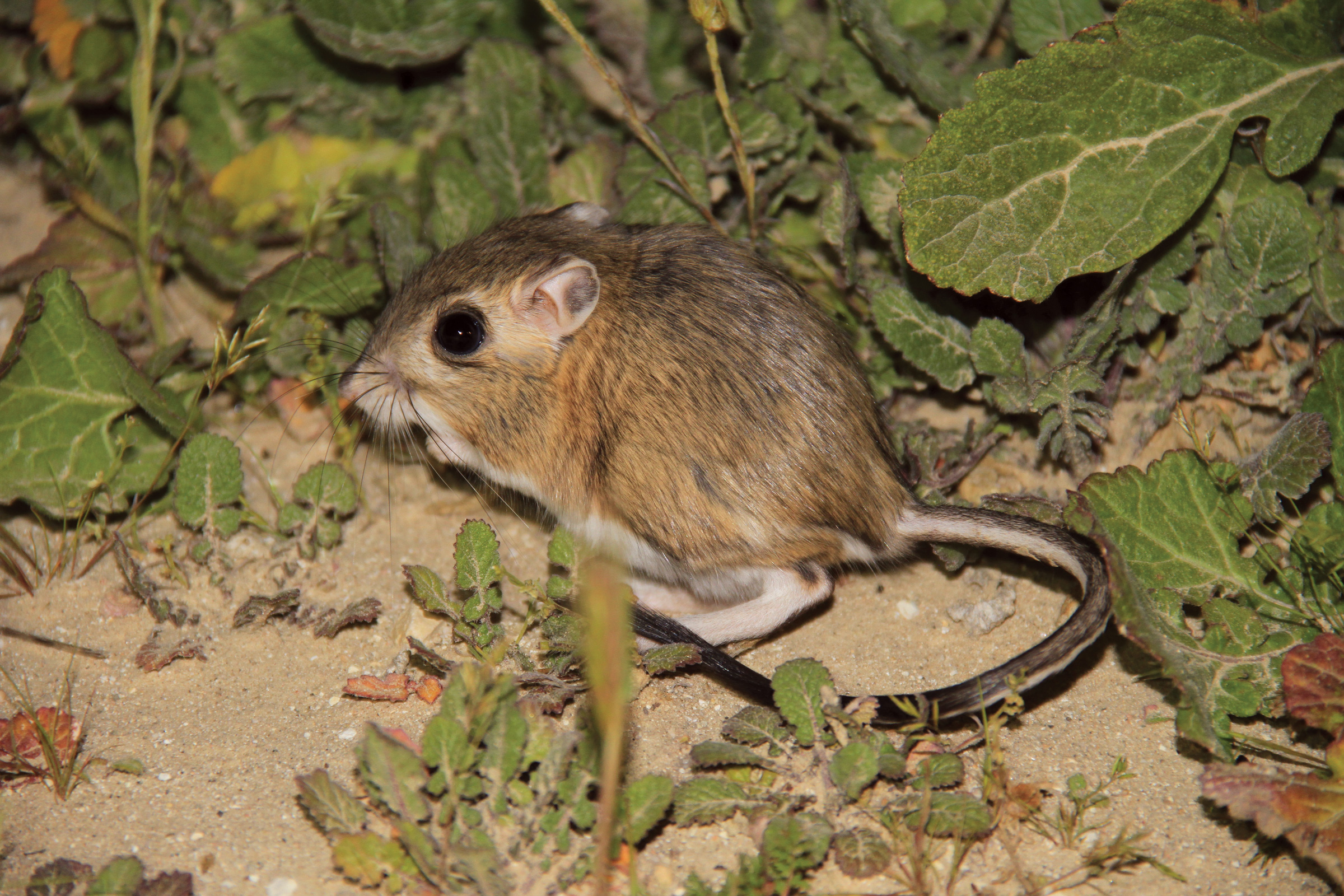
At the foundation of this intricate ecosystem are the giant kangaroo rats, whose extensive burrow systems honeycomb the landscape. These industrious rodents actively maintain bare "crop circles" around their burrow entrances, diligently clipping grasses to improve their visibility and detect approaching predators. These distinctive circular clearings are so pervasive and well-defined that they are discernible even from outer space, a testament to the rats’ widespread impact. Scientific studies have compellingly demonstrated that this unique "gardening" behavior significantly enhances plant biodiversity, suppresses the proliferation of invasive grasses, and facilitates easier movement for other grassland animals, including their predators. "When you step back and look at what makes the San Joaquin Desert function, giant kangaroo rats just keep coming up over and over," Bean emphasizes, advocating for their recognition: "Our state mascot should be the kangaroo rat." Beyond their ecological utility, their endearing appearance, characterized by oversized heads, large eyes, and long, tufted tails, adds to their charm.
The barely contained energy of a metal trap thrummed softly in the cool midnight air. Under the focused beam of her headlamp, wildlife biologist Courtney Tuskan gently tipped the trap’s occupant into a soft cloth sack. As she reached in to retrieve the squirming rodent, her colleague, Sequoia Riverlands Trust biologist Lindsay Peria, offered a timely reminder to first weigh the bag, a crucial step for later calculating the rat’s precise heft. "Man, I forget everything when I’m with an animal," Tuskan replied with a chuckle, her voice betraying a familiar blend of scientific precision and genuine affection for the creatures she studies. The captive was a spirited young male, slightly larger than a clenched fist. Its disproportionately large, neckless head gave it a characteristic hunched posture, while its tufted tail whipped about with a saucy defiance. Its brindle fur felt remarkably silky and warm, and its cheek pouches, comically distended with the captured seed bait, created the illusion of a perpetual grin. Working with swift efficiency, Tuskan meticulously measured the rat’s head size and foot length, then carefully marked its belly with a Sharpie to prevent accidental re-measurement during subsequent nights of the survey. Upon its release, the initially indignant captive seemed to calm, its first lazy hop leading it serendipitously into the tip of Axsom’s boot. He instinctively reached down, stroking the soft fur with a finger for a fleeting moment before the rat vanished silently into the encompassing shadows.

Today, giant kangaroo rats occupy a mere fraction—less than 5%—of their historic range, which once extended across the entire length of the San Joaquin Valley. Their drastic population decline accelerated dramatically following the implementation of the California State Water Project in the 1960s, a massive undertaking that facilitated unprecedented agricultural expansion. By the 1980s, the species’ perilous state prompted its listing as both a state and federally endangered species, a critical designation that underscored its vulnerability. Two decades later, in 2001, the imperative to protect this emblematic animal played a significant role in the establishment of the Carrizo Plain National Monument, specifically safeguarding the southern portion of the plain where the largest remaining populations persisted.
In the wake of their endangered status, environmental organizations launched concerted efforts to translocate surviving giant kangaroo rat populations to suitable former habitats. A notable recolonization initiative occurred on the Carrizo Plain in 1989, demonstrating early success in re-establishing the species. Over the ensuing years, these groups also dedicated resources to restoring degraded habitats, addressing issues like widespread trash accumulation and the lingering effects of rodenticide use, particularly on abandoned marijuana farms. Landowners and land managers collaborated, employing strategic cattle grazing practices to create and maintain optimal habitat conditions for imperiled species. Around 2010, when two energy companies proposed developing large-scale solar farms near the national monument’s boundaries, the federal government mandated stringent mitigation measures. These requirements included significant funding for habitat restoration and the establishment of long-term ecological monitoring programs, ensuring regular wildlife surveys to assess the projects’ environmental impact.

These multifaceted conservation strategies have yielded remarkable success on the Carrizo Plain. The number of giant kangaroo rats has rebounded dramatically, from an estimated few thousand individuals in the 1990s to a thriving population numbering in the millions today. This robust recovery, largely facilitated by the protective umbrella of the national monument, stands as a powerful testament to the efficacy of dedicated conservation. As ecologist Tim Bean affirms, "The monument is working and doing its job." Despite this localized triumph, the Carrizo Plain remains an ecological island, surrounded by a vast "sea" of human development and agricultural transformation. However, this isolation may soon diminish. The San Andreas Corridor initiative, spearheaded by The Nature Conservancy, aims to forge vital connections between the Carrizo Plain and other protected lands, creating an expansive 600,000-acre passage for diverse wildlife. This ambitious endeavor seeks to enhance climate resilience and ensure genetic exchange across fragmented landscapes. A broad coalition of environmental organizations, including The Nature Conservancy and the Sequoia Riverlands Trust, is actively acquiring private land parcels from willing sellers and collaborating with ranchers and other landowners to establish conservation easements—legally binding agreements that permanently restrict development and protect critical habitat on private holdings.
It was well past 1 a.m. when Axsom’s team completed their final trap checks. Gathering in a tight circle, their headlamps casting pools of light, they tallied the night’s captures. They had caught eight giant kangaroo rats, a number slightly lower than Axsom’s initial predictions. Yet, he expressed no significant concern. All around them, the Carrizo Plain offered abundant evidence of a healthy giant kangaroo rat population: numerous black droppings, meticulously clipped grass adjacent to burrow entrances, piles of seed heads picked clean, and the tell-tale chalky scat of San Joaquin kit foxes, a clear sign of the predators that rely on the rats as a primary food source. The entire landscape presented a checkerboard mosaic of hole-dotted burrow mounds interspersed among dried clumps of fiddlenecks and the encroaching strands of invasive red brome. The distant, haunting calls of coyotes echoed across the vast plain, occasionally punctuated by the sharp, ethereal screeches of a pallid bat shattering the profound peace of the desert night. Under an astonishing canopy of stars, a celestial riot that seemed to stretch infinitely, the exhausted but fulfilled team finally headed homeward, eager for the restorative embrace of sleep, their efforts a small but crucial part of a larger, ongoing effort to preserve one of California’s most vital and overlooked ecosystems.