Rocky Gerung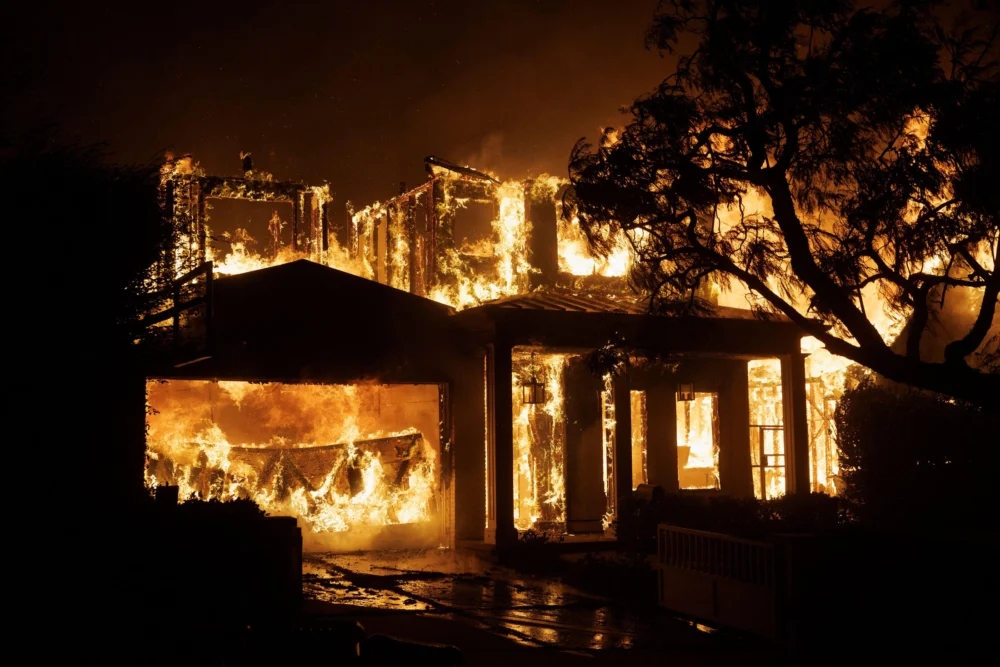
A recent lawsuit filed by two Washington residents accuses major petroleum corporations of a decades-long campaign of misinformation regarding the impact of fossil fuels on climate change and the subsequent harm to global populations. This legal action represents a significant escalation in the growing number of claims brought against the fossil fuel industry, with plaintiffs seeking to hold these companies accountable for the escalating economic fallout of a warming planet.
The core of this particular lawsuit introduces a novel damage claim: that increased carbon emissions from burning fossil fuels have demonstrably intensified extreme weather events, including hurricanes, wildfires, floods, and heatwaves. These amplified natural disasters, the plaintiffs argue, have directly contributed to a sharp increase in insurance premiums, effectively precipitating a widespread homeowners’ insurance crisis. This legal strategy seeks to draw a direct line between historical fossil fuel production and the current unaffordability and unavailability of vital insurance coverage.

The surge in climate-related disasters in recent years has exacted a heavy toll, causing billions of dollars in damage and undeniably triggering a dramatic spike in insurance claims and premiums. This escalating risk has eroded the profitability of insurance companies, compelling them to raise rates at a pace significantly exceeding general inflation, particularly in regions highly susceptible to natural catastrophes. Consequently, many insurers are withdrawing from high-risk areas, outright canceling or refusing to renew homeowner policies in regions with substantial wildfire risk, leaving residents in precarious situations.
This trend exacerbates existing housing affordability challenges, disproportionately impacting lower-income families who are already struggling to make ends meet. The housing market itself faces further strain, as the prospect of obtaining affordable or even available insurance diminishes, potentially hindering property transactions and devaluing homes in vulnerable areas. Conversely, higher premiums in disaster-prone locations could serve as a disincentive for new construction in sensitive zones, such as the wildland-urban interface, where the risk of fire is inherently elevated.
While the courts will ultimately determine the legal culpability of major oil companies, the empirical data unequivocally demonstrates a correlation between global temperature rise and escalating insurance costs. A 2024 report from the Senate Budget Committee starkly outlines this reality, stating, "Unless the United States and the world rapidly transition to clean energy, climate-related extreme weather events will become both more frequent and more violent, resulting in ever-scarcer insurance and ever-higher premiums." The report emphatically concludes, "Climate change is no longer just an environmental problem. It is a looming economic threat."

Between 2018 and 2022, climate-related disasters caused an estimated $114 billion in damage, with $80 billion of that total being insured. This period saw a doubling of disaster declarations for climate-related incidents compared to the national 50-year average, according to an early analysis by the U.S. Treasury Department’s Federal Insurance Office. This analysis highlighted the profound impact of climate change on the homeowners insurance market, revealing a growing gap between total damage and insured losses, indicating that a significant portion of climate-related damage remains uninsured.
During the 2018-2022 period, average homeowners insurance premiums nationwide rose by 8.7% faster than inflation. This national average, however, masks far more dramatic increases experienced by residents in disaster-prone areas, assuming they could even secure coverage. The increasing frequency and intensity of wildfires, floods, and other extreme weather events are forcing insurers to reassess their risk models and adjust premiums accordingly, pushing the cost of protection higher for policyholders.
The devastating Eaton and Palisades fires in the Los Angeles area in January 2025 serve as a stark illustration of this trend, destroying 16,251 homes and damaging an additional 2,046. The insured losses from these two events alone are estimated at a staggering $40 billion, a figure four times greater than the $10 billion in insured losses from the 2018 Camp Fire, previously one of California’s most destructive wildfires. These megafires underscore the escalating financial consequences of climate-exacerbated natural disasters.

In response to mounting "catastrophe exposure," major insurers have begun to significantly reduce their footprint in high-risk states. State Farm, a prominent insurer, canceled nearly 72,000 homeowner, rental dwelling, commercial apartment, and other property insurance policies in California in 2024 alone. Since 2021, insurance carriers have collectively canceled close to 400,000 policies in the state, reflecting a broader trend of insurers de-risking their portfolios in areas deemed too vulnerable to climate-related events. This withdrawal creates significant challenges for homeowners and renters, who may find it increasingly difficult to obtain or maintain necessary insurance coverage.
The financial strain on insurance providers is evident in their responses to these catastrophic events. Following the Eaton and Palisades fires, State Farm reported paying out claims totaling $13,500, prompting the company to request an emergency 22% rate hike from state insurance regulators. This request highlights the immense financial pressure insurance companies are under to cover increasingly large and frequent disaster-related payouts, which in turn drives up costs for all policyholders.
Despite these escalating claims and the perceived financial instability in certain markets, the profitability of major insurance companies remains a point of contention. In 2024, 22 publicly traded insurance companies collectively reported profits totaling $36 billion, with CEO compensation reaching approximately $220 million. This juxtaposition of substantial corporate profits and rising premiums for consumers, particularly in vulnerable areas, fuels the debate about the insurance industry’s role and responsibility in the face of climate change.

The financial implications of climate change extend beyond individual insurance policies and into the broader economic landscape. The escalating costs associated with extreme weather events strain public budgets, divert resources from other essential services, and can hinder economic development. As the frequency and intensity of these events continue to rise, the insurance industry’s ability to provide affordable and accessible coverage will be tested, potentially leading to significant shifts in how risk is managed and who bears the ultimate financial burden.
The legal battles, like the one initiated in Washington, aim to shift a portion of this burden back to the industries whose historical actions are alleged to have contributed to the current crisis. The outcome of such litigation could have far-reaching implications, not only for the fossil fuel sector but also for the future of insurance markets and the resilience of communities facing an increasingly unpredictable climate. The connection between a warming planet and the rising cost of protection is becoming undeniable, making climate change a critical economic and social issue that demands urgent attention and innovative solutions. The path forward likely involves a multifaceted approach, including accelerating the transition to clean energy, implementing robust climate adaptation strategies, and fostering greater accountability for those whose activities contribute to climate disruption.