Joko Susilo
Federal statutes mandate that the Bureau of Land Management (BLM) and the Forest Service, custodians of over 240 million acres of public lands, meticulously review each grazing permit before determining any necessary conditions or, in rare instances, denying renewal. This rigorous review process is designed to ensure that grazing practices align with principles of land health, biodiversity conservation, and sustainable resource management. However, a pivotal legislative change in 2014 dramatically altered this landscape: Congress enacted a provision allowing for the automatic renewal of permits for another decade if agencies failed to complete their environmental reviews. This exemption, often referred to by conservationists as "the loophole," has severely curtailed the critical scrutiny of grazing’s impact on public lands.
The consequences of this diminished oversight are starkly evident in recent analyses. In 2013, the BLM approved grazing on 47% of its acreage open to livestock without conducting the mandated environmental review. A mere ten years later, this figure surged to approximately 75%, according to an analysis of agency data. The Forest Service, which manages significant portions of the nation’s forests and grasslands, has experienced a similar precipitous decline in environmental reviews for its grazing allotments, as documented by a separate study conducted by the Western Watersheds Project. This systemic failure to evaluate impacts coincides directly with a drastic reduction in the federal workforce responsible for these crucial assessments. Between 2020 and 2024, the BLM’s rangeland management staff shrank by a staggering 39%, according to data from the Office of Personnel Management. Further exacerbating the issue, agency records indicate that about one in ten rangeland staffers departed the BLM between November’s presidential election and June, a trend that significantly undercuts the agency’s capacity to fulfill its environmental stewardship duties.
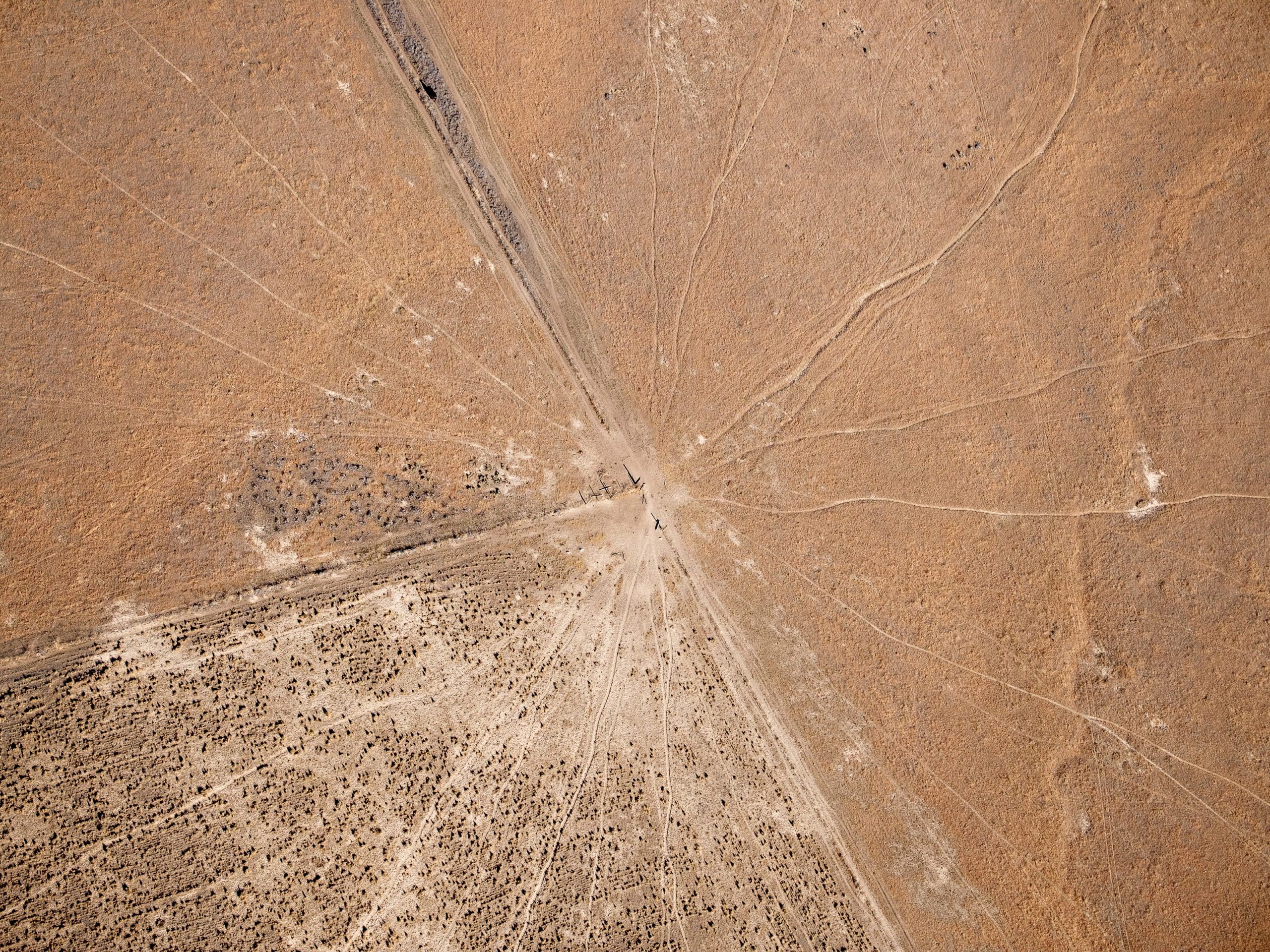
Without adequate monitoring and enforcement, livestock often graze beyond designated areas, in excessive numbers, or for extended periods, leading to widespread overgrazing. This practice triggers a cascade of environmental harms, from the proliferation of invasive plants like cheatgrass, which disperses seeds and disrupts soil, to the displacement of native flora and a heightened risk of catastrophic wildfires across the arid Western landscapes. When herds strip vegetation along vital riparian corridors, silt washes into creeks and streams, suffocating fish nurseries and impairing water quality for both human and wildlife consumption. Furthermore, the inability of understaffed agencies to amend permits means a lost opportunity to reduce animal numbers on allotments, thereby failing to curb the release of climate-warming methane, a potent greenhouse gas emitted by livestock. Once a permit is renewed, with or without a proper review, rectifying these environmental damages becomes an arduous task, often deferred for another ten years.

Interviews with ten current and former BLM rangeland management employees reveal a troubling internal dynamic: a pervasive pressure to avoid challenging ranchers. This pressure manifested as directives to downplay environmental harm in permit reviews and land-health assessments. One anonymous BLM employee candidly stated, "Sometimes the truth was spoken, but, more often than not, it was not the truth," regarding agency oversight. While a BLM spokesperson affirmed the agency’s commitment to "transparency, sound science, and public participation," the reality on the ground appears more complex. The Trump administration introduced a policy shift, transferring approval authority for all high-value BLM contracts and agreements from career civil servants to political appointees. This move was accompanied by significant funding cuts for vital programs, including an application assisting ranchers in collecting soil and vegetation data, contractors managing grazing permit data, farmers growing restoration seeds, and critical soil research in the Southwest. These cancellations were justified by internal memos stating the actions were "not needed to meet the administration priorities," further eroding the scientific foundation for land management. The Forest Service declined to comment on the matter, while the U.S. Department of Agriculture offered a statement emphasizing ranching’s role in "keeping working landscapes intact, while also preserving open space, and benefiting recreation, wildlife, and watersheds."
The tangible effects of this shrinking oversight are visible across federal grazing allotments in Arizona, Colorado, Montana, and Nevada, where evidence of unpermitted grazing and degraded habitats abounds. In Arizona’s Las Cienegas National Conservation Area, a critical expanse of desert grasslands and forested streams, reporters witnessed firsthand the consequences. Despite a federal designation as critical habitat for five threatened or endangered species and a clear prohibition on cattle in the creekbed, a crumpled barbed-wire fence offered little resistance. A native leopard frog launched from a hardened cow hoof print into water visibly fouled by cow feces and the partially submerged remains of a cow carcass. A small herd of cattle then crashed through the creek, tearing up erosion-controlling plants and sending plumes of silt into the waterway. Wildlife ecologist Chris Bugbee of the Center for Biological Diversity, surveying the scene, remarked, "Looks like a sewer… This one hurts. There is no excuse." Compounding the outrage, a 2024 BLM land-health assessment for this very allotment paradoxically declared "ALL STANDARDS MET." This incident is not isolated; Bugbee’s team, in their March report, found that half of the 2,400 miles of streams surveyed in the Southwest’s critical habitats exhibited "significant damage from livestock grazing."

The ranching industry, however, presents a nuanced perspective, arguing that properly managed livestock grazing can offer ecological benefits. Studies suggest that grazing can enhance soil’s capacity to sequester carbon dioxide, a crucial climate change mitigation strategy. Other research indicates that when grazing is carefully managed, it can improve habitat health and foster greater species diversity. Frank Shirts Jr., who operates one of the largest sheep operations on Forest Service land, champions sheep as natural firebreaks, consuming invasive weeds and brush. Retta Bruegger, a range ecologist at Colorado State University, points out that certain ecosystems, particularly those receiving more precipitation, can tolerate more intensive grazing and that livestock can "provide a very important ecosystem function." Bruegger argues for a shift in focus, suggesting, "We should be asking, ‘Are there individual producers who need to be doing a better job?’ instead of asking, ‘Should there be grazing or no grazing?’" Crucially, she underscores that answering these questions effectively demands adequate staff for land monitoring.
The origins of current permit review requirements trace back to a 1974 court ruling that subjected grazing permits to environmental reviews, followed by a 1976 Congressional mandate for reviews every decade. For years, however, a mounting backlog of unreviewed permits persisted due to insufficient federal land-management staff. Around the turn of the millennium, Congress began granting temporary waivers to skip reviews. Western Republican lawmakers, backed by the powerful livestock industry, vigorously lobbied to make this concept permanent. Ultimately, with bipartisan support, the provision for automatic renewals was embedded into a must-pass defense spending bill in December 2014, solidifying what many now call "the loophole." Paradoxically, this automatic renewal system can also hinder progressive ranchers. Chris Jasmine, manager of biodiversity and rangelands for Nevada Gold Mines, notes that without reviews, "It just locks people into grazing the same place, the same time, year after year," preventing adaptation of practices to changing ecological conditions.

Comprehensive land-health assessments, typically conducted by multidisciplinary teams of BLM experts including rangeland specialists, hydrologists, botanists, soil scientists, and wildlife biologists, are designed to inform permit renewals. Yet, the current staffing crisis has left vast tracts of public land unexamined. Of the 155 million acres of public lands overseen by the BLM for grazing, the agency possesses no record of completing land-health assessments for over 35 million acres, nearly a quarter of its total. Where assessments have been conducted, they identified at least 38 million acres degraded by livestock, an area roughly half the size of New Mexico. Alarmingly, nearly two-thirds of the land the BLM classified as being in "good shape" had not been checked in over a decade. The situation is further compounded by a disturbing trend: 82% of acreage previously identified by the BLM as degraded due to livestock was reauthorized for grazing without any environmental review.
Multiple BLM employees describe internal instructions from higher-ups to strategically assess only healthier plots, thereby sidestepping allotments in poor condition or those deemed controversial. This tactic, they explain, is often driven by a desire to avoid protracted litigation from environmental advocacy groups like the Western Watersheds Project or local stockmen’s associations, which frequently challenge permit changes. One staffer candidly admitted, "We were just using a bureaucratic loophole… We were allowing ongoing degradation of habitat." This approach, according to Chris Bugbee, reduces complex, vibrant ecosystems to a "mowed lawn," a future for public lands he decries as unsustainable.

Beyond direct grazing practices, other government actions contribute to environmental degradation. Land-management agencies sometimes deliberately seed invasive grasses that benefit livestock but undermine native ecosystems. State and federal agencies also engage in predator control, killing wolves and cougars, which are integral to healthy ecosystems, primarily to safeguard ranchers’ economic interests. BLM employees have also reported instances where rank-and-file staff meticulously documented the presence of threatened and endangered species in permit reviews and land-health assessments, information that would necessitate stricter environmental controls, only for agency managers to subsequently delete these critical details from official reports. One BLM staffer characterized these reviews as "rubber stamping," stating that higher-ranking staff "wouldn’t let me stick anything into the official documentation that acknowledged things were in poor shape." Another complicating factor, according to BLM staff, is the practice of inviting ranchers to participate in fieldwork to assess overgrazing, a collaboration that employees contend often results in diluted reviews and assessments. Conversely, the industry criticizes the assessment process itself. Erin Spaur, executive vice president of the Colorado Cattlemen’s Association, describes it as an inflexible "one-size-fits-all approach" that fails to account for the diverse ecological nuances of different landscapes. Dennis Willis, a veteran of over three decades with the BLM, including rangeland management, lamenting "huge cultural problems within the agency," observes "there’s a real fear of dealing with grazing problems."
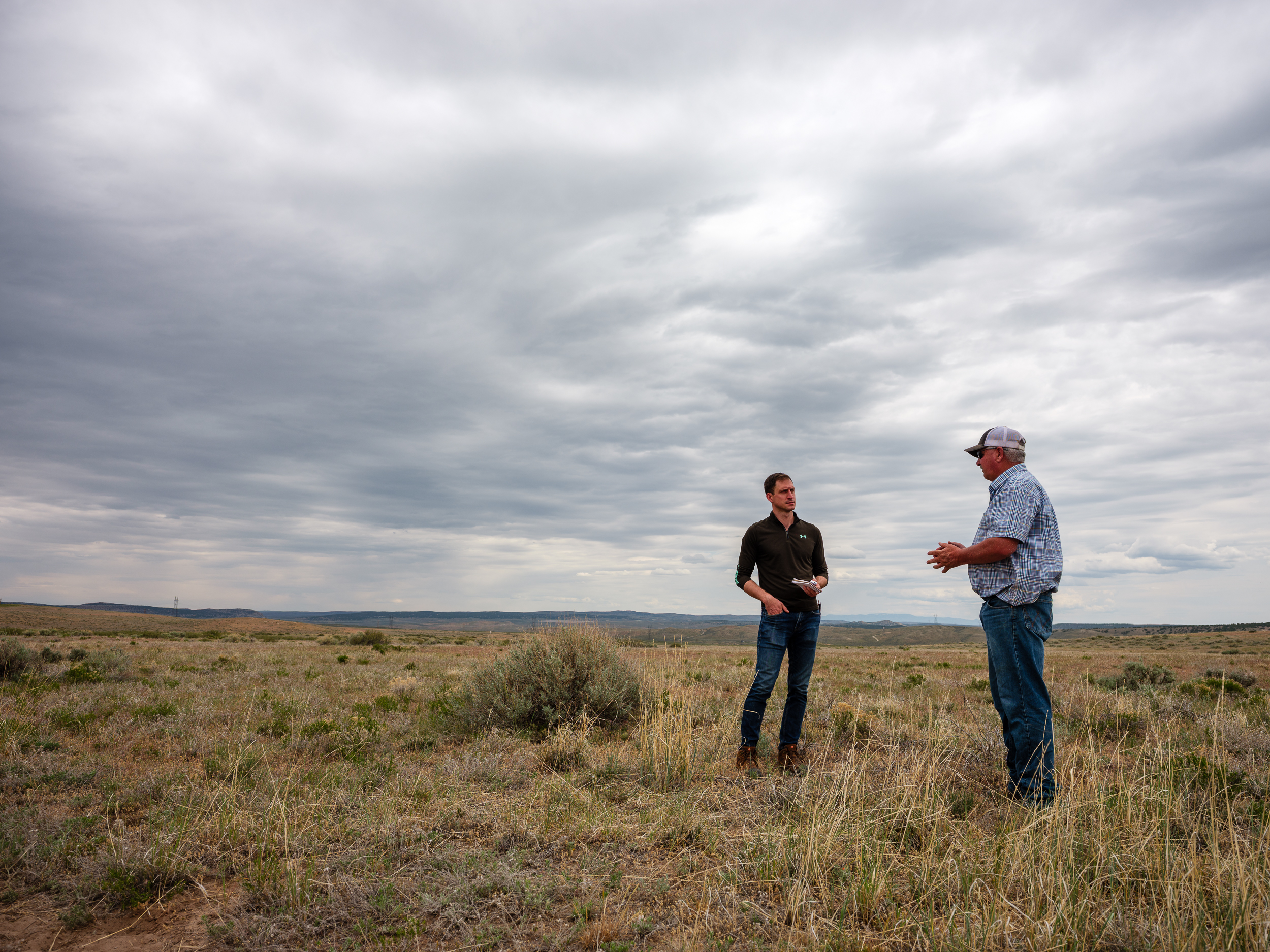
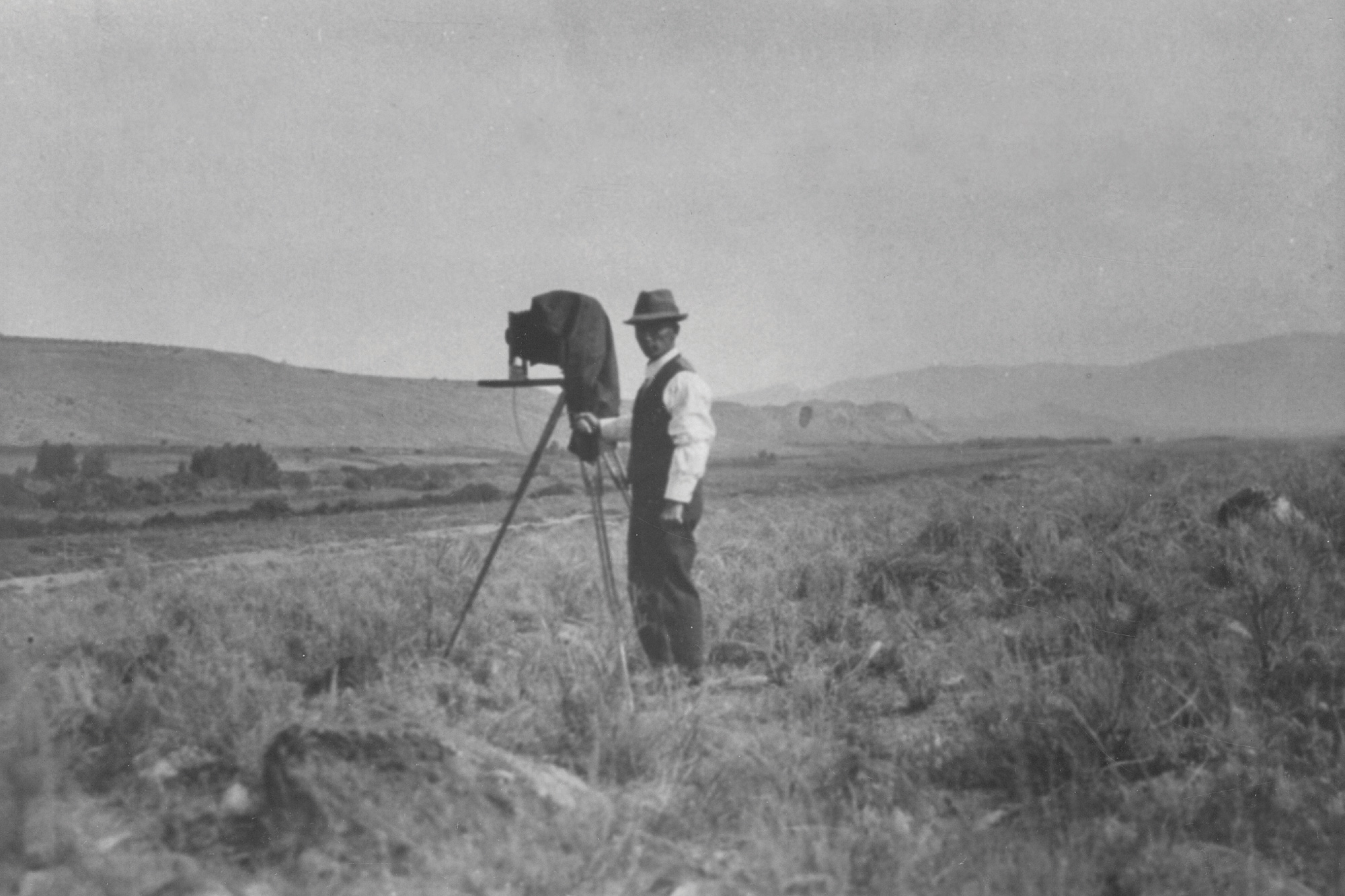
Despite these systemic challenges, some ranchers acknowledge their industry’s environmental impacts and advocate for greater flexibility, rather than just stricter oversight, as a pathway to becoming better land stewards. Chris Jasmine of Nevada Gold Mines, a sixth-generation Nevadan, oversees ranching operations for a joint venture valued at approximately $150 billion. He demonstrates how thoughtful management can lead to significant ecological recovery. Near Carlin, Nevada, he showcased Maggie Creek, a tributary to the Humboldt River, where photos from the 1980s depict barren surroundings. By altering herd rotation in the 1990s to allow streambeds to recover, the land rebounded dramatically. Jasmine emphasizes, "It’s a renewable resource. That grass that they’re eating right now will come back next year and the year after that if managed properly… It’s about not eating the same plants in the same place year after year after year." He highlights his company’s efforts in sage grouse restoration and partnerships with the BLM to strategically graze for firebreaks. However, the economic reality for Nevada Gold Mines, a massive corporate entity, differs sharply from that of most smaller ranchers, who often operate on razor-thin profit margins and rely heavily on the significantly lower costs of federal grazing compared to state or private lands.

For years, conservation groups and some politicians have proposed voluntary permit retirement programs, offering to compensate ranchers for relinquishing their grazing permits, thereby permanently protecting degraded or sensitive habitats as wildlife areas. While some ranchers have accepted these offers, the industry as a whole has shown reluctance to surrender permits. In October, U.S. Representative Adam Smith, a Washington Democrat, introduced a bill to further voluntary retirement, hailing it as "a pragmatic solution that supports local economies, protects biodiversity, and saves taxpayer dollars by reducing the cost of administering grazing programs." Louis Wertz, a spokesperson for the Western Landowners Alliance, whose members include conservation-minded ranchers, articulates the complex dilemma: ranchers want to remain economically viable while living in a "vibrant, full of life" landscape. Yet, he cautions that the "expectations we have of both being environmentally harmless and healthy and cheap are untenable. Over the last 150 years in the United States, we have chosen cheapness at the expense of environmental quality." Like Jasmine, Wertz believes that the chronic understaffing at the BLM and Forest Service stifles ranchers’ ability to adapt and improve their herd management, even when they desire to do so. "It is important that there be accountability for producers on the landscape," Wertz affirms, "but there should also be flexibility so producers can be economically successful and so they can do what is right for the landscape." The future of the West’s public lands hinges on finding this elusive balance, supported by robust oversight and adequately resourced federal agencies capable of informed, adaptive management.