Joko Susilo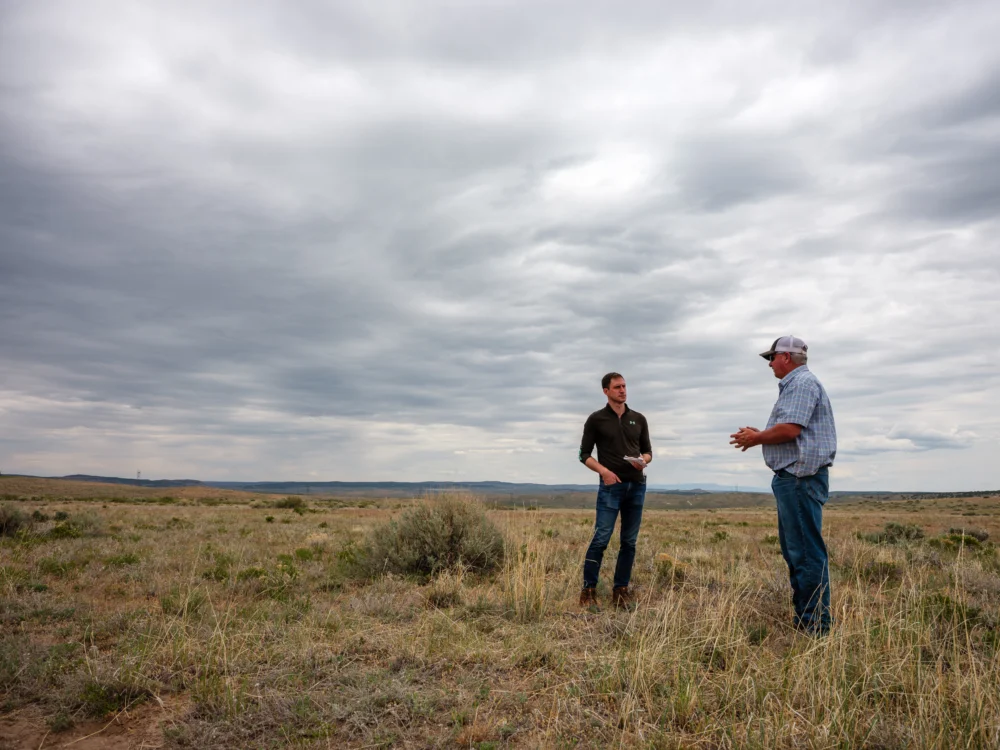
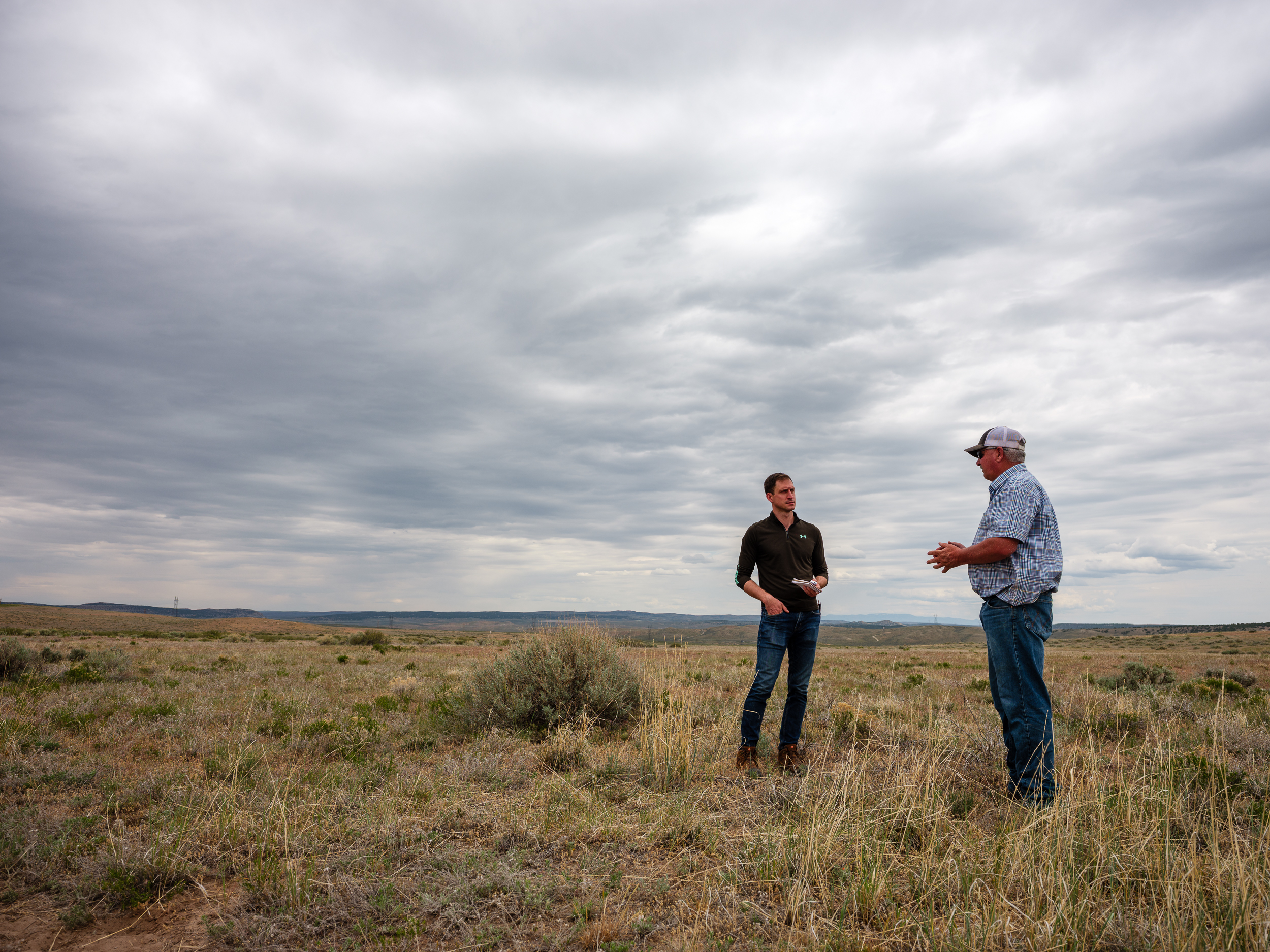
The United States federal government permits extensive livestock grazing across an area of publicly owned land exceeding twice the size of California, cementing ranching as the largest single land use throughout the vast American West. This monumental allocation of national resources, covering hundreds of millions of acres, operates on a system underpinned by billions of dollars in taxpayer subsidies, a financial model that increasingly raises questions regarding its environmental stewardship and economic fairness. Against a backdrop of heightened political rhetoric championing agricultural interests, particularly under administrations prioritizing a pro-ranching agenda, a rigorous investigation meticulously pieced together the intricate web of policies, finances, and environmental consequences. This comprehensive journalistic endeavor included filing over 100 public record requests, initiating legal action against federal agencies like the Bureau of Land Management (BLM) to secure crucial documents, and conducting wide-ranging interviews with stakeholders from ranchers to conservationists. On-the-ground tours of active ranching operations across Arizona, Colorado, Montana, and Nevada provided firsthand insights, revealing an analysis focused on the substantial financial subsidies, the profound environmental impacts, and the formidable political influence perpetuating the existing status quo.

What began in the 1930s as a crucial governmental response to the ecological catastrophe of the Dust Bowl—aimed at preventing rampant resource exploitation—has fundamentally transformed into a sophisticated subsidy program designed to sustain livestock operations on public lands. Federal agencies, primarily the Bureau of Land Management and the U.S. Forest Service, manage the majority of this system. In 2024, these agencies collectively levied approximately $21 million in grazing fees. However, a detailed financial assessment reveals this figure represents, on average, a staggering 93% discount compared to prevailing market rates for forage on private land, highlighting a significant financial advantage for permit holders. Beyond these minimal grazing fees, the federal government injects even more substantial capital into the sector, committing at least $2.5 billion in 2024 alone to various subsidy programs accessible to public lands ranchers. These include critical disaster assistance following severe droughts and floods, and compensation for livestock losses attributed to predators, effectively insulating ranchers from many inherent agricultural risks.
Far from supporting a broad base of small, independent operators, the public lands grazing system increasingly concentrates economic power and resource access in the hands of a select few wealthy individuals and large corporate entities. Analysis indicates a pronounced consolidation: roughly two-thirds of all grazing on BLM-managed acreage falls under the control of a mere 10% of permit-holding ranchers. Similarly, on U.S. Forest Service lands, the top 10% of permittees oversee more than 50% of all authorized grazing. This elite group includes prominent billionaires, such as media mogul Rupert Murdoch and sports franchise owner Stan Kroenke, alongside powerful mining companies and public utilities, all leveraging public resources for private gain. The financial advantages extend beyond direct cattle sales; associated private property often qualifies for substantial property tax reductions, ranching business expenses become eligible for federal tax deductions, and the permits themselves represent stable, long-term investment assets that appreciate in value. Representatives for Stan Kroenke did not respond to inquiries, while Rupert Murdoch’s representative declined to comment, underscoring the sensitivity surrounding the beneficiaries of this system.

Recent administrative efforts have sought to intensify and expand this public lands ranching paradigm, often framed as initiatives to bolster the domestic beef industry. A notable "plan to fortify the American Beef Industry," unveiled in October, specifically directed the Bureau of Land Management and the U.S. Forest Service to undertake the first significant amendments to grazing regulations since the 1990s. This strategic directive proposed a further escalation of taxpayer support for ranching operations, advocating for increased subsidies dedicated to drought and wildfire relief, predator compensation, and expanded government-backed insurance programs. In response, the U.S. Department of Agriculture asserted that "livestock grazing is not only a federally and statutorily recognized appropriate land use, but a proven land management tool, one that reduces invasive species and wildfire risk, enhances ecosystem health, and supports rural stewardship." Concurrently, regulatory oversight has significantly weakened. A 2014 Congressional law permits automatic permit renewal if federal agencies cannot complete environmental reviews within ten years. This legislative change has had a profound impact: in 2013, the BLM approved grazing on 47% of its open acreage without review; a decade later, this figure dramatically escalated to approximately 75%. This decline correlates with a substantial reduction in the federal workforce responsible for rangeland management, with a 39% decrease in employees between 2020 and 2024, making comprehensive environmental scrutiny increasingly impractical.
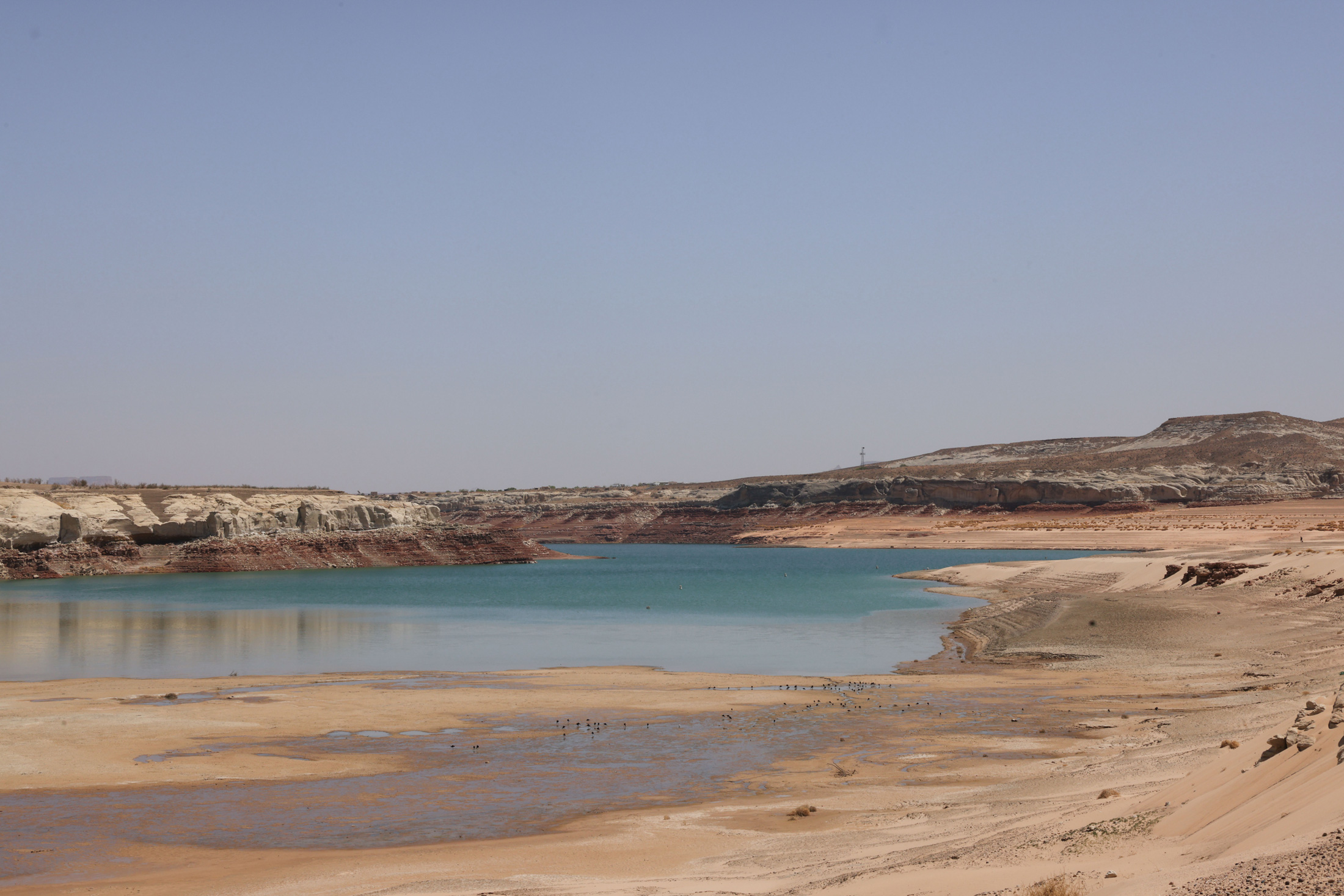
The consequences of this relaxed oversight and intensive grazing are starkly evident across the Western landscape, manifesting as widespread environmental degradation. The Bureau of Land Management, which manages a staggering 155 million acres of public lands designated for grazing, conducts its own assessments of environmental health. These internal evaluations have concluded that grazing activities have degraded at least 38 million acres—an expanse roughly half the size of New Mexico. Alarmingly, for an additional 35 million acres, the agency maintains no record of land health assessments whatsoever. On-the-ground observations consistently documented severe overgrazing, including streambeds extensively trampled, grasslands stripped bare of vegetation, and crucial waterways fouled by livestock. Such widespread impacts underscore the vulnerability of arid and semi-arid Western ecosystems, which are particularly sensitive to sustained disturbance and often struggle to recover. While the environmental toll is significant, ranchers frequently argue for the ecological benefits of their operations, asserting that public lands grazing plays a vital role in regional conservation. Many contend that maintaining ranching prevents