Joko Susilo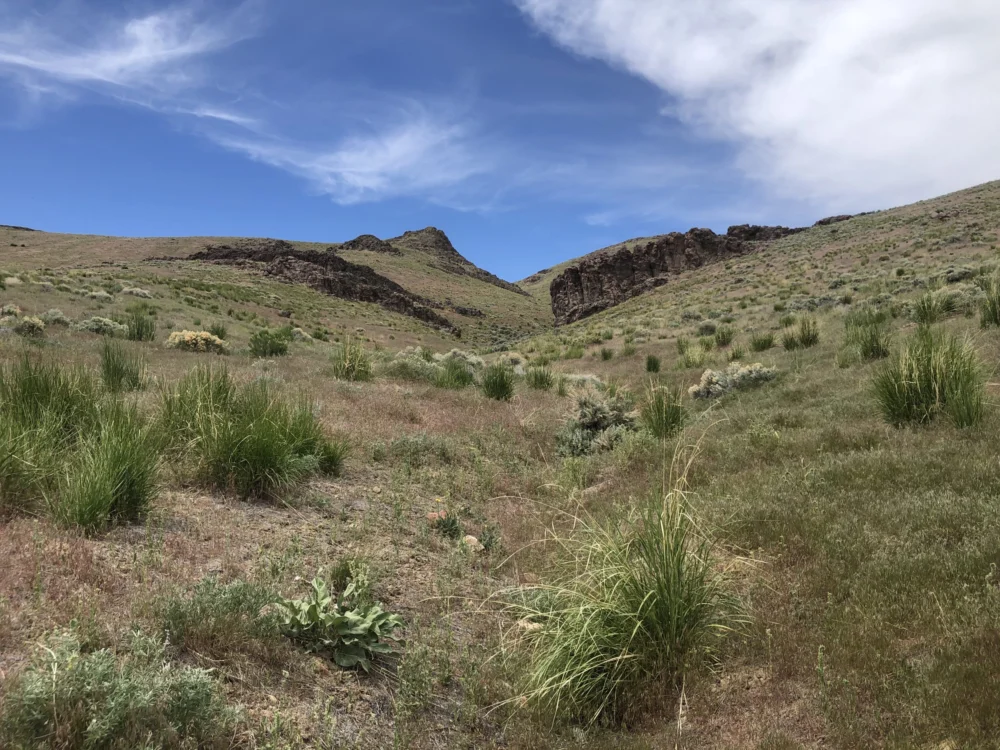
A top official within the Department of Interior, Karen Budd-Falen, is under intense scrutiny following revelations of her family’s financial connections to the highly contentious Thacker Pass lithium mine in northern Nevada, a project that received accelerated approval during the Trump administration. These ties, unearthed through a recently obtained financial disclosure and other public records, raise significant questions about potential conflicts of interest as the federal government actively promotes and invests in the mine. The Trump administration, in a recent move, acquired an equity stake in both the mine and its parent company, underscoring the project’s strategic national importance while simultaneously amplifying concerns over ethical oversight.

Budd-Falen, who currently serves as Associate Deputy Secretary to Interior Secretary Doug Burgum, a position that bypasses Senate confirmation, previously held a high-ranking legal role within the Interior Department during the first Trump administration. Her financial disclosure, obtained after an unexplained delay, details extensive family land holdings, including Home Ranch LLC, a Nevada ranching operation valued at over $1 million. Nevada’s business search database corroborates these findings, listing Frank Falen – Karen Budd-Falen’s husband – as the manager of a Home Ranch LLC as recently as February 2022. This connection forms the crux of the ethical quandary.
Further investigation reveals a direct business transaction between Home Ranch LLC and Lithium Nevada Corporation, the company spearheading the Thacker Pass project. In November 2018, not long after Budd-Falen first joined the Interior Department, Home Ranch LLC entered into an agreement to sell water rights to Lithium Nevada Corporation for an undisclosed sum, as detailed in a Securities and Exchange Commission filing that explicitly names Frank Falen. The strategic importance of water rights in the arid Nevada landscape for a large-scale mining operation cannot be overstated, making this transaction a critical point of concern. Moreover, planning documents submitted by Lithium Nevada to federal regulators during the Trump administration, including a July 2021 monitoring plan for Thacker Pass, indicate the company’s intention to utilize existing stock water wells owned by Home Ranch LLC to assess potential drawdown impacts from its mining activities.

These documented financial linkages are juxtaposed with Budd-Falen’s official duties and calendar entries. During her earlier tenure at the Interior Department, an entry on her November 6, 2019, calendar explicitly scheduled a "lunch with Lithium Nevada." At this time, Lithium Nevada, a subsidiary of the Canadian mining firm Lithium Americas, was actively pursuing swift regulatory approval for its Thacker Pass mine. The timing of this meeting, amidst ongoing business dealings between her family’s entity and the mining company, directly raises flags regarding the impartiality of federal decision-making processes.
The $2.2 billion open-pit mine, encompassing approximately 5,700 acres of public land, received approval from the Bureau of Land Management (BLM) in January 2021, just as the first Trump administration concluded. This rapid approval process for a project of such scale ignited immediate and fierce opposition. Area Indigenous tribes and environmental groups have mounted sustained legal challenges and protests, arguing that the mine poses severe threats to vital water resources in a drought-prone region, endangers sensitive species, and desecrates sacred cultural sites. Thacker Pass, known as Peehee Mu’huh to the Paiute Shoshone people, carries profound historical and spiritual significance, marking the site of an 1865 massacre where at least 31 Paiute individuals were killed. The proposed mine’s footprint directly impacts these culturally resonant lands, fueling accusations of environmental injustice and a disregard for Indigenous heritage.

The controversy surrounding Budd-Falen’s involvement is amplified by her past decisions regarding federal service. In 2018, she reportedly declined an offer to lead the BLM during President Trump’s first term. She publicly stated at the time that she turned down the director position because it would have required her and her husband to divest their interests in their family ranches to avoid conflicts of interest. This prior decision highlights an awareness of potential conflicts related to land holdings and public service, making her current situation even more perplexing for critics.
The broader context for the Thacker Pass mine is the global race for critical minerals, particularly lithium, which is indispensable for the burgeoning electric vehicle (EV) industry and grid-scale energy storage solutions. As nations worldwide pivot towards decarbonization, the demand for lithium has skyrocketed, leading to intense competition for secure supply chains. The United States, aiming to reduce its reliance on foreign sources—especially from China, which currently dominates lithium processing—has prioritized the domestic extraction and processing of these strategic materials. The Trump administration’s renewed push for the Thacker Pass project aligns with this national security and economic imperative, viewing it as a cornerstone of America’s "green economy" ambitions and a move towards greater energy independence. In a significant development, the Trump administration announced in September a deal with Lithium Americas, taking a 5% equity stake in both the Thacker Pass mine and the company itself, in exchange for the release of crucial loan funds from the Department of Energy. This direct federal investment further entwines the government with the mine’s success, making the integrity of regulatory oversight paramount.

Budd-Falen’s recent return to the Interior Department has largely occurred behind the scenes. Few details have emerged publicly regarding the specific issues or projects she has been tasked with overseeing. A critical missing piece of information is her ethics agreement, which typically outlines any companies or projects from which a federal official must recuse themselves to avoid conflicts of interest. Without this document, the full scope of her compliance with ethical standards remains opaque.
"Did she have any oversight of the environmental review process regarding Thacker Pass? It is a big question," stated Kyle Roerink, executive director of the Great Basin Water Network, a prominent water conservation group in Nevada. "If she didn’t recuse herself, it would fly in the face of the impartial decision-making that Americans expect from government officials." This sentiment encapsulates the core concern: the appearance of impropriety, if not outright conflict, can erode public trust in government institutions and cast a shadow over critical infrastructure projects essential for the nation’s future. The absence of transparency surrounding her ethics agreement and the full extent of her involvement continues to fuel calls for greater accountability, as the future of Thacker Pass and the integrity of federal land management decisions hang in the balance.