Roger Danuarta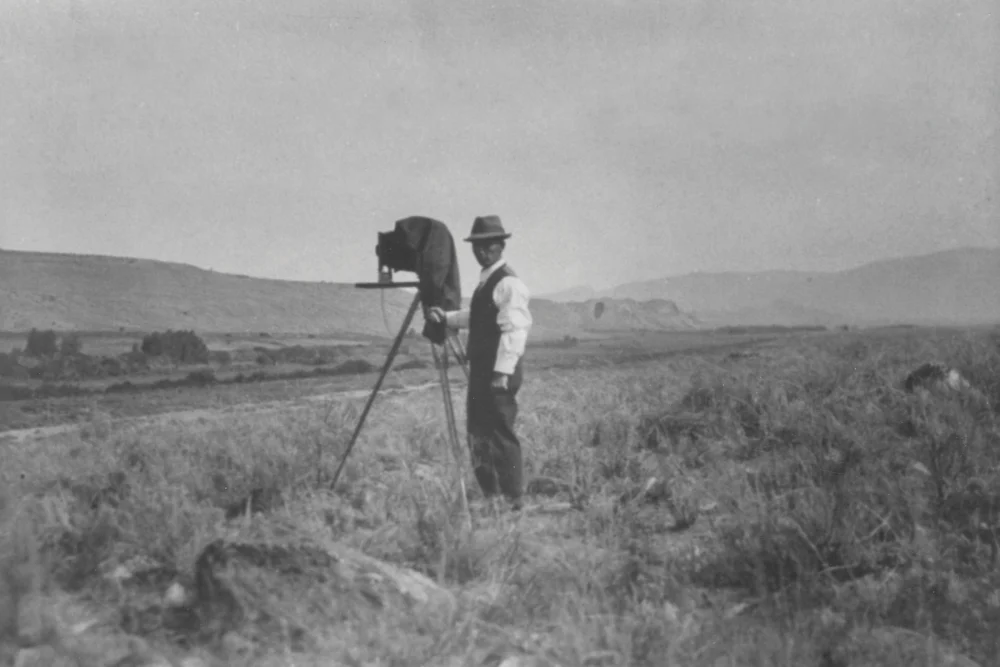
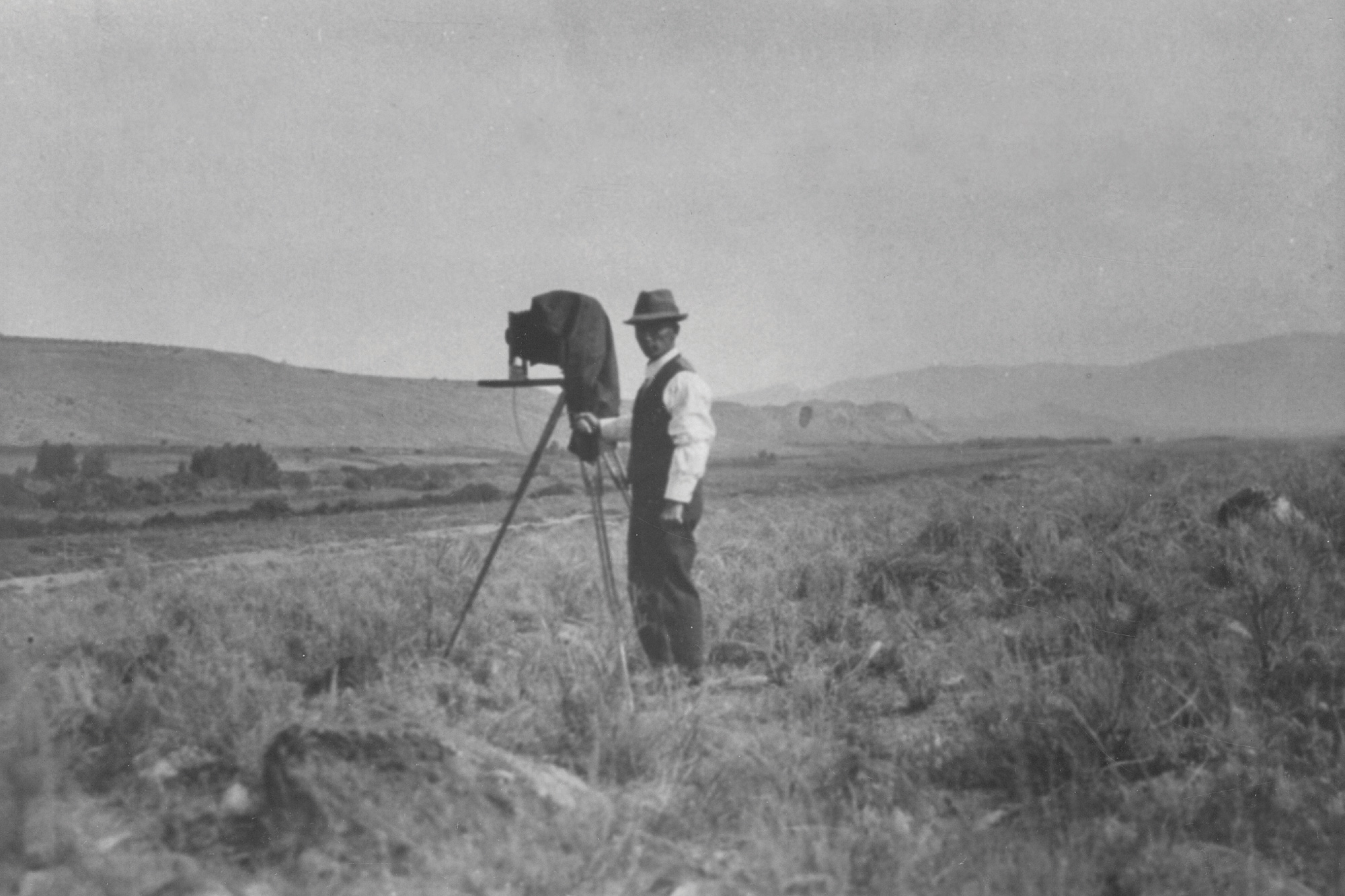
Filmmaker Beth Harrington embarked on a fateful road trip in 2002, leading her to the Washington State History Museum in Tacoma, where an exhibition of Edward S. Curtis’s iconic but often romanticized photographs of Native Americans captured her attention. Amidst these well-known works, Harrington discovered images by lesser-known contemporaries, and one particular photographer, Frank Matsura, immediately distinguished himself. His work, she observed, possessed a "completely different character," an authentic vibrancy that stood apart from the more staged or ethnographic approaches common at the turn of the 20th century. This serendipitous encounter ignited a two-decade journey culminating in her feature-length documentary, Our Mr. Matsura, released in 2025.
Matsura’s photographs, rendered in striking black-and-white, radiate a unique warmth and connection to his subjects. A Japanese immigrant navigating the complex social landscape of early 20th-century America, Matsura didn’t merely document; he engaged. He forged deep relationships with the people he photographed, often playfully posing alongside them, reflecting a remarkable level of trust and familiarity. His lens captured a diverse cross-section of life in Okanogan, Washington, from the white settlers carving out new lives on the frontier to the Indigenous people residing on the sprawling Colville Indian Reservation. Unlike many photographers of his era who approached Native communities with a predetermined narrative of a "vanishing race," Matsura focused on the lived realities, the resilience, and the everyday existence of individuals and families.

From 1903 until his untimely death in 1913, Matsura made Okanogan County his home and his studio. He passed away at the age of 39, a victim of tuberculosis, leaving behind an astonishing collection of thousands of images. Yet, beyond these visual records and the basic facts of his presence, much of his personal life remains shrouded in mystery. This lack of detailed biographical information only amplifies the allure of his photographic legacy, prompting generations to piece together the narrative of "Frank" through the very faces and landscapes he immortalized. More than a century after his death, the communities he documented continue to cherish his memory and his unparalleled visual chronicle.
Harrington, who moved to the Pacific Northwest from Boston in the early 2000s, found herself drawn to Matsura’s enigmatic story. Her documentary, Our Mr. Matsura, reflects the collective affection and individual interpretations that have kept his spirit alive. "The idea behind the title is that everybody has a point of entry," Harrington explained, highlighting the communal ownership of Matsura’s narrative. "Everyone thinks they have a little window into who he is. And there’s a collective sense of who he is because of those little impressions." The film itself becomes a mosaic of these impressions, weaving together historical context, community anecdotes, and the profound impact of Matsura’s work.
Last September, the restored Omak Theater served as a testament to Matsura’s enduring local relevance, hosting a screening of Harrington’s film for approximately 300 attendees. Among them was Douglas Woodrow, a lifelong resident whose connection to Matsura’s imagery began in childhood. Growing up in Okanogan in the late 1950s, Woodrow recalled how the local newspaper regularly featured Matsura’s historical photographs, offering glimpses into a bygone era. These images sparked his imagination, prompting him to bike to the sites depicted, comparing the contemporary landscape with the grandeur of structures like the majestic three-story Bureau Hotel, which tragically burned down in 1924. He envisioned it as "a bit of elegance in an otherwise dusty little town," a stark contrast to the changes time had wrought.

Decades later, Woodrow reconnected with "Frank," as Matsura’s contemporary admirers affectionately call him, while volunteering with the Okanogan County Historical Society. His dedication led to a remarkable discovery: "a literal shoebox" overflowing with unprocessed Matsura photographs. When meticulously sequenced, these images revealed a detailed visual narrative of the 1910 construction of the Conconully Dam, an early and significant project by the Bureau of Reclamation on Salmon Creek. This find "lit [him] up," transforming his understanding of Matsura’s scope and ambition. Presenting these newly organized photographs to community groups became Woodrow’s initial foray into preserving Matsura’s legacy, a project that evolved into far-reaching efforts. His fascination propelled him to Tokyo, where he visited Matsura’s birthplace alongside his friend and fellow enthusiast, Tetsuo Kurihara, a Japanese photographer who had journeyed to Okanogan for research. Back home, Woodrow spearheaded the establishment of an interpretive site near Matsura’s former studio and initiated a walking tour featuring 21 mural-sized photographs, ensuring that Matsura’s presence remained palpable in the modern town. Woodrow often marvels at Matsura’s "extraordinary social mobility," noting how the photographer was embraced by "all the social strata" of Okanogan – tribal members, newly arrived white businessmen, miners, and saloon-goers alike.
Randy Lewis, a Wenatchi (P’Squosa) elder and esteemed member of the Confederated Tribes of Colville Reservation, is one of many descendants of Matsura’s subjects featured in Our Mr. Matsura. Lewis has actively participated in regional screenings of the film, including a memorable "barn screening" in Winthrop, Washington, which was complemented by a traditional salmon bake. His family narrative powerfully illustrates the enduring impact of the world Matsura captured. The documentary highlights a photograph of Lewis’s great-uncle, Sam George, with his family in a buckboard wagon – what Lewis humorously describes as "the F-250 of the time." This photograph held a place of honor in the family home when Lewis served as caretaker during George’s final years. Lewis recounted how his great-uncle would sit "staring at that picture," using it to "keep his mind going" by recalling the name and birthday of everyone in the wagon.
Sam George, who lived to be 108, was born in 1860, predating the 1872 formation of the Colville Indian Reservation. His exceptionally long life bore witness to a tumultuous period of immense change for Indigenous peoples in the American West. He experienced the subsequent reduction of the reservation, the implementation of the Dawes Act, or "allotment era," which sought to break up tribal lands into individual holdings, and the dramatic influx of gold-seekers and homesteaders. George and his family, like many Native communities, maintained traditional seasonal fishing practices, holding a platform at the ancient Celilo Falls. This sacred and bountiful fishing ground, one of the richest on the continent, was tragically inundated in 1957 with the construction of The Dalles Dam, a profound loss that altered the cultural and economic life of many tribes. Matsura arrived on the reservation during this period of intense cultural transition, a time when, as Lewis poignantly observed, "both cultures," Native and settler, were evolving. Matsura’s lens captured "life going on," a vital counter-narrative to the prevailing "death toll of the Indians" trope that characterized much of the photography and ethnography of the time. His images offer an invaluable perspective, showcasing adaptation, community, and continuity rather than simply decline.

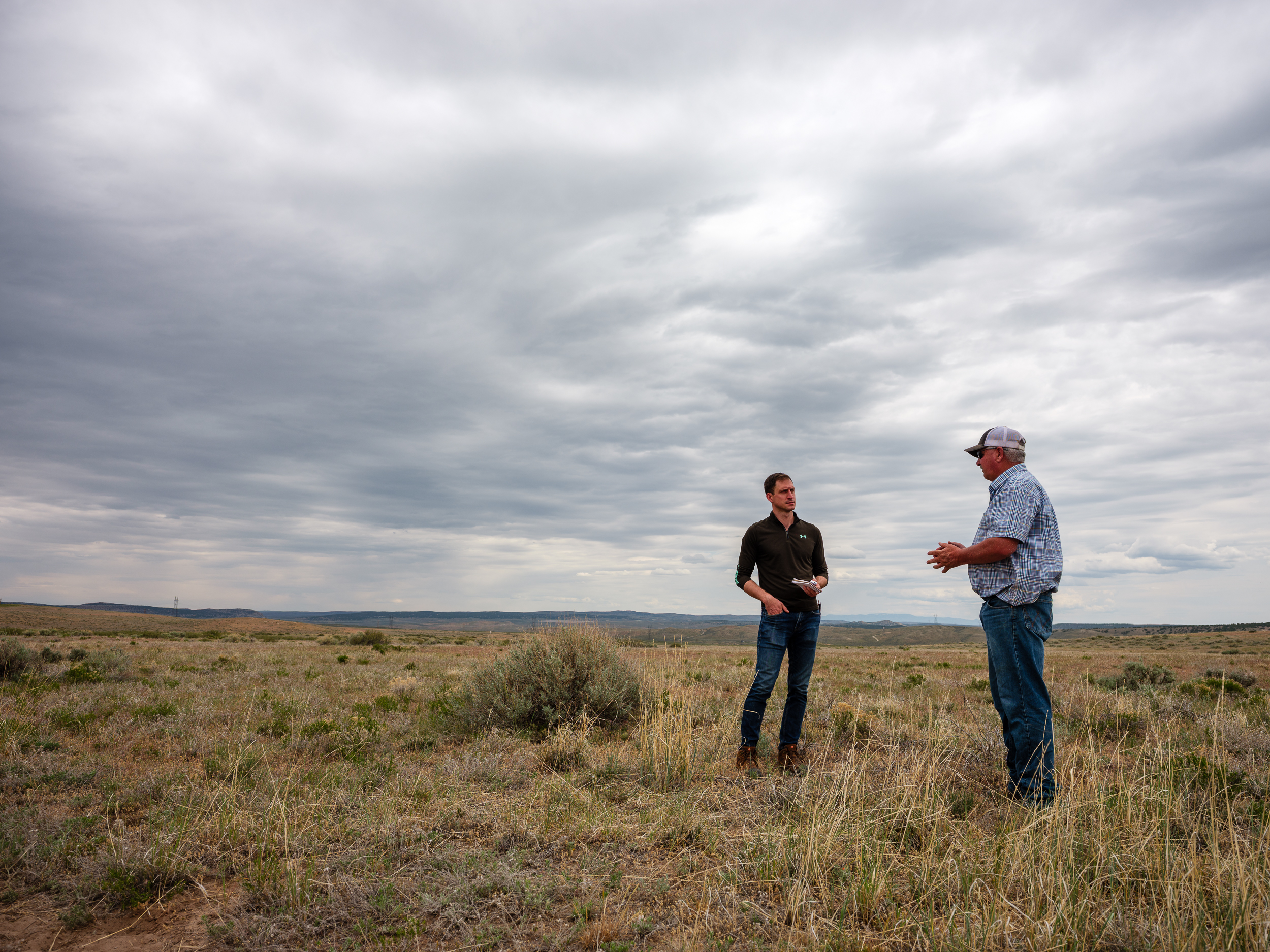
Our Mr. Matsura is not solely a portrait of the photographer; it is equally a vivid portrayal of Okanogan County itself. Harrington’s film underscores the isolated, rugged beauty of a landscape that, in many ways, has retained its essential character since Matsura first arrived. Jean Berney, a longtime rancher and farmer who lives just outside Conconully, describes her home as "off the beaten track for a lot of people." An enrolled member of the Colville Confederated Tribes, Berney married into a non-Native cattle-ranching family and built her own herd, earning a national reputation for her conservation-minded approach and dedication to the 4-H program, which fosters youth development in agriculture. Her land holds a historical secret: it was once the site of The Conconully Naturpathy Institute, locally known as Casselmann’s Sanitarium, established in 1906 by a German immigrant, Dr. Casselmann, to treat tuberculosis patients. Many locals believe Matsura himself may have been a patient, suggesting that the region’s dry climate, known for its therapeutic qualities, might have been a factor in his decision to settle there. Berney often contemplates Matsura’s arduous journeys across this rocky terrain, reflecting on the mysteries that persist. "Did he ever talk to Dr. Casselmann about his condition? How long was he sick? We wonder about Frank and everything that happened a long time ago, and we can’t ask," she muses, highlighting the enduring human curiosity surrounding the photographer’s personal struggles.
Our Mr. Matsura joins a growing body of scholarship and appreciation dedicated to the photographer. This resurgence includes the tireless efforts of volunteers at the Okanogan County Historical Society, as well as the academic contributions of Michael Holloman, a tenured art professor at Washington State University. In 2023, Holloman co-curated a significant exhibition of Matsura’s work for Spokane’s Northwest Museum of Arts and Culture, further cementing his place in the regional and national art historical canon. This was followed by the publication of his comprehensive book, Frank S. Matsura: Iconoclast Photographer of the American West, in 2025. Holloman, himself an enrolled member of the Confederated Tribes of the Colville Indian Reservation, emphasizes the contemporary relevance of Matsura’s approach. "We need people to be like Frank right now," Holloman asserts, "to engage multiple communities and be able to find life, vibrancy, in a world that is in transformation and change." This sentiment underscores Matsura’s unique ability to transcend cultural divides and capture shared humanity, a message that resonates deeply in today’s interconnected yet often polarized world.
Despite the critical acclaim and community resonance, the widespread release of Our Mr. Matsura faces an uphill battle. The film was initially slated for broadcast on The American Experience, the prestigious PBS historical documentary series. However, federal funding cuts last summer led to the cancellation of the long-running show, creating a significant hurdle for independent filmmakers like Harrington. While the road ahead will be considerably more challenging, Harrington remains committed to ensuring the film finds its audience through festivals, streaming platforms, and special community screenings, much like the successful event in Omak. She laments the broader implications of such funding cuts, stating, "There’s a lot of worthy things that we can’t put a dollar value to. These stories… we’re poorer for them when we don’t have them." The preservation and dissemination of nuanced historical narratives, particularly those from marginalized perspectives, are vital for a comprehensive understanding of national identity and cultural heritage.

At the Omak screening, Harrington received heartfelt gratitude for "mirroring" the kind of trust Matsura had built with his subjects in the community over a century prior. Yet, the filmmaker was quick to reciprocate the compliment, acknowledging the profound impact of the community’s dedication. "The story is not just about Frank and his charisma and his incredible body of work," she reflected, "It’s about the way people uphold his memory and still talk about him 112 years after his death." This ongoing remembrance, passed down through generations, transforms Matsura from a historical figure into an active participant in the community’s collective memory, a testament to the enduring power of a photographer who saw and celebrated the vibrant life around him, leaving an irreplaceable visual legacy for the world.