Roger Danuarta
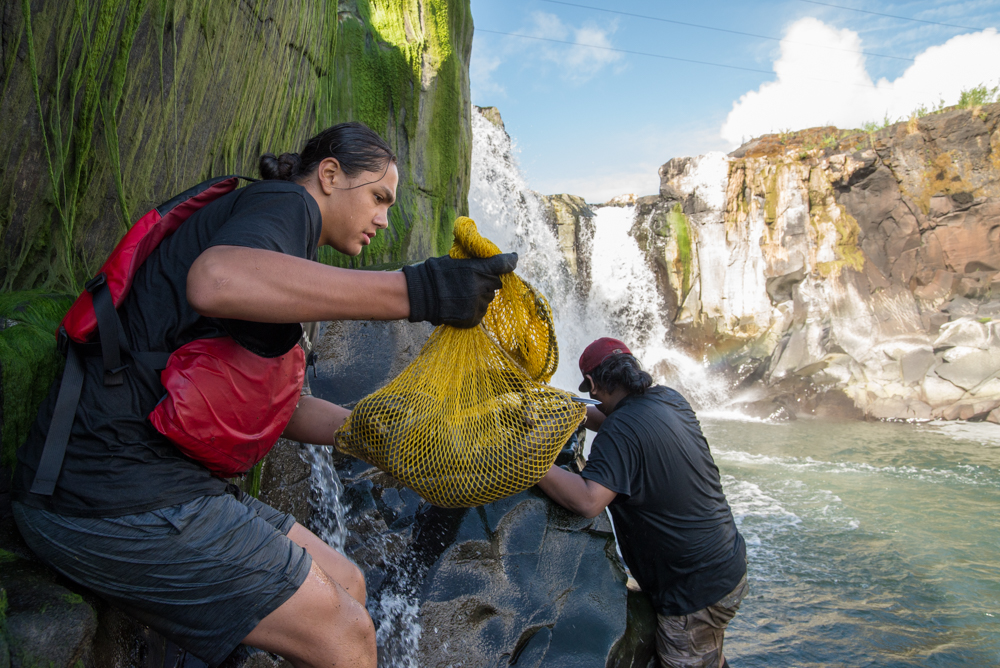
A remarkable display of intelligence along the rugged coast of British Columbia has captivated the scientific community, prompting a re-evaluation of canine cognitive abilities. In 2023, environmental wardens of the Heiltsuk Nation, known as Guardians, observed a peculiar phenomenon: the traps they had set to control the proliferation of invasive European green crabs were consistently being vandalized, their contents meticulously plundered. Initially, suspicions pointed towards marine mammals like otters or seals, but remote camera footage soon unveiled the true culprits: gray wolves. One astonishing video captured a female wolf emerging from the frigid waters, a buoy attached to a trap line firmly gripped in her jaws. With deliberate movements, she methodically pulled the line, hauling the entire trap onto the beach. What followed was a precise act of deconstruction: she chewed through the netting, skillfully extracted the bait cup, and consumed the herring and sea lion scraps before retreating into the wilderness. Another recording showcased a different wolf demonstrating similar ingenuity. This unprecedented behavior has ignited a fervent debate among scientists globally: does this intricate manipulation of human-made devices constitute intentional tool use by wild canids, or is it an extraordinary example of advanced problem-solving? While the inherent intelligence of wolves is universally acknowledged, these observations suggest a level of cognitive sophistication previously underestimated. The ability to understand the function of a trap, extract it from its submerged environment, and systematically dismantle it to access a reward points to complex reasoning, adaptability, and an impressive capacity for learning within a novel ecological niche. This interaction underscores the dynamic relationship between apex predators and human activities, raising questions about how wildlife adapts to and exploits anthropogenic structures, and further enriching our understanding of animal cognition in a rapidly changing world.
Further south, in California, a powerful movement for diversity and inclusion in outdoor and environmental spaces has garnered significant financial support, thanks to the creative activism of drag performer Pattie Gonia. Embarking on an ambitious 100-mile hike, adorned in full drag, from the scenic Point Reyes National Seashore down the picturesque coastline, Pattie Gonia undertook a week-long journey that culminated in a triumphant crossing of the Golden Gate Bridge into San Francisco. Documenting her "drag slowly decomposing" on social media, her unique campaign aimed to raise $1 million for eight Black, Indigenous, and People of Color (BIPOC) and queer-led nonprofits dedicated to fostering inclusivity and equity in the outdoors. The initiative resonated deeply, ultimately surpassing its goal by raising an astounding $1,167,000. This remarkable sum, averaging over $10,000 per mile walked, will empower organizations working to dismantle systemic barriers, provide access to nature, promote environmental justice, and cultivate a sense of belonging for historically marginalized communities in conservation and outdoor recreation. The success of this campaign highlights the growing recognition of intersectional environmentalism, where social justice and ecological stewardship are inextricably linked. It demonstrates the profound impact of combining unique advocacy with digital engagement to champion critical causes, inspiring a broader movement for equitable access to nature and environmental leadership worldwide.

Meanwhile, in Colorado, a beloved arachnid ambassador is transitioning into a well-deserved retirement, leaving behind a legacy of dispelling fear and fostering appreciation for often-misunderstood creatures. Rosie, a Chilean rose hair tarantula, has dedicated 28 years of her life to public service at the Butterfly Pavilion in Westminster, a suburb of Denver. Since 1995, Rosie has been the face of the invertebrate zoo’s efforts to cure arachnophobia, gently clambering onto the hands of nearly 3 million visitors during countless "meet and greet" sessions. Her docile nature and the unique opportunity to interact with her helped countless individuals confront and overcome their fear of spiders, transforming apprehension into curiosity and respect. However, the rigorous demands of such a public role have led to a significant policy shift. Rosie, alongside her colleague Goldie the Chaco golden knee tarantula, will now enjoy a peaceful retirement. The decision reflects an evolving understanding of ambassador animal welfare, where institutions prioritize the long-term health and natural behaviors of their charges. Sarah Stevens, director of animal collections, emphasized that "the science around ambassador animal care has evolved, and Butterfly Pavilion is evolving with it." While Rosie will no longer be handled, she will continue to be featured in a dedicated exhibit, allowing her to inspire future generations without the stress of constant human interaction. Her enduring legacy is the profound impact she had on changing public perceptions, helping millions recognize spiders not as terrifying pests, but as vital and fascinating members of our global ecosystems.
Finally, the Pacific Northwest continues to be a nexus of cultural richness and ecological wisdom, where ancient narratives offer profound insights into humanity’s relationship with the natural world. Long before Bigfoot became a figure of sensationalized American popular culture, Indigenous peoples across North America revered the elusive being by various names, including Sasquatch, Istiyehe, or Stiyahamas, regarding it not as a monstrous cryptid, but as a respected relative, protector, and spiritual guide. These traditions emphasize Bigfoot’s role as a teacher, imparting lessons on how to live in harmony with the land and uphold ecological responsibilities. This deep cultural connection is beautifully explored in the short film "Guardian of the Land," produced by Oregon Public Broadcasting. The documentary weaves together oral histories and contemporary stories from four prominent Indigenous artists and thought leaders, offering an authentic perspective on this revered figure. The film emerged from the "Sensing Sasquatch" exhibit at the Oregon High Desert Museum in Bend, Oregon, which served as a crucial platform for Indigenous artists from the Pacific Northwest to interpret the cultural function and profound spiritual meaning of this mythical spirit. As film director LaRonn Katchia eloquently states, "Bigfoot is a relative that reminds us of our responsibility to take care of the land." This powerful narrative underscores the enduring importance of traditional ecological knowledge and Indigenous voices in contemporary conservation efforts, offering a vital counter-narrative to mainstream portrayals and fostering a deeper appreciation for the intricate spiritual and environmental bonds that connect humanity to the wild. "Guardian of the Land" is available for streaming on YouTube and the PBS app, providing global audiences with an opportunity to engage with these invaluable cultural perspectives.