Rocky Georgio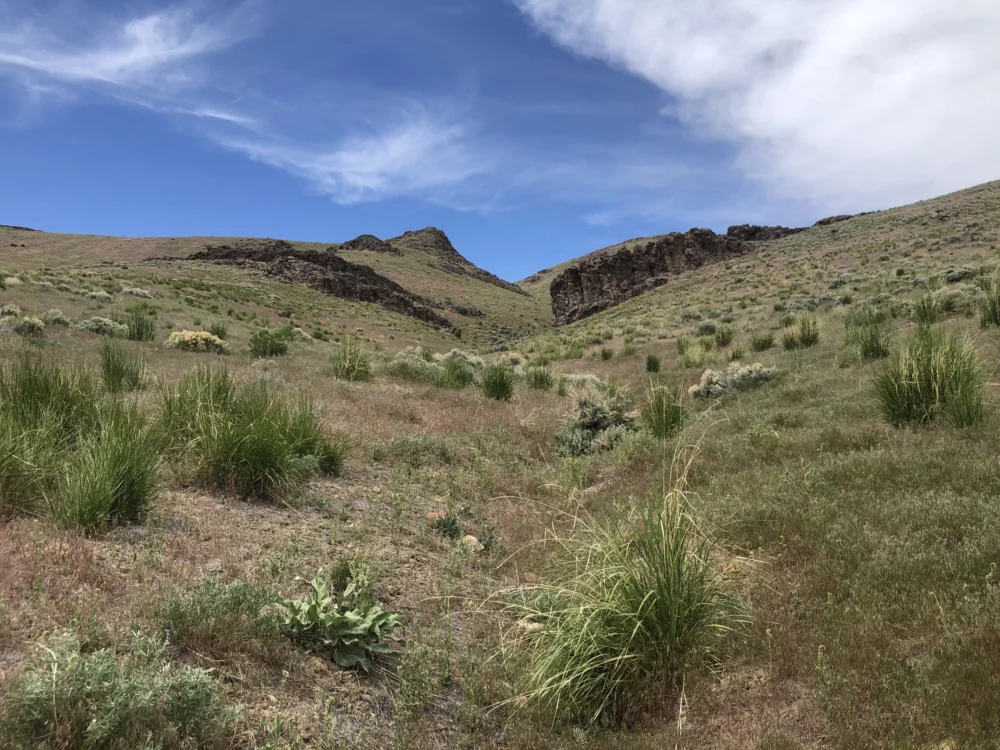
Karen Budd-Falen, a high-ranking official within the Department of the Interior, has undisclosed financial connections to the contentious Thacker Pass lithium mine in northern Nevada, a project that experienced accelerated approval processes during the previous administration. Recent months have seen the current administration acquire an equity stake in both the mine and its parent company, underscoring the project’s strategic importance. Following an unexplained delay, financial disclosure documents recently obtained revealed Budd-Falen’s family’s significant land holdings, including Home Ranch LLC, a Nevada ranching operation valued at over $1 million. Public records from Nevada’s business search database indicate that Frank Falen, Karen Budd-Falen’s husband, was listed as the manager of Home Ranch LLC as of February 2022.

In November 2018, shortly after Karen Budd-Falen joined the Interior Department as a senior legal official in the first Trump administration, Home Ranch LLC entered into an agreement to sell water rights to Lithium Nevada Corporation, the developer of the Thacker Pass mine. The financial terms of this transaction remain undisclosed, according to a filing with the Securities and Exchange Commission that lists Frank Falen. Further evidence of the connection appears in regulatory planning documents submitted by Lithium Nevada to federal agencies during the initial Trump term. A monitoring plan for Thacker Pass, dated July 2021, specifically outlines the company’s intention to utilize existing stock water wells owned by Home Ranch LLC to assess potential water drawdown impacts resulting from mining activities.
These water rights agreements and related records raise significant questions regarding potential conflicts of interest, particularly given Budd-Falen’s current role as associate deputy secretary to Interior Secretary Doug Burgum, a position that does not require Senate confirmation. She also held a prominent legal position within the Interior Department during President Trump’s first term. Her official calendar from that period includes an entry for a meeting scheduled on November 6, 2019, noting "lunch with Lithium Nevada."

In 2019, Lithium Nevada, a subsidiary of the Canadian firm Lithium Americas, was actively pursuing expedited approval for the Thacker Pass open-pit mine. By January 2021, in the final days of the Trump administration, the Bureau of Land Management granted its approval for the project, which encompasses approximately 5,700 acres of public land. This $2.2 billion mining endeavor has ignited substantial opposition from indigenous tribes and environmental organizations. Critics contend that the mine poses a serious threat to vital water resources, jeopardizes endangered species, and encroaches upon sacred cultural sites. Thacker Pass, known as Peehee Muhhuh by the Paiute Shoshone people, holds historical significance as the site of a documented massacre of at least 31 Paiute individuals in 1865.
During the first Trump administration, Budd-Falen was considered for the role of Bureau of Land Management director. However, she declined the position after learning that she and her husband would be required to divest their interests in their family ranches to avoid conflicts of interest, as she reportedly stated to The Fence Post in 2018. Since her return to government, the Trump administration has renewed its efforts to advance the Thacker Pass project as part of a broader national strategy to bolster domestic production of critical minerals. In September, an agreement was reached with Lithium Americas, whereby the administration would acquire a 5% equity stake in both the Thacker Pass mine and the parent company, in exchange for releasing loan funds from the Department of Energy.

Budd-Falen’s contributions at the Interior Department have largely occurred away from public view, and details regarding her specific areas of focus since her reappointment remain limited. Notably, the department has yet to release her ethics agreement, which would typically delineate any companies or projects from which she must recuse herself. Kyle Roerink, executive director of the Great Basin Water Network, a water conservation advocacy group based in Nevada, expressed concern, stating, "Did she have any oversight of the environmental review process regarding Thacker Pass? It is a big question. If she didn’t recuse herself, it would fly in the face of the impartial decisionmaking that Americans expect from government officials." The implications of these financial ties and potential conflicts of interest continue to be a focal point of scrutiny as the Thacker Pass project moves forward, highlighting the complex interplay between resource development, environmental protection, and governmental ethics. The global demand for lithium, a critical component in electric vehicle batteries and renewable energy storage, is driving significant investment in domestic mining projects like Thacker Pass, intensifying the debate over how to balance economic imperatives with environmental stewardship and indigenous rights. As nations worldwide strive to transition to cleaner energy sources, the responsible and ethical development of critical mineral resources becomes paramount, demanding transparency and accountability from both industry and government.