Roger Danuarta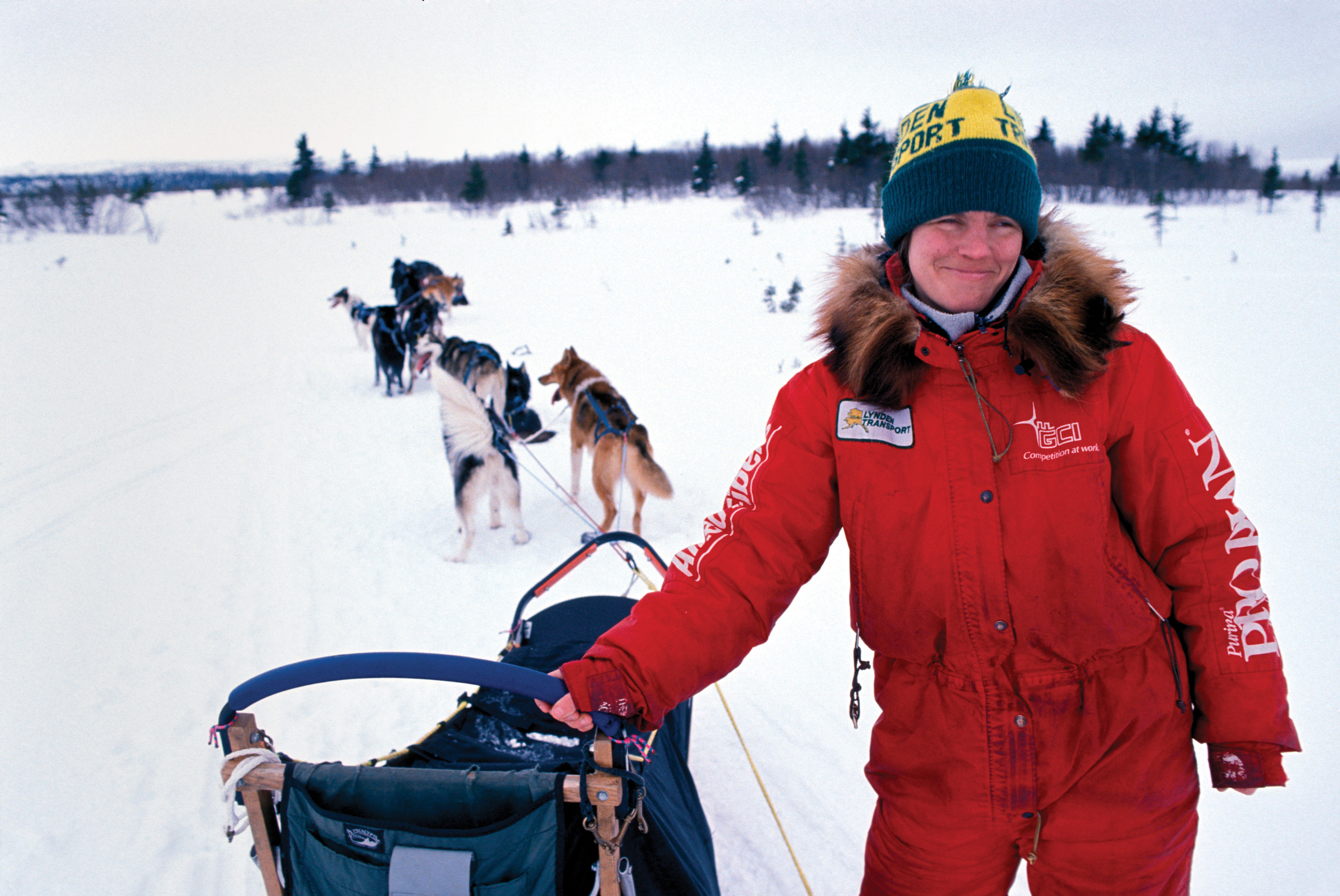
In the dimly lit, warm confines of a rustic Alaskan lodge, permeated by the comforting scents of frying burgers and fresh-cut French fries, a palpable energy centered around one woman. It was the late 1980s in Unalakleet, a pivotal checkpoint along the arduous Iditarod Trail Sled Dog Race, and the air buzzed with the presence of a legend. This was no ordinary gathering; it was a testament to the magnetic power of Susan Butcher, an Iditarod hero whose dogs and sled, still awaiting their host family’s yard, had just completed a grueling segment of the 1,000-mile odyssey across the Alaskan wilderness.
For a 10-year-old standing cautiously behind her father, chin tucked to chest and breathing shallowly, the scene was overwhelming. The woman commanded attention effortlessly, answering questions, laughing, a beacon of strength and charisma. The young observer, uncharacteristically shy despite a burning desire to meet her, felt a reverence akin to being in a sacred space. "Do you want to get her autograph?" her father asked, a gentle prod to a small hand clutching a notebook and pen in a parka pocket. The child’s "freeze response" was fully engaged; the profound awe of the moment, a wonderful fear, silenced her, a valuable lesson yet unlearned about the rewards found beyond the threshold of trepidation.
This pivotal encounter took place at Brown’s Lodge, a log cabin that doubled as a burger joint and boarding house, owned by the child’s father’s cousin. It was a bustling hub during the Iditarod, an event that had, by then, captured national attention, even drawing sportscasters like Pat O’Brien, who famously signed an aunt’s three-wheeler gas tank that day. But all eyes were on Susan Butcher. Her stop in Unalakleet was just another waypoint on her path to Nome, where she would clinch her third consecutive Iditarod victory, a groundbreaking feat no musher had ever achieved. Two years later, she would win again, cementing her status as one of only two mushers at the time to claim four Iditarod career championships.

Butcher was more than just a champion; she was a cultural phenomenon. She was the subject of widespread conversation, admired by many, yet provocatively disliked by some, particularly men who found her success unsettling in a sport long dominated by male figures. Alongside fellow champion Libby Riddles, the first woman to win the Iditarod in 1985, Butcher inspired a now-iconic sweatshirt proclaiming: "Alaska… WHERE MEN ARE MEN and Women win the Iditarod." This slogan encapsulated the shifting narrative of the race and the broader struggle for gender equality in demanding athletic arenas.
During those formative years, the young observer keenly noted the undercurrents of discontent. Some male family members would dismissively remark, "She babies her dogs." Even decades after her passing, the sentiment persisted, with some still referring to her as a "witch." The media, too, often framed her approach with a subtle skepticism, as if prioritizing the physical and emotional well-being of her canine athletes was a weakness rather than a strength. Yet, it was precisely this "care" that became her revolutionary advantage. Today, comprehensive dog care is not merely encouraged but is a stringent requirement, without which the very integrity of the Iditarod would be jeopardized. The shift in paradigm, where the welfare of the dogs is paramount, owes an immeasurable debt to pioneers like Butcher, who demonstrated that victory was not born from dominance but from a profound bond forged through meticulous attention and empathy.
"Care" in Butcher’s lexicon was not a soft, indulgent approach but a sophisticated strategy rooted in deep understanding, perception, and responsiveness. She didn’t compel obedience from her dogs; she cultivated trust. Her victories were a testament to the powerful, symbiotic relationship she fostered with her team, a standard that every aspiring musher now strives to achieve. Her method transcended the prevailing ethos of brute force and control, offering a powerful counter-narrative to traditional patriarchal values that often prioritize assertion of power and dominance.
For that 10-year-old, Susan Butcher’s existence normalized the idea of fierce competition between men and women. Long before an understanding of feminism took root, Butcher demonstrated that women could shatter boundaries, exhibit immense strength, excel, and ultimately triumph. She taught that women could not only stand shoulder-to-shoulder with men but could, in many instances, surpass them. And perhaps most powerfully, she showed that enduring the indignity of being called "witches" or worse, while continuing to push forward and win, was a path to profound and lasting impact.

As an adult, Susan Butcher’s legacy continues to resonate, affirming the power of following one’s innate instincts of care. In a world that frequently valorizes control, the exertion of power, and even subtle forms of aggression, her life served as a living blueprint for excellent leadership and championship achieved through nurturing, astute observation, and responsive action. Her triumphs underscore the imperative to discard unsustainable, harmful paradigms rooted in control, entitlement, ownership, and violence. Butcher’s life and achievements powerfully reaffirm the need to embrace what is sustainable, humane, and ultimately, more effective.
The annual arrival of Iditarod teams in Unalakleet has always been a source of excitement. Since the race’s inception in 1973, mushers have passed through this coastal village, approximately 775 miles into the journey, marking it as the first checkpoint on the Bering Sea coast. In the race’s earlier days, mushers often relied on the hospitality of local host families along the trail, a tradition that offered a unique glimpse into the lives of these endurance athletes. The narrator fondly recalls begging her mother to host a musher, only to be met with humorous rejections about their inevitable "dirtiness and stink"—a testament to a mother’s pride in a clean home.
Today, Unalakleet continues its significant role in the Iditarod. The first musher to reach the town is bestowed with the coveted "Spirit of Alaska Award," which includes a generous prize of $3,000 in gold nuggets. This ceremony, often held outdoors regardless of the harsh March weather, frequently in the dead of night, draws crowds of camera crews, reporters, race officials, veterinarians, and local residents of all ages, as the golden nuggets clink ceremoniously in a brass bowl. For many Alaskans, the Iditarod, arriving in March, is more than a race; it is a profound cultural marker, signaling the gradual return of the sun’s warmth and the eagerly anticipated onset of spring.
This spring, as the planet tilts towards the sun, the memory of that shy 10-year-old, who never got Susan Butcher’s autograph, yet absorbed so much, remains vivid. She remembers hearing a woman, who knew precisely what she was doing and did it with unparalleled excellence, being spoken of poorly. If Susan Butcher could fundamentally alter the standards of care for thousands of dogs across a thousand miles of unforgiving Alaskan terrain, her story offers a powerful testament to the potential for individual action to spur profound change. Through unwavering care and the embrace of our own authentic instincts—even if met with dismissive labels—we too can push boundaries, challenge norms, and ultimately, triumph in our own endeavors, leaving a legacy of progress and compassion.