Johny Prima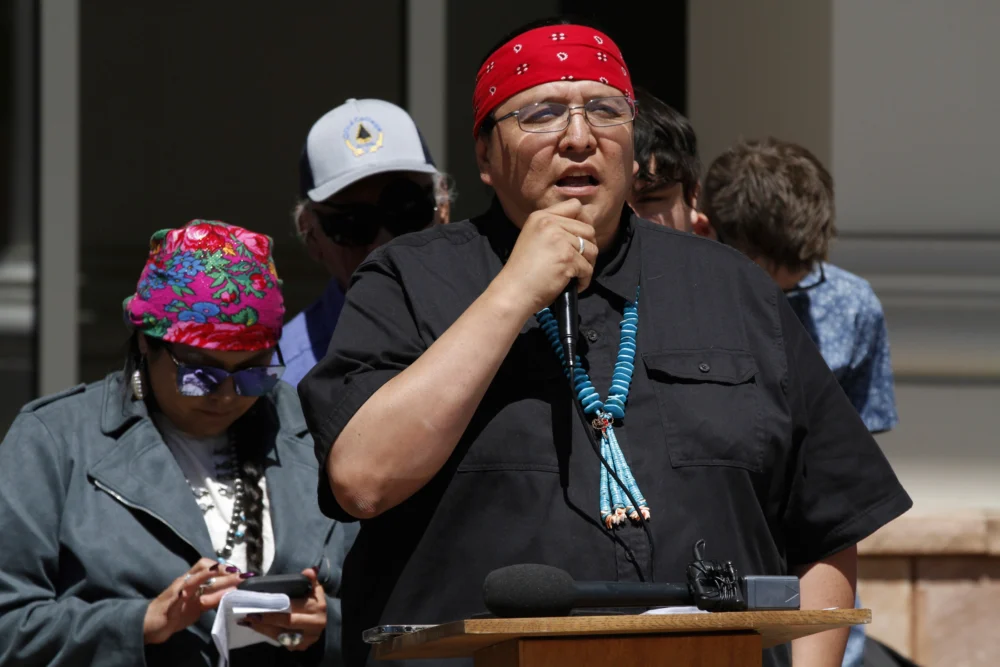
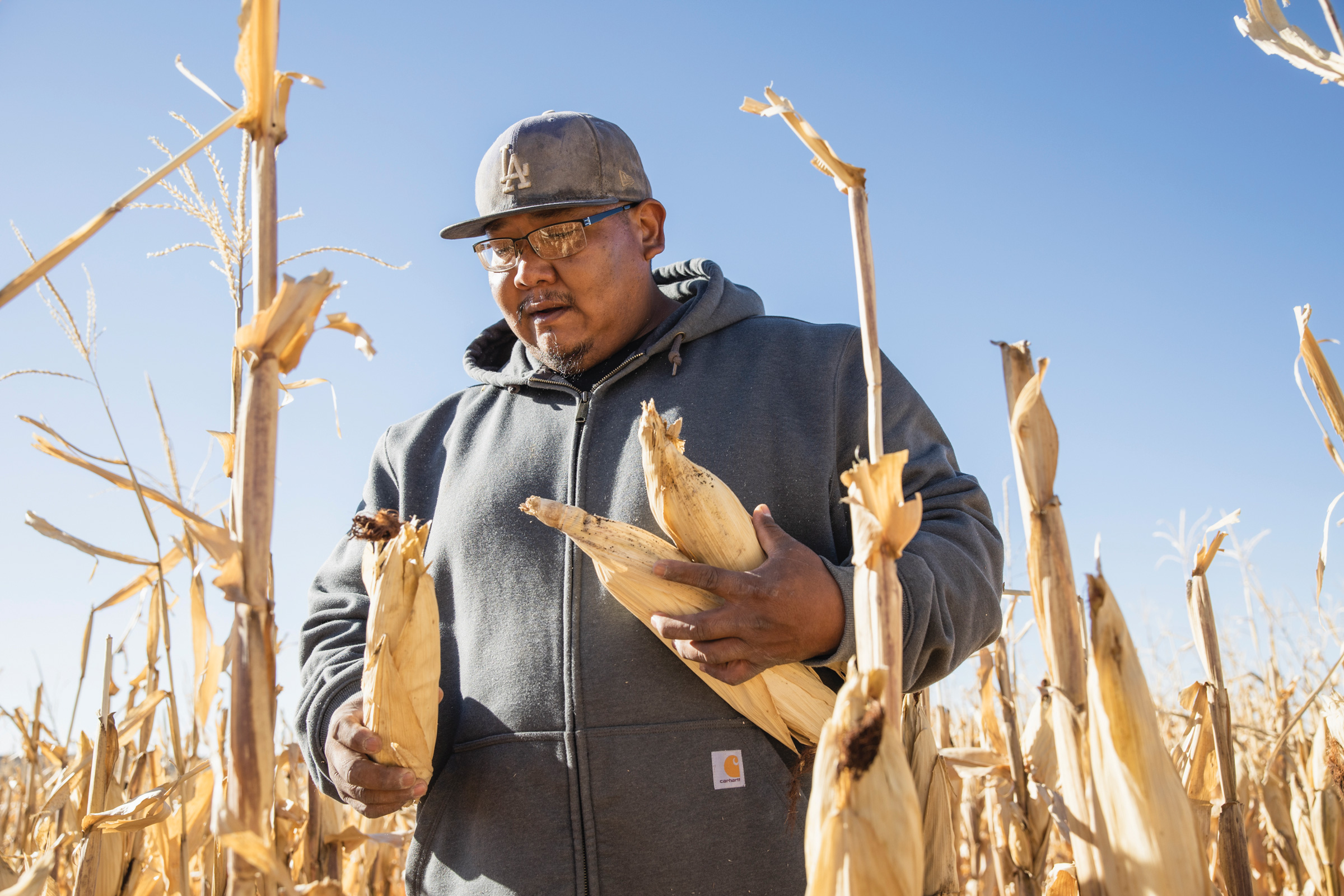
The tranquil, ancestral lands of the Diné people in Counselor, New Mexico, once held profound meaning for Mario Atencio, a place where he cherished visits to his grandmother and immersed himself in a traditional Navajo lifestyle, surrounded by lush greenery and a thriving array of animals. This idyllic vision of peace and cultural continuity, deeply rooted in the Greater Chaco Landscape, began to fray in 2015 with the aggressive expansion of oil and gas fracking operations, irrevocably altering the serene environment and the very fabric of life for Indigenous communities. By 2019, the once-pristine land and its vital underground water sources succumbed to massive spills, unleashing thousands of gallons of oil and toxic contaminants, silencing the growth of traditional medicinal herbs and driving away rare birds and wildlife, leaving a landscape scarred by industrial encroachment.
In response to this escalating environmental degradation and the perceived governmental negligence, Mario Atencio stepped forward two years ago as the lead plaintiff in Atencio v. State of New Mexico, a pivotal climate litigation case now poised before the state’s highest court. The lawsuit directly challenges the New Mexico Legislature and various state agencies, accusing them of actively contributing to environmental harm in Indigenous territories and, crucially, of failing to uphold their constitutional obligation to prevent detrimental pollution. Atencio articulates a fundamental breach of trust and rights, stating, "The rights that we have as Indigenous people to free, informed, prior consent are being violated. We’ve never had people from the government come and say, ‘This is what’s going to happen to your land and water.’" This assertion underscores a critical aspect of environmental justice, highlighting the often-disregarded sovereignty and self-determination of Indigenous nations in decisions affecting their ancestral lands and resources.
The New Mexico Supreme Court’s recent decision to hear this case signals a significant moment for environmental law and Indigenous rights, potentially aligning with other high-profile climate litigation successes across the United States. Notable among these is Held v. Montana, a landmark ruling where young plaintiffs successfully argued that the state violated their constitutional right to a healthy environment by failing to adequately regulate greenhouse gas emissions. Similarly, youth and Indigenous climate advocates in Hawaiʻi secured a victory against the state’s Department of Transportation, compelling action towards decarbonizing its transportation sector by 2045, despite initial plans for highway expansion. These cases exemplify a growing trend where citizens, particularly younger generations and marginalized communities, are increasingly leveraging state constitutional provisions to demand governmental accountability for environmental protection and climate action.

Margaret Barry, who meticulously tracks climate litigation at Columbia University’s Sabin Center for Climate Change Law, observes a proliferation of similar lawsuits nationwide, with a handful achieving success over the past decade. This surge reflects an evolving legal landscape where state constitutions often provide more robust and explicit duties for governments to proactively safeguard residents’ environmental rights, a contrast to the federal framework. However, the efficacy of these protections varies considerably by state. For instance, in Alaska, the Sagoonick v. State of Alaska case saw a group of young people unsuccessfully challenge a liquefied natural gas project. The Alaska Supreme Court, in March, rejected their argument that the state Constitution’s protection of natural resources for the general public implicitly mandates a livable climate, illustrating the differing judicial interpretations of environmental constitutionalism.
New Mexico’s constitutional foundation for environmental protection dates back to 1971, when voters adopted an amendment explicitly directing the state government to "provide for control of pollution and control of despoilment of the air, water and other natural resources." This powerful directive forms the bedrock of Atencio’s case, which alleges that the state has demonstrably failed in fulfilling these responsibilities. Gail Evans, the Center for Biological Diversity attorney spearheading the lawsuit, draws a compelling analogy: just as the state is constitutionally bound to adequately fund public schools by hiring teachers and setting guidelines, it holds a similar, yet unfulfilled, duty to control oil and gas pollution. Evans contends that New Mexico has "just utterly failed" to equip itself with the necessary tools and resources to protect public and environmental health, pointing to lax enforcement mechanisms and numerous legal loopholes that permit the industry to pollute with minimal repercussions.
Compelling data from the environmental watchdog group Earthworks starkly illustrates the depth of this regulatory deficit. In 2023, the New Mexico Environment Department employed a mere two full-time inspectors to oversee a staggering 56,000 oil and gas facilities across the state. This severe understaffing effectively renders the industry largely self-policing, allowing operators to self-report emissions of harmful air pollutants and greenhouse gases, raising serious questions about accountability and accuracy. The lawsuit further highlights this systemic failure through the experience of Kendra Pinto, another Diné plaintiff, who personally documented a significant methane leak near her home, even after the Environment Department had assured her that no leaks were detected. Such incidents underscore the critical gap between regulatory assurances and on-the-ground realities for communities living adjacent to intensive fossil fuel operations.
The consequences of this regulatory laxity are profound and widespread. Evans notes the ease with which permits for fracking are granted, often "simply for asking," without any comprehensive environmental or public health review by the state. This unchecked proliferation of drilling sites, particularly within the Permian Basin—one of the world’s most prolific oil fields—has led to ambient air quality readings that consistently exceed federal standards. Despite this documented deterioration of air quality and increasing pollution, new wells continue to be permitted in the region, exacerbating environmental and health risks for surrounding communities. These risks include exposure to volatile organic compounds (VOCs), methane, nitrogen oxides (NOx), and particulate matter (PM2.5), all known to contribute to respiratory illnesses, neurological problems, and increased cancer rates.

The potential outcome of Atencio v. State of New Mexico could force New Mexico, the country’s second-largest fossil fuel producer, to fundamentally reform its environmental oversight. However, replicating such legal victories at the federal level remains a significant challenge, as Margaret Barry points out. The U.S. Constitution is primarily structured to limit governmental power and protect civil liberties, rather than to proactively grant rights like a healthy environment, a distinction that often gives state constitutions greater leverage in environmental rights litigation. This was evident in October when a federal judge in Montana dismissed Lighthiser v. Trump. In that case, twenty-two plaintiffs, including several from the successful Held v. Montana state case, argued that the Trump administration’s executive orders rolling back climate protections and boosting fossil fuel production violated their constitutional right to a stable and healthy climate. While the judge acknowledged the plaintiffs were indeed harmed by climate change, the court ultimately ruled that federal courts lacked the authority to compel the government to alter its policy course.
Should the New Mexico Supreme Court rule in his favor, Atencio envisions a future where the state is compelled not only to acknowledge and thoroughly document the detrimental impacts of oil and gas pollution on the health and sacred lands of Indigenous communities but also to take decisive, protective action. This could manifest in a range of impactful measures: a moratorium on new oil and gas development until emissions are significantly reduced, the closure of legal loopholes that currently allow operators to pollute with impunity, a substantial increase in funding for environmental enforcement, and the establishment of larger, more protective buffer zones between drilling sites and sensitive areas such as homes, schools, and cultural sites.
Gail Evans confronts the industry’s common defense head-on: "What’s so shocking to me is that the industry will come forward and say, ‘If you do what the plaintiffs are asking for, you’ll put us out of business.’" She challenges this assertion, questioning whether the industry genuinely cannot operate without causing harm to public health and the environment, emphasizing that the lawsuit’s core demand is simply for responsible, non-damaging operations. The Atencio case, therefore, represents not just a legal battle for environmental justice in New Mexico, but a broader struggle to redefine the balance between economic development and fundamental human rights, particularly for Indigenous communities at the forefront of climate change impacts. It stands as a testament to the enduring fight for a livable planet and the imperative for governments to uphold their constitutional duties to protect their citizens and their shared natural heritage.