Rocky Georgio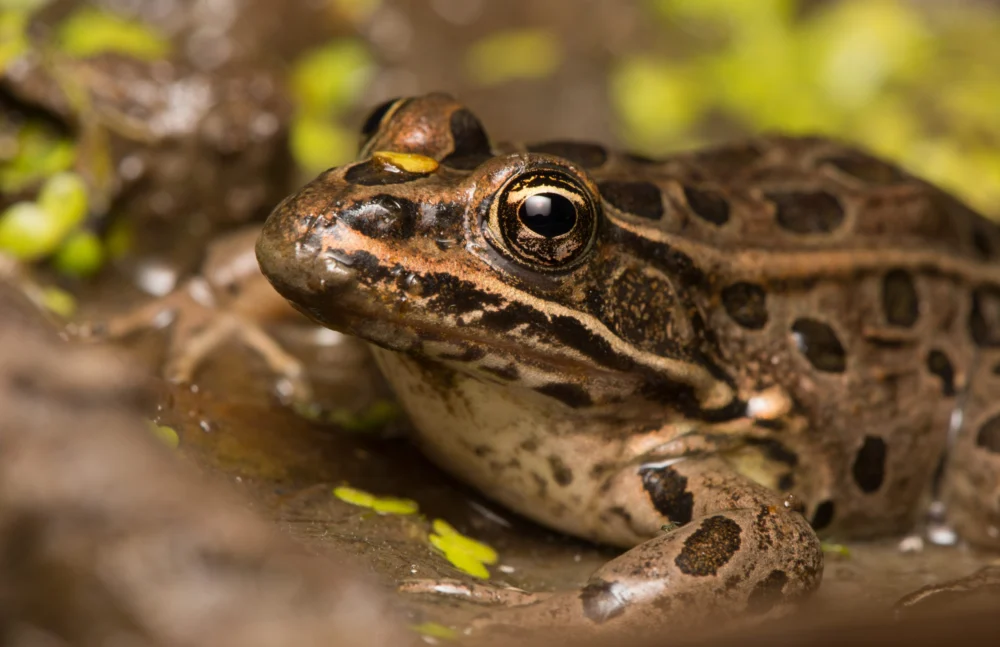
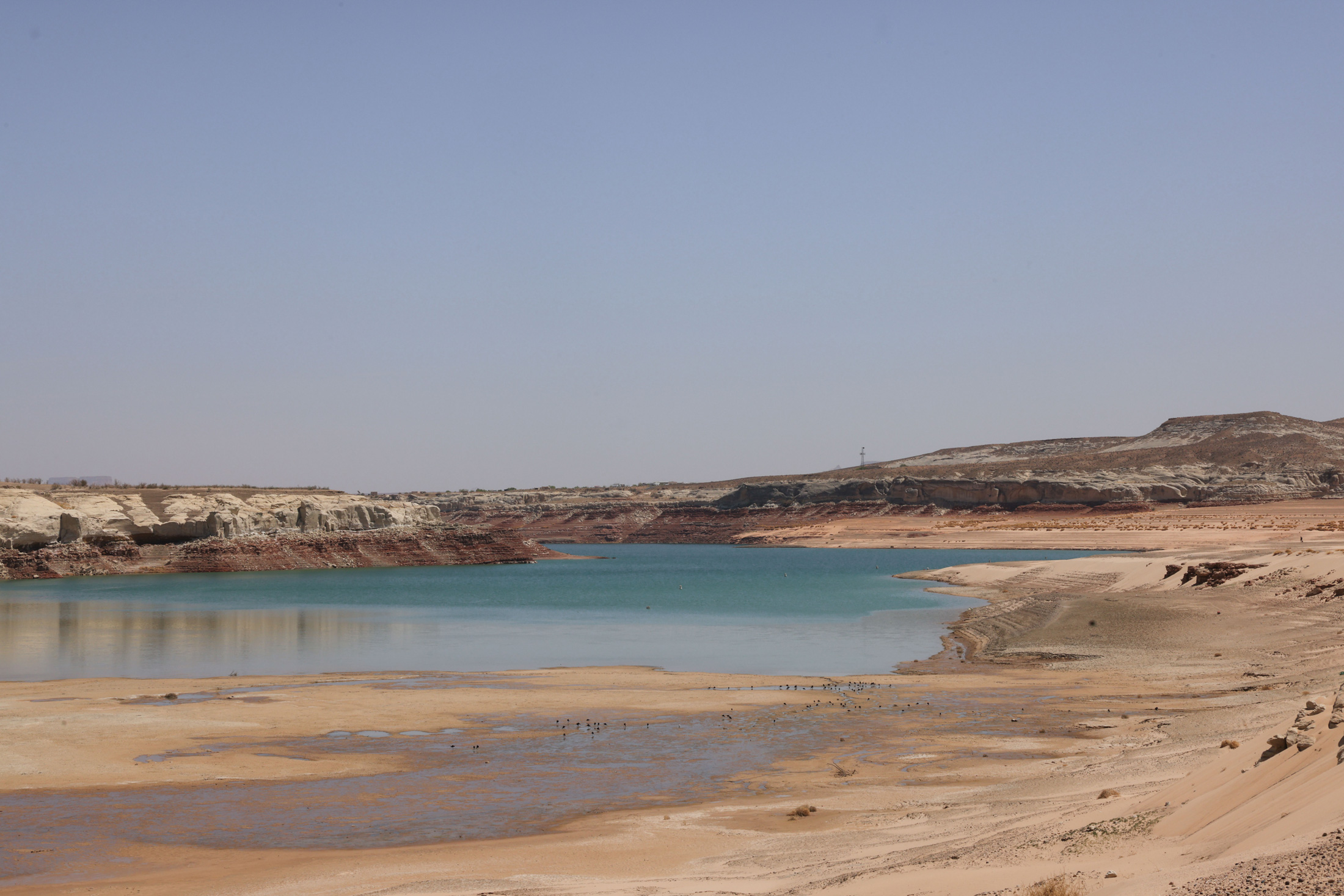
On a sweltering October day, wildlife biologist Wendy Hanophy scanned the muddy shores of the Aurora Reservoir, searching for a creature whose presence or absence held significant weight in a contentious debate over fossil fuel development. While the tracks of raccoons, the calls of killdeer, and the distant figure of a coyote painted a picture of the local ecosystem, the elusive northern leopard frog remained unseen. These amphibians, known for their need for moist skin and their tendency to retreat from midday heat, were likely seeking refuge in the surrounding wetlands, a behavior that underscores their vulnerability. Scientists widely recognize the northern leopard frog as an indicator species, its delicate state a sensitive barometer of environmental health, and its declining numbers place it at significant risk from habitat disruption.
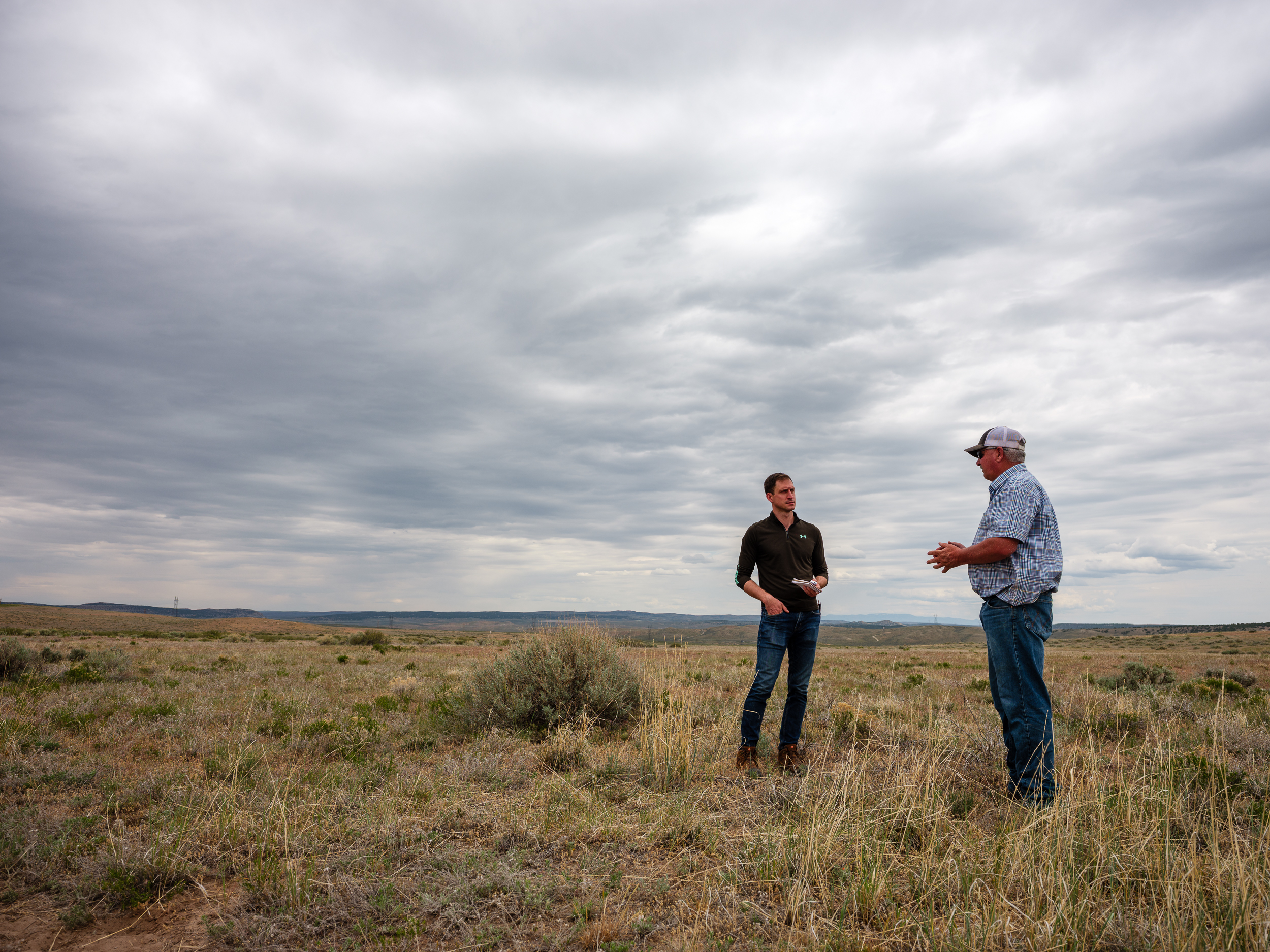
Hanophy, alongside hundreds of concerned residents of Aurora, is banking on the plight of this imperiled amphibian to sway state regulators and prevent Crestone Peak Resources Operating LLC from establishing one of Colorado’s largest oil and gas pads. The proposed 35-acre site, situated less than a mile from the reservoir and densely populated Denver suburbs, is located on a former bombing range. "Frogs will disperse up to three miles as soon as they’ve bred and hatched," Hanophy explained, the dry grass crunching under her hiking boots. "They have to eat, and they don’t stay in the reservoir for that. They are foraging all up and around these areas." Her concern is amplified by the fact that these frogs are difficult to spot, count, and monitor, making their conservation an intricate challenge.
Indeed, the significance of these frogs to the area was recently highlighted by herpetologists commissioned by Save the Aurora Reservoir (STAR), a local residents’ group. Several weeks before Hanophy’s fruitless search, these experts discovered three northern leopard frogs in areas uphill from the proposed drilling site, a discovery that carries substantial weight given recent classifications of the species’ threats. State officials had previously identified "Oil & Gas Exploration & Extraction" as a significant threat to the northern leopard frog in their 2025 wildlife action plan, categorizing the amphibian as requiring "conservation interventions most urgently." This designation further bolsters the case for environmental protections.
The dwindling populations of northern leopard frogs have also captured the attention of the U.S. Fish and Wildlife Service, which is participating in an ongoing case study aimed at restoring habitat for the species in an area northwest of Denver. Early findings from this initiative confirm the frog’s precarious status, identifying it as a "species of greatest conservation need in many Western states" and classifying it as "sensitive, threatened, or endangered." The proposed 32-well State Sunlight/Long pad is part of a larger development plan for the Lowry Ranch, a 26,000-acre property owned and managed by the State Land Board. This picturesque property, located approximately 25 miles southeast of downtown Denver, is increasingly surrounded by rapidly growing suburban communities. The State Land Board itself, in its "2050 Stewardship Framework," echoed the U.S. Fish and Wildlife Service’s conclusion regarding the critical need for undisturbed habitat for these frogs.
The stewardship framework specifically noted that the ranch’s Piedmont grasslands support "several species of conservation concern that require habitat components that are unique and rare." Despite these findings, the State Land Board has entered into a lease agreement with Civitas Resources, Crestone Peak’s parent company, granting permission to drill on the property, with state regulators holding the authority to approve the specific locations of the wells.

The northern leopard frog is not the first species to significantly impact industrial development; a history of ecological concerns halting or altering projects exists across the United States. In San Antonio, Texas, the Braken Bat Cave meshweaver spider’s endangered status once halted highway construction. In West Virginia, concerns over the Indiana bat led to the stalling of a multimillion-dollar wind farm project. Similarly, the endangered snuffbox mussel brought work to a standstill on a bridge construction over the Grand River in Ohio. In California, the delta smelt played a pivotal role in preventing proposed water infrastructure improvements by the Trump administration. These precedents illustrate how the protection of seemingly small or elusive species can have substantial economic and regulatory consequences.
Evidence suggests that northern leopard frogs are known to frequent the very area slated for the Sunlight/Long pad. Surveys conducted by consultants hired by Crestone, as detailed in a pre-hearing filing with state regulators, have identified the amphibians near the proposed site over the past decade. Specifically, these surveys, spanning from 2012 to 2015 and again in 2018, documented the vertebrates in creek beds adjacent to the project site. Further surveys in 2024 and the current year led consultants to conclude that these creek beds may serve as vital wintering grounds for the frogs.
The resident group STAR, representing 2,400 members, presented its own findings in a September report, noting the observation of three frogs in the area this fall and stating that these repeated sightings "seems to indicate a stable population at this site." Adaptation LLC, the consulting firm retained by STAR, further elaborated in their report that the site is "likely part of a larger, and not fully researched, metapopulation for northern leopard frogs which may connect this population to other breeding populations" in the vicinity, suggesting a broader ecological significance for the area.
In response to these ecological concerns, Colorado Parks and Wildlife, in a September 30 letter to the state’s Energy & Carbon Management Commission, recommended an alternative location for the massive oil and gas pad, positing that such a move would better protect the frog by preserving more of its habitat. However, Colorado Parks and Wildlife biologist Brandon Marette acknowledged in the letter to commission director Julie Murphy that a feasible alternative location that adheres to Arapahoe County regulations, which mandate oil and gas operations be situated at least 3,000 feet from reservoirs, is not readily available. Marette also highlighted the broader issue of declining western U.S. populations of northern leopard frogs, describing the local groups as "fragmented and limited" with existing threats projected to "significantly increase in scope and/or severity within ten years."
To address the immediate risks, Marette proposed mitigation measures designed to steer frogs away from a proposed access road, which is anticipated to handle a substantial volume of truck traffic daily. This road’s proximity, just 500 feet from the reservoir, raises significant concerns about "fatalities resulting from truck and vehicle traffic," as noted by Marette. Consequently, Colorado Parks and Wildlife requested that state regulators require Crestone to time the construction of the pad and road improvements between December 1 and February 28, coinciding with the frogs’ hibernation period. Furthermore, the company was asked to conduct weekly "windshield surveys" from March through November to document any frog mortalities on the road, with any deceased amphibians to be reported to Parks and Wildlife.
The northern leopard frog’s critical role in the decision-making process was underscored in a recommendation by Energy & Carbon Management Commission Director Julie Murphy to the five-member commission. Her 265-page report, which referenced the amphibian 90 times, recommended approval of the oil and gas project, noting that Crestone had agreed to several protective measures. These included scheduling construction during the frog’s hibernation, conducting pre-disturbance surveys, and installing silt fences to guide amphibians towards culverts beneath the road.

Crestone, in its prehearing statement filed with state regulators, acknowledged concerns about the frogs and noted that wildlife officials had incorporated aspects of the Adaptation report’s findings into the mitigation measures the company agreed to implement. Jamie Jost, an attorney representing Crestone, stated in the filing that the "Parks and Wildlife consultation letter speaks for itself on the issue of Crestone’s extensive protection of wildlife resources and should be relied upon by the commission."
However, habitat disturbance is not a new issue in the Lowry Ranch area. State energy regulators have already approved several multiwell pads as part of a 50-square-mile comprehensive area plan that could ultimately include up to 166 wells at eight locations by 2030. Residents in neighborhoods bordering the ranch’s southern edge organized STAR in 2022 to protest the initial drilling plan submitted by Crestone, raising alarms about pollution, potential induced seismicity, noise, and traffic. Their activism brought national attention to a 2019 shift in Colorado’s energy policy, which mandates the state’s energy agency prioritize health, safety, and the environment over the profits of fossil fuel companies. This directive led to the promulgation of extensive regulations designed to implement these changes.
STAR’s engagement has demonstrably influenced how the energy commission considers neighborhood concerns, with thousands of comments submitted in opposition to the Sunlight/Long pad. This public outcry prompted the commission to hold a rare public hearing in the affected community in September. STAR, represented by legal counsel, became the first residents’ organization to formally appear before the commission at a hearing in 2024, and they are slated to testify again on November 19. The nonprofit continues to test the boundaries of the state’s new oil and gas regulations, challenging in its prehearing statements how Crestone has complied with requirements for wildlife protection plans for new and amended locations.
Mike Foote, attorney for STAR, argued in prehearing statements that "Wildlife resources are to be protected to the same extent as people and the environment," and asserted that neither Crestone’s mitigation plan nor the state wildlife agency’s consultation report gave "any serious consideration to placing Sunlight Long in a location that could avoid adverse impacts to the (frogs) in the first place." Even with the agreed-upon mitigation measures, retired biologist Hanophy remains concerned that the cumulative impacts of pollution, noise, vibrations that could disrupt breeding, land disturbance, and increased traffic will ultimately prove detrimental to the amphibian population. "If they can’t get from point A to point B, that’s one population that could crash," Hanophy stated, standing on a bike path encircling the Aurora Reservoir. "Extinction usually isn’t immediate — it happens slowly, and then quickly, and you get to a point where a population can’t take care of itself." The fate of the northern leopard frog, and potentially the broader ecological health of the region, hinges on the upcoming regulatory decisions.