Johny Prima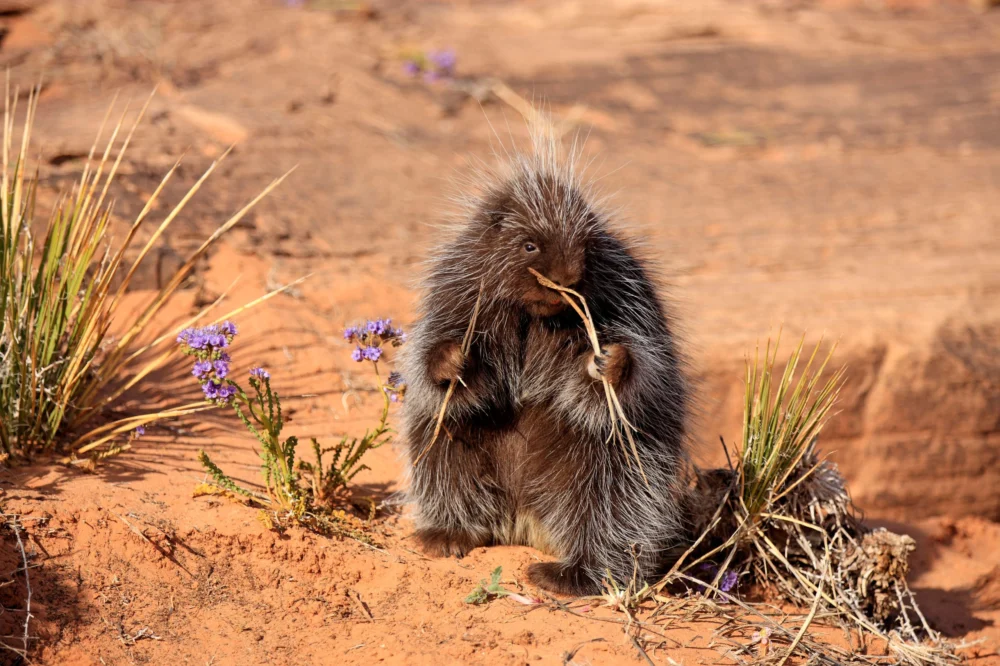
For generations, the porcupine, with its distinctive quilled defense, has been an elusive yet recognized inhabitant of North American forests, but now, a profound and disturbing silence has fallen across its traditional ranges. Emilio Tripp, a dedicated wildlife manager and a respected citizen of the Karuk Tribe in Northern California, vividly recalls a singular encounter from his late teens: a fleeting, shadowy silhouette during a nighttime drive with his father in the late 1990s. Decades later, the memory of that possible kaschiip, the Karuk word for porcupine, remains a cherished, almost mythical, experience for the 43-year-old, underscoring the extreme rarity of these animals today. Tripp’s experience is not isolated; among the Karuk, sightings have become so infrequent that they are almost exclusively confined to the memories of elders, who speak of a time when porcupines were abundant until the turn of the 21st century. Now, each fleeting glimpse, a roadside carcass, or a chance nocturnal encounter, echoes a poignant question that resonates deeply within the tribe and across the wider scientific community: where have all the porcupines gone?
"Everyone’s concerned," Tripp articulated, reflecting the pervasive unease. "If there were more observations, we’d hear about it." This growing apprehension is far from confined to Northern California; throughout the expansive Western United States, porcupine populations are undeniably dwindling. Wildlife scientists, alarmed by this silent disappearance, are engaged in a frantic race against time, striving to pinpoint remaining porcupine strongholds and unravel the complex web of factors contributing to their vanishing act. Simultaneously, Indigenous communities like the Karuk Tribe are not merely observing; they are proactively charting ambitious and culturally vital plans to reintroduce and restore these iconic creatures to their ancestral forest homelands, recognizing their integral role in both the ecosystem and their cultural heritage.
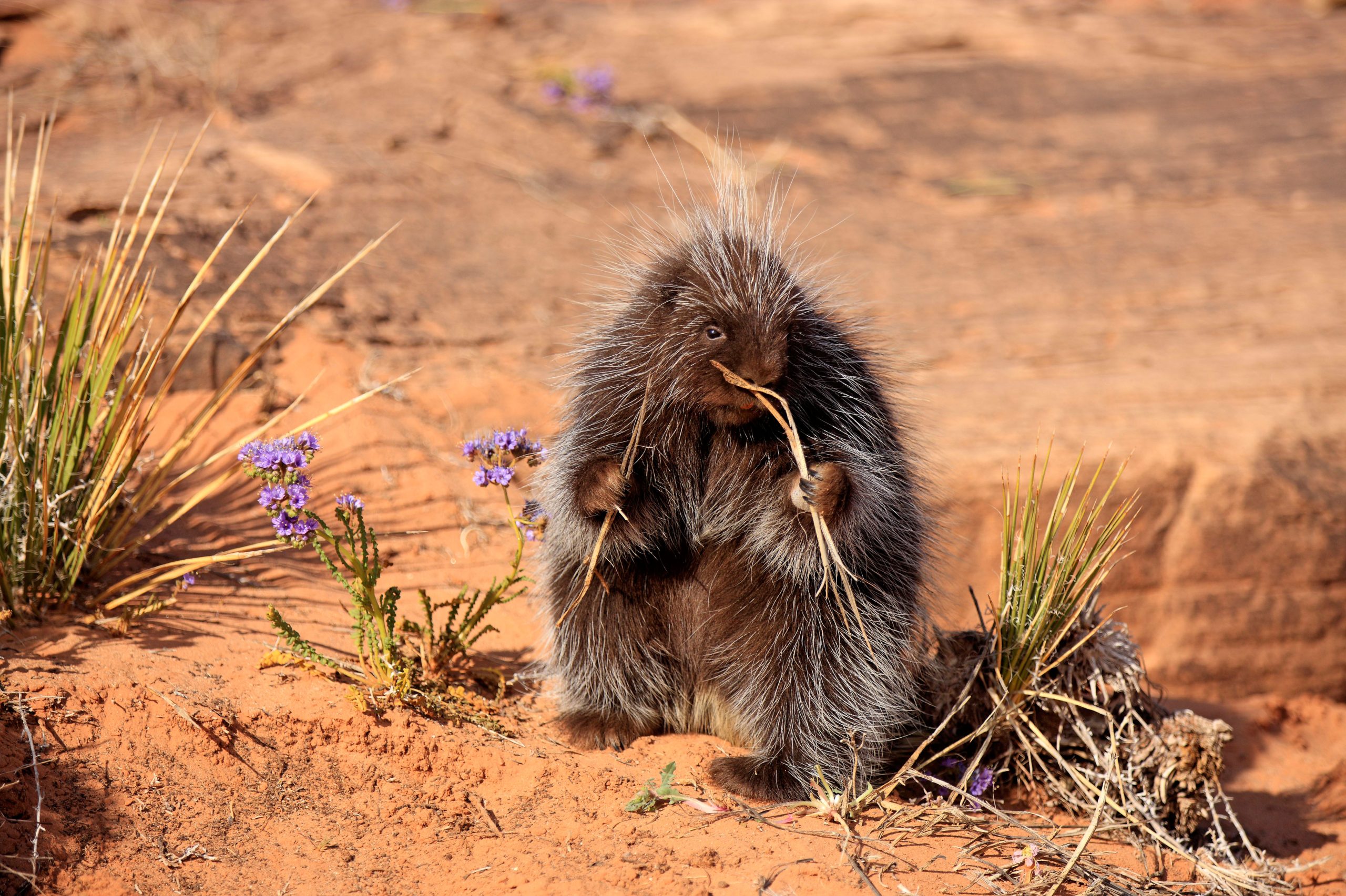
The North American porcupine (Erethizon dorsatum), easily identifiable by its formidable armature of some 30,000 quills, epitomizes a unique blend of vulnerability and resilience. These large rodents, often described as "big and dopey and slow" by ecologists like Tim Bean of California Polytechnic State University, navigate their environment with a lumbering gait, primarily under the cloak of darkness. Their diet consists mainly of tree foliage and the nutrient-rich inner bark, a dietary habit that, while essential to their survival, historically placed them in direct conflict with human interests. Their tree-gnawing activities caused considerable damage to commercial timber, leading the burgeoning logging industry of the 20th century to label them as destructive pests. This perception fueled widespread, often brutal, poisoning and hunting campaigns across the United States. Between 1957 and 1959 alone, Vermont notoriously orchestrated the massacre of over 10,800 porcupines, an astonishing figure that highlights the scale of eradication efforts. In California, Forest Service officials, convinced that porcupines posed an existential threat to pine forests, declared an "open season" on the species as early as 1950, effectively sanctioning their widespread extermination.
Although state-sponsored bounty programs targeting porcupines largely ceased by 1979, the decades of systematic persecution left an indelible mark from which populations have seemingly failed to recover. Contemporary surveys conducted by researchers in diverse regions, from British Columbia to Arizona, western Montana, and Northern California, consistently indicate that porcupines remain scarce. A significant challenge for scientists lies in the historical lack of comprehensive monitoring data for porcupine populations, making it difficult to ascertain whether current low numbers represent a continued decline or simply a prolonged failure to rebound from past culling efforts. Nevertheless, the compelling anecdotal evidence from those who remember their common presence serves as a powerful alarm bell. Across the West, a consistent pattern emerges: veterinarians report fewer instances of pets returning home quilled, long-time rural residents note a marked absence of porcupines in their backyards, and even avid hikers find these once-recognizable creatures increasingly difficult to spot. The ecological ramifications of this disappearance are already manifesting, most notably in the Sierra Nevada, where the endangered fisher (Pekania pennanti), a member of the weasel family, is experiencing severe nutritional stress due to the scarcity of porcupines, a crucial protein source. As a direct consequence, fisher populations in the Sierras exhibit reduced body mass and produce smaller litters compared to their counterparts in other regions.
Beyond their ecological role, porcupines hold profound cultural significance for the Karuk Tribe. Their quills are meticulously woven into intricate baskets and incorporated into other sacred cultural and ceremonial items, embodying a deep connection to the land and its creatures. However, the dwindling porcupine numbers mean the tribe now more often imports quills rather than gathering them locally. This inability to harvest quills from their ancestral lands represents more than a mere inconvenience; it signifies a palpable loss of connection between tribal members and their homelands, severing a vital thread in their cultural fabric. "It’s important for porcupines to be a part of our landscape," Tripp emphasized, articulating the intrinsic value. "That’s part of why they’re chosen to be part of this ceremonial item."

The "silent erosion of animal abundance," a phrase coined by Erik Beever, an ecologist at the U.S. Geological Survey, captures the essence of the porcupine’s plight and its broader implications. Beever cautions that the porcupine’s disappearance may be a stark indicator of a more pervasive biodiversity crisis unfolding across the nation, where species decline often outpaces scientific tracking capabilities. "We’re wondering whether the species is either increasing or declining without anybody even knowing," Beever noted, highlighting the alarming knowledge gaps that plague conservation efforts for many understudied species. This underscores the urgent need for robust, long-term monitoring programs to accurately assess population trends and implement timely conservation interventions.
In response to this critical knowledge deficit, scientists are intensifying their efforts. Tim Bean and his research team embarked on an ambitious project, meticulously sifting through a century’s worth of public records—including roadkill databases, wildlife agency reports, and citizen science observations—to construct a comprehensive map of porcupine distribution patterns across the Pacific Northwest. Their findings revealed a concerning trend: porcupines are indeed declining in their traditional conifer forest habitats but are paradoxically appearing in non-traditional environments such as deserts and grasslands, suggesting potential habitat shifts or refugia. Building on this foundational work, Erik Beever is now spearheading a similar, more expansive study encompassing the entire Western U.S., aiming to provide a clearer, region-wide picture of porcupine status.
Concerned scientists are exploring several theories to explain why porcupine populations have failed to recover and return to their historic ranges. One significant hypothesis points to the proliferation of illegal marijuana cultivation sites, often clandestinely tucked away in remote forest areas. These illicit operations frequently employ highly toxic anticoagulant rodenticides (ARs) to protect their crops from pests. These poisons, designed to kill rodents, are indiscriminate, leading to secondary poisoning of non-target wildlife, including porcupines, who may consume tainted vegetation or other poisoned animals. The pervasive use of these potent chemicals creates a dangerous ecological trap, impacting a wide array of forest creatures. Another theory, highlighting the complex and often unforeseen consequences of conservation, suggests that increased protections for apex predators, such as mountain lions, coyotes, bobcats, and even owls, may have inadvertently contributed to a greater predation pressure on porcupines, hindering their recovery. While restoring predator populations is crucial for ecosystem health, understanding the delicate balance of predator-prey dynamics is essential. Compounding these external pressures is the inherent biology of the porcupine itself: they possess a relatively low reproductive rate, typically birthing only a single offspring at a time, making their populations inherently slower to recover from significant declines.

Understanding porcupine distribution and population dynamics presents unique challenges for researchers. As ecological generalists, porcupines inhabit a diverse array of forest types, from dense woodlands to riparian zones, making it difficult to predict their exact whereabouts. Their herbivorous diet also complicates traditional baiting methods used for carnivores. Scientists have experimented with various lures, including brine-soaked wood blocks, peanut butter, and even porcupine urine, to entice these cautious creatures toward camera traps, but with only mixed success. The profound rarity of sightings is underscored by data from the Central Sierra Environmental Resource Center in the Sierra Nevada, which, over 34 years of both baited and unbaited camera surveys, has recorded porcupines only three times. "It’s a mystery," admitted John Buckley, the center’s executive director, expressing bewilderment that even in highly protected areas like Yosemite National Park, where habitat disturbance is minimal, porcupines are not visibly reproducing and repopulating. This suggests that the underlying causes of their decline are complex and multifaceted, extending beyond simple habitat degradation.
Despite the formidable obstacles, the Karuk Tribe stands resolute in its commitment to bringing porcupines back to its ancestral lands. The initial phase of their ambitious reintroduction plan focuses on identifying any extant healthy populations within or near their territory. Years of camera trap surveys have yielded disappointingly scant evidence of the creature’s presence; one area Emilio Tripp optimistically identified as a "hotspot" still only captured a single porcupine on film. "That’s how rare they are," Tripp lamented, highlighting the scale of the challenge. Consequently, Karuk biologists are now exploring innovative, non-invasive methods, including deploying trained dogs specifically adept at conducting scat surveys, to locate elusive individuals and assess their health.
Reintroducing a species as sensitive and scarce as the porcupine demands a delicate and carefully considered balancing act. The inherent vulnerability of already small source populations means that removing even a few individuals for translocation could jeopardize their viability. The ethical and ecological complexities require rigorous scientific planning and community engagement. Nevertheless, Emilio Tripp maintains a sense of urgency, firmly believing that proactive intervention is paramount. "Things don’t seem to be getting better over the course of my lifetime," he observed, underscoring the imperative for human action rather than relying on natural recovery alone. This commitment is palpable in Tripp’s personal life; he, his wife, and their daughter regularly participate in traditional basket-weaving events that incorporate porcupine quills. This continued practice is not merely an adherence to tradition; it is a profound act of stubborn hope, a steadfast belief that, with concerted effort and unwavering dedication, the Karuk Tribe will one day be able to welcome the kaschiip back home, ensuring its rightful place in their landscape and cultural narrative for generations to come.