Joko Susilo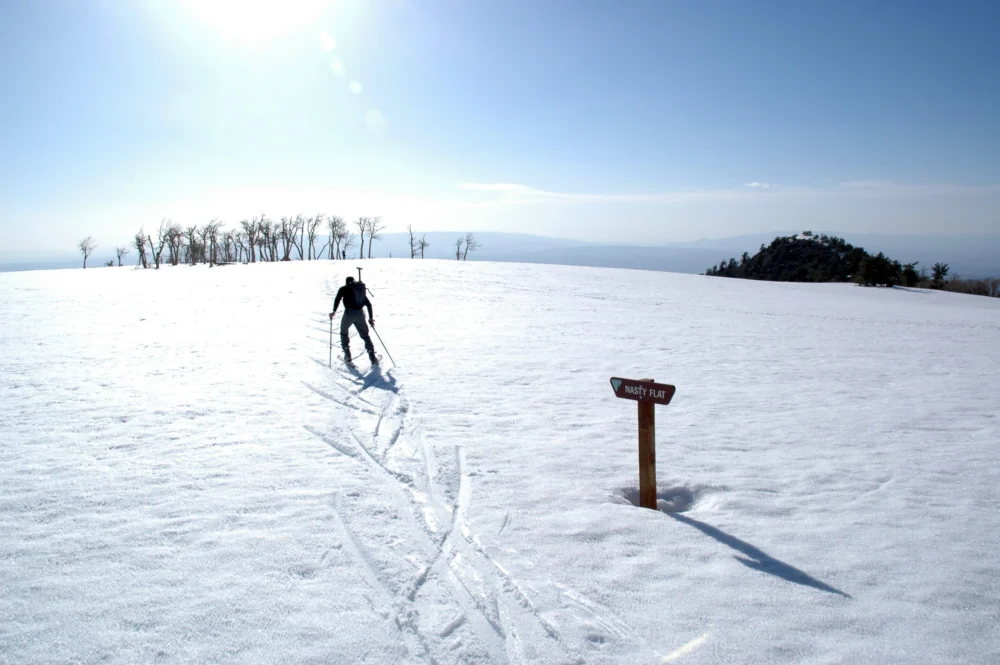
A profound shift is underway in the world of winter sports, as backcountry skiing, once a niche pursuit of intrepid alpinists, increasingly captures the imagination of outdoor enthusiasts worldwide, culminating in ski mountaineering’s (skimo) historic debut at the 2026 Winter Games in Milan-Cortina. This surge in popularity, driven by a quest for solitude and an escape from crowded resorts, unfolds paradoxically against the backdrop of a rapidly warming planet, threatening the very snow-covered landscapes that make this exhilarating lifestyle possible. The quiet trails of yesteryear, once the exclusive domain of a few seasoned adventurers, now buzz with the silent, rhythmic ascent of "skinning," reflecting a broader cultural movement towards self-sufficiency and deeper connection with nature.
Over the past few winters, especially in regions renowned for their deep snowpacks and challenging terrain, the backcountry has witnessed an unprecedented influx of participants. The pandemic acted as a significant catalyst, prompting many to seek outdoor recreation away from congested indoor spaces and bustling ski resorts. However, the roots of this trend run deeper, intertwined with the escalating costs of traditional resort skiing—exorbitant lift ticket prices, restrictive season passes, and the sheer frustration of navigating increasingly congested slopes and access roads. The desire for a more authentic, less commercialized experience, where one "earns their turns" through physical effort rather than relying on mechanical lifts, resonates powerfully with a growing demographic. This yearning for unblemished snow, dynamic terrain, and the profound serenity of untouched wilderness offers a stark contrast to the often-manufactured experience of groomed runs and snow-making cannons.

The equipment itself has played a crucial role in democratizing backcountry access. Advancements in lightweight yet durable skis, bindings, and boots, coupled with the widespread availability of splitboards for snowboarders, have made the sport more accessible and efficient. Concurrently, a robust culture of skill-sharing and safety education has blossomed, with organizations offering comprehensive avalanche courses and rescue training. These initiatives are vital, as the allure of untracked powder in uncontrolled terrain carries inherent, significant risks. Outside the boundaries of a managed resort, there is no ski patrol, no marked hazards, and critically, no avalanche mitigation efforts. Backcountry travelers bear the sole responsibility for understanding snowpack stability, interpreting complex weather patterns, and making conservative decisions in dynamic, often treacherous conditions.
This reality was tragically underscored by recent events, such as a massive avalanche in Lake Tahoe that trapped 15 backcountry skiers, resulting in multiple fatalities and one still missing. Such incidents serve as somber reminders that even experienced recreationists face a thin margin for error. The growth in participation, while fostering a vibrant community, inevitably increases exposure to these hazards, making formal avalanche education (like AIARE courses), companion rescue training, and diligent use of safety equipment—beacons, probes, and shovels—not merely advisable but absolutely imperative. Every journey into the backcountry is, at its core, a negotiation with uncertainty and a testament to the respect for the raw power of the mountains.
Against this backdrop of booming interest, ski mountaineering, or "skimo," prepares for its Olympic debut in 2026, marking the first new sport added to the Winter Games in nearly three decades. This inclusion signals a global recognition of a discipline that combines the grueling endurance of uphill racing with the technical prowess required for rapid, controlled descents. Skimo’s history traces back to early 20th-century alpine military patrols, evolving into a demanding competitive sport. At the Milan-Cortina Games, a select field of 36 athletes will compete in sprint events and a mixed-gender relay, navigating steep alpine courses with ultra-light gear, shedding skins for downhill sections in breathtaking displays of athleticism. The International Olympic Committee’s embrace of skimo aligns with efforts to introduce more dynamic and youth-appealing sports while also potentially reducing the environmental footprint often associated with traditional alpine events requiring extensive infrastructure.

However, the irony is stark and deeply unsettling: the burgeoning love for these wild, snow-laden landscapes coincides with their accelerating disappearance. Climate change is not a distant threat but a present reality, fundamentally reshaping the very nature of winter. Scientific studies, including those commissioned by climate institutes and the International Olympic Committee, paint a grim picture: under current emissions trajectories, the number of locations globally capable of reliably hosting winter sports could shrink dramatically within decades. Projections suggest that by the mid-21st century, a significant portion of existing Winter Olympic sites may no longer meet the essential temperature and snow-reliability requirements, narrowing the pool of viable hosts to a mere fraction of today’s list.
The stark reality of diminishing natural snow is already palpable. The 2026 Milan-Cortina Games, for instance, will heavily rely on artificial snow to cover competition slopes, a technological workaround that underscores the precariousness of natural winter conditions. This extensive use of snowmaking machinery, while ensuring events proceed, consumes vast quantities of water and energy, often sourced from already stressed regional reservoirs, and contributes to ecological disruption. This reliance on manufactured snow is not unique to the Olympics; ski resorts globally, from the European Alps to Japan’s Honshu island and the Andes, are increasingly investing hundreds of millions in snowmaking systems, summer "counter-programming" like alpine slides and mountain biking, and other infrastructure to hedge against an uncertain future. These adaptations, however, are merely stopgap measures, buying time but unable to guarantee winters as they have historically existed.
In the Western United States, where communities have long thrived on consistent snowpack for both tourism and critical water storage, record warm winters and prolonged snow droughts have become alarmingly common. Regions in Colorado, Utah, and Oregon have reported historically low snowpack in recent seasons, precipitating far-reaching consequences for municipal water supplies, agricultural irrigation, and escalating wildfire risks. Similar patterns are observed across the globe, from the shrinking glaciers of the Himalayas, which feed major river systems, to the diminished snowfall in the Alps, impacting both winter tourism and downstream ecosystems. The disappearance of snowpack not only imperils winter sports but also disrupts delicate hydrological cycles, threatening biodiversity and the livelihoods of millions.

For backcountry enthusiasts, the stakes are even more visceral. There are no snowguns, no groomers, and no artificial interventions—just the arduous skin track leading uphill and the profound hope of carving turns in natural powder on the descent. This inherent purity, the direct reliance on natural snowfall, makes backcountry skiing exquisitely vulnerable to a warming climate. Shorter snow seasons, elevated frequencies of rain-on-snow events that rapidly melt existing snowpack, and the overall destabilization of mountain ecosystems pose an existential threat to the sport. The aesthetic appeal of untouched snow and the deep connection to nature that defines backcountry travel become increasingly fragile in an era of climate disruption.
As the world celebrates skimo’s Olympic debut and backcountry skiing continues its remarkable ascent in popularity, this growth should be met with both joy and a profound sense of unease. The future of this sport, and indeed all winter sports, is inextricably linked to the health of our planet. It is not merely about human endurance and passion but about the climate that sustains snow itself—and the collective choices humanity makes today to ensure that future generations can still climb above treeline and descend into the wonder of a truly wild winter landscape. The spectacle of athletic achievement must serve as a poignant reminder of the precious, dwindling resource that makes such endeavors possible.