Rocky Georgio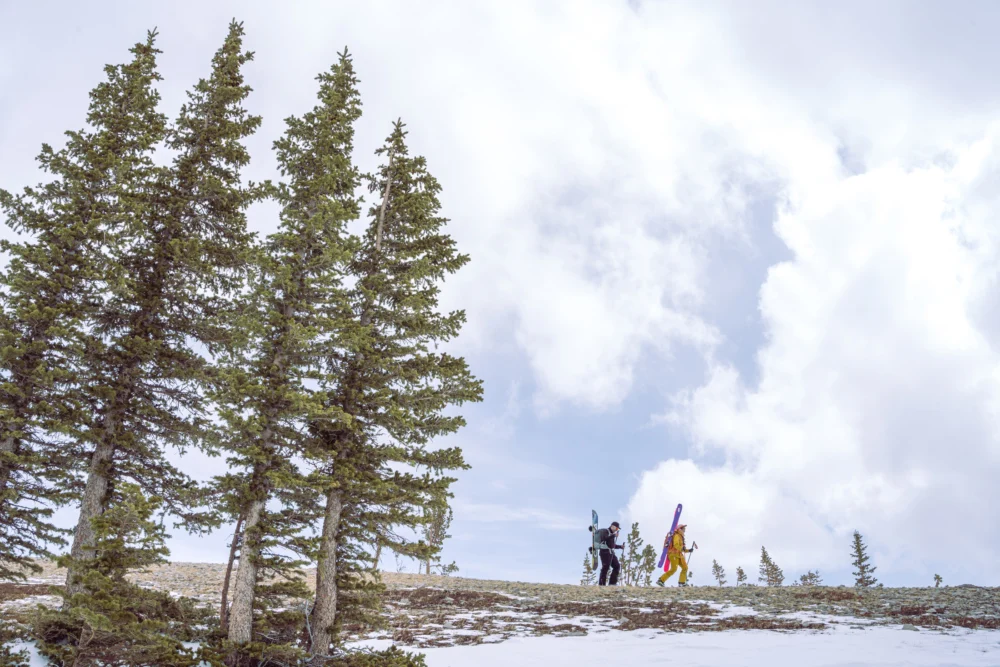
The sound of percussion on the roof last night, typically a prelude to snow in the Rockies at 7,000 feet in late November, instead delivered rain. What was once anticipated as a significant storm, with initial forecasts predicting up to six feet of snow, dwindled considerably as it traversed the region. Local meteorologists repeatedly downgraded their predictions, and by the time the system moved eastward, only a few inches had accumulated in isolated high-altitude areas, leaving the landscape conspicuously devoid of the expected winter blanket and drawing closer to the winter solstice.
This recurring pattern of diminished snowfall has transformed the once-joyful anticipation of early winter into a gnawing dread for many. For years, the arrival of winter storms from the Pacific evoked excitement, whether tracking the race among Colorado’s high alpine resorts to be the first to open or observing the snowline descend across the Pacific Northwest. Now, that exhilaration is tinged with anxiety, a physical manifestation of worry about the escalating warmth and dryness that has characterized recent seasons. The joy derived from envisioning storm-day skiing and soft turns has been overshadowed by a growing concern for what this persistent lack of snow signifies for the future.
As a skier, personal happiness becomes intrinsically linked to weather systems beyond individual control, a peculiar fascination that, while seemingly fixated on snowfall, serves as a sensitive barometer for larger environmental shifts. Skiers often exhibit obsessive, ritualistic, and superstitious behaviors, prone to worrying about disrupting the natural order, and engage in lighthearted "prayers" for snow, acknowledging the futility of such pleas in the face of meteorological science. Despite this understanding, traditions like pre-season ski-burning bonfires and even washing cars are undertaken with a hopeful, almost ritualistic, intent to encourage winter’s arrival, a modern form of wishing upon a star.

The desire for snowy winters stems from two interconnected motivations: the personal and the planetary. On a personal level, the appeal lies in the pure enjoyment of skiing, a lifelong passion that provides a sense of weightlessness, speed, and profound connection to the natural world. However, the compulsive monitoring of SNOTEL sites and ski area base depths reveals more than just personal preference; it offers a tangible glimpse into evolving environmental patterns. While skiing might appear to be a superficial pursuit, the state of winter undeniably serves as a stark indicator of a changing climate, its effects made palpable through the presence or absence of snow. The activities and passions we hold dear often highlight our vulnerabilities, the extent of what we stand to lose, and the limited control we possess over these profound shifts.
This year, many ski resorts are facing delayed openings, a reality reflected across the Western United States. In Utah, for instance, Deer Valley pushed back its opening for the first time in its history, a consequence not only of scant natural snow but also of temperatures too mild for artificial snowmaking. The ramifications of this diminished snowpack extend far beyond recreational pursuits, impacting workers and communities reliant on winter tourism. More critically, however, this snowpack represents a vital source of water for the arid West.
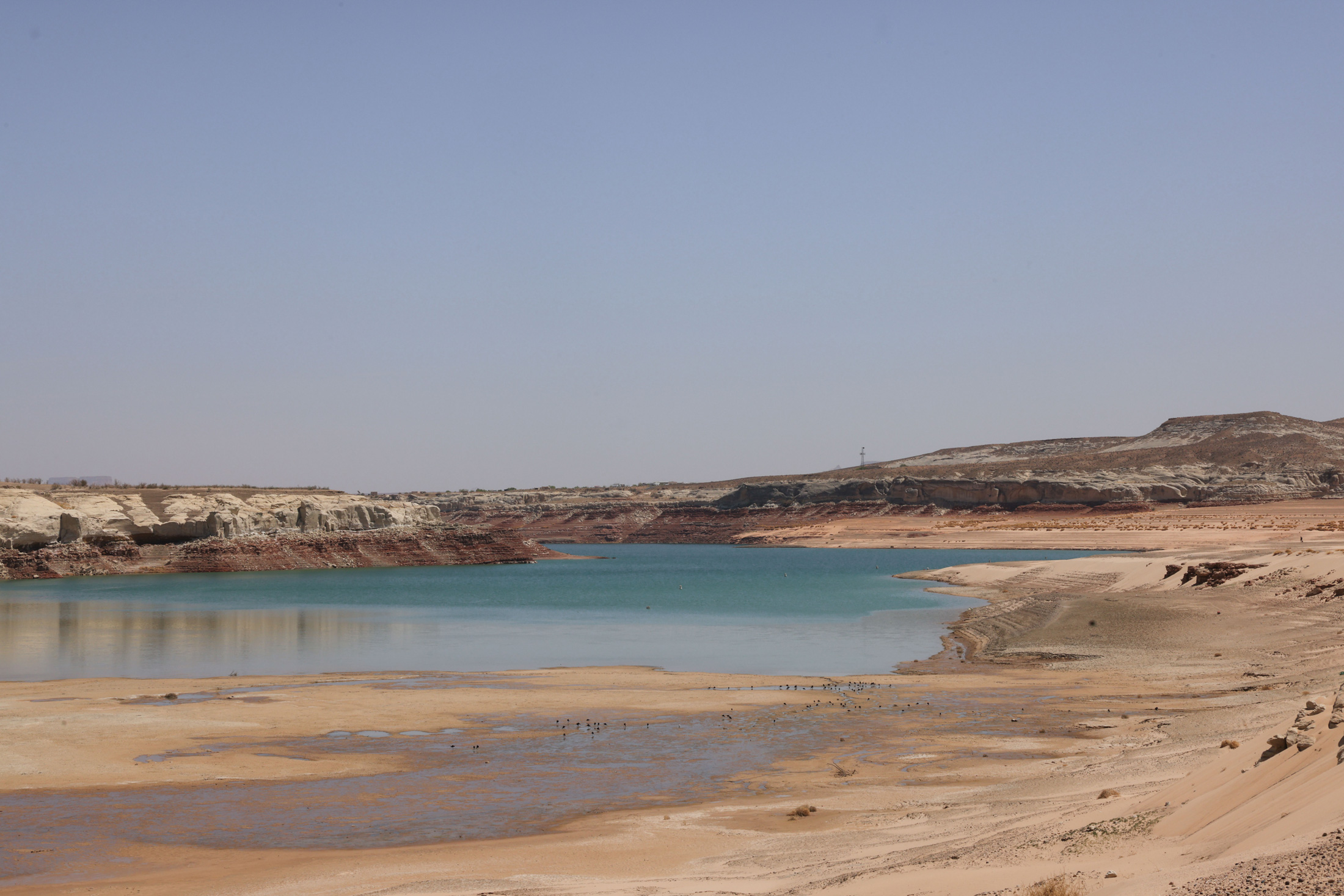
As of December, much of the Western United States remains under drought conditions, with a significant portion experiencing severe or extreme dryness. Data from the National Water and Climate Center’s snow-water equivalent maps consistently display vast areas colored red, indicating snowpack levels well below 50% of average. This snow is not merely a recreational asset; it is the region’s most crucial water supply, a natural reservoir that sustains communities, agriculture, and ecosystems throughout the year.
The current dry spell follows a challenging summer marked by intense heat and widespread wildfires that encroached upon populated areas. Last winter’s scarcity further exacerbated the long-term drought, creating a compounding environmental stress. Ski resorts are now increasingly entangled in disputes over water rights for snowmaking operations, highlighting the growing competition for this precious resource. The absence of adequate snow amplifies fire risks, threatens food security, and intensifies existing, often contentious, water-sharing conflicts along rivers like the Colorado.

The interconnectedness of our environment means that skiing, as a sensitive indicator, reflects broader systemic changes. A conversation with a ski guide revealed a similar, albeit more delayed, sense of unease. When asked about work-related anxieties, he expressed a cautious optimism, stating he wasn’t "quite worried yet." While this sentiment might reflect a rational assessment of the season’s early stages, for others, the worry has already taken root, fueled by observations of shrinking reservoirs, persistent drought predictions, and the lingering memory of last winter’s icy conditions and the preceding summer’s lack of monsoons, with the ever-present threat of wildfire. The experience of waiting for snow that never arrives is a deeply unsettling one.
Despite these concerns, the season is still young, and the possibility of a shift in weather patterns remains. While the National Weather Service has predicted a weak and wavering La Niña, which often correlates with drier conditions in the West, the inherent flexibility of the climate system means that storms could still materialize and bring much-needed precipitation. Observing the sky still offers a flicker of hope, and while predicting future weather remains uncertain, the patterns of the past offer valuable, albeit sobering, lessons. Therefore, the prayers for snow continue, now imbued with a deeper urgency and a wider array of concerns, extending far beyond the personal desire for a good ski day to encompass the critical needs of water security and ecological health.